UK Gets Andy Burnham as Its Seventh Prime Minister in a Decade After Starmer’s Surprise Resignation


/https%3A%2F%2Fcdn-tor.buminteractif.com%2F2026%2F07%2F20195824%2Fuk-prime-getty45345dfg435643.jpg)
Andy Burnham officially became the United Kingdom's seventh prime minister in just ten years after accepting King Charles III's formal invitation to form a government at Buckingham Palace, bringing another dramatic chapter to Britain's prolonged period of political instability. His appointment follows the surprise resignation of Keir Starmer, whose premiership lasted only two years despite leading Labour to a commanding general election victory in 2024. Burnham now inherits a country still grappling with the economic, political and social consequences of years of turbulence that began with the Brexit referendum and continued through an unprecedented turnover of national leaders. Since 2016, Britain has cycled through Theresa May, Boris Johnson, Liz Truss, Rishi Sunak, Keir Starmer and now Burnham, highlighting a level of political volatility rarely seen in modern British history. While no general election was required to install the new prime minister, the leadership change nevertheless represents another significant turning point for a government seeking to restore public confidence after years of instability and mounting frustration across the country.
Starmer's resignation marked a remarkable collapse for a leader who only two years earlier had been widely praised for delivering Labour's largest electoral victory in decades. His government, however, struggled to maintain political momentum as public optimism gradually gave way to disappointment over the pace of change. One of the administration's most damaging controversies centered on the appointment of Lord Peter Mandelson as Britain's ambassador to the United States. The decision quickly became a political liability after renewed scrutiny of Mandelson's past relationship with convicted sex offender Jeffrey Epstein forced Starmer to remove him from the position in 2025. The controversy intensified criticism from both political opponents and members of his own party, adding to broader concerns that the government was becoming distracted by scandals instead of focusing on economic recovery, public services and the persistent cost-of-living crisis that continued to dominate everyday life for millions of households throughout the United Kingdom.
«I know people at home are fed up with politics. I hear you, and I want to be honest with you: we have not been good enough and we need to be better. … Britain needs to show the world that we can regain our stability once again.»
-UK Prime Minister, Andy Burnham
Political pressure accelerated further after Labour suffered disappointing performances in local elections, raising fears among lawmakers that the party could face significant losses at the next national vote if its leadership remained unchanged. Growing dissatisfaction inside Parliament eventually translated into calls for Starmer to step aside, prompting him to announce that he would resign after acknowledging he no longer had the confidence of enough members of his parliamentary party. Explaining his decision, Starmer told the public: «The question my party is asking now is whether I am best placed to lead us into the next general election. I have heard the answer of my parliamentary party to that question. And I accept that answer with good grace.» His departure also reflected a broader frustration among voters who believed Labour had failed to deliver meaningful improvements after promising a new direction for Britain, particularly on living costs, economic growth and everyday financial pressures that remained among the country's biggest political concerns.
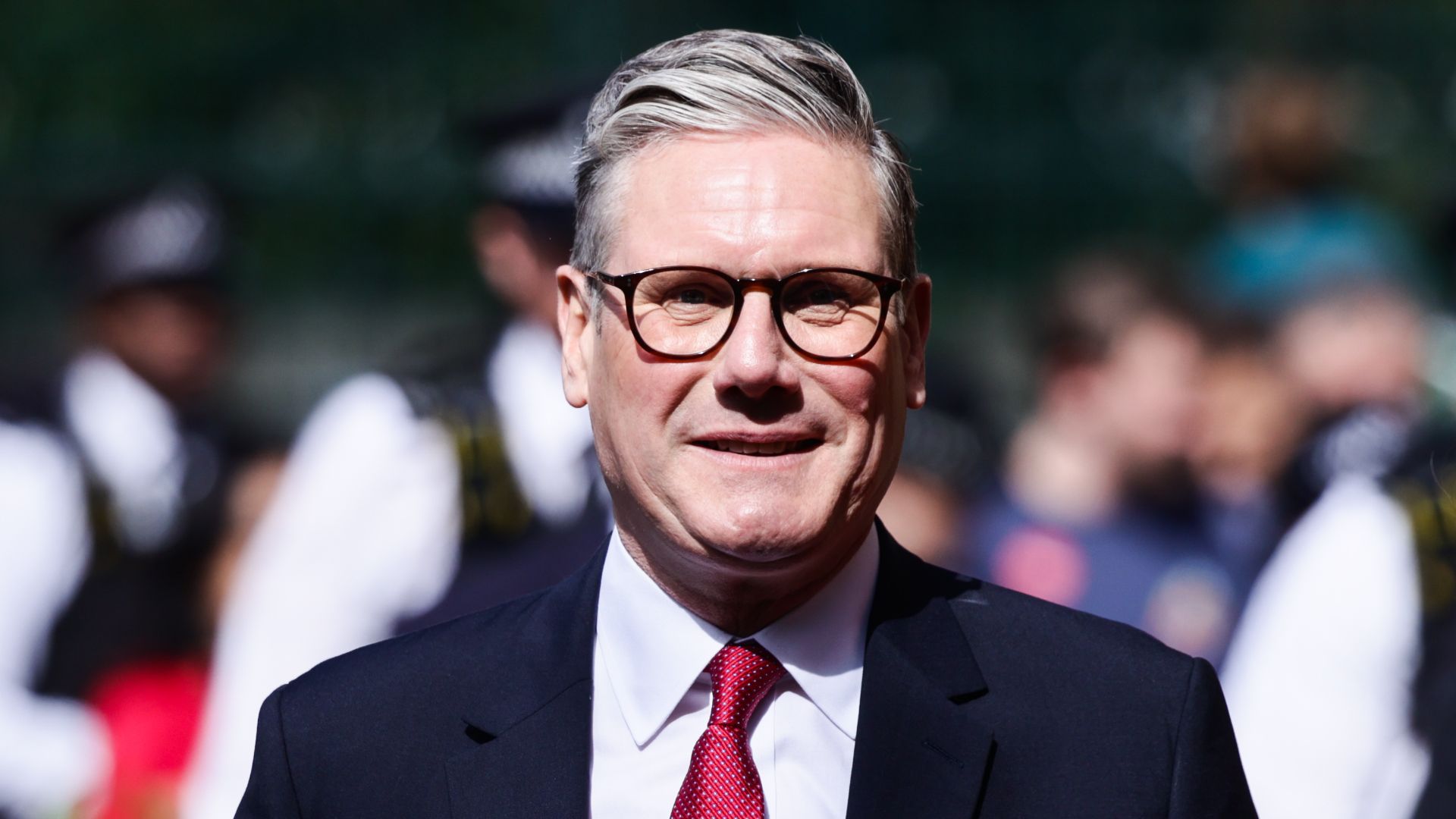
Burnham now faces the difficult challenge of convincing both financial markets and the British public that his government can end nearly a decade of political instability. A former mayor of Greater Manchester with a reputation for focusing on local issues and public services, he entered Downing Street promising a different style of leadership centered on long-term decision-making rather than short-term political survival. Because Britain's parliamentary system allows the governing party to replace its leader without automatically triggering a general election, Burnham assumed office immediately after being chosen by Labour and formally invited by King Charles III to form a government. The constitutional process ensured a smooth transfer of power, but it also underscored the pressure now resting on Burnham's shoulders to prove that another change of prime minister will produce tangible results instead of extending the cycle of instability that has defined British politics since the Brexit era.
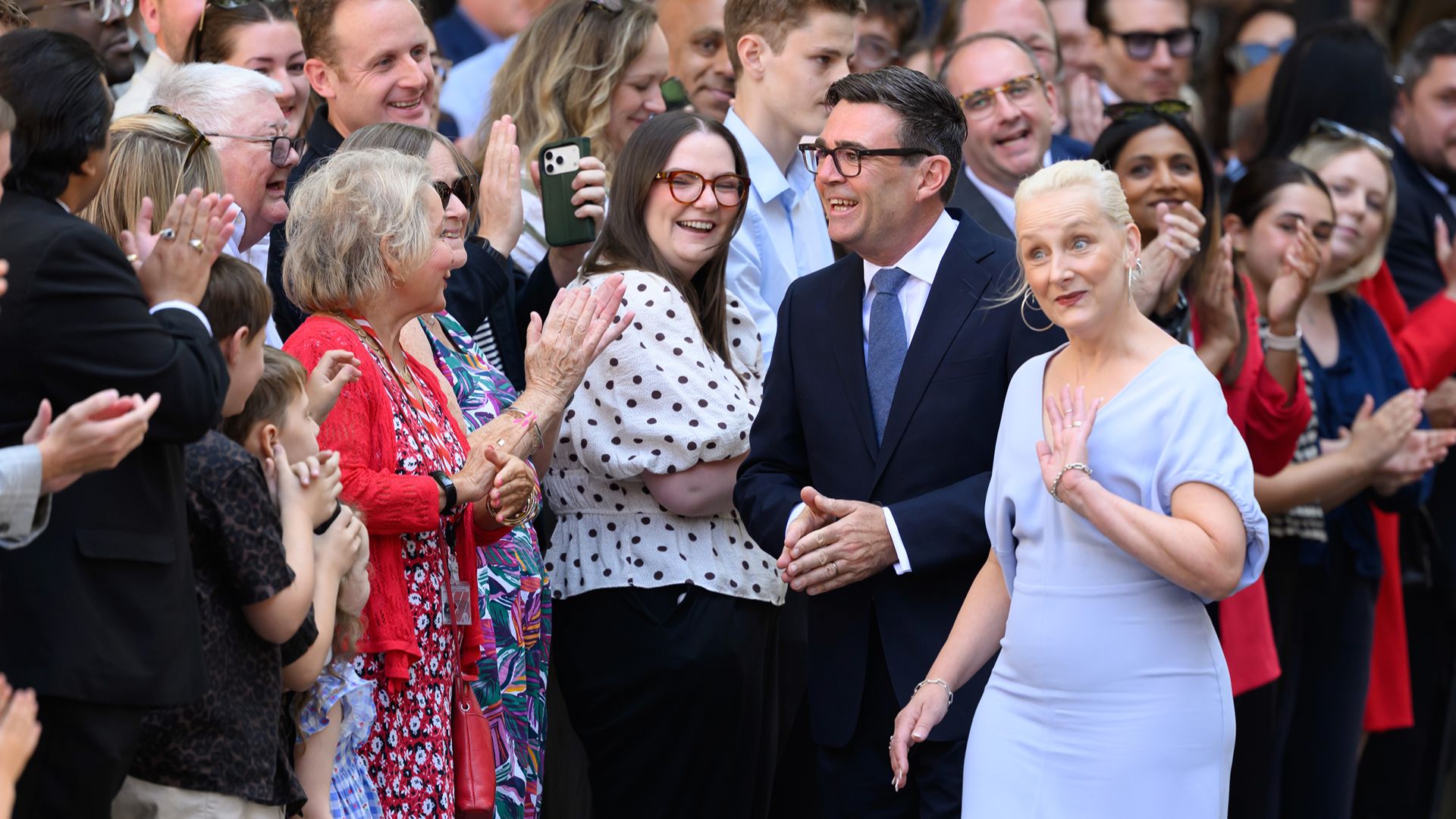
In his first hours as prime minister, Burnham outlined an agenda focused on addressing some of the country's most pressing domestic problems while attempting to restore confidence in government. He pledged to prioritize measures aimed at easing the cost-of-living crisis, one of the defining political issues facing Britain in recent years, while also seeking long-term solutions to homelessness and rough sleeping. Beyond domestic affairs, Burnham immediately inherited a complicated international landscape requiring careful diplomacy. His government must navigate relations with Donald Trump at a time when transatlantic cooperation remains essential on trade and security, while simultaneously managing an emerging diplomatic dispute with China that could carry significant economic consequences. Those immediate challenges leave little room for a political honeymoon, forcing the new prime minister to balance ambitious domestic reforms with increasingly complex foreign policy responsibilities from the outset of his premiership.
«The question my party is asking now is whether I am best placed to lead us into the next general election. I have heard the answer of my parliamentary party to that question. And I accept that answer with good grace.»
-UK's former Prime Minister, Keir Starmer
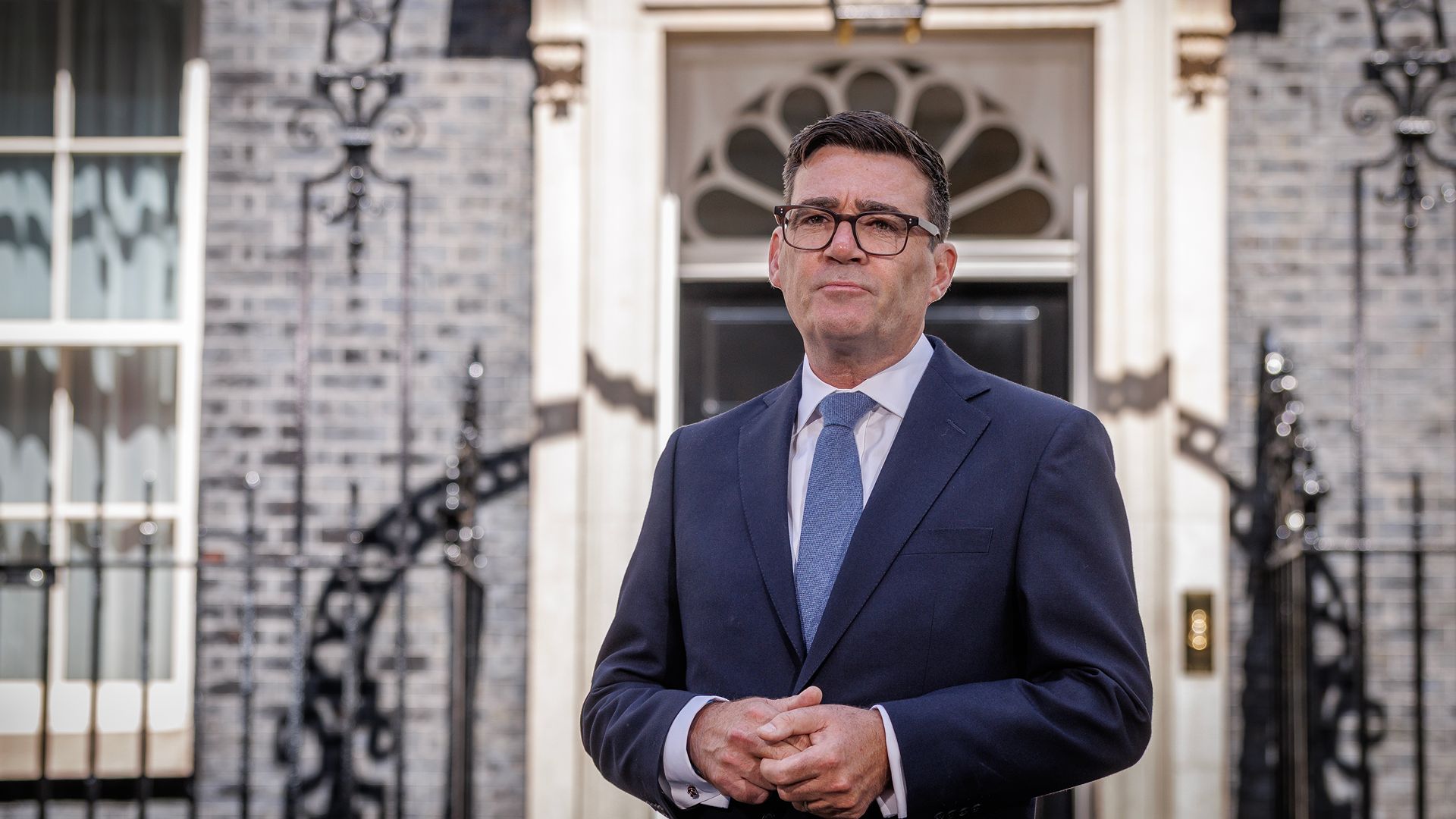
Standing outside 10 Downing Street without the traditional lectern used by many of his predecessors, Burnham sought to acknowledge the frustration felt by voters after years of political upheaval. Rather than presenting himself as simply another new leader, he argued that his government should represent a decisive break from the instability that has repeatedly disrupted Westminster since 2016. Addressing the public directly, he said: «I know people at home are fed up with politics. I hear you, and I want to be honest with you: we have not been good enough and we need to be better. … Britain needs to show the world that we can regain our stability once again.» Whether Burnham succeeds will likely determine not only Labour's electoral future but also whether the United Kingdom can finally bring an end to one of the most turbulent political periods in its modern democratic history.
Created by humans, assisted by AI.
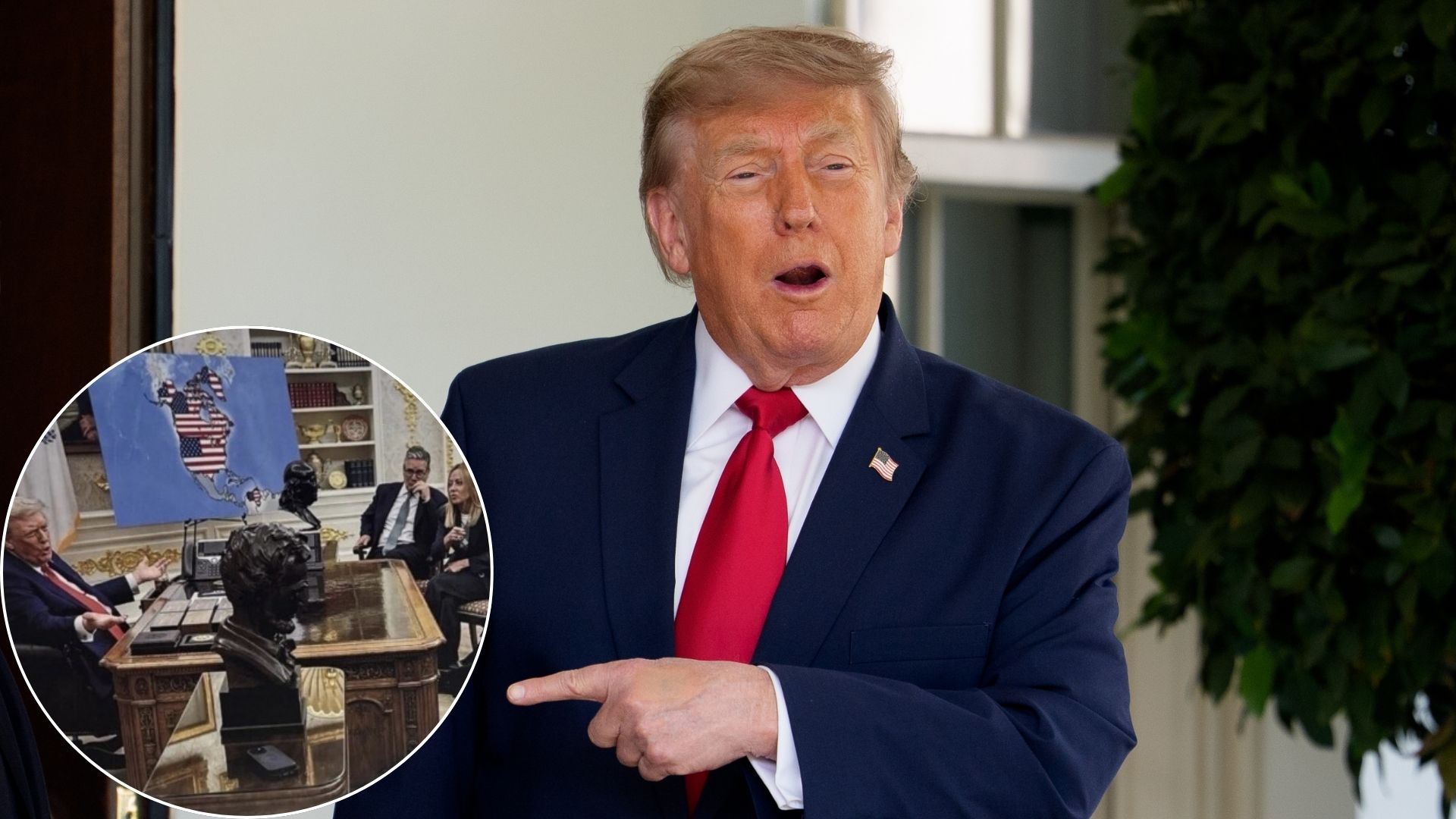 Analysis: Trump's reposting of an AI-generated image and its diplomatic implications
 Trump administration hits Brazil with 25% tariffs, says it refused to negotiate «In good faith»