

/https%3A%2F%2Fcdn-tor.buminteractif.com%2F2026%2F07%2F21185015%2Fturmp-netanyahu-mamdani-getty3456345fdgdf.jpg)
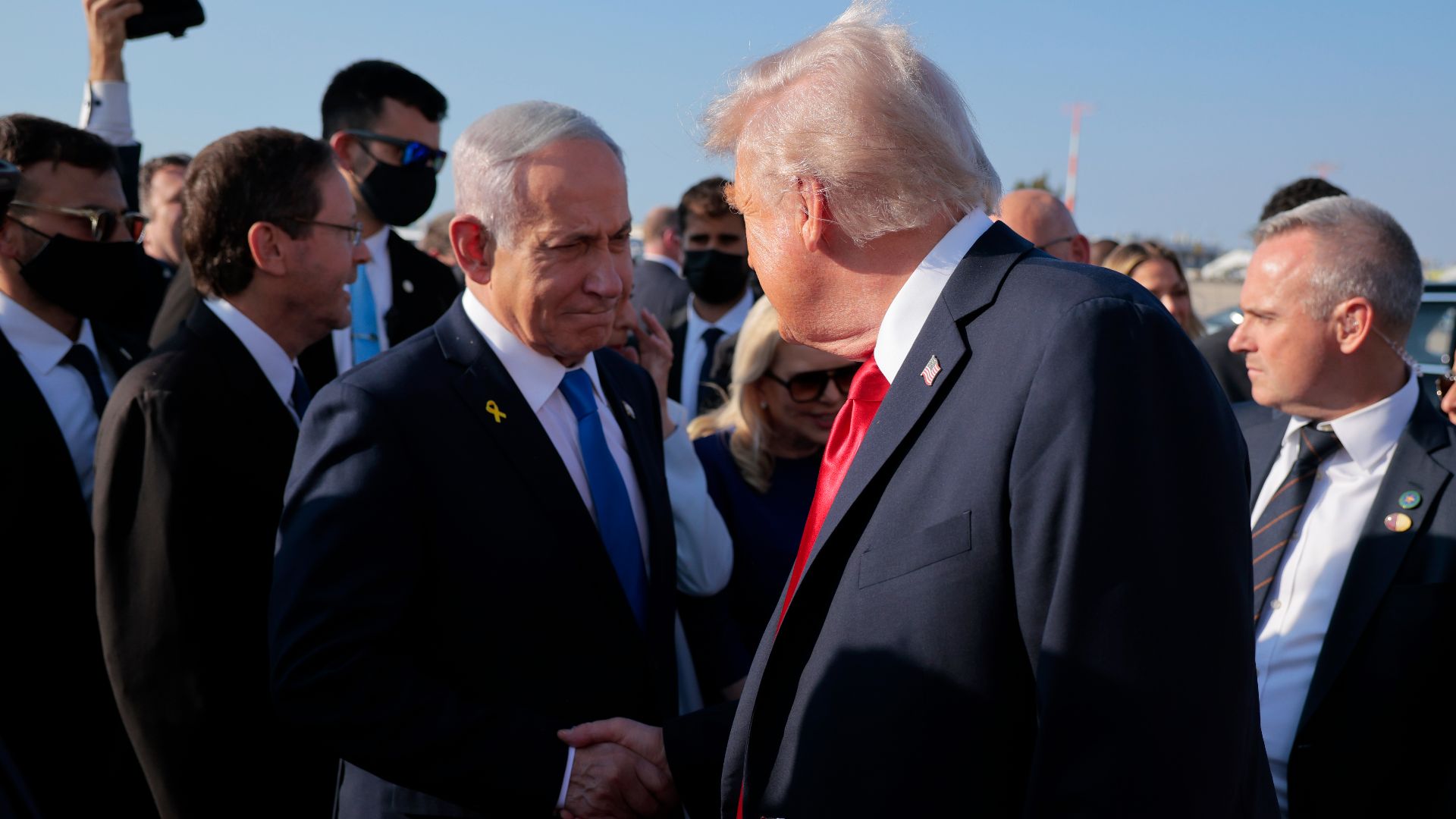
Donald Trump declared that Benjamin Netanyahu will not be arrested during any visit to the United States, forcefully rejecting recent comments from New York City Mayor Zohran Mamdani, who said he is exploring whether the city has the legal authority to act on an arrest warrant issued by the International Criminal Court. Trump made his position clear in a Truth Social post, arguing that no effort to detain the Israeli prime minister would succeed while he is on American soil. The statement comes as debate continues over the ICC's November 2024 warrant accusing Netanyahu of war crimes and crimes against humanity related to the war in Gaza. Although the warrant remains in effect for countries that recognize the court's jurisdiction, the United States is not a party to the Rome Statute that established the ICC. In addition, visiting heads of government are generally protected by diplomatic and head-of-state immunity under U.S. and international law, making any local attempt to arrest Netanyahu highly unlikely.
Trump defended the Israeli leader while criticizing Iran and dismissing the possibility of any legal action against Netanyahu in the United States. In his Truth Social message, the president wrote: «Benjamin Netanyahu will not be arrested, in any way, shape, or form, while in the United States of America. He is fighting against the Islamic Republic of Iran, which recently killed 52,000 innocent protestors, and has spent the last 47 years killing American Soldiers, and others.» Trump then shifted his criticism toward Tehran's leadership rather than the Israeli prime minister, adding: «The only ones that should be arrested are the people that led Iran into this unprecedented SPIRAL OF DEATH AND DESTRUCTION, something that should have been dealt with years ago, by previous Presidents!» His comments underscored the administration's continued support for Netanyahu despite ongoing international legal proceedings and renewed criticism from some American political figures.
«Whatever the law allows me to do in New York City, that's what we will do.»
-New York City Mayor, Zohran Mamdani
Trump's statement came after Mamdani revealed that his administration is examining what authority, if any, New York City possesses regarding the ICC warrant. Speaking on The New York Times podcast, the mayor said he believes Netanyahu belongs before the international court in The Hague and confirmed that the city's Law Department is reviewing the issue. While acknowledging that the legal process is still being examined, Mamdani pledged to pursue any authority available to him, saying: «Whatever the law allows me to do in New York City, that's what we will do.» He has repeatedly referred to Netanyahu as a «war criminal» and the «architect of the genocide» against Palestinians in Gaza, arguing that the ICC warrant should be respected. His remarks immediately triggered criticism from supporters of Israel, while others questioned whether a municipal government has any role in enforcing an international arrest warrant.
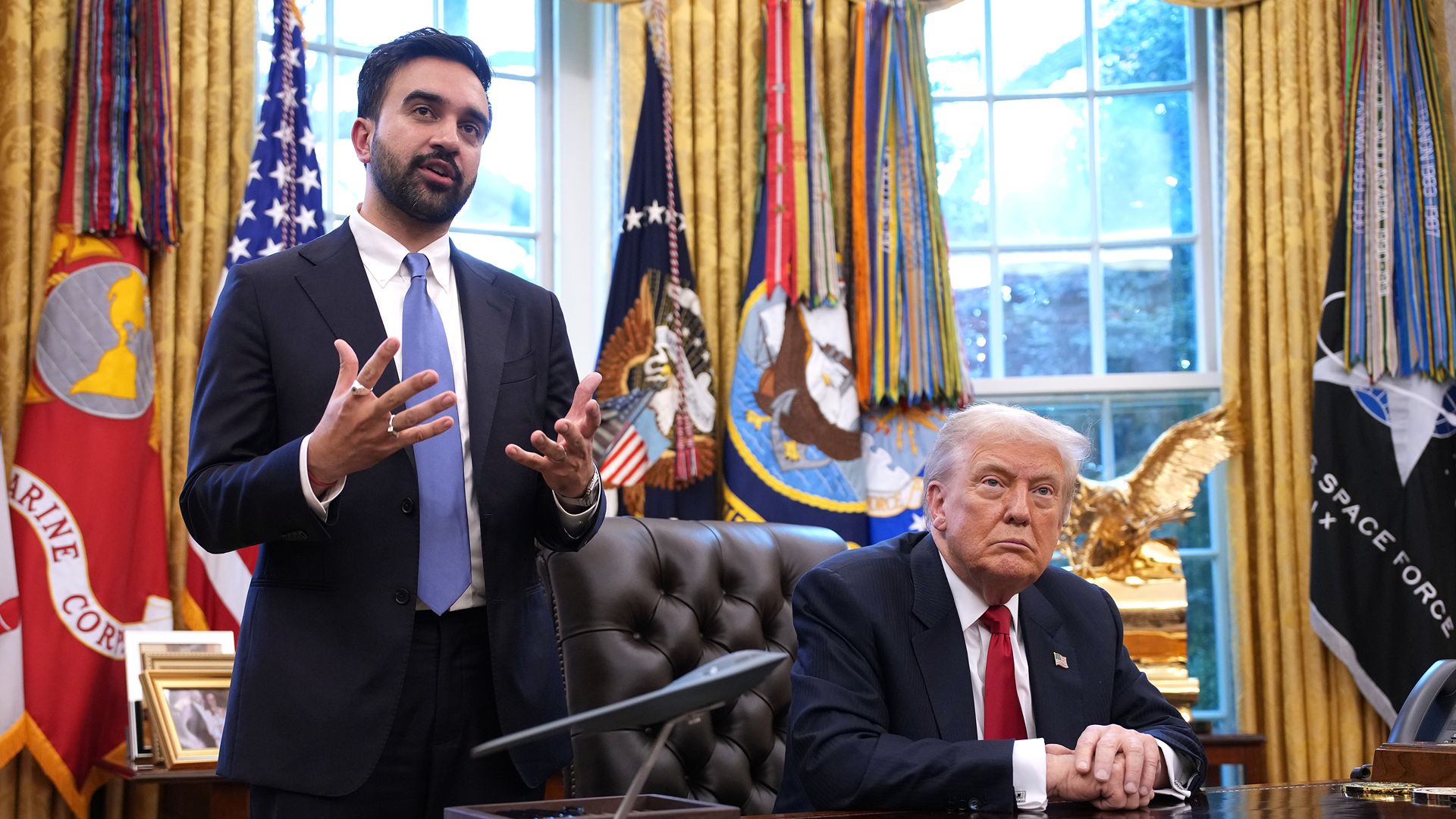
Legal experts have largely dismissed the possibility that New York City could arrest Netanyahu, pointing to several constitutional and diplomatic barriers. The United States does not recognize the jurisdiction of the International Criminal Court because it is not a party to the Rome Statute, meaning ICC arrest warrants are not automatically enforceable under U.S. law. Even if an ICC warrant exists, visiting heads of state and heads of government are generally protected by diplomatic and head-of-state immunity while traveling in the United States. Authority over foreign leaders also falls under the federal government rather than state or municipal officials. For that reason, legal scholars have argued that any decision involving an international dignitary would rest with federal agencies such as the State Department and the Secret Service, leaving local officials with virtually no independent authority to execute such an arrest.
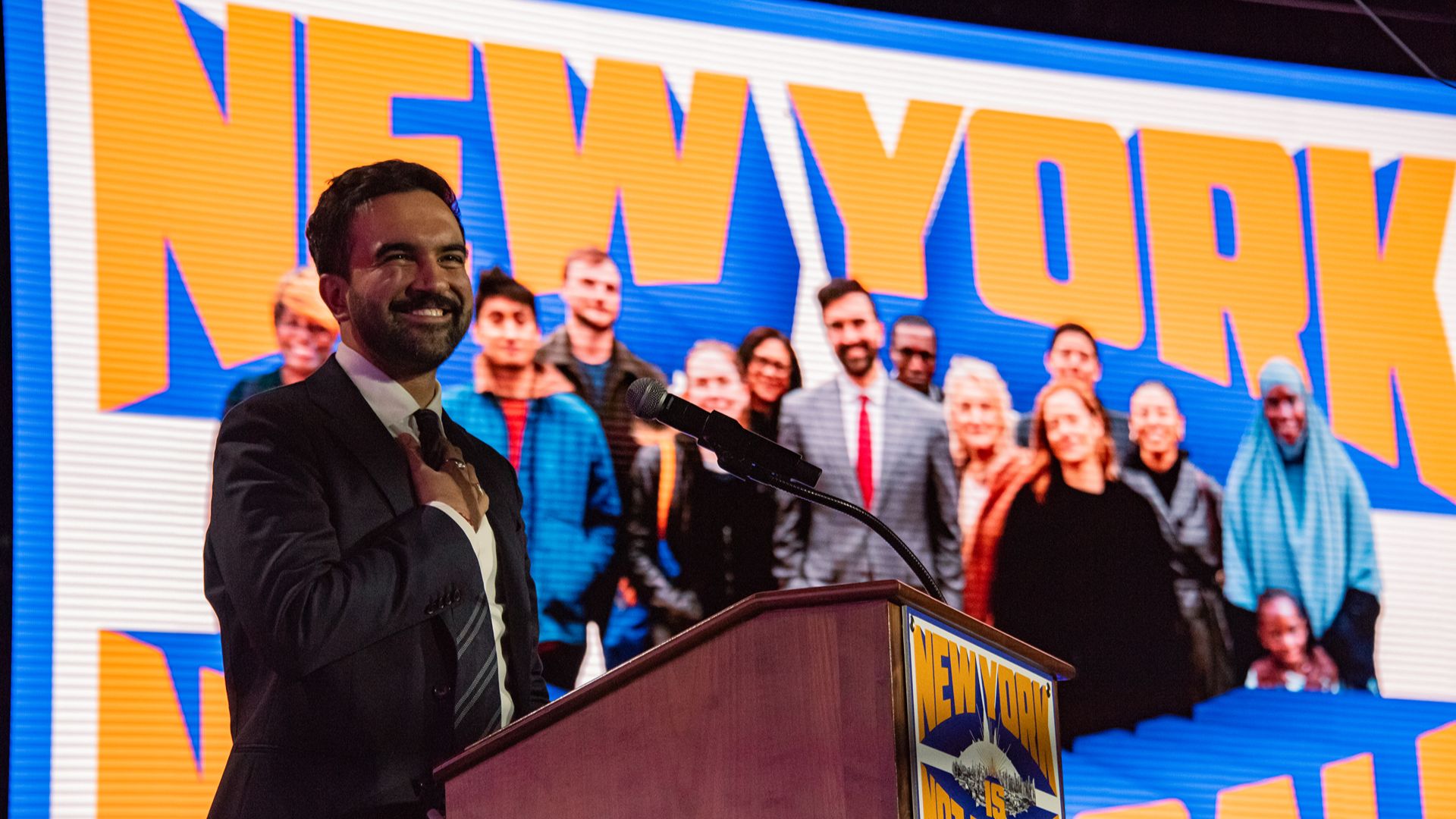
Additional legal protections would apply if Netanyahu traveled to New York to attend meetings at the United Nations headquarters in Manhattan. Under the U.N. Headquarters Agreement between the United States and the United Nations, foreign representatives traveling to official U.N. functions receive protections designed to ensure their ability to participate in diplomatic activities without interference from local authorities. Former city and state officials have also noted that the mayor of New York has no independent power to enforce an international arrest warrant against a foreign leader. New York Governor Kathy Hochul has previously indicated that matters involving international diplomacy and foreign officials remain under federal jurisdiction. Those legal realities have led many experts to conclude that, regardless of Mamdani's political position, there is no practical mechanism for New York City to detain Netanyahu during an official visit.
«Benjamin Netanyahu will not be arrested, in any way, shape, or form, while in the United States of America. He is fighting against the Islamic Republic of Iran, which recently killed 52,000 innocent protestors, and has spent the last 47 years killing American Soldiers, and others.»
-U.S. President, Donald Trump on Truth Social
The dispute nevertheless highlights the widening political divide inside the United States over the war in Gaza and Washington's relationship with Israel. Since the ICC issued its arrest warrant in November 2024, governments around the world have adopted sharply different positions on whether it should be enforced. Trump has consistently rejected the legitimacy of the court's actions against Israeli officials and has remained one of Netanyahu's strongest international supporters, particularly following the recent conflict with Iran. Mamdani, meanwhile, has argued that international law should be applied regardless of a leader's position or nationality. While the legal consensus suggests Netanyahu faces little risk of arrest during any visit to the United States, the public exchange between the president and New York City's mayor has intensified an already heated debate over the reach of international justice, diplomatic immunity and the role of American institutions in responding to ICC decisions.
Created by humans, assisted by AI.
 Joe Biden loses appeal to block release of memoir interview audio
 Trump hits Canada with 50% tariffs, accuses Ottawa of “discriminatory treatment” days after wildfire smoke threats