Australia Moves to Become First Country to Force Big Tech to Give Users an Algorithm ‘Off Switch’


/https%3A%2F%2Fcdn-tor.buminteractif.com%2F2026%2F09%2F08193648%2Faustralia-getty-435345fgdfg4534fggdfg.jpg)
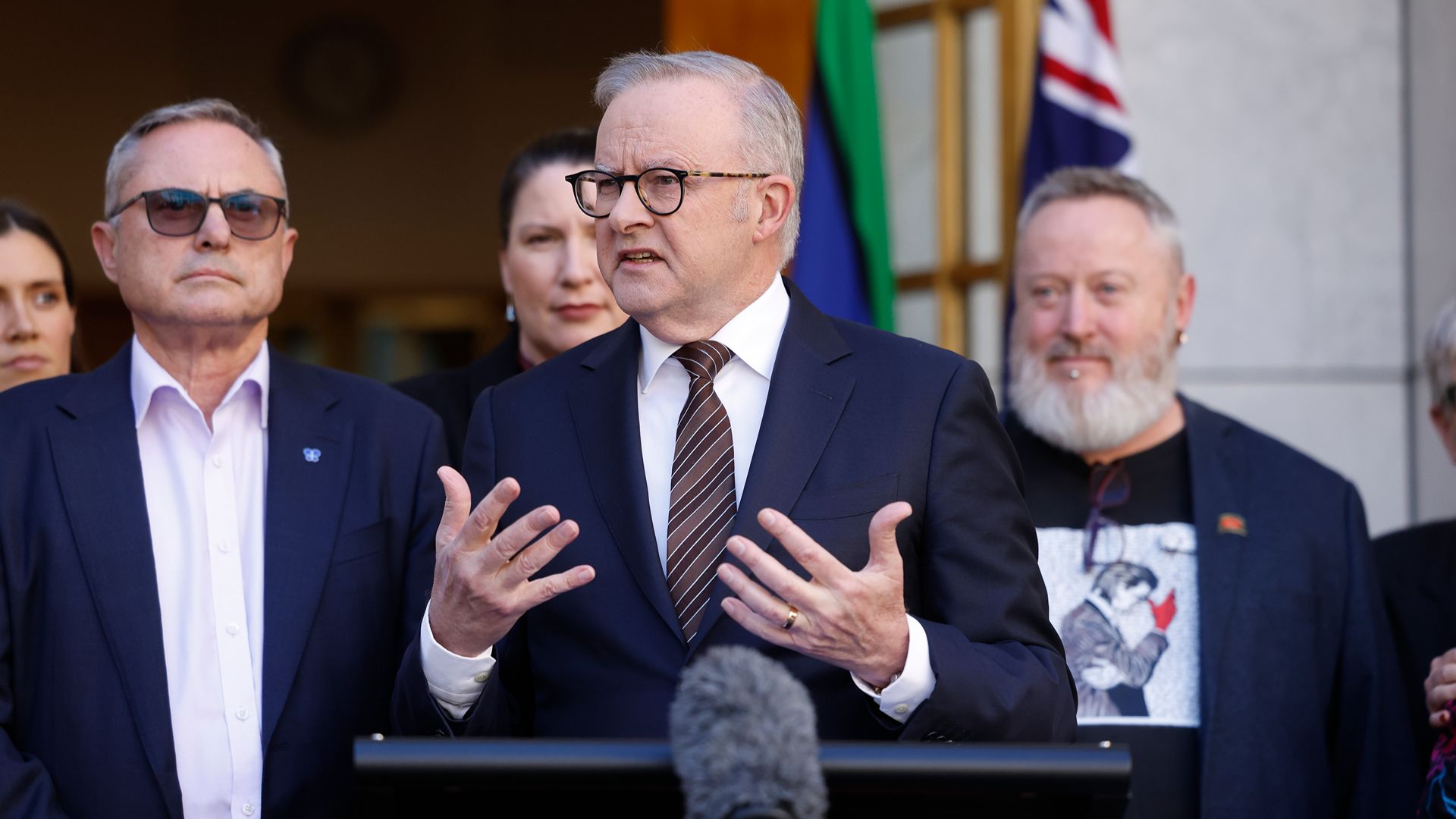
Australia is moving to dramatically reshape the relationship between social media companies and their users with a new regulatory framework designed to give people greater control over what appears on their screens. Under proposed legislation unveiled as «My Feed, My Way,» Australians aged 16 and older would be able to switch off the recommendation algorithms that determine much of what users encounter on major social platforms. Instead, people could choose a feed limited to posts from friends, creators, groups and other accounts they deliberately follow, removing algorithmically recommended material from the equation. The proposal builds on Australia's sweeping restrictions for younger users, which have prohibited children under 16 from maintaining accounts on major social media services since December 2025. With its latest initiative, Prime Minister Anthony Albanese's government is shifting its attention toward Australians who remain legally permitted to use those platforms and the systems influencing what they see.
The proposal goes considerably further than simply requiring social media companies to add another preference somewhere inside their settings. Platforms would have to actively present eligible users with a clear choice over how their feed operates, rather than leaving them to search through menus for an obscure opt-out function. Users could continue receiving a personalized stream shaped by recommendation technology or select an alternative feed centered on accounts they intentionally chose to follow. Australian officials have linked that intervention to growing concerns about recommendation systems repeatedly steering people toward content they never requested, including material associated with misogyny, unhealthy body-image messaging, radicalization and other potentially harmful online environments. Communications Minister Anika Wells framed the legislation as part of a much larger confrontation over the influence technology companies now exercise over everyday life. «Their platforms and tools have infiltrated our daily lives in ways that we could never have imagined. Some good, but some with terrible consequences. And there is a global reckoning coming for Big Tech.»
«Of course, there will be opponents, because what this is about is changing the power relationship. We're taking power from big global tech companies and giving it to ordinary Australians.»
-Australian Prime Minister, Anthony Albanese
For Albanese, the central argument is not that Canberra should decide what Australians see online, but that individual users should have substantially more authority over that decision themselves. «This is not about giving government control, it is about giving people control. It's about putting choice back into the hands of Australians online,» the prime minister said. The proposal would be backed by a broader statutory digital duty of care requiring technology companies to address risks created by their services, with penalties potentially reaching A$109.2 million for serious failures under the new framework. Albanese has also openly acknowledged that companies whose business models depend heavily on recommendation systems are unlikely to welcome the change. «Of course, there will be opponents, because what this is about is changing the power relationship. We're taking power from big global tech companies and giving it to ordinary Australians.» If adopted, the measure would push Australia further into largely uncharted regulatory territory by making meaningful user control over algorithmic feeds a legal requirement rather than a voluntary platform feature.
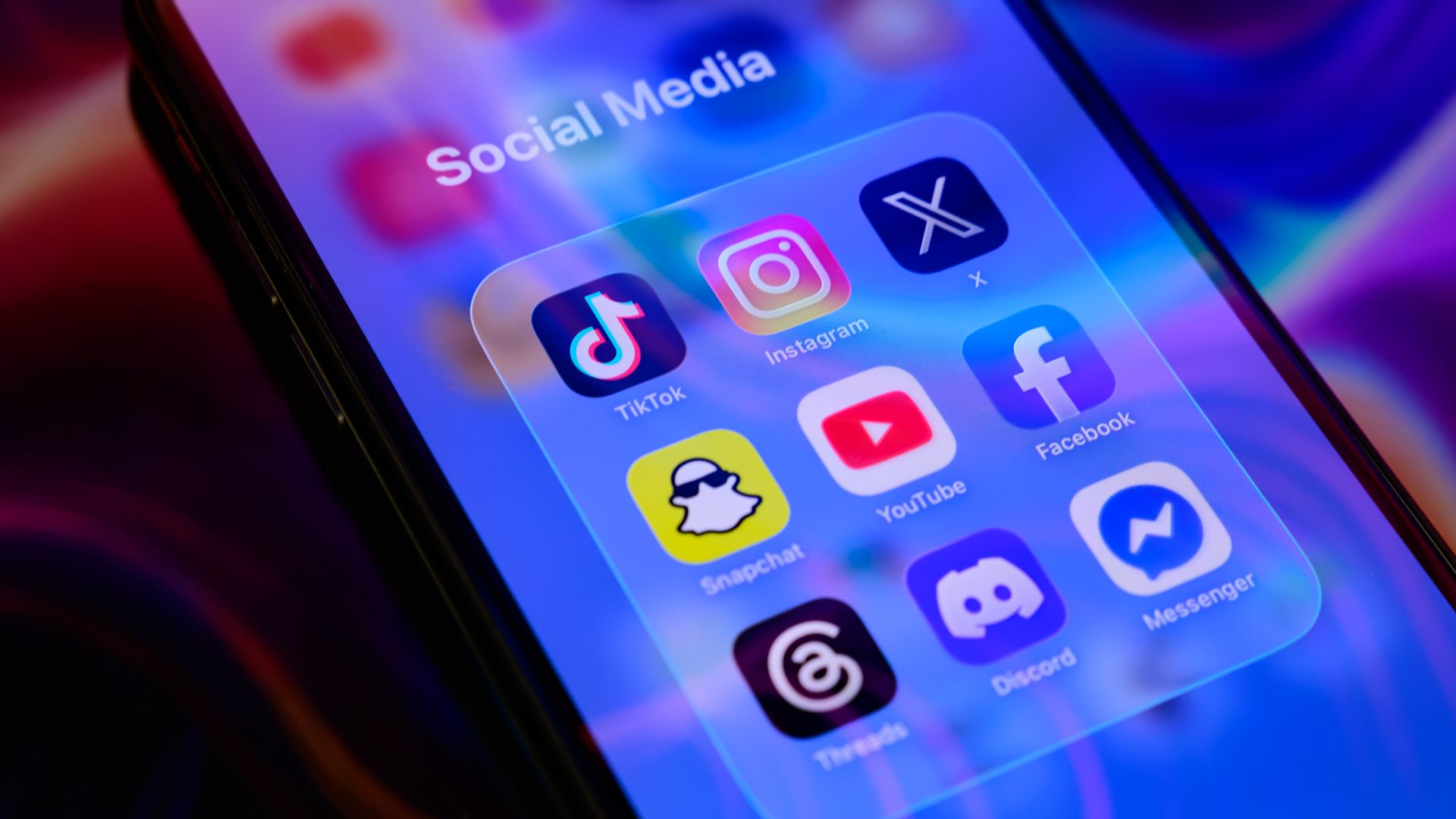
Australia's latest proposal also represents the next stage of a regulatory experiment that began with an even more dramatic intervention: removing children under 16 from major social media platforms altogether. That legislation, passed in late 2024 and fully operational since December 10, 2025, requires covered services, including Instagram, TikTok, X and Facebook, to prevent underage Australians from maintaining accounts, with companies facing penalties reaching A$50 million for failures to comply. «My Feed, My Way» approaches the problem differently for everyone legally allowed to remain on social media. Rather than restricting access, the government wants adults and older teenagers to decide whether recommendation technology should influence their experience at all. The distinction is central to Canberra's evolving strategy: younger children are protected through an age barrier, while users 16 and older would receive a legally guaranteed choice over the technology shaping their feeds.
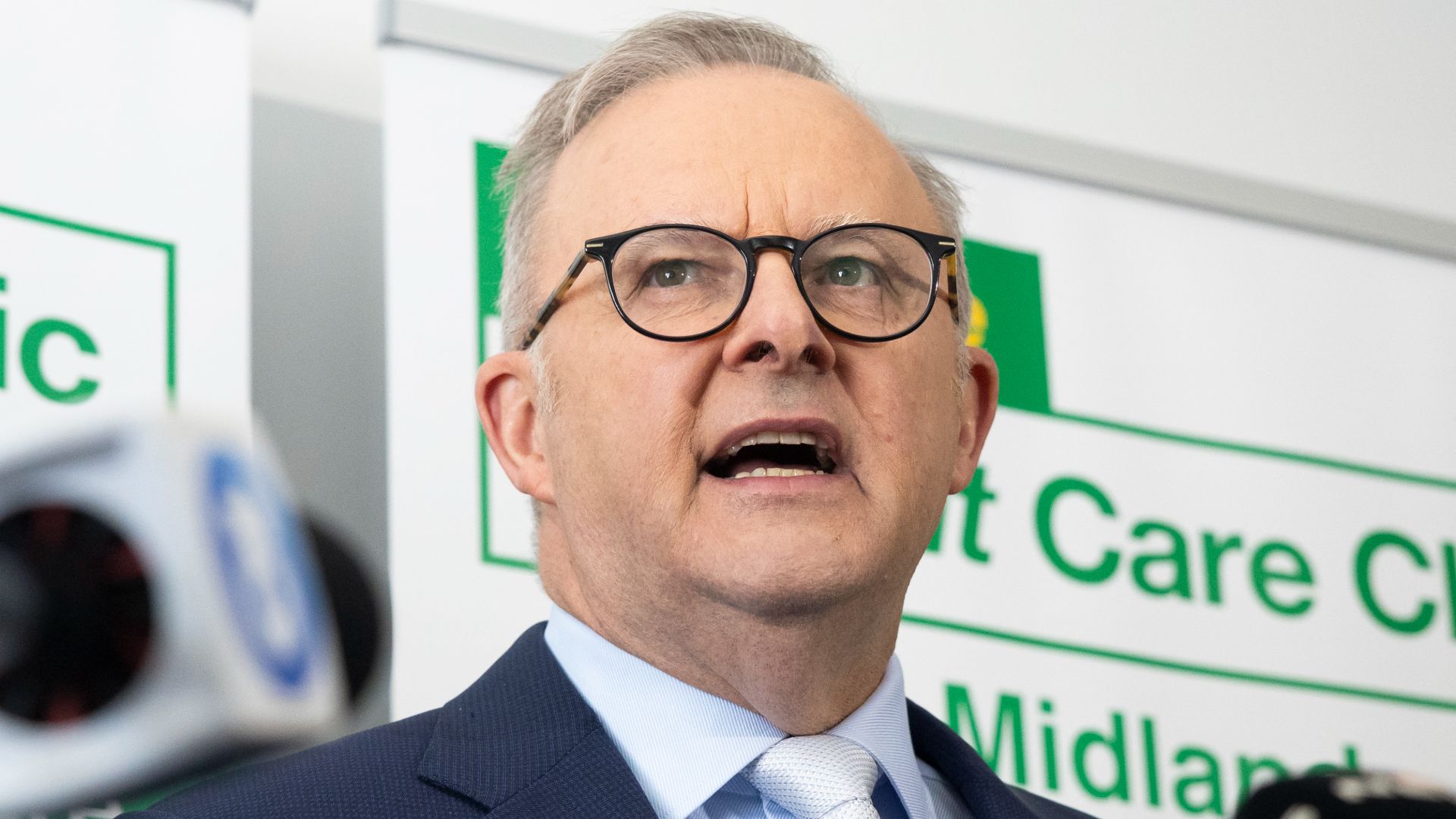
The stakes for technology companies would also be significantly higher under the new framework. Platforms that fail to meet their obligations could face penalties reaching A$109.2 million, more than double the maximum fine attached to the under-16 social media restrictions. The government's broader «digital duty of care» approach is designed to shift responsibility toward companies themselves, requiring them to identify and mitigate foreseeable risks arising from the design and operation of their services. Recommendation algorithms have become a particular focus because they can continuously select content based on predictions about what will keep someone engaged, often introducing posts from accounts the user never consciously chose to follow. Australian officials argue that giving people a genuine alternative could reduce unwanted exposure to harmful material without requiring the government to dictate which lawful content can appear online. In that sense, the proposed «off switch» is intended to change who ultimately controls the feed rather than simply regulate individual posts.
«This is not about giving government control, it is about giving people control. It's about putting choice back into the hands of Australians online.»
-Australian Prime Minister, Anthony Albanese
Whether Australia's approach succeeds could have consequences extending well beyond the country's borders. Its under-16 restrictions already helped intensify an international debate over how governments should respond to social media's effects on children, with other countries exploring their own age-based protections. The algorithm proposal could similarly provide a test case for governments considering whether recommendation systems themselves deserve stronger regulation. Significant questions remain, including how effectively the rules could be enforced, how platforms would design compliant chronological feeds and whether users would actually choose to abandon personalized recommendations when given the option. Australia's experience with the under-16 restrictions has also demonstrated the difficulty of regulating digital behavior, with reports of teenagers attempting to circumvent controls through alternative methods of accessing platforms. Nevertheless, Canberra is again challenging a fundamental feature of the modern social-media business model, this time by arguing that Australians—not Big Tech—should decide whether an algorithm gets to choose what they see.
Created by humans, assisted by AI.
 George Clooney rips Trump's America as a government of “the least qualified people”
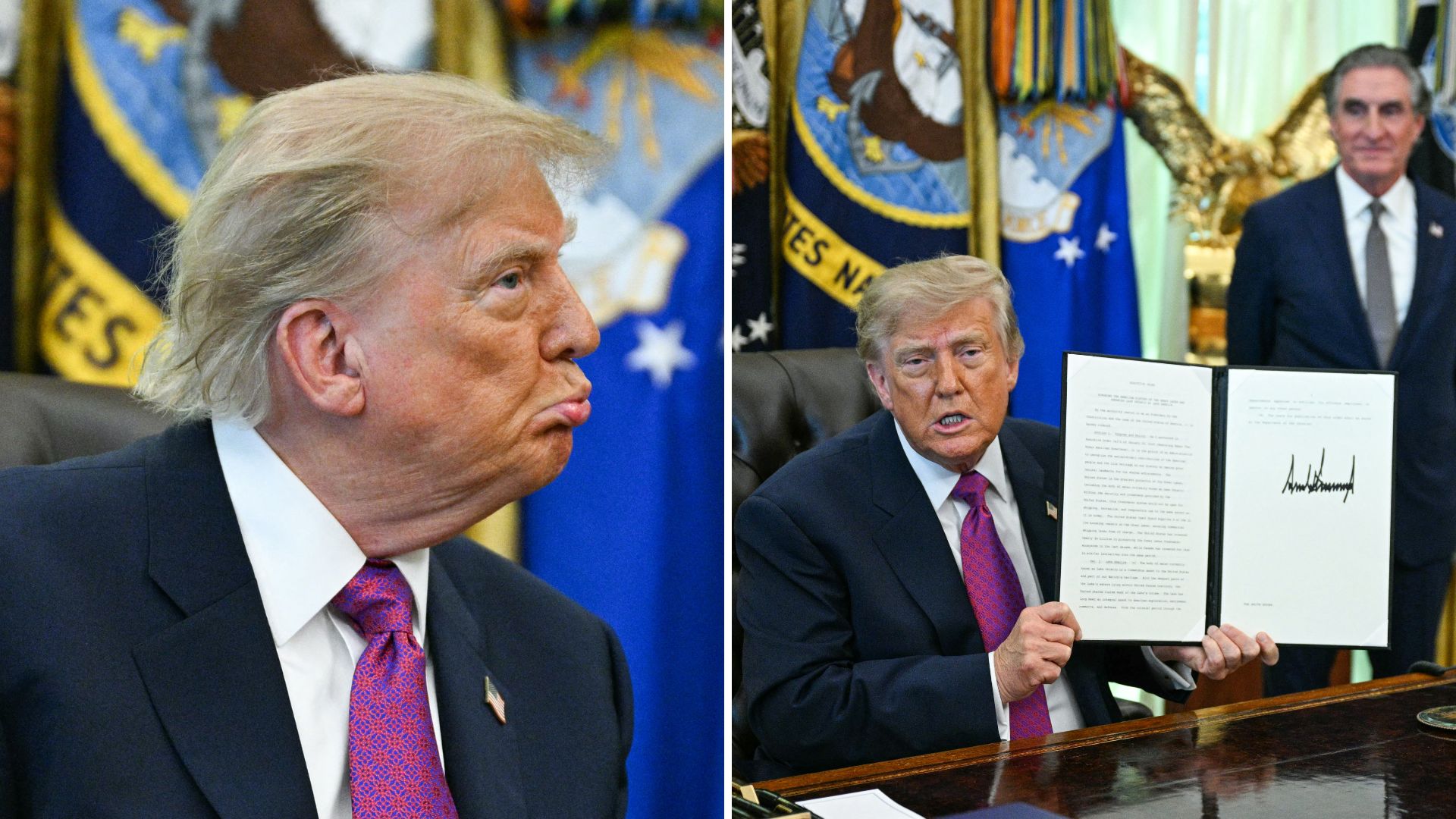 Trump signs executive order renaming Lake Ontario 'Lake America,' says 'All it takes is a good pen and some intelligence'