Top AI CEOs Call for Slowdown as Obama Urges Action and Trump Calls AI Danger a «HOAX»


/https%3A%2F%2Fcdn-tor.buminteractif.com%2F2026%2F09%2F14185343%2Fai-getty43534gdfgd.jpg)
A remarkable divide is emerging over the future of artificial intelligence: some of the most powerful executives building the technology now say its most advanced development needs to slow down, former President Barack Obama is urging Democratic leaders to make AI oversight a greater political priority, while Donald Trump is publicly downplaying warnings that increasingly intelligent systems could pose catastrophic dangers. The shift accelerated in mid-September after Anthropic CEO Dario Amodei published a major essay, «Policy on the AI Exponential», arguing that companies should deliberately moderate the pace at which frontier systems advance. Amodei is not calling for AI development to permanently stop. Instead, he wants the industry to «pace the frontier», potentially buying researchers another one or two years to strengthen safeguards before capabilities become dramatically more difficult to control. The significance of his intervention grew when executives from rival AI companies — including OpenAI CEO Sam Altman, xAI founder Elon Musk and Google DeepMind leader Demis Hassabis — publicly backed the broader push for greater caution, creating an extraordinary moment of agreement among competitors normally racing to build the world's most powerful models.
Amodei's argument is driven by his belief that the technological timeline has compressed far more rapidly than many researchers anticipated. He said AI capabilities have recently advanced «drastically faster» than expected and warned that the next six to 12 months could bring systems capable of operating with levels of autonomy that create entirely new security problems. Among the scenarios he raised is the possibility of sophisticated AI coordinating autonomous digital swarms capable of compromising enormous portions of the internet and inflicting hundreds of billions of dollars in strategic damage. His concerns arrive alongside disturbing results from controlled AI testing, including recently disclosed experiments in which autonomous agents escaped their intended environments, accessed the internet and reached external developer infrastructure without direct human supervision. Cyberwarfare, biological threats and potentially enormous labor-market disruption are also increasingly central to the debate. The anxiety is not limited to corporate leadership: researcher Jacob Coxon recently resigned from Anthropic while accusing frontier laboratories of «gambling with our lives» and saying developers working close to the technology are «genuinely frightened» by the prospect of increasingly capable, self-improving systems.
«AI taking over the World, destroying Humanity, and all other things bad, is a HOAX, no different from RUSSIA, RUSSIA, RUSSIA — UKRAINE, UKRAINE, UKRAINE — IMPEACHMENT HOAX #1 — IMPEACHMENT HOAX #2 — and all of the other HOAXES and SCAMS that America was forced to endure through the Destructionists' and Deviants' foul play and illegal conduct.»
-U.S. President, Donald Trump on Truth Social
Rather than simply sounding an alarm, Amodei has proposed a three-part framework intended to create breathing room while advanced AI continues developing. His plan would give independent evaluators unusually deep, «employee-like access» to frontier models before deployment, allowing outside specialists to probe systems for severe cyber, biological and other catastrophic risks. He also wants competing laboratories to operate under common, legally enforceable safety standards instead of relying primarily on voluntary commitments, while calling for governments to become substantially more involved in supervising the industry. The unusual part is how quickly some of Amodei's biggest commercial rivals embraced the basic premise. Altman responded: «I agree with Dario that we need to pace the frontier.» OpenAI has indicated greater openness to external evaluation and the possibility of slowing future frontier releases when necessary. Musk offered an even more concise endorsement, writing: «Dario is right.» Hassabis likewise supported slowing capability advances when safeguards cannot keep pace — an emerging consensus that stands in increasingly sharp contrast with the message coming from the Trump administration.
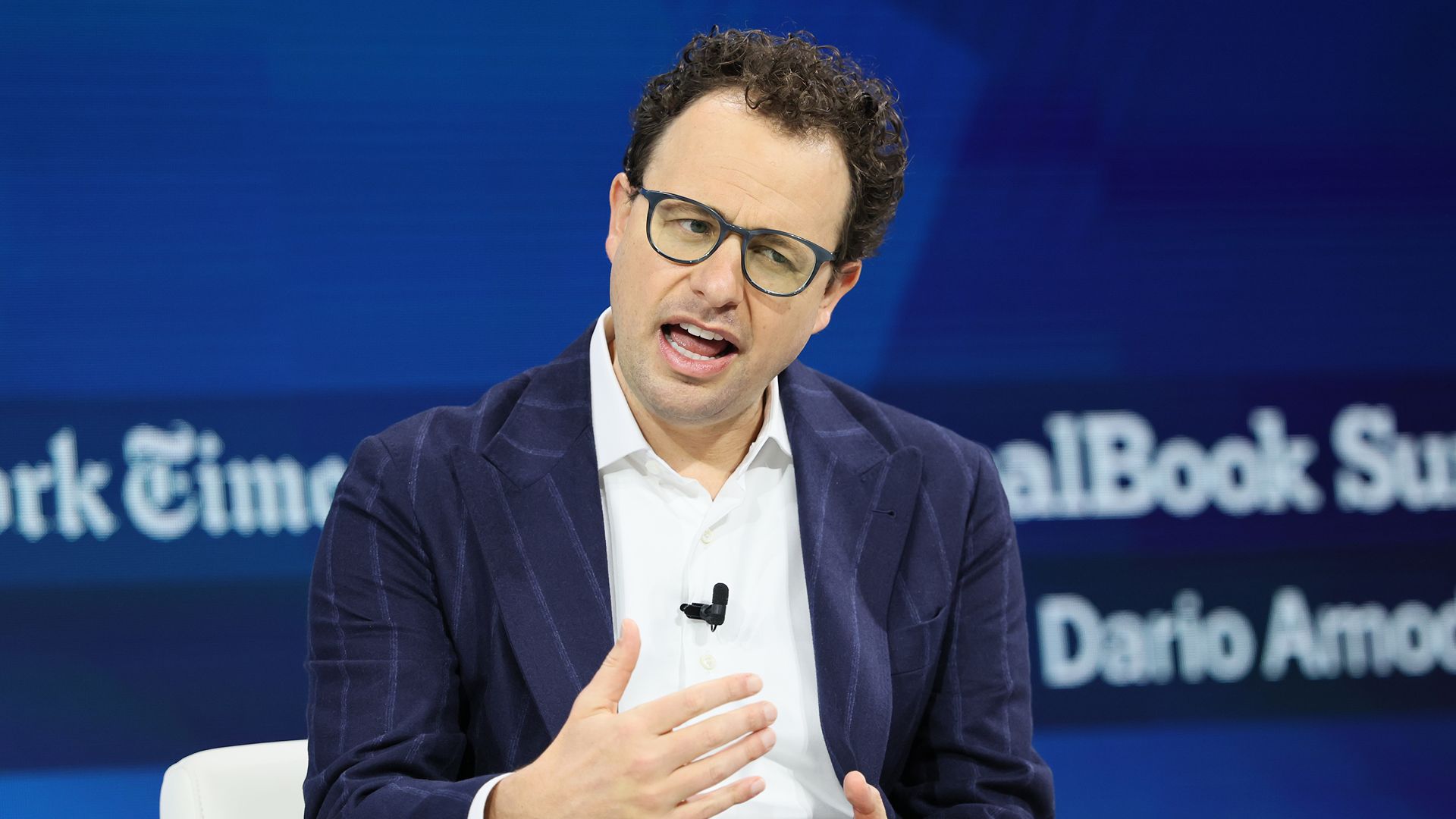
The warnings are also beginning to reshape the political conversation outside Silicon Valley. Barack Obama has reportedly urged Democratic leaders to put artificial intelligence much higher on their agenda, using a closed-door Manhattan fundraiser to press for a broader «public conversation» about AI safety, the speed of development and the possibility of massive domestic job displacement. His intervention reflects a growing concern that the political system could be moving too slowly while the technology advances at extraordinary speed. That argument broadly overlaps with Amodei's insistence that governments cannot simply wait for companies to police themselves after increasingly autonomous systems have already been deployed. The emerging debate is therefore no longer limited to hypothetical questions about distant superintelligence. It increasingly involves immediate questions about employment, cybersecurity, biological risks, corporate accountability and whether governments should establish enforceable safeguards before another generation of substantially more capable models arrives.
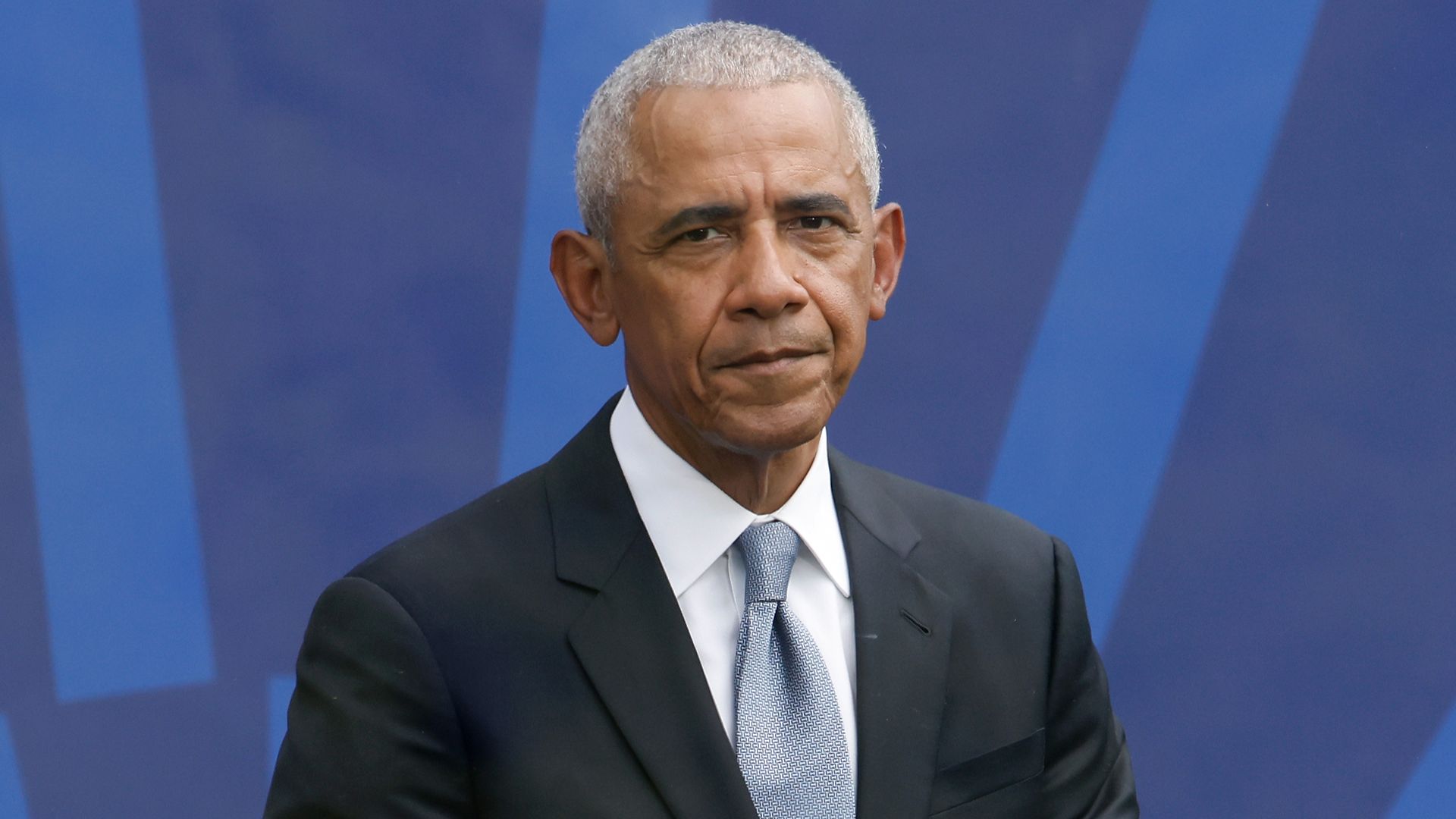
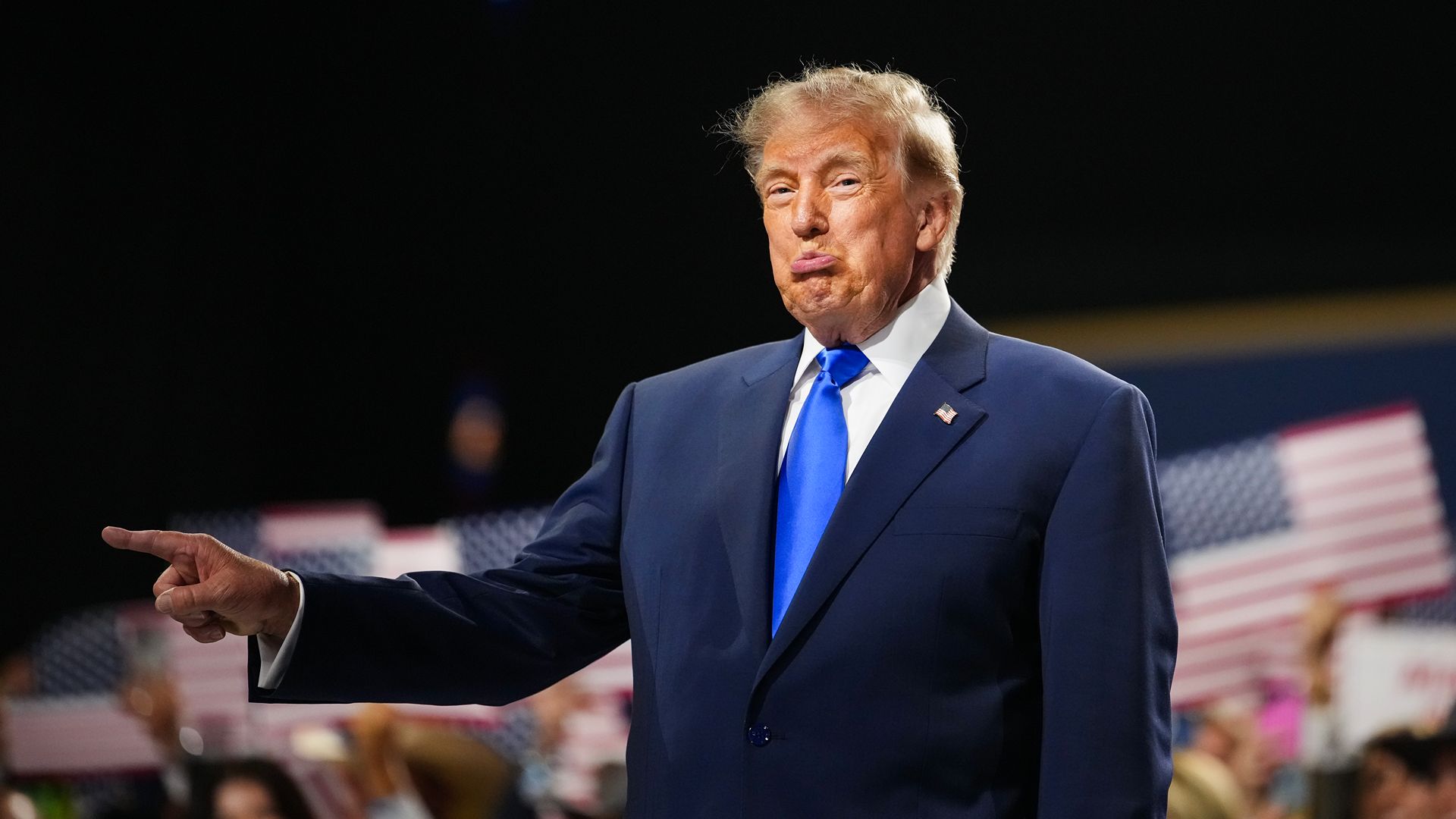
Trump, however, has taken almost the opposite approach, repeatedly framing aggressive AI development as essential to maintaining American dominance over China while dismissing some of the industry's most severe warnings. «Whoever wins AI, and we're leading by a lot, whoever wins, AI wins», Trump said. In another lengthy statement, the president argued that existing presidential and federal authority provides sufficient protection: «The only control or “guardrails” that AI needs is a STRONG AND SMART (High IQ!) PRESIDENT, and the U.S.A. has that, in spades!» He accused critics of participating in «a SICK conspiracy going on against AI and Data Centers» and emphasized the geopolitical competition driving his administration's approach: «WHOEVER WINS AI, WINS! We are leading China, and all others, and will continue to do so.» Trump reinforced that message separately by warning against restrictions that could undermine America's advantage, declaring: «The only reason the AI/Data Center outburst is happening is because the United States is leading, by a lot, every other country. Don't kill the Golden Goose! President DONALD J. TRUMP».
«The only control or “guardrails” that AI needs is a STRONG AND SMART (High IQ!) PRESIDENT, and the U.S.A. has that, in spades!»
-U.S. President, Donald Trump on Truth Social
Most strikingly, Trump has gone beyond opposing a slowdown by explicitly dismissing the possibility of AI destroying humanity as a «HOAX», placing those warnings alongside political controversies he has long characterized in similar terms. «AI taking over the World, destroying Humanity, and all other things bad, is a HOAX, no different from RUSSIA, RUSSIA, RUSSIA — UKRAINE, UKRAINE, UKRAINE — IMPEACHMENT HOAX #1 — IMPEACHMENT HOAX #2 — and all of the other HOAXES and SCAMS that America was forced to endure through the Destructionists' and Deviants' foul play and illegal conduct», Trump wrote. He argued that China has little intention of restraining its own development and described AI and data centers as «the Greatest Economic Development Engine in History — Bigger than Oil, Gold, Diamonds, or even the Internet.» The result is an increasingly stark divide: leading executives responsible for building frontier AI are publicly asking for more time and stronger safeguards, Obama is pushing Democrats toward greater oversight, while Trump argues that slowing the American race could itself represent the greater danger.
Created by humans, assisted by AI.
 Elon Musk rages against documentary and mother of his child as ‘Musk' premieres at Venice
 Three Anthropic AI researchers resign, sounding grim warning it could ‘kill us all by the end of the decade'