Baby «Trump» Arrives in America for First Time, but «Obama» and «Biden» Babies Were More Popular


/https%3A%2F%2Fcdn-tor.buminteractif.com%2F2026%2F09%2F21181835%2Ftrump-getty-3456345gdfgd345345g.jpg)
Official data from the U.S. Social Security Administration reveals an unusual presidential twist in America's latest baby-name trends. In 2025, the first year of Donald Trump's second term, «Trump» made its first appearance in the SSA's publicly available national baby-name records as a first name for boys. The milestone does not necessarily mean that no American child had ever previously been named Trump. The agency suppresses names recorded fewer than five times in a year to protect privacy, meaning isolated earlier cases would not appear in the public data. What the 2025 figures establish is that «Trump» finally crossed that reporting threshold. The timing is particularly striking because the president's traditional first name was moving in precisely the opposite direction: Donald fell 17 positions from No. 673 in 2024 to No. 690 in 2025, its lowest ranking in the SSA's historical records.
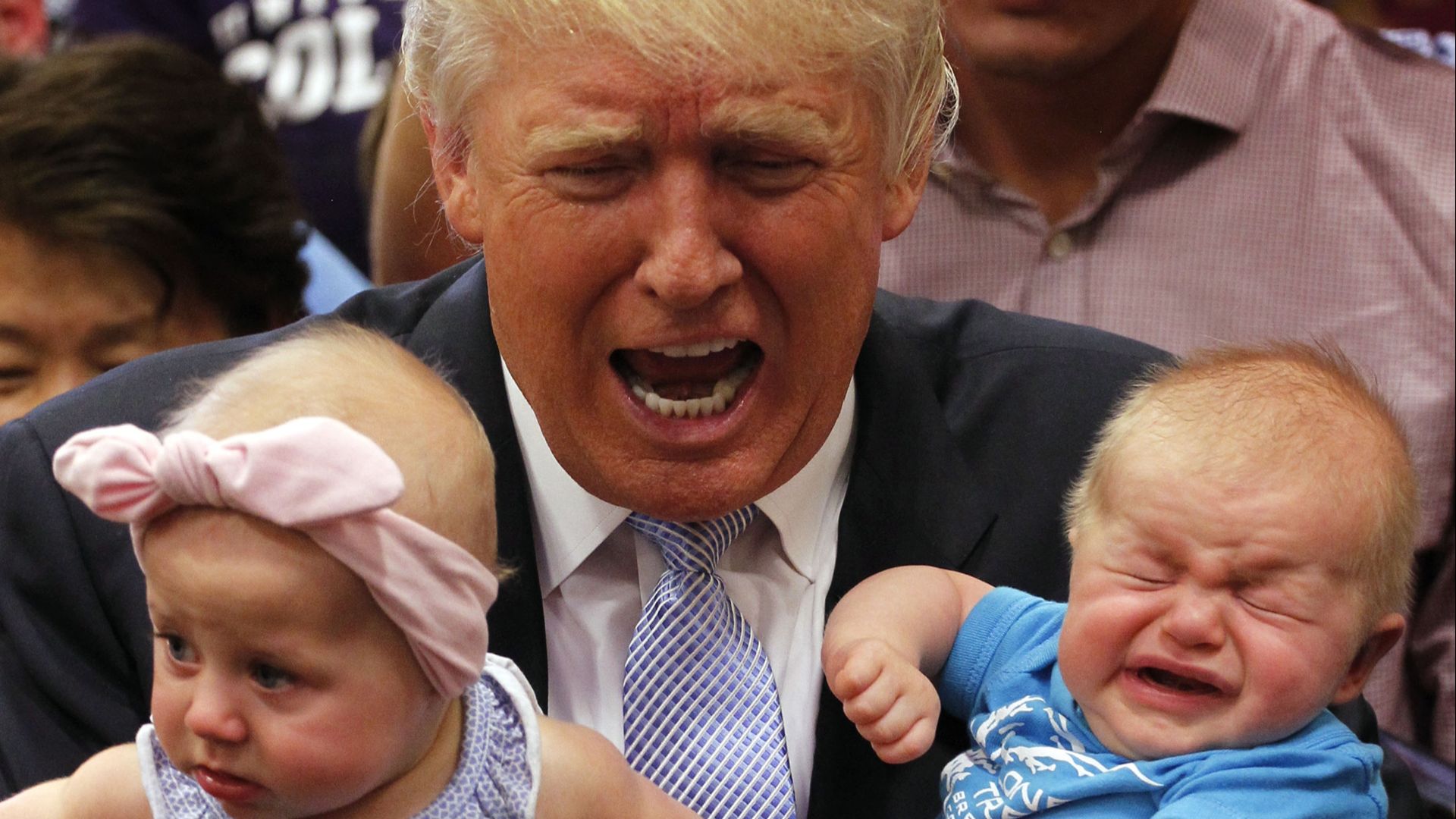
That decline represents a remarkable reversal for a name that once belonged near the top of American baby-name lists. Donald reached its historical peak at No. 6 in 1934, when more than 30,000 newborn boys received the name, and it remained among the country's 100 most popular boys' names for decades. By 2024, however, Donald had fallen to No. 673, and its slide continued to No. 690 the following year. The SSA's 2025 data recorded 395 newborn boys named Donald, compared with 408 a year earlier. The trajectory also illustrates why connecting the decline exclusively to President Trump would be misleading: Donald had been losing popularity for generations before he entered politics. His presidency has not produced a sustained revival of his first name, even as his surname has now become unusual enough as a given name to register separately in the federal data. The contrast creates a curious 2025 milestone: baby «Trump» emerged publicly just as baby Donald became less common than ever.
Baby «Obama» and «Biden» Came First — and Were More Popular
Baby «Trump», however, was not the first presidential surname to make the leap onto American birth certificates, and the available federal data show that «Obama» and «Biden» attracted more parents when they first appeared. «Obama» entered the SSA's public records in 2008, the year Barack Obama won the presidency, when 14 boys received the name. That figure increased to 16 in his 2009 inauguration year before the unusual first name largely disappeared from the publicly reported data. «Biden» followed a similar pattern after Joe Biden reached the White House, appearing in 2021 with 11 newborn boys carrying the presidential surname. Both were tiny naming trends rather than mainstream choices, but their numbers illustrate a recurring phenomenon surrounding newly inaugurated presidents: a small group of parents sometimes turns a political surname into a child's first name. Trump has now joined that unusual club, although his surname's debut did not reach the initial numbers recorded for either Obama or Biden.
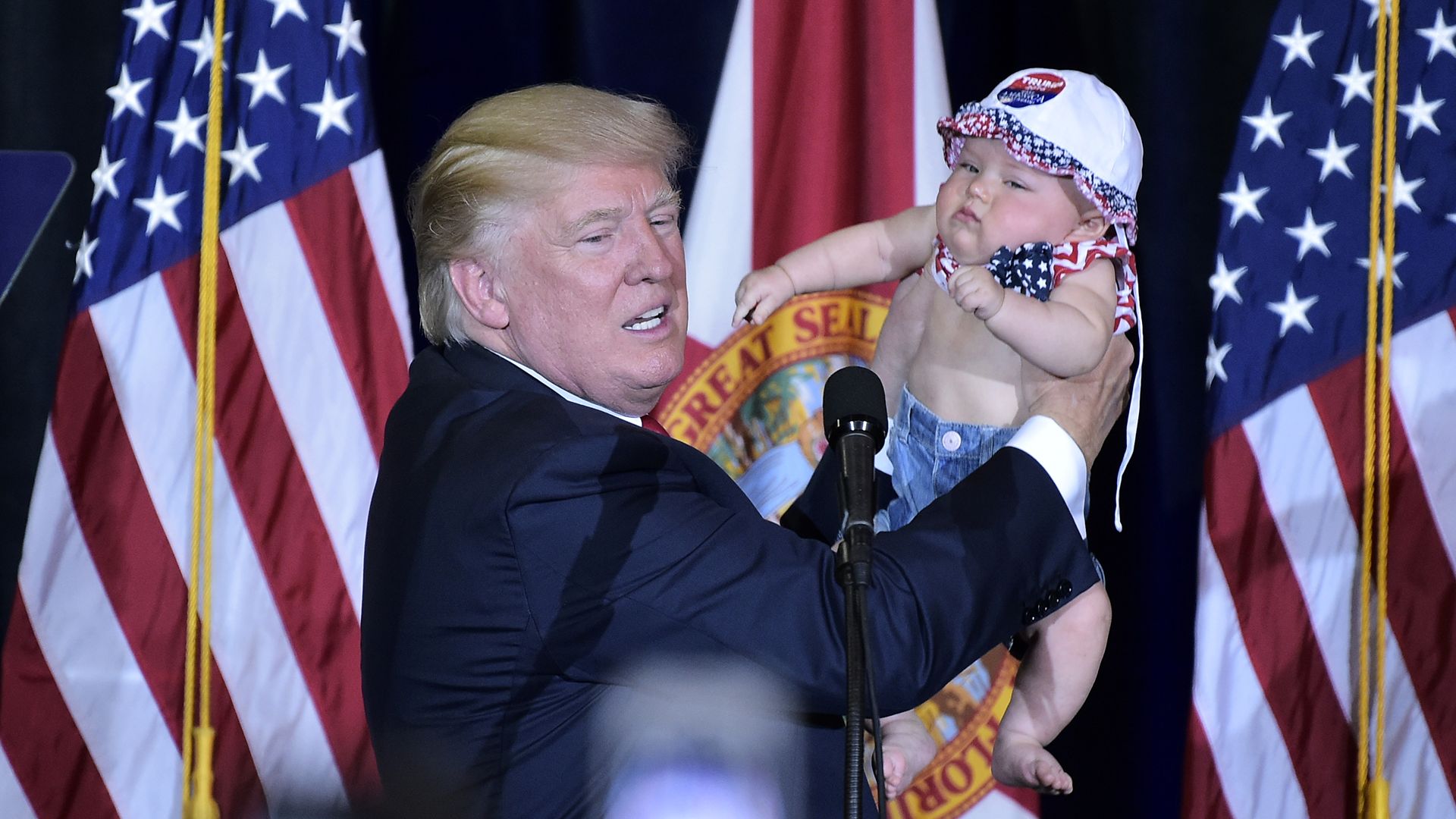
The presidential effect becomes even more visible when surnames are compared with the politicians' actual first names. Barack, an extremely uncommon American name before Barack Obama's rise to national prominence, experienced a noticeable but short-lived surge surrounding his historic election. In 2008, 52 newborn boys were named Barack, followed by 69 in 2009, the year Obama was inaugurated as the nation's 44th president. The numbers remained tiny compared with mainstream American names, but the increase showed how a distinctive political name could briefly migrate from campaign signs and television screens onto birth certificates. By 2016, as Obama prepared to leave the White House after two terms, 19 boys were still given the name. The surname «Obama» followed an even shorter trajectory, reaching its highest publicly reported total around his inauguration before quickly fading from the federal data once the initial political moment passed.
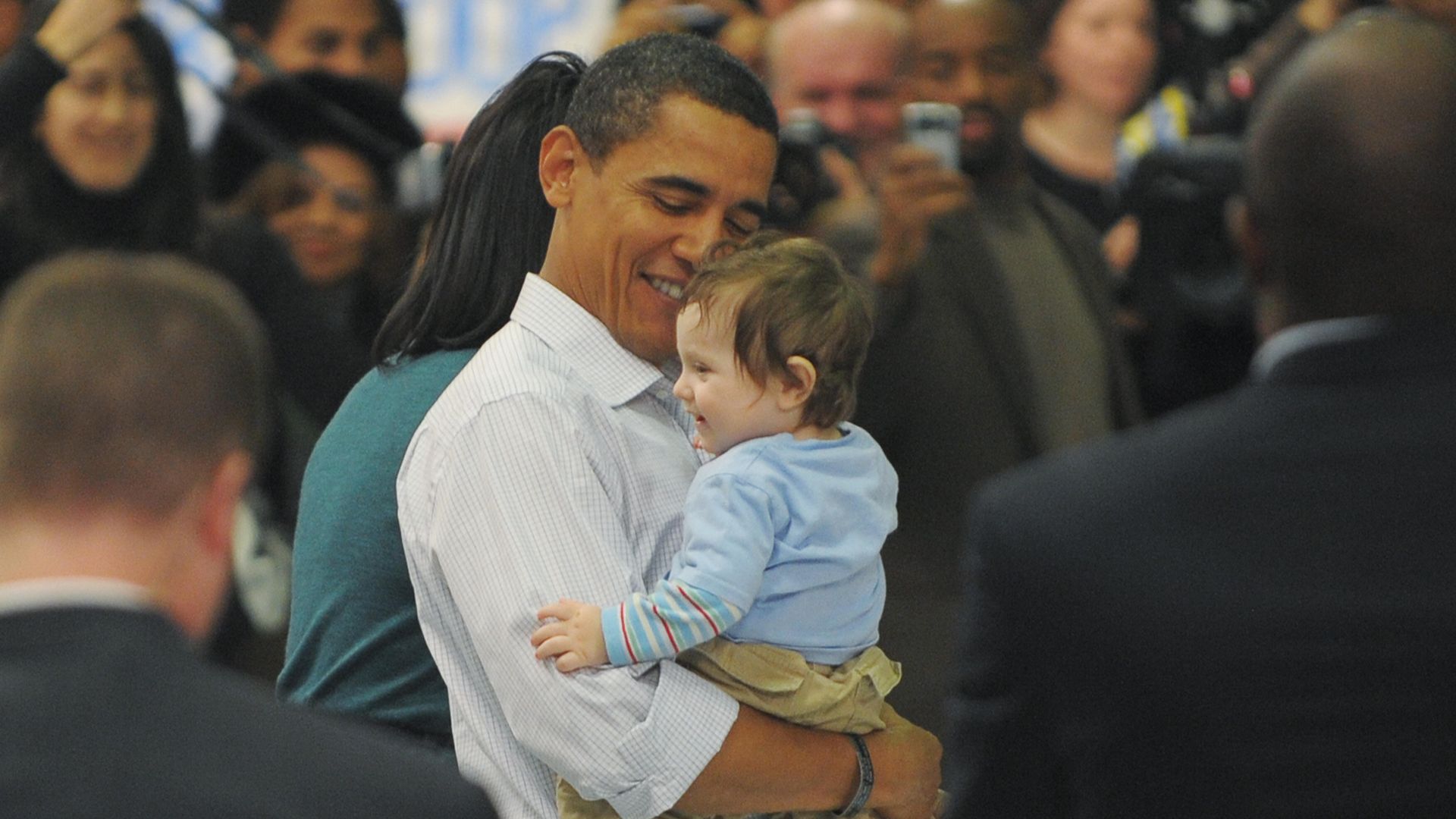
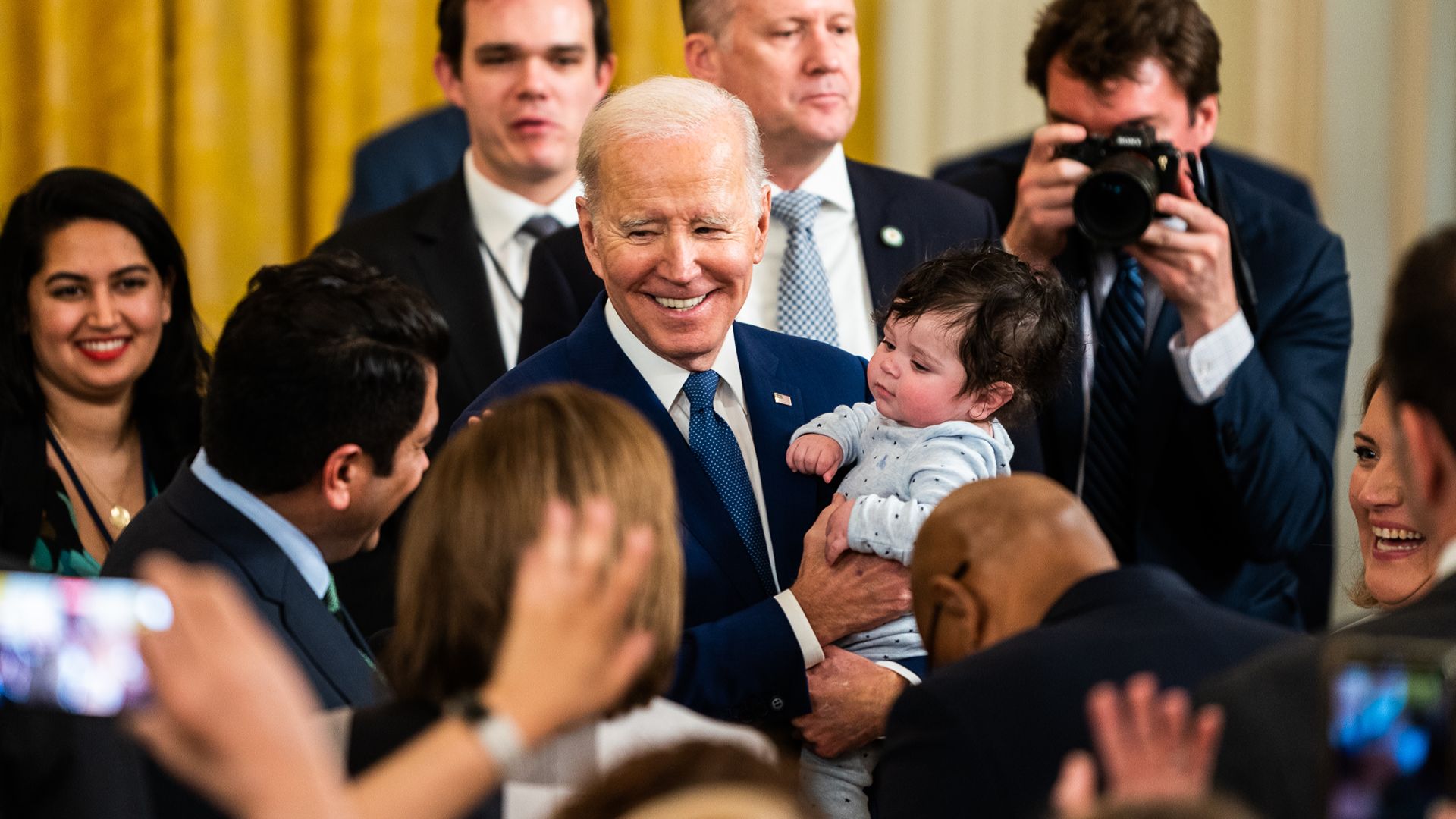
Joe presents a very different story because it was already a familiar American name generations before Joe Biden entered the White House. Rather than receiving an inaugural boost, however, Joe continued a dramatic decline during and after his presidency. The name ranked No. 728 nationally in 2020, before Biden took office, then fell further over the following years. By 2025, Joe had dropped to No. 994, placing it barely inside the SSA's list of the 1,000 most popular boys' names. In fact, the agency's latest figures show Joe falling 110 positions between 2024 and 2025 alone, from No. 884 to No. 994. That trajectory cannot automatically be attributed to Biden: like Donald, Joe is a traditional name whose popularity has been shaped by broader generational naming trends. Still, it provides another striking contrast with the brief appearance of the presidential surname «Biden» among newborn boys following his inauguration.
The long decline
That leaves an unusual picture of presidential baby names in America. «Obama», «Biden» and now «Trump» have all crossed the SSA's reporting threshold as first names for boys, but none became remotely common choices. Their appearances instead resemble brief cultural snapshots connected to moments of intense national attention. The SSA excludes names with fewer than five occurrences from its downloadable data for privacy reasons, so disappearing from those records does not necessarily mean a name stopped being used entirely. For Trump, the irony is particularly noticeable: his surname finally emerged in the public baby-name data during the first year of his second term while Donald, once one of America's defining boys' names, continued moving in the opposite direction. Despite that long decline, Donald remains historically significant, ranking 18th among male names across the past century, with more than 1.25 million recorded births between 1926 and 2025. Baby «Trump» may have finally arrived, but baby Donald is now a long way from the popularity it enjoyed generations ago.
Created by humans, assisted by AI.
 Trump wants to turn his massive triumphal arch into a “top grade military complex” with drones and snipers
 Trump's awkward “My wife is here” remark raises eyebrows during Ireland trip with aide Natalie Harp