

/https%3A%2F%2Fcdn-tor.buminteractif.com%2F2026%2F08%2F25192544%2Fnfl-getty-3453dfgdfas.jpg)
A landmark study published in The BMJ has established a striking baseline prevalence of chronic traumatic encephalopathy among deceased former NFL players, estimating that at least 24.5% of those who died between 2016 and 2021 had confirmed CTE. The researchers designed the analysis to address a longstanding problem in brain-bank studies: selection bias. Families who witnessed neurological or behavioral problems may be more likely to donate a relative's brain, potentially inflating apparent prevalence. By comparing confirmed diagnoses with the total number of former NFL players known to have died during the period, the study created a deliberately conservative floor. Even under that strict approach, roughly one in four deceased former players had confirmed disease, and researchers cautioned that the true prevalence could be substantially higher.
The study identified 878 former NFL players who died between 2016 and 2021. Of those, 235 had their brains examined after death, and 215 were diagnosed with CTE. Those 215 confirmed cases alone represented 24.5% of the entire group, despite the fact that most players' brains were never studied. Researchers effectively treated every unexamined player as though he did not have CTE when calculating the lower boundary, making the 24.5% figure a minimum rather than an exact prevalence estimate. The theoretical range extended far higher, underscoring how much uncertainty remains because CTE can still only be definitively diagnosed after death. The study therefore does not show that one-quarter of all current and former NFL players have CTE, but it does establish that confirmed cases accounted for nearly one-quarter of all identified former players who died during the six-year period.
A wake-up call for the NFL
The findings have intensified calls from former players, researchers and families for greater attention to the long-term consequences of repetitive head impacts. Chris Nowinski, a former college football player and co-founder of the Concussion Legacy Foundation who co-authored the study, described the 1-in-4 figure as a «wake-up call for the NFL and scientific communities.» Advocates are also emphasizing the urgency of reaching the roughly 20,000 living former NFL players, many of whom may be experiencing depression, anxiety, sleep disorders, cognitive problems or other conditions that can be treated even though CTE itself cannot yet be diagnosed definitively during life. Former Pro Bowl quarterback Matt Hasselbeck has also joined research initiatives aimed at improving scientists' ability to identify and eventually diagnose CTE in living former players, reflecting a broader push to move beyond post-mortem detection and toward earlier recognition of neurological risk.
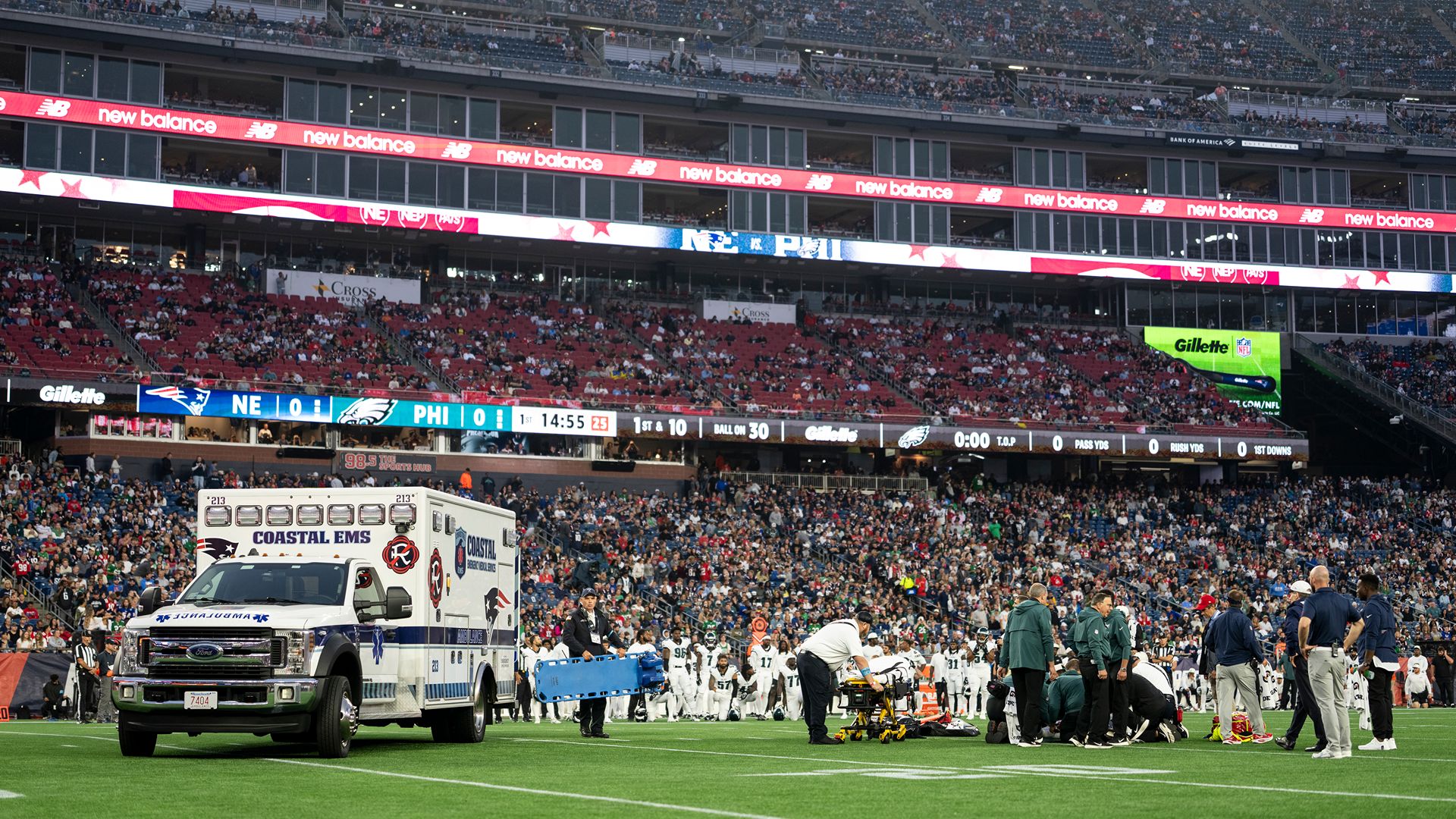
The statistics behind the new study also give added weight to years of testimony from families who say they watched former NFL players undergo profound personality and cognitive changes before their deaths. Liz Cross, the widow of former NFL cornerback and longtime CBS analyst Irv Cross, has spoken publicly about the depression, mood swings and social withdrawal he experienced before he was posthumously diagnosed with stage IV CTE. Other families have described similarly painful patterns involving paranoia, delusions, memory problems and emotional instability that transformed everyday life long before a diagnosis was possible. Those accounts underline one of the central difficulties surrounding CTE: families can observe serious deterioration for years, yet confirmation still requires an examination of brain tissue after death. For relatives, a post-mortem diagnosis can provide an explanation for what happened, but it does not undo the years of uncertainty or the strain experienced while the player was still alive.
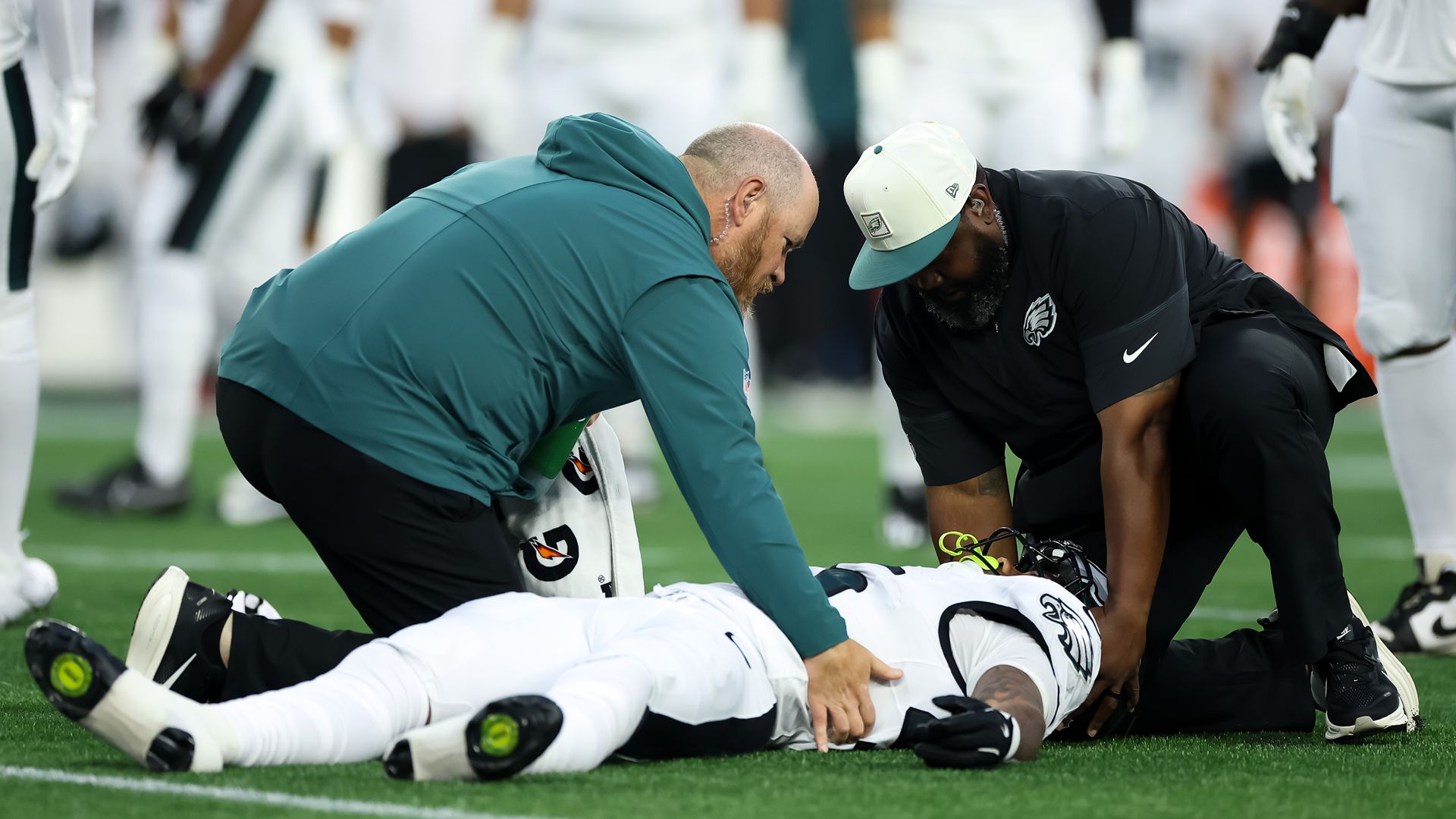
The growing body of research has also remained closely connected to longstanding legal and financial disputes over how the NFL should address neurological damage among former players. More than 4,500 retired players or their families previously joined litigation against the league over concussion-related injuries, ultimately producing a settlement expected to distribute more than $1 billion to qualifying former players. The compensation system focuses heavily on conditions such as diagnosed dementia and amyotrophic lateral sclerosis, while post-mortem CTE itself generally does not automatically qualify for payment except under specific historical provisions. That distinction has remained controversial among some former players and families who argue that the consequences of repetitive head impacts can be severe even when they do not fit neatly into existing compensation categories. The BMJ findings are likely to intensify that discussion because researchers have now demonstrated that confirmed CTE cases alone represented nearly one-quarter of all former NFL players who died during the study's key six-year period.
A troubling new measure
The study nevertheless stops well short of concluding that one-quarter of everyone who has played in the NFL has CTE. Its population consisted specifically of deceased former players, and only a portion of those individuals underwent post-mortem brain examination. Researchers also emphasized that the work was retrospective and observational, meaning it cannot establish that professional football directly caused every neurological or psychiatric condition documented among the players. Its central contribution is instead the establishment of a conservative minimum prevalence that accounts for the wider population of deceased former NFL players rather than relying exclusively on brain-bank samples. Even when every player whose brain was unavailable was assumed to be CTE-free, confirmed diagnoses still accounted for 24.5% of deaths between 2016 and 2021. For researchers, former players and families who have spent years warning about repetitive head trauma, that mathematical floor provides a troubling new measure of the potential neurological burden associated with professional football.
Created by humans, assisted by AI.
 Former NBA player Enes Kanter Freedom escorted out of WNBA Sky-Fever game after courtside clash in latest transgender athlete controversy
 The US demands Canada refused to accept in the failed trade deal