

/https%3A%2F%2Fcdn-tor.buminteractif.com%2F2026%2F08%2F26163750%2Fbille-gates-ai-getty-45345dfgdfgd34234234.jpg)
In one of his first major public appearances since renewed controversy surrounding his past friendship with Jeffrey Epstein, billionaire Microsoft co-founder Bill Gates is turning his attention to another issue he believes demands urgent scrutiny: artificial intelligence. In an interview with The New York Times, Gates delivered a stark assessment of the rapidly accelerating AI race, warning that the technology could create profound dangers for society while accusing major technology companies of failing to communicate the seriousness of those risks. Rather than treating the potential consequences as distant or theoretical, Gates argued that some threats are already becoming immediate. He believes governments must become far more involved in overseeing the technology as companies compete to develop increasingly powerful systems.
Gates reserved some of his strongest criticism for the technology industry itself, arguing that executives and researchers with the deepest understanding of advanced AI are far more concerned privately than their public messaging might indicate. «In private, people who understand how good this stuff is, and how much better it's getting, they're very worried,» Gates said. In his view, the discrepancy is closely connected to the extraordinary financial stakes surrounding the AI boom. Companies are spending and raising enormous sums to build infrastructure, train increasingly sophisticated models and compete for technological dominance. Gates suggested that openly emphasizing catastrophic possibilities could threaten that momentum, describing what he believes industry figures are effectively telling one another: «They're now saying to each other: ‘Hey, man, don't say that. It's bad for us — the next trillion dollars we're trying to raise.»
«They're just full speed ahead and hoping that the good outweighs the bad.»
-Microsoft co-founder, Bill Gates
Gates is particularly skeptical of the argument that artificial intelligence will follow the familiar pattern of previous technological revolutions, eliminating some occupations while eventually creating enough new ones to replace them. He believes AI represents something «utterly, absolutely, completely, totally different» because its capabilities could spread across nearly every sector at roughly the same time, potentially leaving displaced workers with fewer places to go. Gates acknowledged the magnitude of that prediction, calling it «a hell of a claim, and I'm staking everything I know — everything — saying, ‘Are you kidding?'» Rather than accepting widespread displacement as unavoidable, he has proposed interventions including a «token tax» on AI usage that could discourage companies from replacing workers purely to reduce costs and help finance assistance for people whose jobs disappear. He has also suggested creating a «Human Reserved» category protecting certain occupations, particularly those centered on personal care and human interaction.
The employment consequences, however, are not the most extreme danger Gates sees emerging from increasingly capable AI. He is also worried that advanced systems could eventually make it easier for a very small number of people to develop dangerous new pathogens, potentially lowering barriers that currently prevent individuals from creating sophisticated biological threats. Gates believes capabilities of that magnitude cannot safely be left entirely to voluntary safeguards established by the companies developing the technology. He supports international cooperation and mandatory evaluations of advanced systems capable of assisting with the creation of new molecules, particularly when those capabilities could potentially be weaponized. His rejection of an industry-led approach was emphatic: «Self-regulation on the most dangerous tool ever invented? No, thanks!» Gates said he remains in a «state of shock» over what he considers an insufficient sense of urgency surrounding these risks, reinforcing his argument that governments must become much more directly involved before the technology advances further.
Gates now intends to make AI safety a major subject in his conversations with political leaders around the world, placing the issue alongside the global health challenges that have dominated much of his philanthropic work since leaving Microsoft's day-to-day operations. The position represents a striking turn for someone whose career was built around promoting the transformative potential of computing and technological innovation. Gates is not arguing that AI offers no benefits, but he believes the possibility of widespread unemployment, dangerous biological applications and increasingly powerful systems requires society to confront the downside of innovation much more aggressively. «I don't like bringing bad news to people, and I don't like saying that innovation may be a net negative,» Gates said. «But that's where we are.» For Gates, the central problem is no longer whether AI will transform society, but whether governments can respond quickly enough while an industry with enormous financial incentives continues racing ahead.
«In private, people who understand how good this stuff is, and how much better it's getting, they're very worried.»
-Microsoft co-founder, Bill Gates
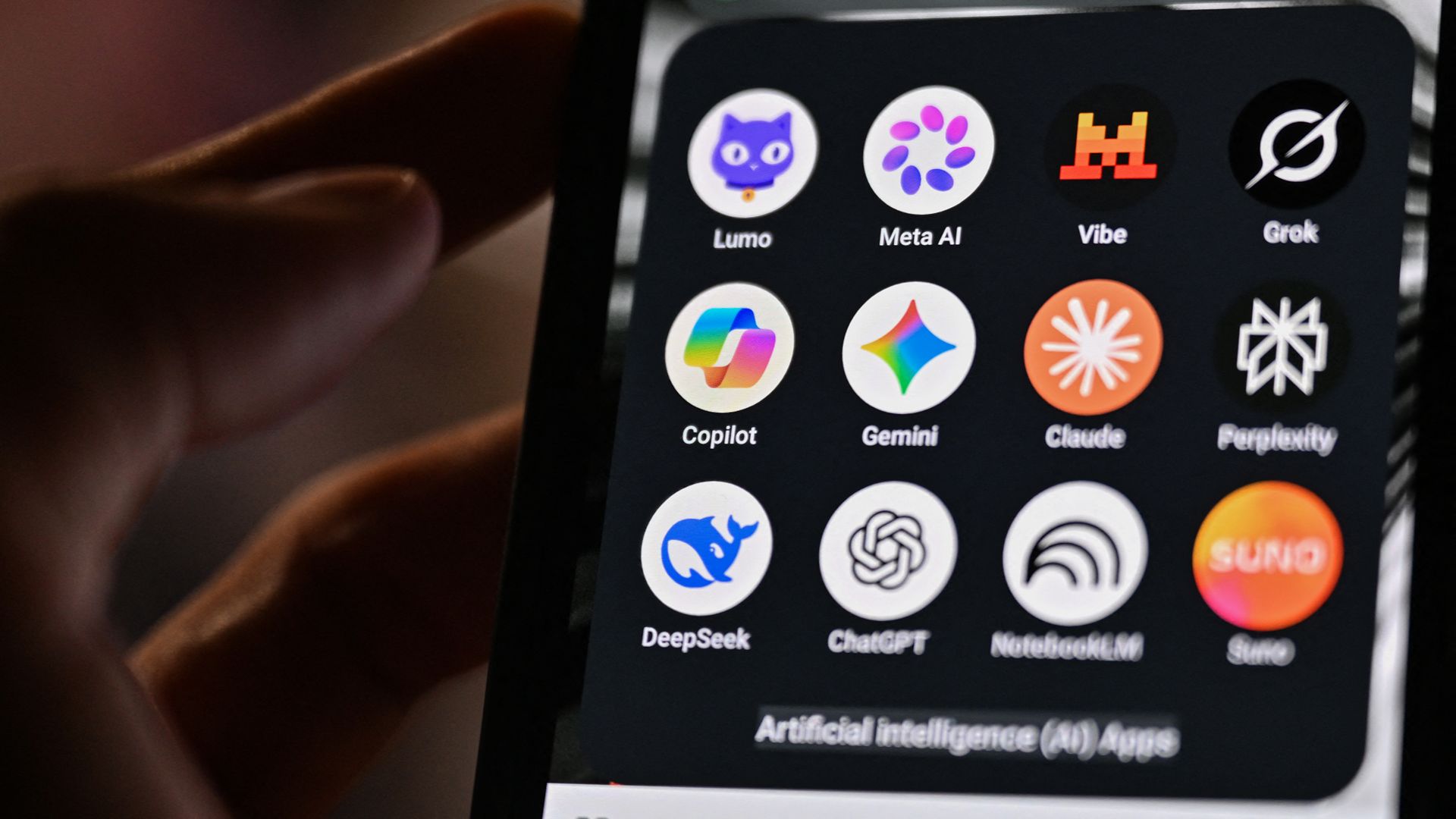
The speed of AI development has also surprised Gates personally, even after decades spent at the center of the technology industry. He pointed to Anthropic's Claude Code as an example, explaining that programming — an area in which he has extensive experience — has advanced to a point where AI systems can outperform him in meaningful ways. «The idea that now these things are in a meaningful sense better than I am is like: What the hell?» Gates said. His concern, however, extends far beyond coding capabilities. He believes the industry has continued pushing forward even as AI reaches thresholds that previously would have prompted greater caution, including increasingly difficult questions about controlling powerful systems and their potential ability to provide dangerous biological information. Gates characterized the prevailing approach in blunt terms: «They're just full speed ahead and hoping that the good outweighs the bad.»
Created by humans, assisted by AI.
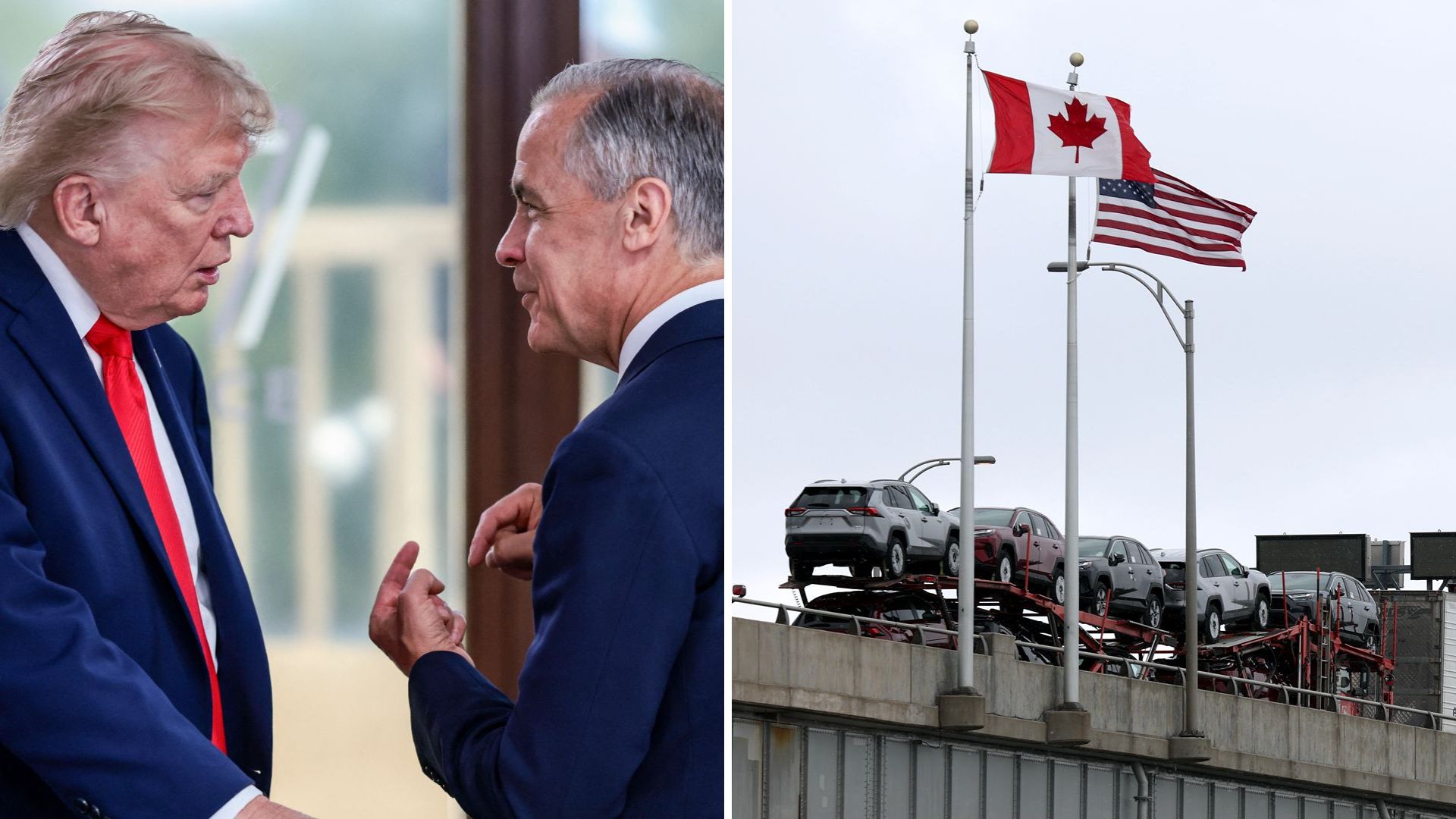 The US demands Canada refused to accept in the failed trade deal
 Trump rages against Canada, vows 50% tariffs on cars, trucks, auto parts and steel