

/https%3A%2F%2Fcdn-tor.buminteractif.com%2F2026%2F08%2F27173458%2Fcia-trump-russia-getty-453543fgdgd543gfgdfg.jpg)
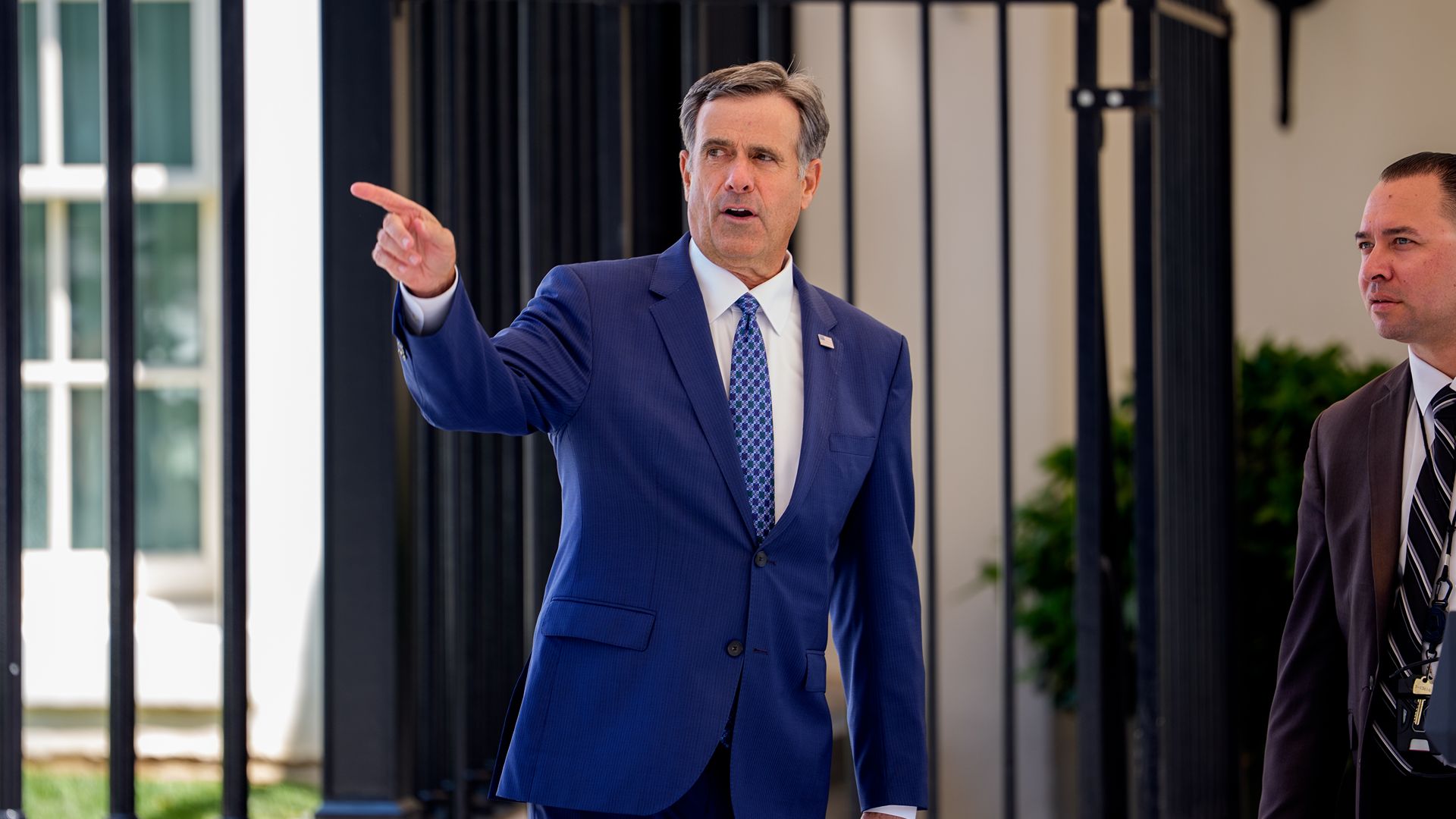
CIA Director John Ratcliffe reportedly made an extraordinary and highly secretive visit to Moscow on August 25, delivering a direct warning to Russian officials against launching a military or hybrid attack on a NATO member state. The previously unannounced mission has been described in several news reports citing people familiar with the matter, including reporting from The Wall Street Journal, and comes amid growing Western concern over Russia's future intentions toward the alliance. Ratcliffe's message was reportedly aimed at establishing a clear deterrent line as intelligence officials assess the possibility that Moscow could eventually attempt to test NATO's collective-defense commitment. While the CIA has declined to publicly detail the mission, the unusual decision to send its director into Russia underscores the seriousness with which Washington is reportedly treating the intelligence.
At the center of the reported warning are concerns that Russia could eventually challenge NATO without necessarily beginning with a massive conventional invasion. Western intelligence officials have reportedly considered scenarios involving a limited military operation, cyberattack, sabotage campaign or another hybrid provocation designed to test whether NATO members would collectively respond under Article 5, which considers an armed attack against one member an attack against all. Particular attention has reportedly focused on Estonia, Latvia and Lithuania, three Baltic NATO members bordering or located close to Russian territory and already confronting heightened regional tensions, including electronic warfare disruptions and airspace incidents. Ratcliffe's mission therefore appears to have carried a straightforward message: Washington does not want Moscow to miscalculate NATO's willingness to defend its members, even if a future Russian challenge is deliberately kept limited or ambiguous enough to complicate the alliance's initial response.
«I can only tell you that contacts took place through the intelligence services.»
-Kremlin spokesperson, Dmitry Peskov
The secrecy surrounding Ratcliffe's movements made the trip particularly striking. Washington did not announce the visit beforehand, and details began emerging only after aircraft observers and social-media footage reportedly tracked an American military aircraft traveling into Russia. Ratcliffe reportedly flew aboard a U.S. Air Force C-17 Globemaster III, stopping first in Latvia before continuing to Moscow's Vnukovo airport. His presence in the Russian capital was exceptionally brief, reportedly lasting only about four hours before his departure. Rather than holding a public diplomatic meeting, the CIA director met with Russian intelligence officials behind closed doors. Kremlin spokesman Dmitry Peskov subsequently acknowledged contacts between the two countries' intelligence services but said Ratcliffe did not meet personally with Vladimir Putin. According to the Kremlin, however, Putin was briefed on the discussions, ensuring that Washington's reported warning reached the highest level of the Russian government.
Ratcliffe's reported mission carries an unmistakable historical parallel because secret visits by sitting CIA directors to Moscow are exceptionally rare, particularly during periods of intense confrontation between Washington and the Kremlin. One of the most notable precedents came in November 2021, when then-CIA Director William Burns traveled to Moscow as the United States grew increasingly alarmed by Russia's military buildup around Ukraine. Burns carried a warning from Washington about the consequences of a major Russian offensive, months before Moscow ultimately launched its full-scale invasion in February 2022. That earlier intervention failed to prevent the war, but Ratcliffe's reported journey suggests American officials are again using intelligence channels at a moment they consider potentially dangerous. This time, however, the concern reportedly extends beyond Ukraine to the possibility of a future Russian challenge involving NATO territory itself.
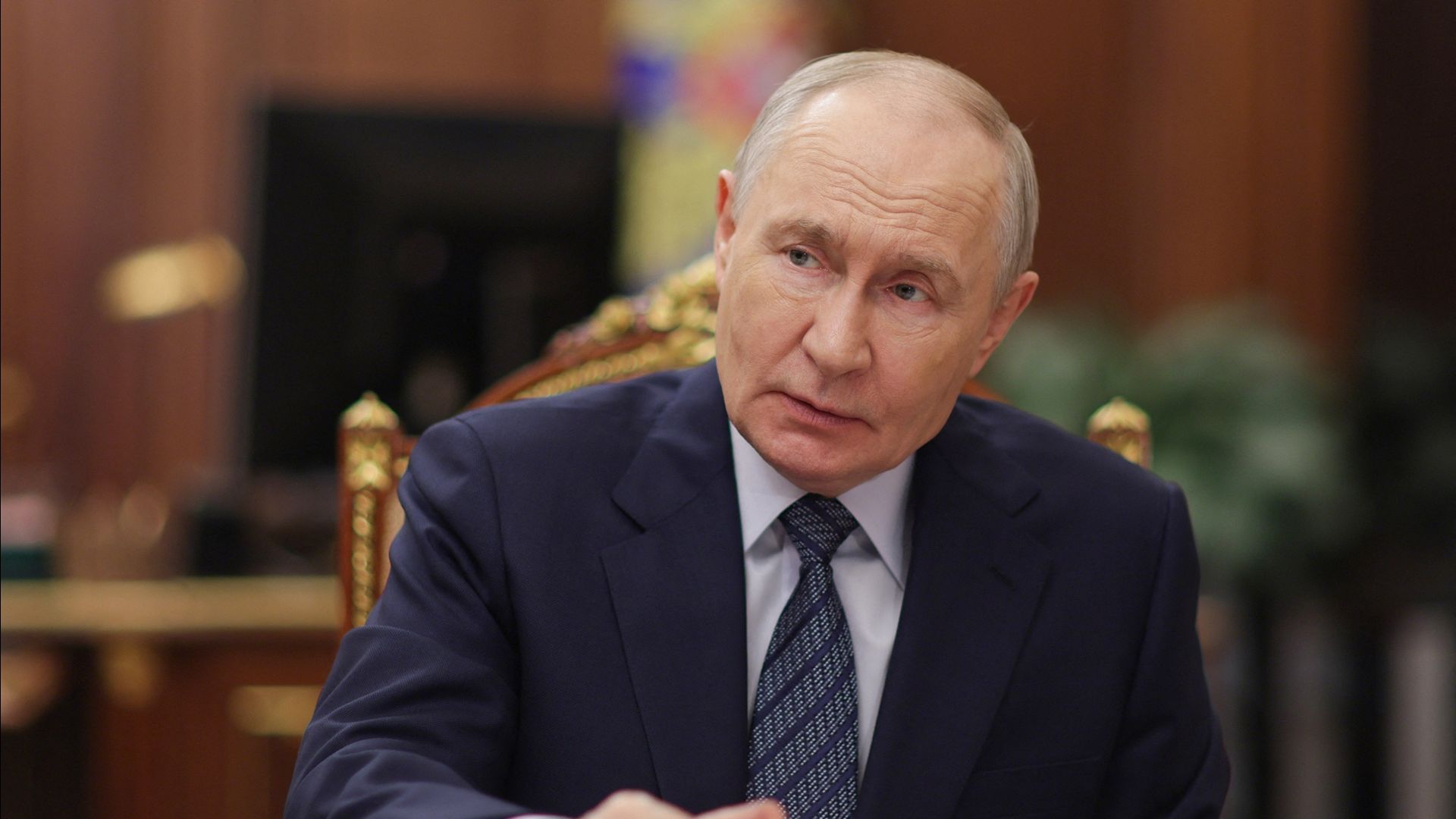
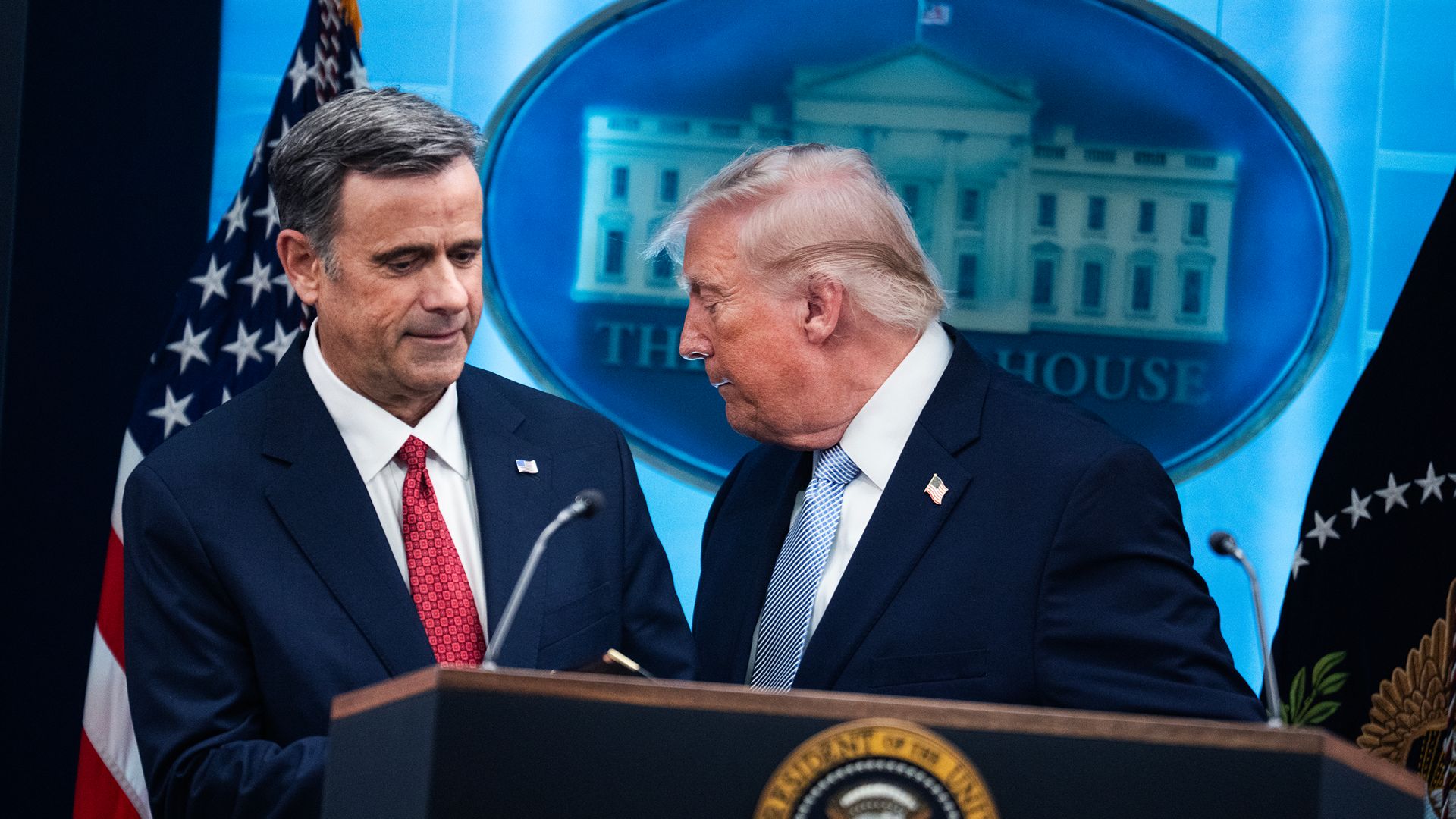
Publicly, both Washington and Moscow have offered few details about what happened during the roughly four-hour visit. The CIA has declined to discuss the reported mission's specific parameters or outcome, while the Kremlin has acknowledged intelligence-level contacts without revealing what was discussed. Peskov told Russian state news agency TASS, «I can only tell you that contacts took place through the intelligence services.» He declined to say whether NATO, Ukraine, Iran or other international security issues appeared on the agenda. Donald Trump, meanwhile, sought to reduce speculation about the urgency surrounding Ratcliffe's journey, describing the contact as «semi-routine» during a radio interview. The president instead emphasized attempts to end the war in Ukraine, saying, «Something may come out of it. We're working very hard to get that war [in Ukraine] ended.» The contrasting public messages leave much of Ratcliffe's mission deliberately concealed.
«Something may come out of it. We're working very hard to get that war ended.»
-U.S. President, Donald Trump
The unusual Moscow trip ultimately highlights two tracks developing simultaneously in Washington's approach toward Russia. The Trump administration is pursuing diplomacy aimed at ending the Ukraine war while American intelligence officials are reportedly working to prevent that conflict, or another confrontation with Moscow, from expanding onto NATO territory. Sending the CIA director into Russia provides a discreet channel through which warnings can be communicated without the spectacle of a formal diplomatic summit, particularly when the message concerns intelligence assessments that governments may not want publicly disclosed. Whether Ratcliffe's reported warning changes Moscow's calculations cannot currently be determined, and neither government has indicated that the visit produced a formal agreement. But the mission itself sends an important signal: amid fears that Russia could someday test NATO's defensive commitments, Washington reportedly considered the risk serious enough to quietly dispatch one of its most senior intelligence officials directly to Moscow.
Created by humans, assisted by AI.
 Elon Musk's SpaceX announces $100 billion 'Starbase Louisiana' mega-spaceport
 Bill Gates sounds the alarm on AI, accuses big tech of downplaying the risks