CNN Investigation Links Six Flags’ X2 Roller Coaster in California to Severe Brain Injuries, Comas and Deaths


/https%3A%2F%2Fcdn-tor.buminteractif.com%2F2026%2F08%2F27154428%2Fx2-getty-34534dfgdfgd.jpg)
A CNN investigation has put a national spotlight on allegations of severe neurological and brain injuries connected to X2, the famous roller coaster at Six Flags Magic Mountain in Valencia, California. According to CNN's reporting, riders have suffered devastating medical emergencies associated with the attraction over nearly two decades, including brain hemorrhages, subdural hematomas, comas and deaths. The investigation has renewed questions about whether the extreme forces generated by one of the park's most recognizable rides can expose passengers to potentially dangerous head and neck movements. The controversy now extends beyond individual incidents, with medical experts, lawsuits and regulatory scrutiny examining the ride's unusual engineering, its history of reported injuries and what Six Flags knew about complaints from riders over the years.
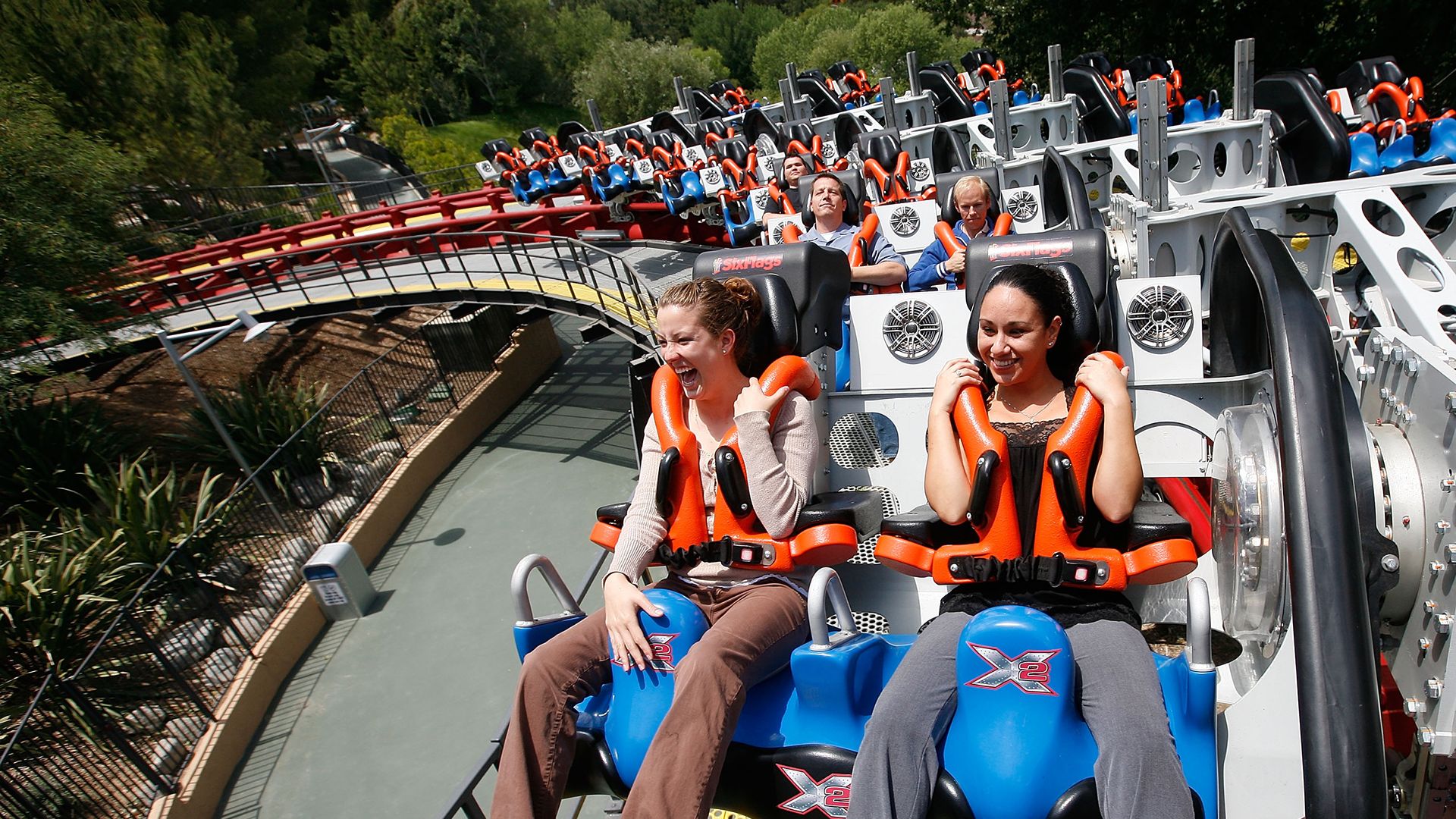
X2 has long distinguished itself from conventional roller coasters because passengers do not simply follow the direction of the track. Originally opened as X on January 12, 2002, the attraction was developed by Arrow Dynamics as the world's first so-called fourth-dimension roller coaster, placing riders in seats extending outward from the track that can independently rotate forward and backward during the journey. The technically ambitious project reportedly cost approximately $45 million and became one of Six Flags Magic Mountain's signature attractions, while its complicated development contributed to major difficulties for Arrow Dynamics. Six Flags later invested millions more to extensively renovate the coaster, introducing redesigned trains, new restraints and theatrical effects before reopening it as X2 on May 24, 2008. Today, riders experience enormous drops, inversions and independently rotating seats while traveling at speeds approaching 80 mph, creating the deliberately unpredictable experience that helped make X2 famous among thrill-seekers.
Life-threatening levels
That unusual movement is now central to questions raised by CNN's investigation and litigation surrounding the coaster. Among the most serious medical conditions associated with reported incidents are subdural hematomas, which occur when blood accumulates between the brain and its protective outer covering, potentially increasing pressure inside the skull to life-threatening levels. The concern is not limited to whether a passenger physically strikes their head against part of the ride. Medical experts involved in litigation have examined whether extremely rapid acceleration, deceleration and rotational movements can cause the brain itself to move violently within the skull, potentially damaging blood vessels. According to allegations described in CNN's reporting, X2 can also produce abrupt jolts or «shuddering» movements that may intensify forces transmitted through a passenger's head and neck. That mechanism has become a crucial point of dispute between medical experts who attribute severe injuries to the ride and Six Flags' defense of X2's safety.
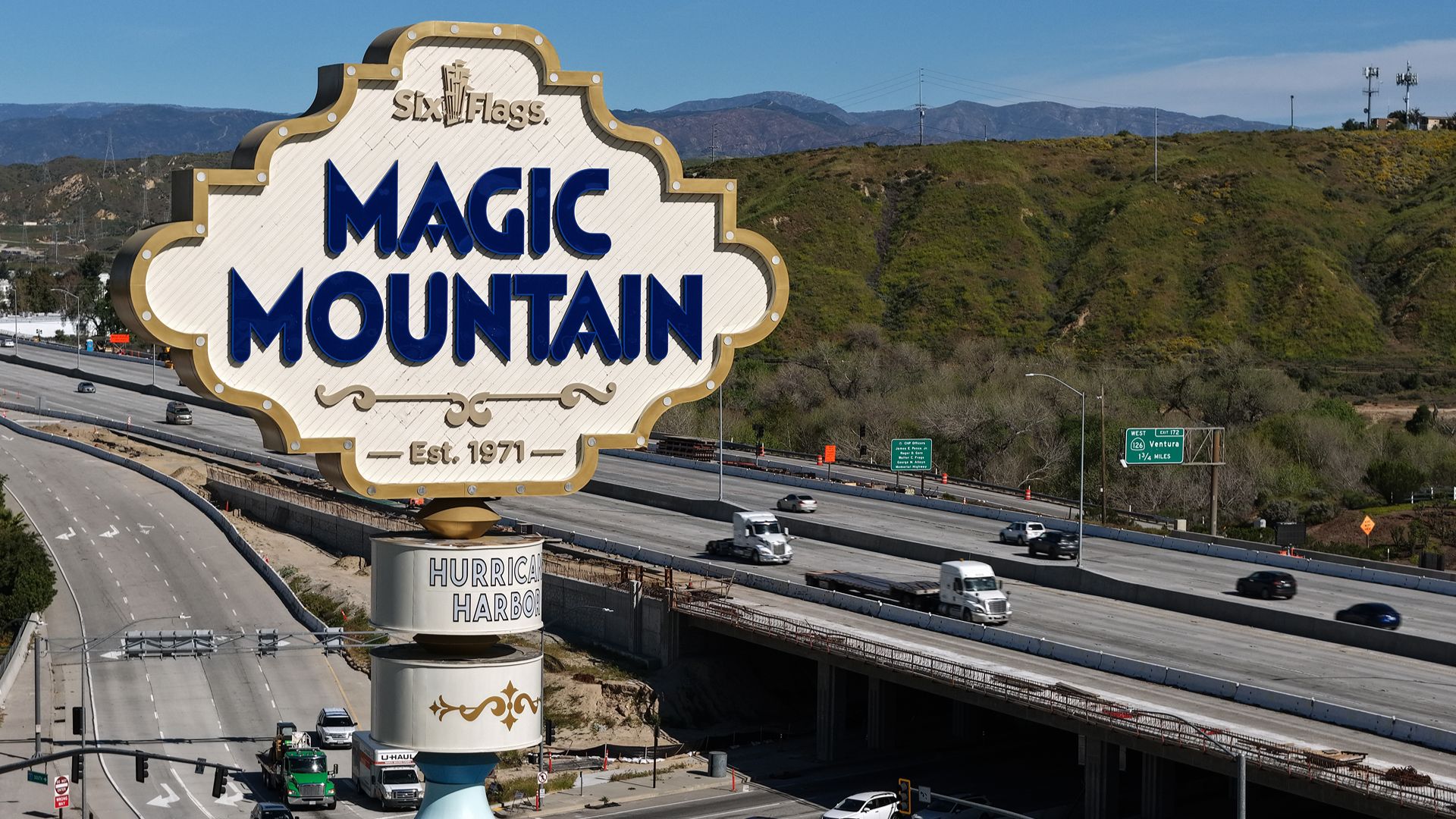
The renewed scrutiny intensified after two women reportedly suffered catastrophic brain hemorrhages within six days of each other after riding X2 in July, according to CNN's investigation. Both required emergency neurosurgery, with one survivor facing a difficult recovery that included relearning basic abilities, while the other remained in a coma and dependent on a ventilator. Those cases followed earlier tragedies associated with the attraction. In June 2022, 22-year-old Christopher Hawley developed a severe headache after riding X2 before collapsing. Medical imaging revealed a subdural hematoma, and he died the following day. Another fatal incident occurred in 2010, when 28-year-old Hilda Farias died after riding the coaster. Medical experts at the time attributed her death to the rupture of a pre-existing brain abnormality triggered by forces experienced during the ride, adding another chapter to X2's complicated safety history.
Hawley's death eventually became the center of a wrongful-death lawsuit targeting Six Flags Entertainment Corporation, the ride manufacturer and other defendants, with his family alleging negligence, design defects and a failure to adequately warn passengers about potential dangers. According to internal records highlighted by CNN's investigation and disclosed through the litigation, Six Flags had documented numerous complaints involving X2 before Hawley's death. CNN reported that at least 70 complaints involving head or neck injuries were recorded during the three years preceding the fatal incident, a history that has become significant to arguments over what the company knew about the attraction. Six Flags has disputed allegations that X2 is inherently unsafe, maintaining through its legal defense that riders are warned about risks and that the attraction is inspected and operated under applicable safety requirements. The competing claims are expected to receive further scrutiny as Hawley's case heads toward a jury trial scheduled for September 8.
Additional examination
The latest incidents have also brought renewed regulatory attention to an attraction that has remained famous for pushing roller-coaster engineering to unusual extremes. Following the July cases, California safety authorities became involved as X2 remained shut down amid inspections and additional examination of the ride. The central question is now whether the injuries represent tragic but isolated medical events associated with an extreme attraction, or evidence of a broader safety problem connected to X2's distinctive combination of speed, independent seat rotation and abrupt directional forces. For Six Flags, the stakes extend beyond one roller coaster: CNN's investigation has brought years of injury reports, medical findings and legal allegations into the national spotlight. Nearly a quarter-century after X first opened as a groundbreaking experiment in roller-coaster design, the very engineering that made X2 one of California's most famous thrill rides is now at the center of an escalating debate over whether the pursuit of extreme thrills crossed a line into unacceptable risk.
Created by humans, assisted by AI.
 Elon Musk's SpaceX announces $100 billion 'Starbase Louisiana' mega-spaceport
 Bill Gates sounds the alarm on AI, accuses big tech of downplaying the risks