

/https%3A%2F%2Fcdn-tor.buminteractif.com%2F2026%2F10%2F01172124%2Fmusk-hegseth-getty-345345fgdfg45345dfgd.jpg)
Elon Musk is returning to the Trump administration in a new Pentagon advisory role little more than a year after leaving government amid an extraordinary public rupture with Trump that culminated in Musk dropping what he called a «really big bomb» involving the Jeffrey Epstein files. During their June 2025 social-media feud, Musk wrote on X: «Time to drop the really big bomb: @realDonaldTrump is in the Epstein files. That is the real reason they have not been made public. Have a nice day, DJT!» He followed minutes later with: «Mark this post for the future. The truth will come out.» Musk subsequently deleted the first post, but the episode became one of the defining moments of his dramatic break with Trump. Now, after the two men reconciled, Defense Secretary Pete Hegseth has brought Musk back into government to co-lead Project Meridian, a new Pentagon initiative tasked with examining the «future of warfare» and identifying the weapons and technologies American forces could need decades from now.
Hegseth announced Musk's appointment during his «State of the Force» address at Marine Corps Base Quantico in Virginia, where he unveiled a much broader reorganization aimed at accelerating the military's adoption of autonomous systems, robotics and other emerging technologies. Musk will work alongside Anduril Industries founder Palmer Luckey and former Republican House Speaker Newt Gingrich, with the group expected to deliver recommendations to Hegseth after an accelerated 120-day review. Project Meridian is deliberately being given a short timetable rather than becoming another years-long Pentagon planning exercise. According to Hegseth, the initiative will «study the battlefields of the future» and identify the technologies American troops will need to dominate them. He described the project as «futuristic on purpose», with its work examining potential military capabilities across an enormous technological range, from subterranean environments to the cislunar frontier and beyond.
Conflict-of-interest
The appointment puts two billionaire technology executives whose companies have significant interests in national defense — Musk and Luckey — in influential positions examining the Pentagon's future technological requirements. Musk's SpaceX is already deeply embedded in U.S. government and military operations, while Luckey's Anduril has built much of its business around autonomous defense technology and Pentagon contracts. Their participation therefore creates potential conflict-of-interest questions over how recommendations will be developed when companies connected to panel members could eventually compete for government spending on technologies identified as strategically important. The Pentagon has not publicly detailed how those potential conflicts will be handled. Hegseth nevertheless presented the three co-leaders as «three of our nation's best minds», portraying Project Meridian as a way to move beyond traditional Pentagon bureaucracy as warfare becomes increasingly shaped by artificial intelligence, drones, autonomous weapons, robotics and advanced space systems.
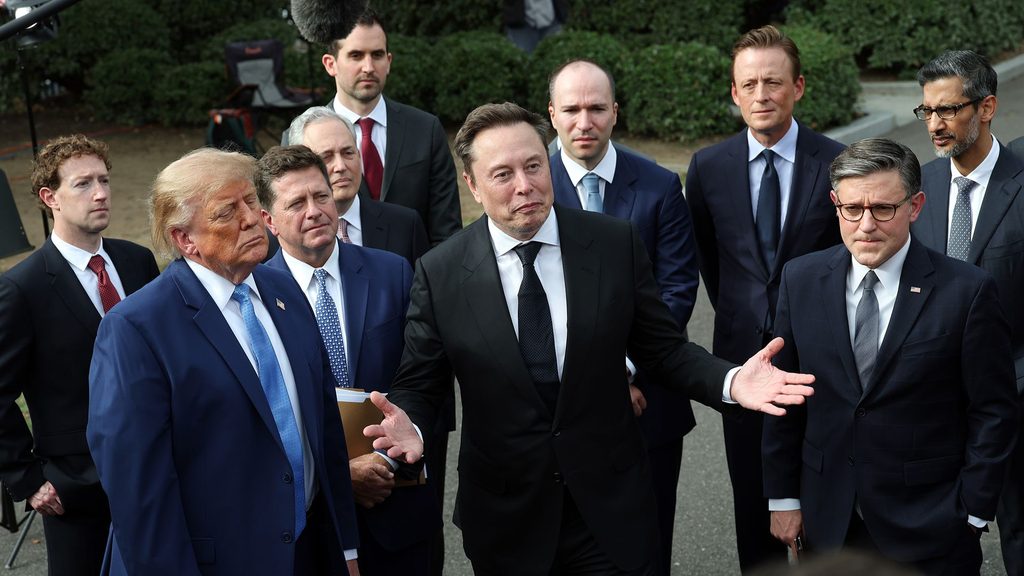
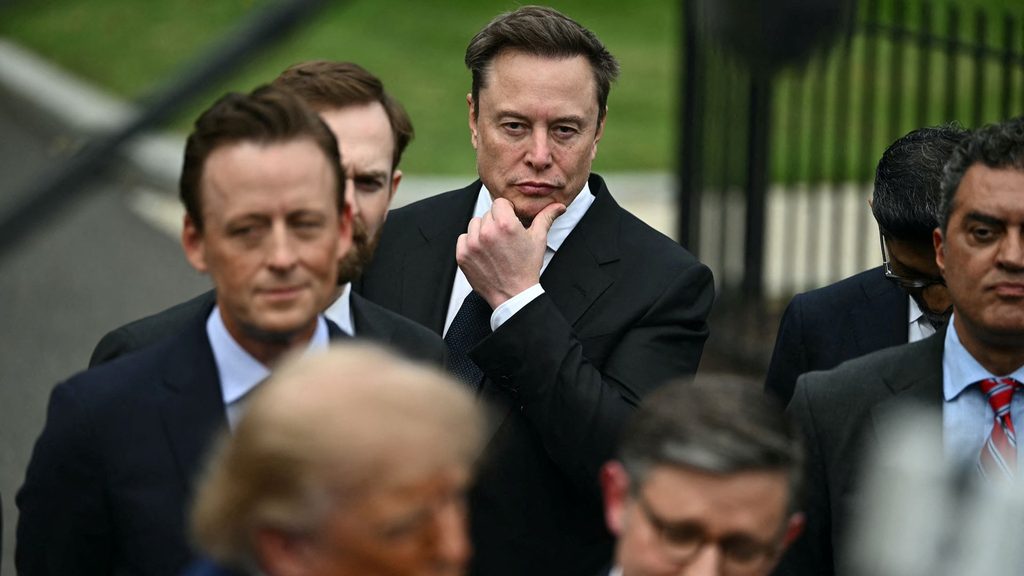
Musk's return marks a striking reversal from the way his first government role ended. He entered Trump's second administration in early 2025 as the public face of the Department of Government Efficiency, or DOGE, an initiative created to dramatically reduce federal spending and the size of the government workforce. His tenure brought sweeping disruptions across federal agencies before disagreements over Trump's signature tax-and-spending legislation helped fracture their relationship. Musk argued that the legislation would increase the national debt and undermine the cost reductions DOGE had pursued, and the disagreement quickly became personal. The two men exchanged attacks publicly before Musk posted his accusation involving Trump and the Epstein files. Musk subsequently stepped away from government work and said he would refocus his attention on companies including Tesla and SpaceX. Their relationship gradually improved afterward, clearing the way for Musk's latest return to Washington in a substantially different role.
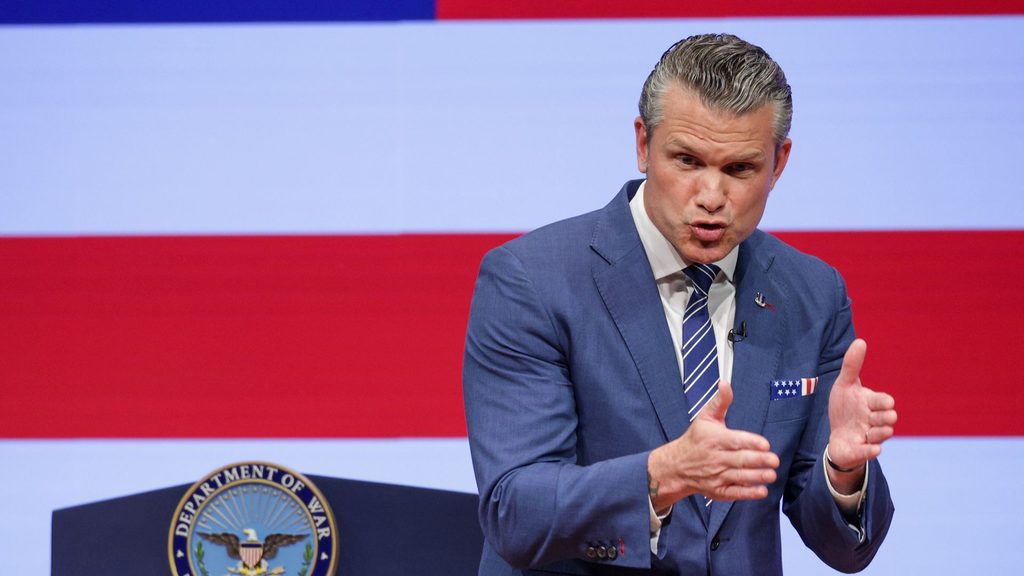
Project Meridian is only one part of a much broader military overhaul Hegseth unveiled at Quantico. The Pentagon plans to establish a new four-star Autonomous Warfare Command dedicated to expanding robotic and autonomous capabilities across the armed forces, reflecting the growing importance of drones and other uncrewed systems on modern battlefields. Hegseth described the transition as «the fastest peacetime shift in modern military history», arguing that the Pentagon must adapt more quickly as technology transforms warfare. He also announced plans to reduce the number of generals and admirals by 20% by January 2027, expanding an earlier effort to shrink the military's senior leadership structure. Some lawmakers and military critics have questioned those reductions and warned about the potential loss of experienced leadership, while Hegseth has defended the restructuring as overdue accountability and an attempt to eliminate unnecessary layers of command. Musk's technology-focused assignment therefore arrives as part of a much larger effort to reshape how the Pentagon develops weapons and organizes for future conflicts.
«Time to drop the really big bomb: @realDonaldTrump is in the Epstein files. That is the real reason they have not been made public. Have a nice day, DJT!»
-Elon Musk
For Musk, the assignment also places him at the intersection of government strategy and technologies his own companies have spent years developing. He has repeatedly argued that future conflicts will rely increasingly on autonomous drones and other advanced systems rather than traditional weapons platforms, while SpaceX already provides critical satellite-launch and communications capabilities to the U.S. government. Project Meridian will now give him a formal opportunity to help examine which technologies the Pentagon should prioritize for conflicts that may occur decades from today. The panel is expected to deliver its recommendations by late January after an unusually compressed review, meaning Musk's second stint inside the Trump administration will be far more narrowly focused than his disruptive DOGE role. More than a year after leaving Washington during one of the most public political feuds of Trump's second term, Musk is returning not to cut the federal government, but to help the Pentagon envision how the United States could fight its future wars.
Created by humans, assisted by AI.
 Disney+ and Hulu hike prices to $12.49 with ads despite streaming profit more than doubling
 After smart glasses failed to achieve mass adoption, Meta bets on new wrist-worn 'Muse Charm' AI gadget