Fentanyl-Laced Oxycodone Investigated as Possible Cause of Hayden Panettiere’s Death


/https%3A%2F%2Fcdn-tor.buminteractif.com%2F2026%2F09%2F14144020%2Fpanettiere-getty-45345fdgdfg.jpg)
Actress Hayden Panettiere may have died after taking a single black-market oxycodone pill believed to have been laced with fentanyl, according to new details reported by TMZ on September 14. The outlet, citing law enforcement sources familiar with the investigation, reported that authorities are examining whether a counterfeit pill obtained through an alleged longtime Los Angeles drug dealer contained the powerful synthetic opioid and caused the 36-year-old actress' fatal suspected overdose. According to TMZ, investigators believe Panettiere may not have known the oxycodone contained fentanyl, which is dramatically more potent than heroin and can be deadly in extremely small quantities. The DEA has reportedly become involved alongside authorities in South Carolina as investigators attempt to trace the pill's origin and examine the illicit supply network that allegedly provided it. The fentanyl theory, however, remains under investigation, with final toxicology results still pending.
Panettiere died on August 16, 2026, only days before what would have been her 37th birthday. According to the timeline reported by TMZ, the former «Nashville» and «Heroes» star had traveled from Los Angeles to Greenville, South Carolina, the previous day with her on-again, off-again boyfriend, Brian Hickerson. TMZ reported that Panettiere is believed to have taken the suspected oxycodone pill on the morning of August 16. Later that day, Hickerson's brother arrived at the private condo where the couple was staying and reportedly discovered both of them unresponsive on a pull-out couch. After realizing Panettiere was unconscious, Hickerson administered Narcan, a medication capable of rapidly reversing an opioid overdose, before emergency responders arrived. Paramedics subsequently performed advanced cardiac life-support measures, but their attempts to revive the actress were unsuccessful. Panettiere was pronounced dead at 2:32 p.m. following cardiac arrest associated with the suspected overdose.
«I finally feel like I have shaken off all of this darkness and this negativity.»
-Hayden Panettiere
Despite the emerging fentanyl theory reported by TMZ, authorities have not yet established a final medical cause of Panettiere's death. A preliminary autopsy reportedly found no evidence of physical trauma or foul play, while toxicology testing remains crucial to determining exactly what substances were in her system and whether fentanyl was present in the pill investigators are examining. Those results could take several weeks to complete. The circumstances surrounding her death have drawn particular attention because Panettiere had spoken publicly and with unusual candor about her long struggle with substance and alcohol abuse, chronic pain and traumatic experiences. In her May 2026 memoir, «This Is Me: A Reckoning», she traced her exposure to drugs back to her teenage years, recalling being given pills before public appearances when she was only 15. Reflecting on the urgency and desperation that can accompany addiction, she wrote: «Addicts aren't patient. When we're shaking, nauseated, anxious, lonely or depressed, we need instant relief that sends us into that pain-free [state]».

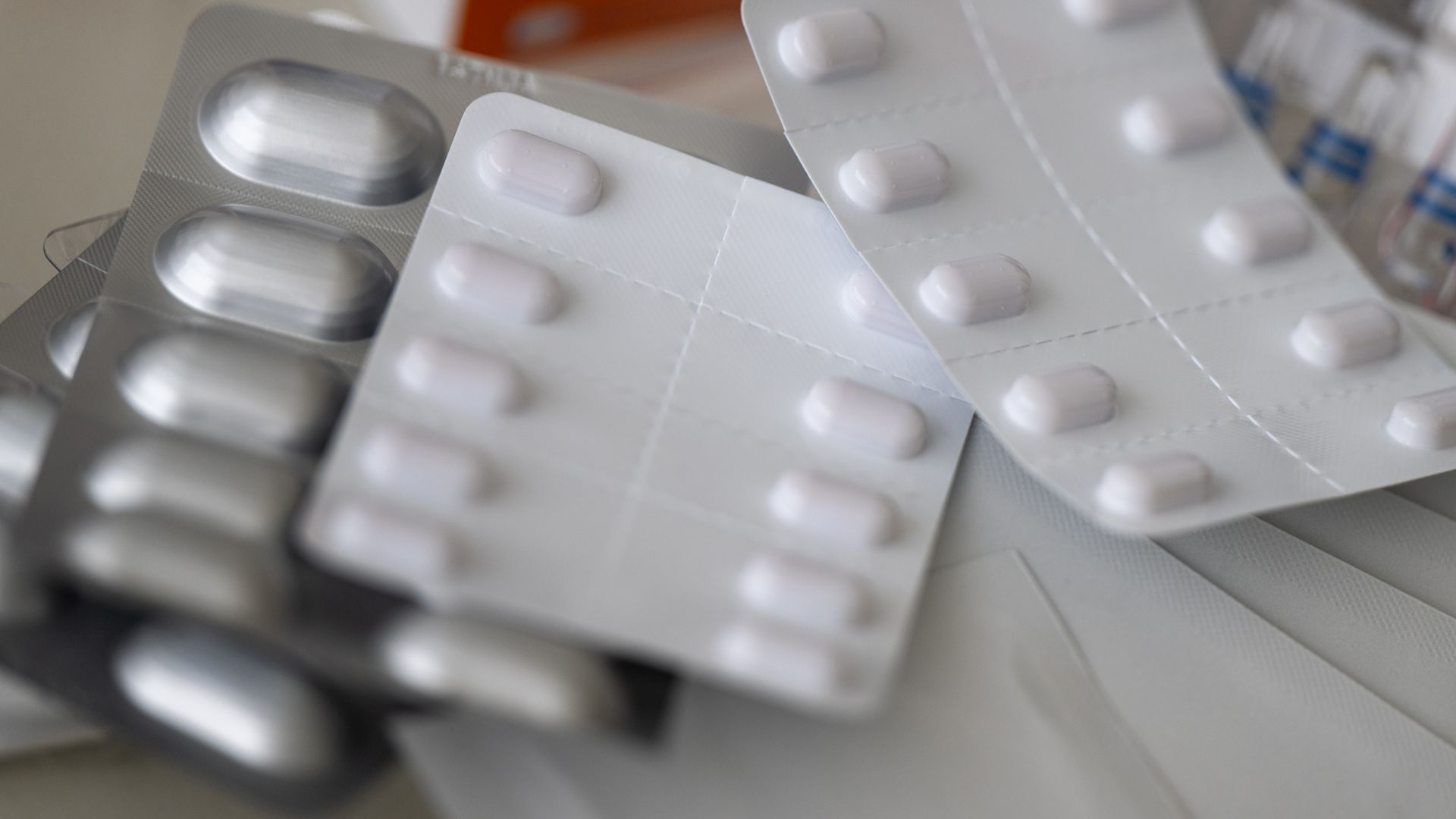
The possibility that a counterfeit oxycodone pill contributed to Panettiere's death also places her case within the broader and increasingly lethal problem of fentanyl being found in illicit pills made to resemble legitimate prescription medications. Counterfeit tablets sold outside pharmacies can be manufactured to closely imitate medications such as oxycodone, Percocet or Xanax, leaving buyers with little ability to determine what they actually contain simply by looking at them. Fentanyl presents an especially serious danger because of its extraordinary potency: even a very small amount can suppress breathing and cause a fatal overdose. Illicit manufacturers can also produce pills with inconsistent concentrations, meaning two tablets that appear identical may contain dramatically different amounts of the drug. According to TMZ's reporting on the Panettiere investigation, authorities are examining precisely this possibility — that what appeared to be oxycodone was instead contaminated with fentanyl, potentially turning a single pill into a fatal dose without the actress realizing what she had taken.
That possibility is particularly haunting in light of Panettiere's recent openness about addiction and the difficult path she had taken toward rebuilding her life. Her memoir described substance dependence not as an isolated chapter but as a struggle intertwined with pressures she experienced from an unusually young age, as well as later battles involving alcohol, chronic pain and personal trauma. Panettiere had also endured the devastating death of her younger brother, Jansen Panettiere, in 2023, another loss she discussed while reflecting on the emotional turmoil of recent years. Yet by the spring of 2026, her public comments had become markedly hopeful. During a podcast interview with Jay Shetty published in May, only about three months before her death, Panettiere described feeling as though she had finally emerged from a prolonged period of darkness. «I finally feel like I have shaken off all of this darkness and this negativity», she said, presenting herself as someone looking toward a new stage of life rather than surrendering to the difficulties that had defined so much of her past.
«I can feel all the exciting possibilities. I feel like I have a lot more life to live»
-Hayden Panettiere
Those comments have taken on a heartbreaking significance following her sudden death at 36. In the same interview, Panettiere spoke about leaving one chapter behind and embracing what she believed could come next, saying she had «closed one door and another door is opened… I can feel all the exciting possibilities. I feel like I have a lot more life to live». The optimism of those words now stands in stark contrast to the circumstances investigators are examining. According to TMZ, authorities are pursuing the possibility that a single illicit oxycodone pill containing fentanyl ended that future only months after Panettiere publicly expressed excitement about it. But until toxicology testing is completed and authorities formally establish the cause and manner of death, the fentanyl-laced pill remains an investigative theory rather than a confirmed medical conclusion. What is already clear is that Panettiere's death has brought renewed attention to the potentially deadly unpredictability of counterfeit prescription drugs — and to how a pill sold as a familiar medication can conceal something far more dangerous.

Created by humans, assisted by AI.
 George Clooney rips Trump's America as a government of “the least qualified people”
 Bernie Sanders calls for AI ban after surge of AI-powered cyberattacks sparks security fears