Four Baby Goats From Mobile Petting Zoo Test Positive for Rabies, Triggering Public Health Warning Across North Carolina


/https%3A%2F%2Fcdn-tor.buminteractif.com%2F2026%2F08%2F31164553%2Ffiweuhfsfnf4353453dfgdfg.jpg)
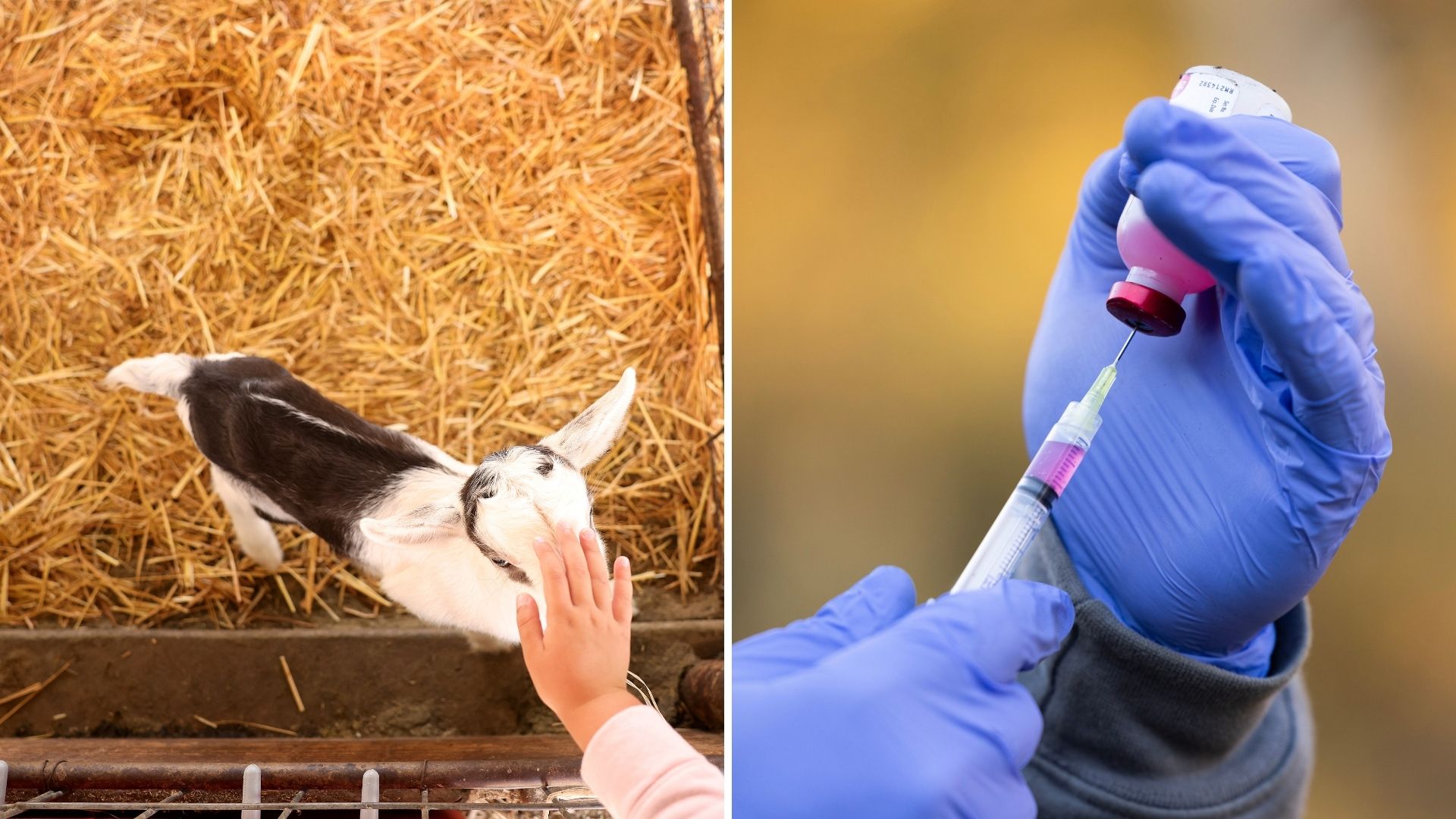
An unusual public health crisis is unfolding in North Carolina after four baby goats from a mobile petting zoo tested positive for rabies or were presumed to have contracted the deadly virus, triggering urgent warnings across multiple counties. The North Carolina Department of Health and Human Services (NCDHHS) is advising anyone who had direct physical contact with the animals between July 28 and August 27, 2026, to immediately contact their local health department for a risk assessment. The affected goats belonged to Farm Adventures, a mobile petting zoo based in Harmony, North Carolina, which brought the animals to multiple public and private events before the infection was discovered. Health officials are now working to identify possible exposures, while the farm's owner is publicly addressing the devastating situation and explaining how the outbreak unfolded.
Farm Adventures owner Misty Love said the discovery of rabies among the baby goats was unexpected because the animals did not show obvious warning signs after the suspected exposure. In a Facebook statement, the farm explained that the goats were kept separately from the rest of the animals and that they were too young to receive their rabies vaccinations. The company said: «The baby goats were kept in a separate pen, away from the others, and were too young to receive their vaccinations.» According to the farm, a wild skunk managed to enter the enclosure, but the owners did not immediately know that the animals had been bitten. Farm Adventures wrote: «WE HAD NO CLUE THE GOATS HAD GOTTEN BUT. They showed no sign or symptoms of rabies.» The business said the goats appeared healthy at first and that veterinary professionals investigated the unusual illness before rabies was confirmed.
«These past few days have been incredibly difficult for us, and we appreciate your understanding and support during this challenging time.»
– A Facebook statement from Farm Adventures
The situation became more serious after the health of the animals declined several weeks after the suspected skunk encounter. One baby goat died on August 19, while another became ill and was euthanized the following day. Testing later confirmed rabies in three of the goats, while a fourth was assumed to have been infected. Farm Adventures confirmed that all four animals were euthanized to prevent any further spread of the virus and expressed the emotional impact of losing the animals. In its statement, the farm said: «The affected animals, our 4 precious baby goats, have been euthanized to prevent further spread.» The company identified the goats as Molly, Maggie, Cow, and Uno, and said it was cooperating with health officials, the North Carolina Department of Agriculture, and animal control throughout the investigation. Farm Adventures added: «These past few days have been incredibly difficult for us, and we appreciate your understanding and support during this challenging time.»
Public Exposure Spreads Across Multiple Counties
Because Farm Adventures operates as a traveling mobile petting zoo, the potential exposure was not limited to the farm's Harmony location. Health officials said the infected baby goats appeared at multiple public and private events between July 28 and August 27, 2026, where visitors may have touched or held the animals while they were infectious. The affected areas include Iredell, Mecklenburg, Watauga, Burke, Davie, Davidson, Catawba, and Durham counties. Some identified locations included community events, private gatherings, and assisted living facilities where children, families, and elderly residents may have interacted with the goats. Authorities are working with event organizers to notify individuals who may have had direct contact with the animals and determine whether medical treatment is necessary.
Health officials are especially concerned because the way people interact with baby goats creates a higher possibility of rabies exposure compared with many other livestock situations. At petting zoos, young goats are often hugged, carried, bottle-fed, and held close to people's faces, increasing the chance that infected saliva could come into contact with broken skin or mucous membranes. Rabies is typically transmitted through bites, scratches, or saliva entering the eyes, nose, mouth, or an open wound. Simply being near the animals or attending an event without touching the goats is not considered an exposure. Officials are urging anyone who had physical contact with the affected goats to contact their local health department rather than waiting for symptoms to appear.
«The affected animals, our 4 precious baby goats, have been euthanized to prevent further spread.»
– A Facebook statement from Farm Adventures
The medical warning comes because rabies can remain hidden in the body for weeks or even months before symptoms begin, but once clinical signs appear, the disease is almost always fatal. Early symptoms can resemble the flu, including weakness, fever, headache, or unusual sensations such as tingling or itching near the exposure site. If health officials determine that someone had a potential exposure, they may recommend post-exposure prophylaxis, a series of preventive treatments that can stop infection when given before symptoms develop. No human infections have been reported from the Farm Adventures incident, and North Carolina has not recorded a confirmed human rabies case since 2011. Farm Adventures said its remaining animals received booster vaccinations and that the operation remains under strict monitoring while authorities continue their investigation.
Created by humans, assisted by AI.
 Walmart strikes undisclosed DOJ settlement over alleged 'hundreds of thousands' of opioid violations, avoiding potential billions in damages
 Meta settles $1.4 trillion social media addiction lawsuit for up to $17 billion, denies wrongdoing