Mark Carney Scores Three Major Election Wins as Pierre Poilievre Faces Renewed Leadership Crisis


/https%3A%2F%2Fcdn-tor.buminteractif.com%2F2026%2F09%2F01162805%2Fcarney-canada-getty-3465345fdgdfg4534535.jpg)
As Canada remains locked in a tense trade battle with the United States, Prime Minister Mark Carney has secured a major political victory by sweeping three federal special elections, strengthening his government's position in Parliament and providing a significant boost to his leadership. The Liberal Party successfully defended two key ridings and captured a long-held Conservative seat in Quebec, turning the by-elections into a major endorsement of Carney's approach toward U.S. trade pressure. The results also created renewed questions about Conservative leader Pierre Poilievre's political strategy and leadership as his party struggles to connect with voters during a period of international uncertainty. With the Liberals now holding 173 seats in the 343-seat House of Commons, Carney enters Parliament's return from summer break with a stronger working majority and increased political momentum.
The three federal by-elections took place in Beaches-East York in Toronto, North Vancouver-Capilano in British Columbia, and Chicoutimi-Le Fjord in Quebec. The Liberal Party successfully maintained control of its traditional strongholds in Ontario and British Columbia, but the biggest political development came from Quebec, where the Liberals defeated the Conservatives in a riding that had been held by the opposition since 2018. The victory in Chicoutimi-Le Fjord represented a major breakthrough for Carney's government because the region has strong economic ties to industries affected by trade uncertainty. The results suggested that voters in key areas preferred stability and a government-led response to external pressure rather than a change in leadership during a period of economic confrontation with Washington.
«Canada is being tested in a changing world, and Canadians are up for it. We are buying Canadian, travelling Canada. We are building our strength at home and diversifying our trading relationships abroad.»
-Prime Minister, Mark Carney
The by-election results came after a dramatic escalation in Canada-U.S. trade tensions, which became one of the defining political issues of Carney's early mandate. Negotiations between Ottawa and Washington collapsed after Carney rejected what his government considered unacceptable demands from the Trump administration, including pressure involving Canada's supply management system, trade relationships with other countries, and concerns surrounding protections for French-language culture in Quebec. After Canada refused to accept increased tariff pressure from the United States and introduced countermeasures, Carney's public support increased as many voters viewed him as a steady leader defending Canadian interests. The political impact of the trade dispute became evident during the special elections, where the Liberal message of economic resilience appeared to resonate more strongly with voters than the Conservative opposition strategy.
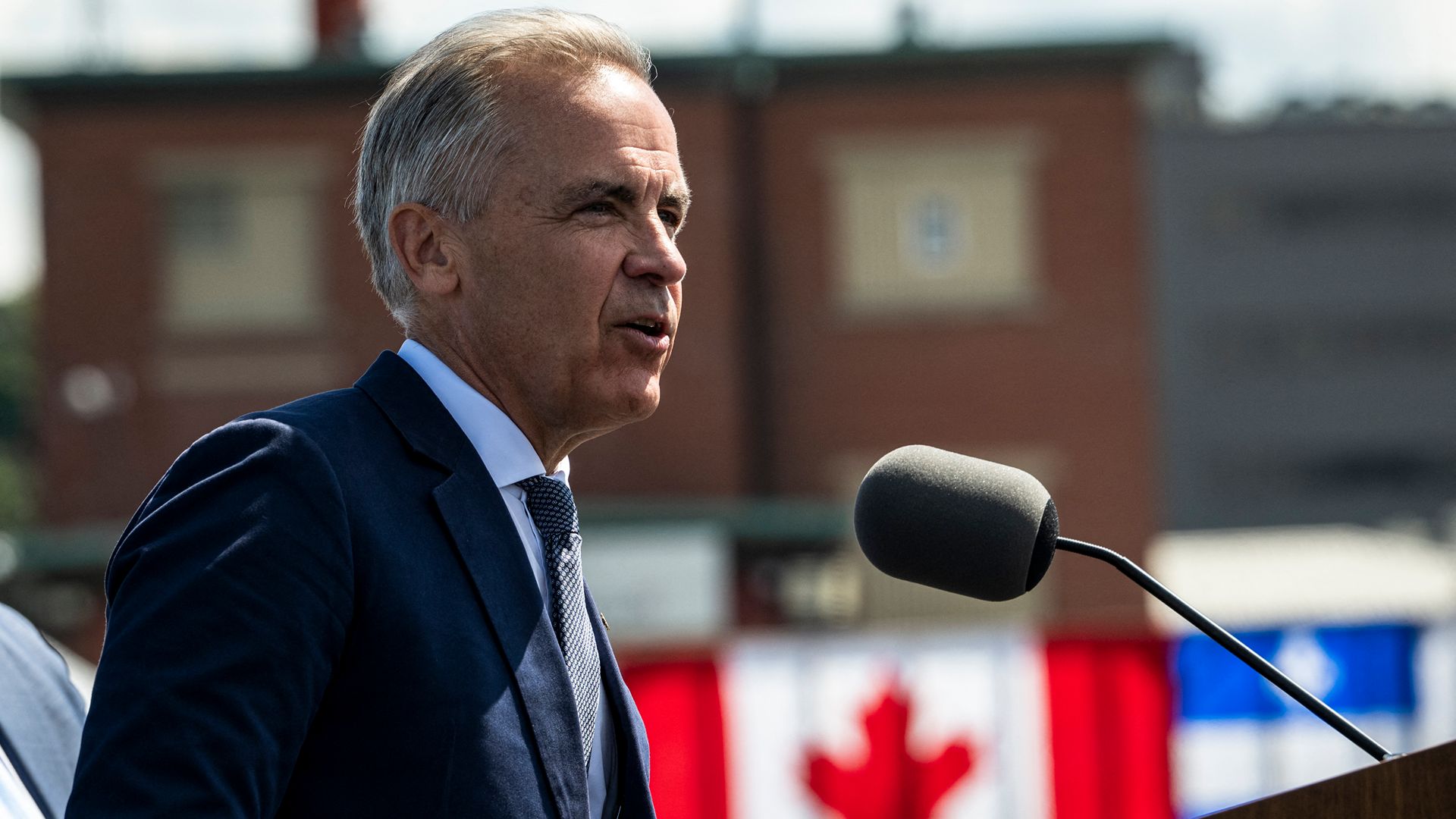
The biggest setback of the night came in Chicoutimi-Le Fjord, where the Conservatives suffered a major defeat in a riding they had controlled since 2018. The loss was especially damaging for Pierre Poilievre because the region had previously shown strong support for his party, with Conservatives receiving around 34% of the vote in the previous federal election. This time, the party fell dramatically, finishing a distant third with roughly 13% support. The result raised new questions about whether the Conservative message is connecting with voters, particularly in areas directly affected by trade tensions and economic uncertainty. Political observers argued that voters appeared to rally behind the sitting government during a moment of international pressure rather than embrace the opposition's strategy.

The Conservative losses have intensified renewed leadership questions surrounding Poilievre, who has faced scrutiny since the party's disappointing performance in the 2025 federal election. Despite entering that campaign with a significant polling advantage, the Conservatives failed to convert their momentum into government, while Carney's arrival as Liberal leader and the escalating trade dispute with the United States reshaped the political landscape. Under Conservative Party rules, Poilievre faced a mandatory leadership review after the election loss, but he survived the challenge by receiving strong support from party members. However, the latest Liberal sweep suggests that internal concerns within the Conservative caucus may not have disappeared, with critics questioning whether the party's current approach can defeat Carney's government.
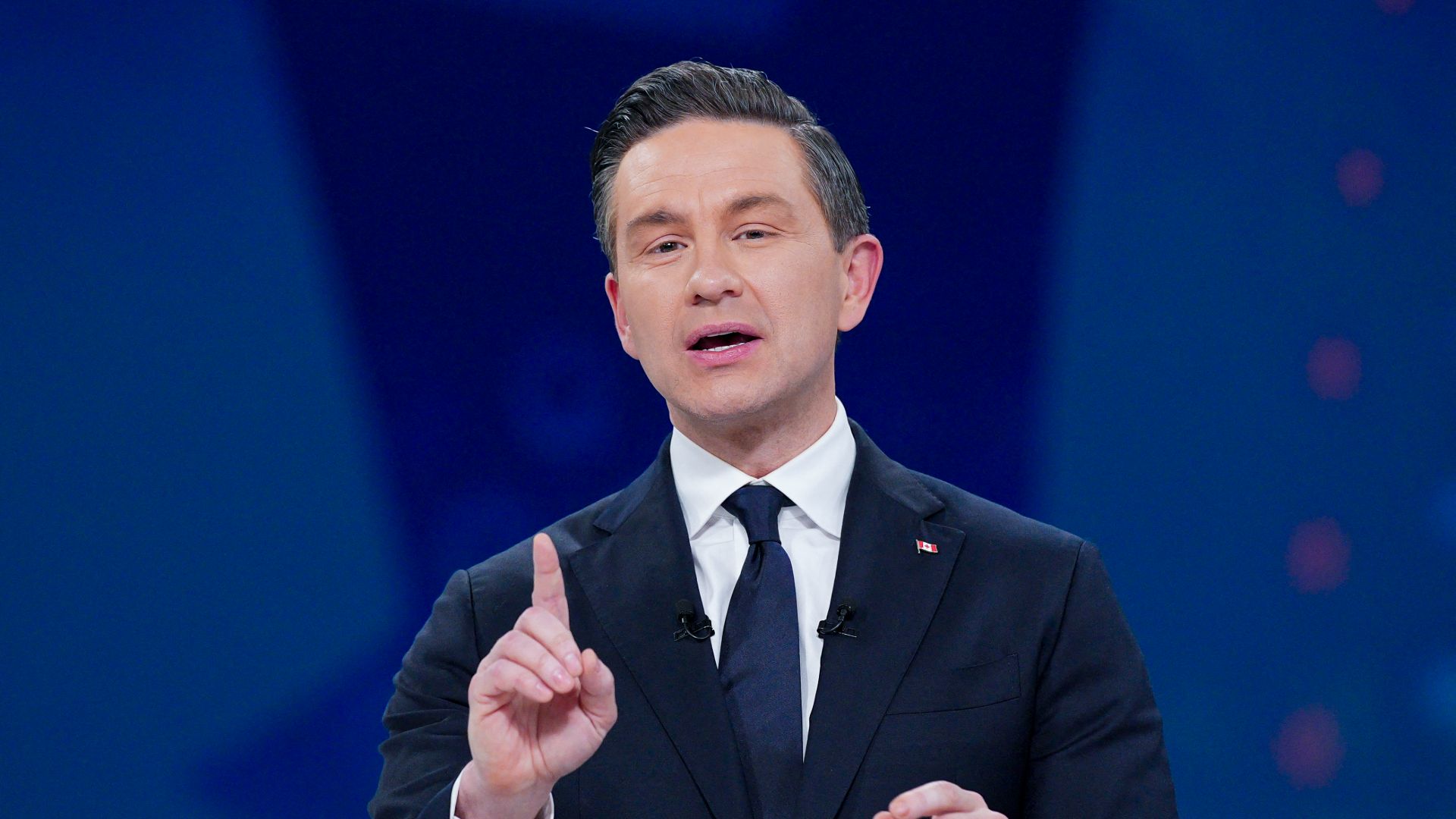
Following the three victories, Carney celebrated the results while presenting them as evidence that Canadians support his government's direction during a difficult economic period. In a statement, he congratulated the newly elected MPs and thanked candidates, staff, and volunteers who participated in the campaigns. Carney said: «At this consequential time for Canada, voters have placed their trust in our government's plan. We accept their support with humility and determination.» He also highlighted his government's economic message, stating: «Canada is being tested in a changing world, and Canadians are up for it. We are buying Canadian, travelling Canada. We are building our strength at home and diversifying our trading relationships abroad.» Meanwhile, Poilievre rejected calls for a leadership change and remained defiant, saying in the House of Commons: «I will continue to lead that fight in this House, across this country, and in the next election.»
«At this consequential time for Canada, voters have placed their trust in our government's plan. We accept their support with humility and determination.»
-Prime Minister, Mark Carney
The election sweep gives Carney's Liberals stronger momentum heading into the return of Parliament and provides the prime minister with political capital as negotiations and tensions with Washington continue. The victories allowed the Liberals to restore their position to 173 seats in the 343-seat House of Commons, strengthening their parliamentary majority. For Poilievre, the challenge now extends beyond one disappointing night. The Conservatives must determine whether their current strategy can compete against a Liberal government that has successfully framed itself as defending Canadian interests during a period of external pressure. The by-election results have not removed Poilievre as leader, but they have reopened a debate inside Conservative circles about messaging, strategy, and the party's path toward the next federal election.
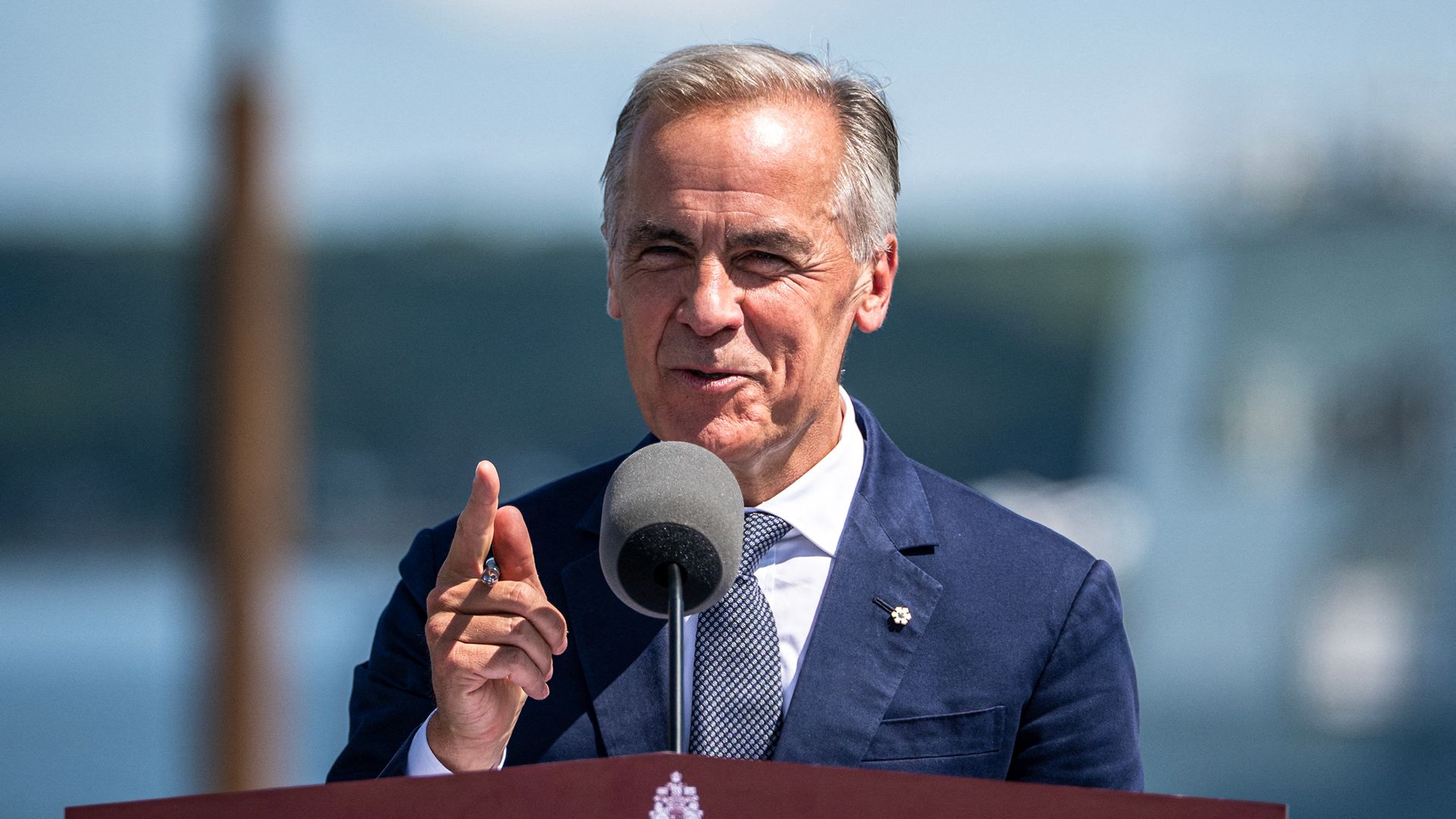
Created by humans, assisted by AI.
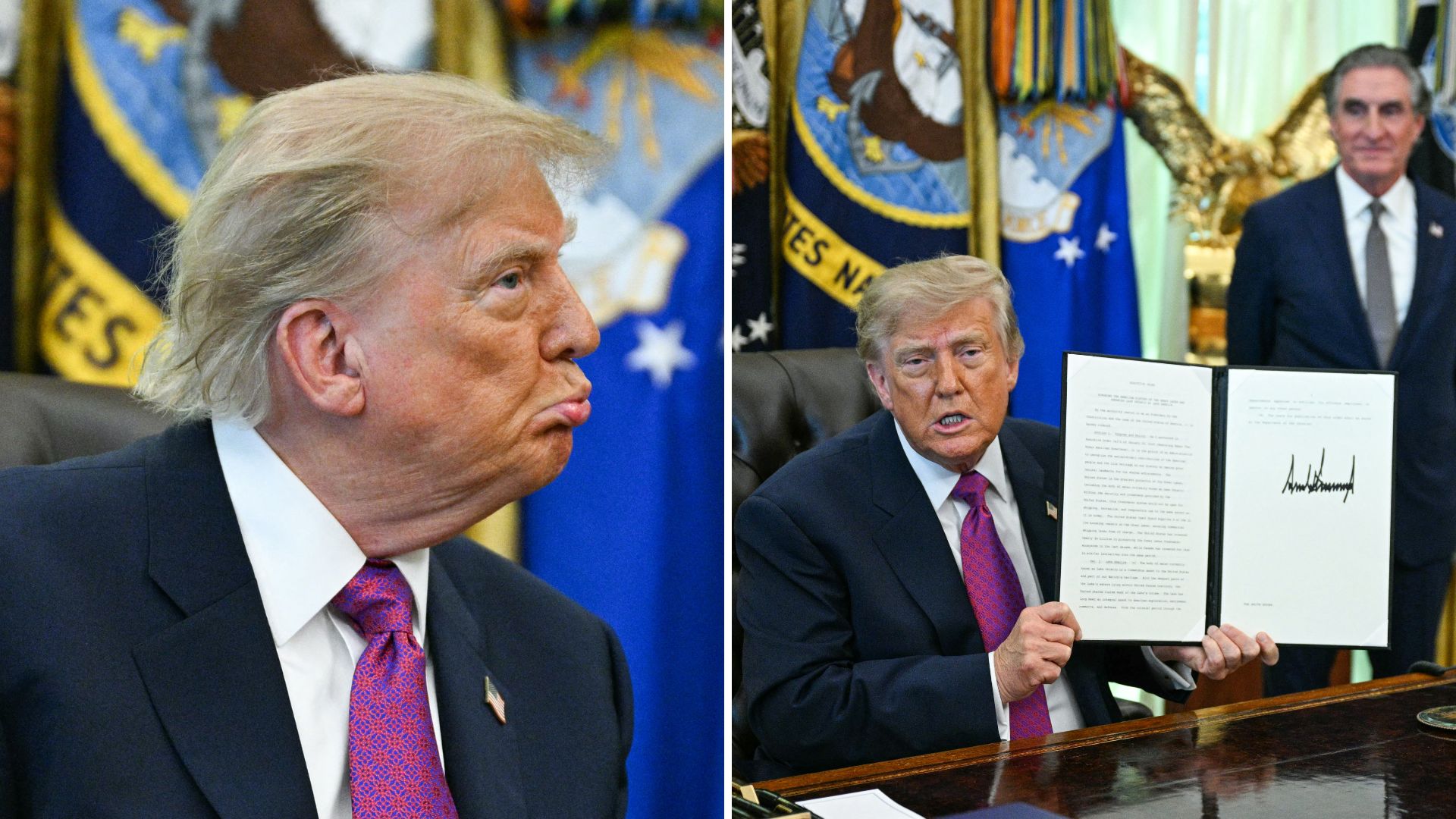 Trump signs executive order renaming Lake Ontario 'Lake America,' says 'All it takes is a good pen and some intelligence'
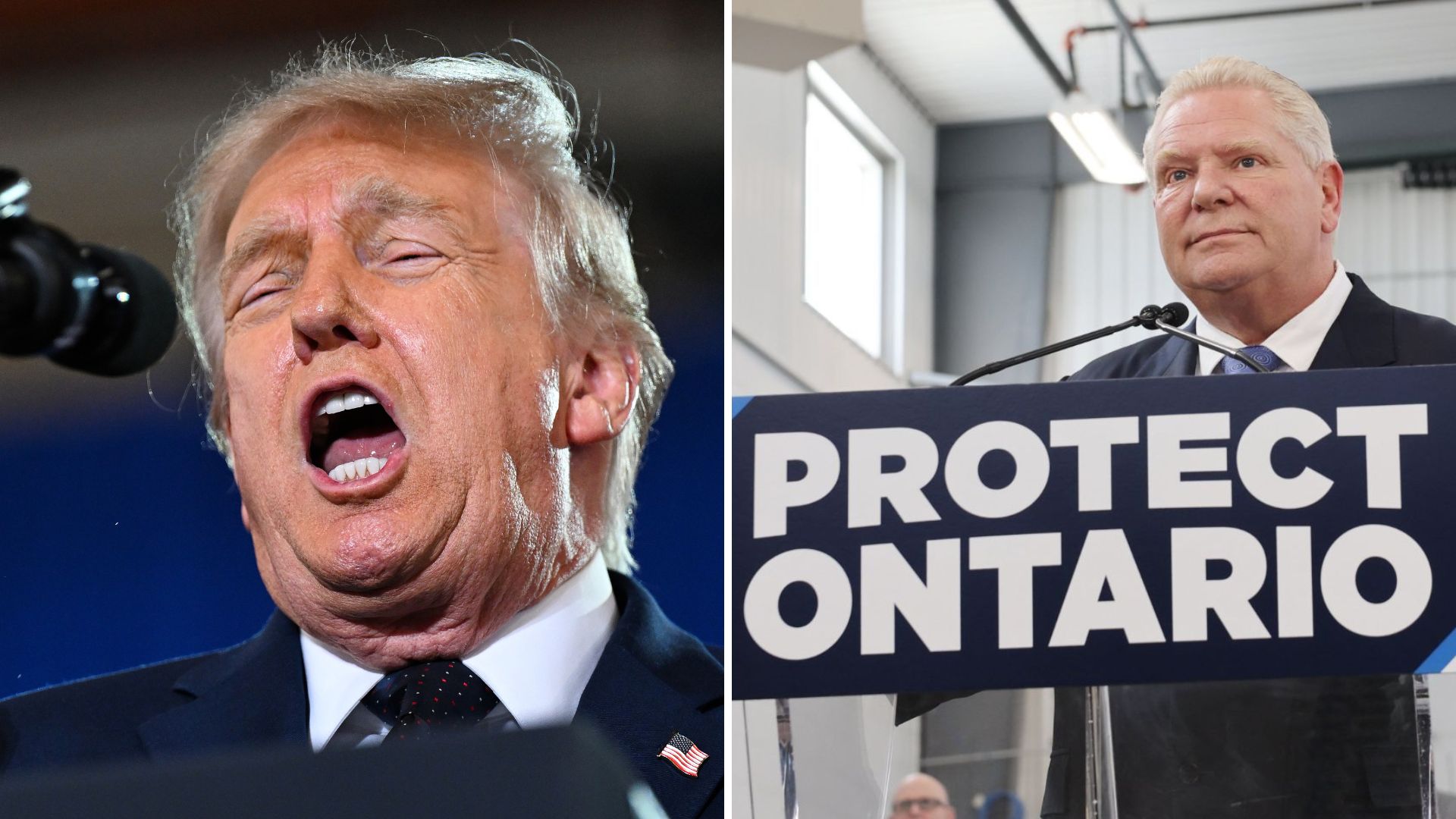 Trump-Doug Ford feud erupts as US.-Canada trade war turns personal