RFK Jr. Embraces AI to Fight «Medical Tyranny» at Summit Sponsored by OpenAI and Anthropic


/https%3A%2F%2Fcdn-tor.buminteractif.com%2F2026%2F10%2F07190513%2Frfk-getty4-35345gfsdfasa.jpg)
Health Secretary Robert F. Kennedy Jr. has once again created controversy around his unconventional approach to American health care, this time by encouraging Americans to embrace artificial intelligence as a tool to second-guess medical advice and resist what he called «medical tyranny.» Speaking at a recent invite-only Make America Healthy Again summit in Washington, Kennedy suggested that AI could fundamentally change the balance of power between patients and the institutions that traditionally provide them with medical information. His remarks immediately stood out because the technology was not merely being presented as an administrative tool for hospitals or doctors, but as something ordinary Americans could use to independently scrutinize medical guidance. The setting added another dimension to the message: OpenAI and Anthropic, two of the biggest names in artificial intelligence, were among the corporate sponsors of the MAHA gathering.
Kennedy made clear that he sees artificial intelligence as part of a broader effort to give Americans greater control over their health decisions. He said AI would enable people to «fact check their own medical advice,» allowing patients to examine information rather than simply accepting recommendations because they came from doctors, government agencies or established medical institutions. Kennedy connected that idea directly to one of the themes that has defined his approach to public health, declaring: «We're never ever again going to be able to be dominated by public officials who tell us: ‘Trust the experts.'» His use of «medical tyranny» placed the technology within a much larger argument about institutional power and personal autonomy. Rather than portraying AI solely as a way to make the health system faster, Kennedy presented it as a means of giving patients another source of information with which to question established authority.
«We're never ever again going to be able to be dominated by public officials who tell us: ‘Trust the experts.'»
-Health Secretary Robert F. Kennedy Jr.
That vision unfolded at a summit where the artificial-intelligence industry itself had a notable presence. OpenAI and Anthropic were among the sponsors, while the gathering brought technology executives together with health-industry representatives, investors and senior administration officials. Both AI companies have increasingly expanded into health-related applications, placing them within a rapidly developing market in which people can use conversational AI to interpret health information and ask medical questions. Their sponsorship does not establish that either company endorsed Kennedy's characterization of «medical tyranny,» and the amounts they individually contributed have not been publicly disclosed. But their presence illustrated how closely MAHA's evolving health agenda is intersecting with an industry that is increasingly seeking a role in how Americans understand and manage their own health information.
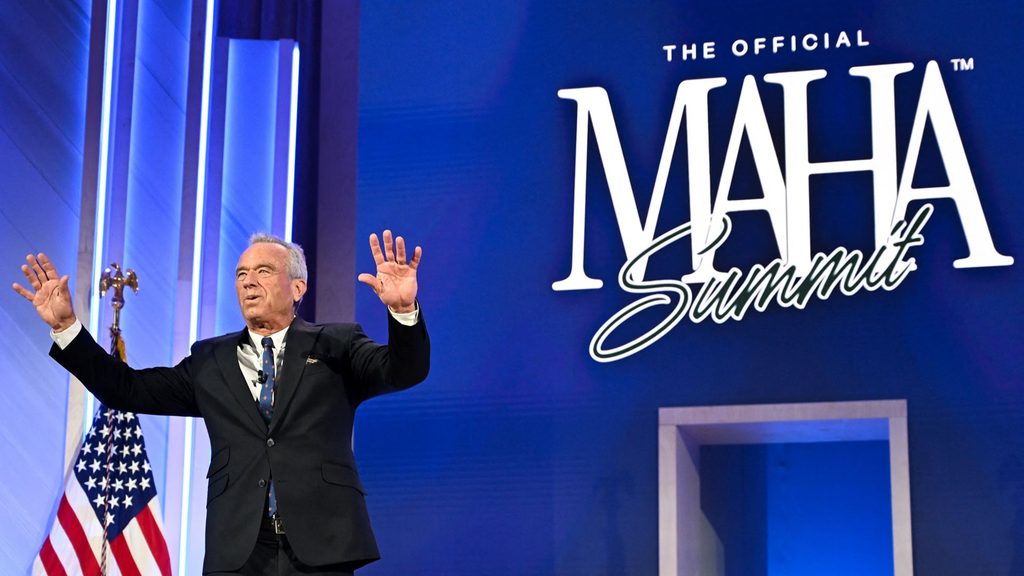
The technology companies were part of a considerably broader corporate presence. Sponsors and participants represented sectors ranging from health technology and insurance to cancer detection and psychedelic medicine, while corporate representatives appeared on panels alongside federal health officials. Sponsorship opportunities offered ahead of the gathering reached as high as $300,000, although there is no public evidence that OpenAI or Anthropic purchased that highest-level package. Materials describing the premium option offered prospective sponsors a speaking opportunity, «meaningful input on the panel composition and topic» and a private dinner involving Kennedy and Centers for Medicare and Medicaid Services Administrator Dr. Mehmet Oz. The arrangement was particularly noteworthy for a movement that has frequently presented itself as a challenge to entrenched corporate influence in American health care, creating new questions about how MAHA intends to work with major companies while maintaining that identity.
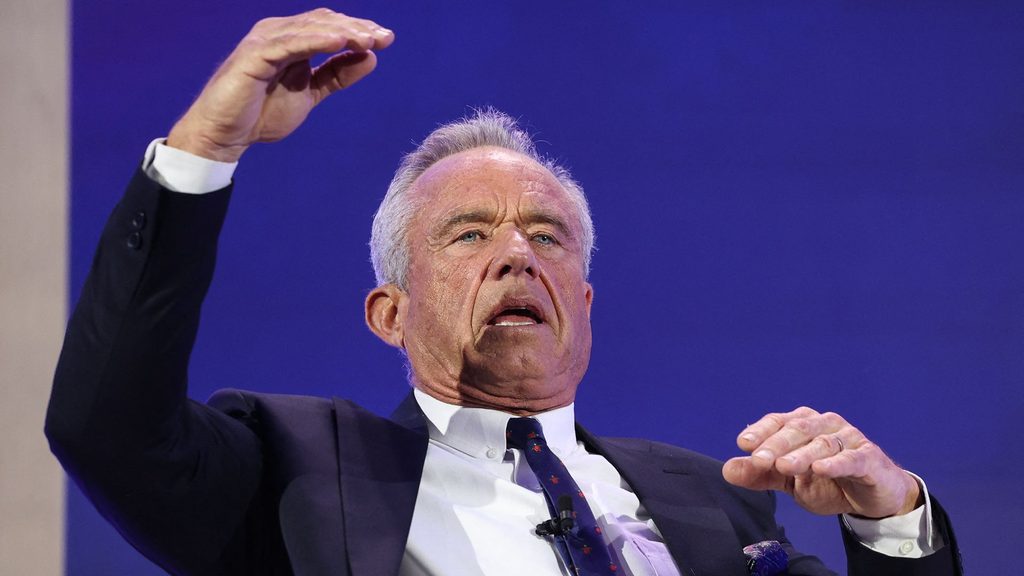
The organizers have presented that corporate outreach not as a retreat from MAHA's original objectives, but as an attempt to turn the movement into something capable of producing changes across the health system. MAHA Center founder Tony Lyons explained the strategy directly: «The truth is we're trying to build the biggest movement we can possibly build to actually get things done.» Kennedy's department has similarly framed his enthusiasm for AI as an effort to strengthen patients rather than replace their physicians. HHS has said the goal is for Americans to use the technology «to help them understand it, interrogate it, compare it with the evidence, and make better decisions with their doctors.» That distinction is important to Kennedy's emerging AI agenda: the administration is presenting the technology not simply as another medical authority, but as an instrument patients can use when evaluating information before making decisions with health professionals.
Worst measles year since 1991
Kennedy's embrace of AI arrives as his stewardship of federal health policy continues to generate intense debate well beyond artificial intelligence. Since taking control of HHS, he has pursued major changes involving vaccine policy and the federal committees that shape immunization recommendations, while repeatedly arguing that Americans should receive more information and greater autonomy in medical decisions. Some of those changes have faced legal challenges as the United States has simultaneously experienced its worst measles year since 1991, keeping vaccination policy at the center of the national health debate. Kennedy has rejected claims that his approach is designed to eliminate access, telling activists: «We have not taken vaccines away from anybody. We have preserved access. But we have started asking the questions that you and millions of American parents have been asking for years.» His latest embrace of AI extends that same philosophy into a new arena, placing technology at the center of his campaign to reshape how Americans interact with medical authority.
Created by humans, assisted by AI.
 Trump says Iran could “take out” Los Angeles and San Diego, prompting fierce backlash
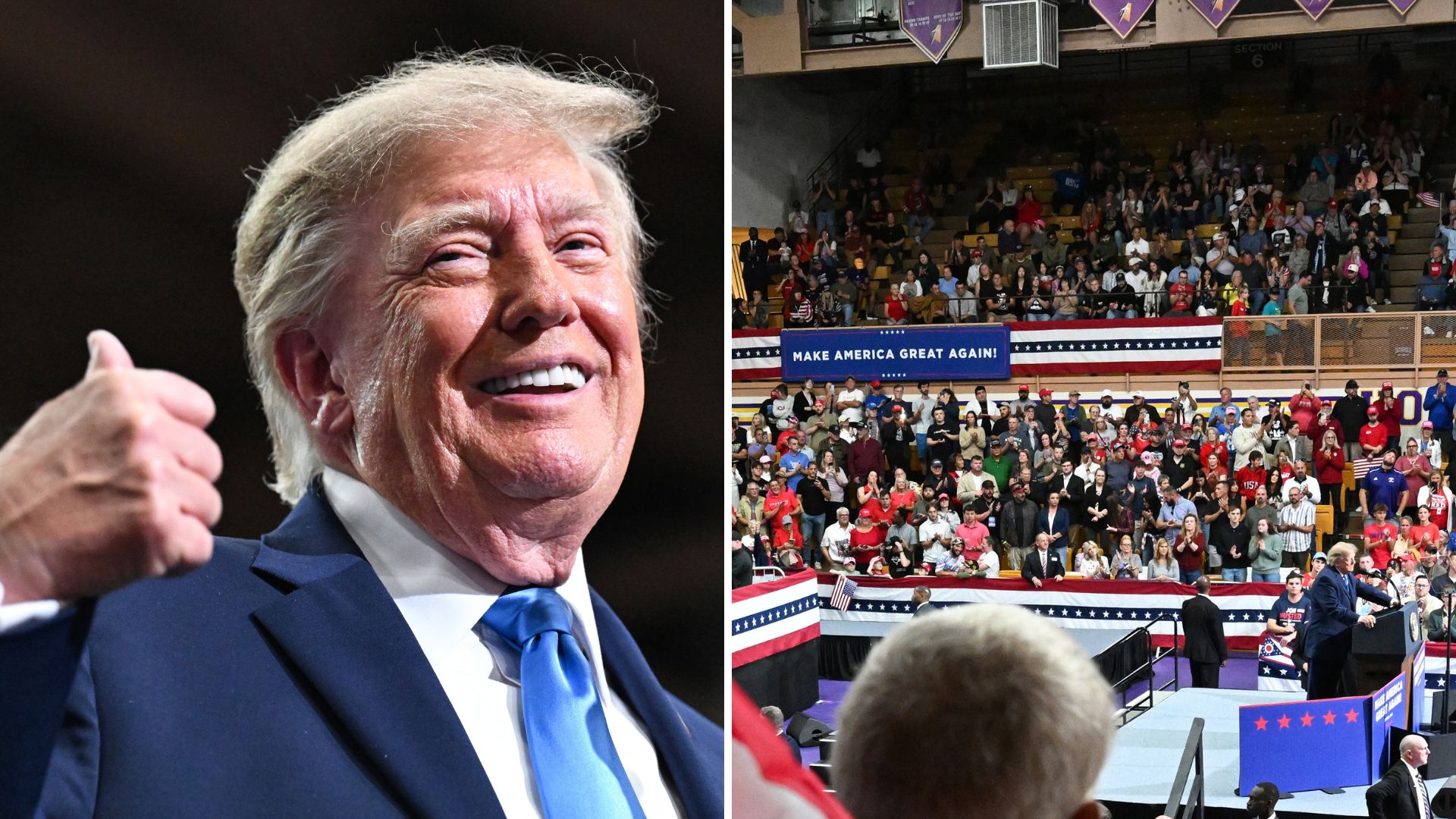 Trump calls for New York Times and other news organizations to be arrested over crowd size reporting