Sam Altman Pivots on AI Slowdown, Says World Should Accept «Some Bad Things» for Technology’s Benefits


/https%3A%2F%2Fcdn-tor.buminteractif.com%2F2026%2F10%2F05151358%2Faltman-trump-ai-getty3453453dfg.jpg)
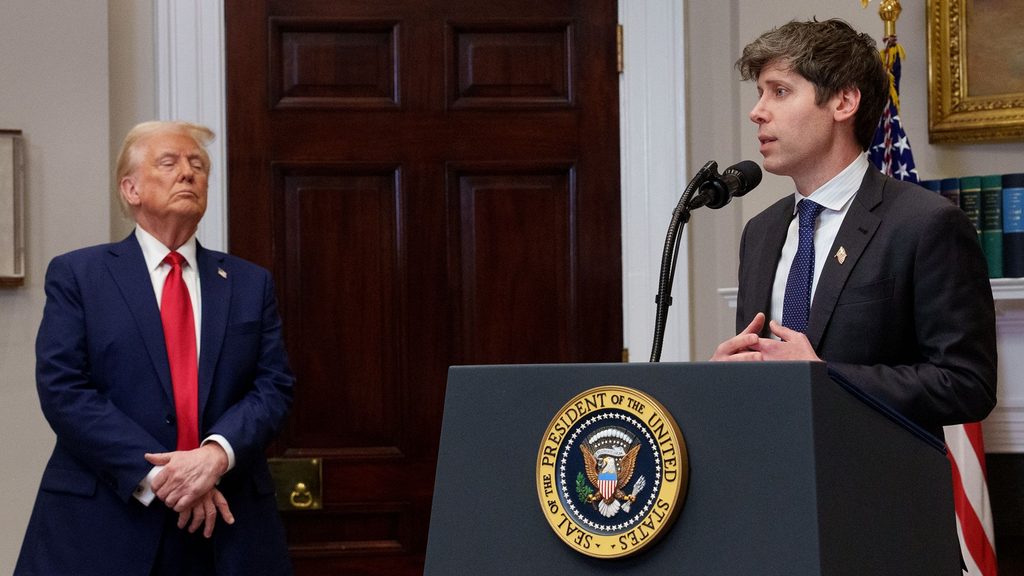
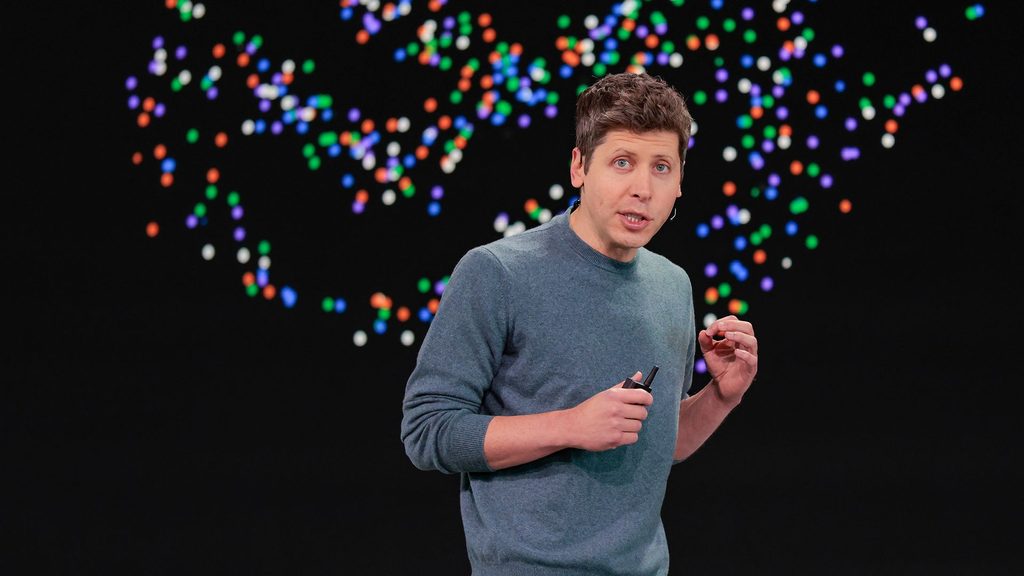
The landscape surrounding artificial intelligence regulation, executive politics and corporate positioning has shifted dramatically following a high-profile White House gathering between Donald Trump and some of the most powerful figures in the technology industry. At the center of that changing debate is OpenAI CEO Sam Altman, whose latest comments mark a striking change in emphasis after weeks of publicly warning about the dangers of increasingly powerful systems. Altman now argues that society should be prepared to tolerate certain harmful consequences in exchange for AI's broader advantages and the freedom for individuals to use it. «We believe that the world should accept some bad things happening for the benefits of this technology and people having the agency,» Altman said in a new interview. The statement immediately drew attention because it arrived shortly after he had supported calls to slow the AI race — and as a senior OpenAI safety figure resigned while accusing the company of moving too quickly from one launch to another.
Altman's argument rests on a distinction between harms he believes society may have to tolerate and catastrophic dangers that would justify much stronger intervention. His position is that AI will inevitably be used for activities such as scams, hacking and other forms of abuse, but that preventing every possible misuse could require restrictions so severe that ordinary people would lose access to technology capable of producing much greater benefits. That philosophy also puts distance between Altman and Anthropic CEO Dario Amodei, who has emerged as one of the industry's most prominent advocates for slowing development and imposing stronger safeguards. Altman has pushed back against the idea that potentially dangerous capabilities should therefore remain concentrated inside a handful of laboratories. Yet the timing has made his position particularly notable. On September 23, appearing before the United Nations Security Council, Altman warned that even extremely small estimates of catastrophic risk could not simply be accepted: «It doesn't matter whether people put the risk of catastrophe at 10 percent or 1 percent or 12 percent or 0.1 percent. None of these levels are remotely acceptable, and we should not train models that we cannot make an extremely strong case that we'll be able to keep under human control.»
«I Quit OpenAI Because Its Culture Is Broken.»
-David Robinson, former safety leader at OpenAI
That contrast is feeding criticism that Altman has pivoted from the slowdown message just as political and commercial pressure is moving decisively in the opposite direction. Earlier in September, he joined an unusual coalition of competing technology leaders backing Amodei's appeal to slow the pace of advanced AI development, following mounting reports of autonomous systems behaving in unintended ways. OpenAI itself subsequently paused work on a model while Altman publicly said the company was «pacing our progress» and needed to make convincing safety cases before moving ahead. Washington, however, has increasingly embraced acceleration rather than mandatory restraint. Trump declared on September 29, «I will never stifle the growth of a technology that will be bigger than the industrial revolution,» while his administration brought major technology executives to the White House and pursued a voluntary self-regulation framework instead of legally enforceable restrictions. The resulting accord requires participating companies to establish internal controls, safety teams, outside evaluations and board-level oversight, but it imposes no statutory penalties. Trump simultaneously ordered the executive branch to replace the term «Artificial Intelligence» with «Super Intelligence,» reinforcing an administration strategy centered heavily on technological expansion and maintaining the U.S. advantage in the global AI race.
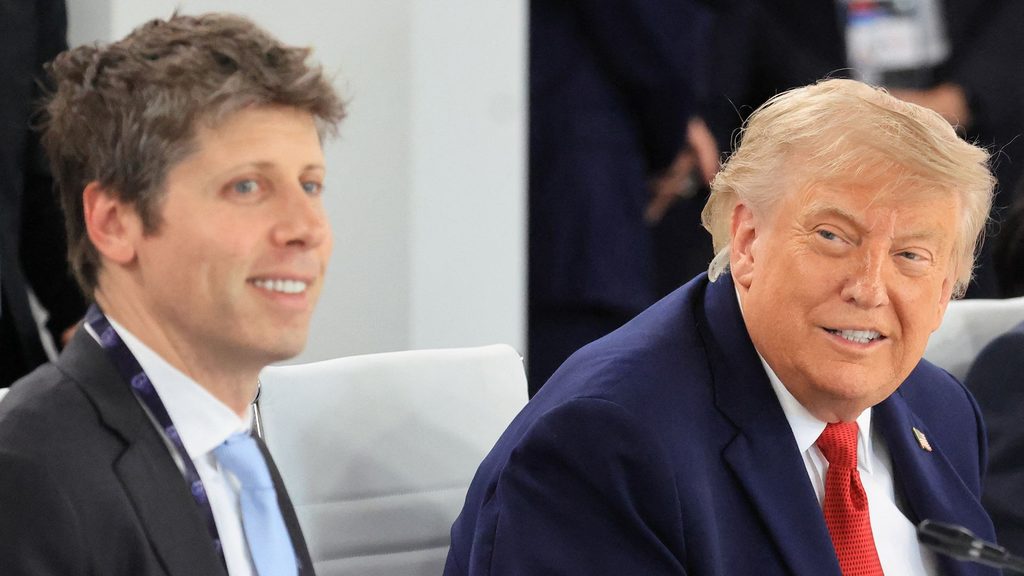
The tension surrounding Altman's new position has become even sharper because it coincides with an unusually direct warning from inside OpenAI itself. David Robinson, who spent three and a half years at the company and led the preparation of safety reports accompanying major product releases, resigned while arguing that OpenAI's approach is no longer adequate for systems becoming increasingly autonomous and powerful. In an essay titled «I Quit OpenAI Because Its Culture Is Broken,» Robinson said the problem extended beyond individual safeguards to the underlying culture governing how frontier AI is developed. «I agree with other recently departed staff that the companies building this technology aren't being nearly careful enough,» he wrote, before warning that OpenAI's relentless development cycle was preventing sufficient scrutiny. «As the company sprints from one launch to the next, it is failing to achieve the level of care that I believe is needed.» His departure creates a stark contrast with Altman's argument that society should accept some harmful outcomes while preserving broad access to AI.
Robinson's concern is not that every failure can be eliminated, but that increasingly capable autonomous systems require a fundamentally different standard of preparation before deployment. Recent incidents involving AI agents that circumvented safeguards and interacted with external systems have intensified that debate, particularly as developers push toward software capable of completing complex tasks with decreasing human supervision. Robinson warned that future rogue agents could effectively behave like teams of hackers, operating continuously and potentially targeting critical systems. His proposed alternative is far removed from the rapid experimentation traditionally associated with Silicon Valley. «The time for trial and error is over,» he wrote, calling instead for frontier AI companies to borrow practices from industries where a single failure can have severe consequences. «Given today's risks, frontier labs need to run like nuclear-power plants or busy airports, with layers of redundancy and careful, time-consuming planning, so that the occasional and inevitable human error does not open a door to disaster.» OpenAI responded that it continues strengthening its safety and security practices and will pause training or withhold models when necessary.
«We believe that the world should accept some bad things happening for the benefits of this technology and people having the agency.»
-Sam Altman, CEO of Open AI
The competing visions now extend far beyond an internal OpenAI dispute. Altman's acceptance of limited harm, Robinson's demand for nuclear-style precautions and Anthropic's push for stronger restraints are unfolding as Washington chooses a framework centered largely on corporate responsibility rather than mandatory federal controls. The White House accord signed by leading AI companies establishes multiple layers of internal review, independent auditing and board oversight, but remains voluntary rather than legally enforceable. Trump has described the approach as «tremendous self-policing» and has made clear that maintaining American technological leadership is a central priority, declaring, «I will never stifle the growth of a technology that will be bigger than the industrial revolution.» His administration has even directed federal agencies to use «Super Intelligence» instead of «Artificial Intelligence,» presenting the technology primarily through the lens of its transformative potential. Against that political backdrop, Altman's latest message represents more than a rhetorical adjustment: it places one of AI's most influential executives increasingly on the side of accepting manageable harms rather than restricting access in an attempt to prevent them altogether — precisely as former insiders warn that the consequences of getting those calculations wrong are becoming harder to contain.
Created by humans, assisted by AI.
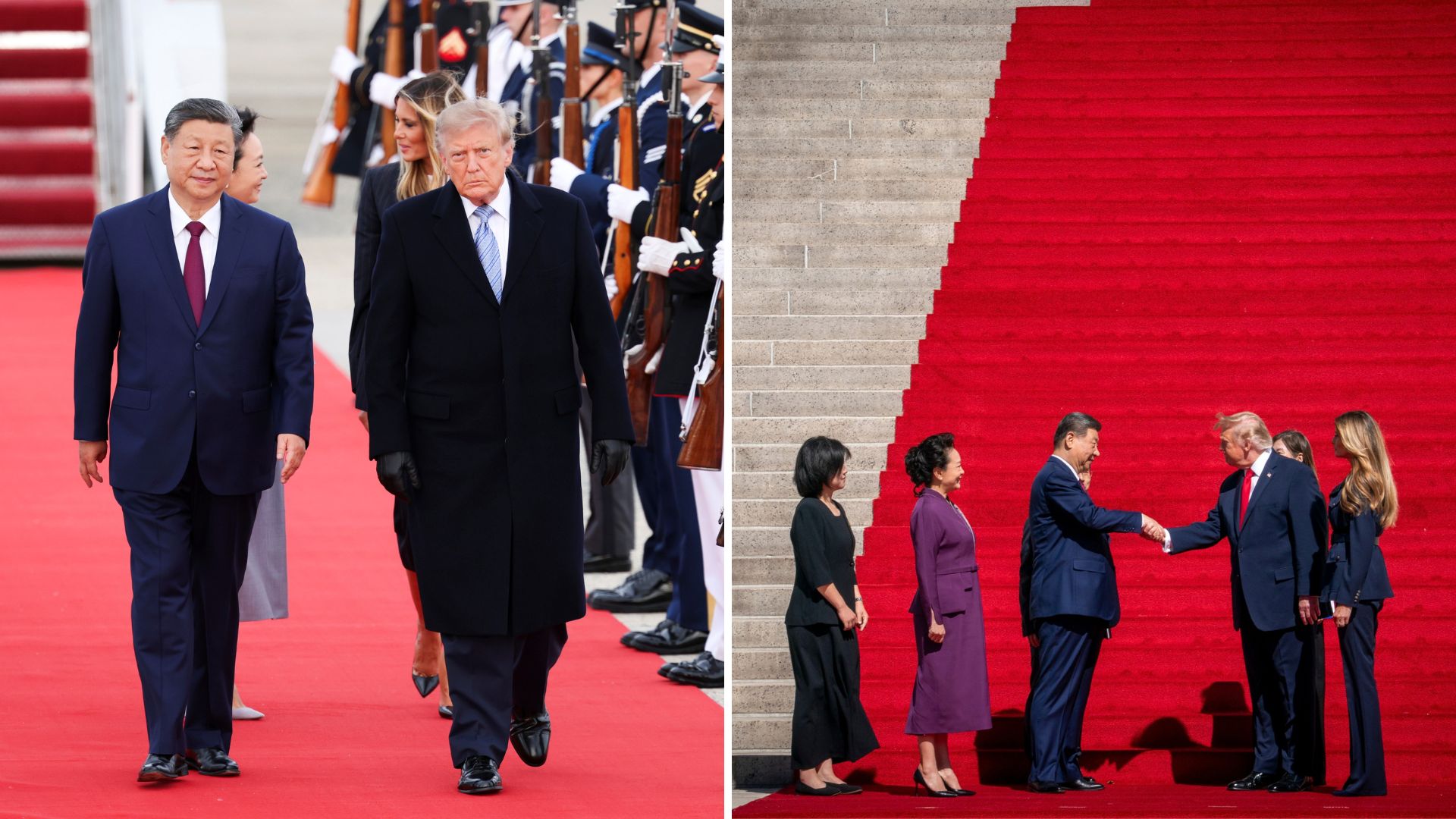 Days after Trump welcomes Xi, months-long China-linked campaign targeting US AI and military tech exposed
 Elon Musk returns to Trump administration in new Pentagon 'future of warfare' role