Secret Service Agent on JD Vance’s Detail Placed on Leave Over Suspected Media Leak


/https%3A%2F%2Fcdn-tor.buminteractif.com%2F2026%2F07%2F23145836%2Fvance-getty-3453gdfgdhs345354.jpg)
The Trump administration's campaign to eliminate unauthorized government leaks has reached the U.S. Secret Service after a federal agent assigned to Vice President JD Vance's protective detail was placed on administrative leave and had his security clearance suspended amid an expanding internal investigation. Authorities are examining whether the employee improperly shared sensitive operational information with the media, a case that officials reportedly view as extending beyond a routine disciplinary matter because it involves the security of one of the nation's highest-ranking elected officials. The investigation comes as the White House continues to pursue an increasingly aggressive strategy against confidential government sources, arguing that leaks involving security operations and executive protection can jeopardize both personnel and protectees. Recent efforts across the federal government have included internal leak investigations, expanded scrutiny of employees with access to sensitive information and criminal inquiries into disclosures that officials believe compromise operational security. Against that backdrop, the allegations surrounding Vance's protective team have quickly become one of the administration's highest-profile leak investigations, drawing the attention of the Secret Service, the FBI and senior White House officials.
Federal investigators believe the suspended employee may have acted as a confidential source for a recent report published by MS NOW that described growing frustration among members of JD Vance's protective detail. According to the report, some agents had become increasingly dissatisfied with what they considered burdensome personal and family travel requests that complicated security planning and stretched operational resources. While those reported frustrations attracted public attention, officials were far more concerned about the disclosure of specific logistical information relating to the vice president's movements. The article reportedly revealed plans for Vance to travel aboard a Marine Corps helicopter with his son to attend a golf lesson, a trip that was ultimately cancelled because severe thunderstorms made the flight impossible. Even though the mission never took place, investigators reportedly viewed the publication of active transportation plans, military aviation arrangements and operational timelines as a potentially serious breach because such information can expose protective procedures, planning methods and travel patterns that are ordinarily kept confidential for security reasons. The disclosure reportedly infuriated officials within the Secret Service, the FBI and the White House, who immediately launched efforts to determine the source of the leak.
«While we will not comment on the specifics of this matter» before emphasizing that «one principle is unequivocal: any conduct that undermines the trust and confidence between a protectee and their protective detail is fundamentally incompatible with our mission and will not be tolerated.»
– Chief of Communications, Anthony Guglielmi
The controversy has intensified as the Secret Service confronts a second alleged security lapse involving the same protective division. Separately from the media leak investigation, undercover footage released by O'Keefe Media Group allegedly showed an agent identified as Tomas A. Escotto discussing internal shift schedules, handing his badge to a woman described as a date inside a public restaurant and making disparaging political remarks about Donald Trump's immigration policies. The combined incidents prompted Deputy Secret Service Director Matthew Quinn to suspend the employee's security clearance, revoke all physical and digital access to agency facilities and order Secret Service personnel to immediately complete mandatory anti-espionage training designed to reduce the risk of employees being exploited by outside actors seeking confidential information. At the same time, the agency confirmed that the original leak investigation remains active. Chief of Communications Anthony Guglielmi said that «A member of the Vice Presidential Protective Division is the subject of an administrative investigation, and potential criminal inquiry, involving allegations of compromising operational and information security», adding «While we will not comment on the specifics of this matter» before emphasizing that «one principle is unequivocal: any conduct that undermines the trust and confidence between a protectee and their protective detail is fundamentally incompatible with our mission and will not be tolerated.»
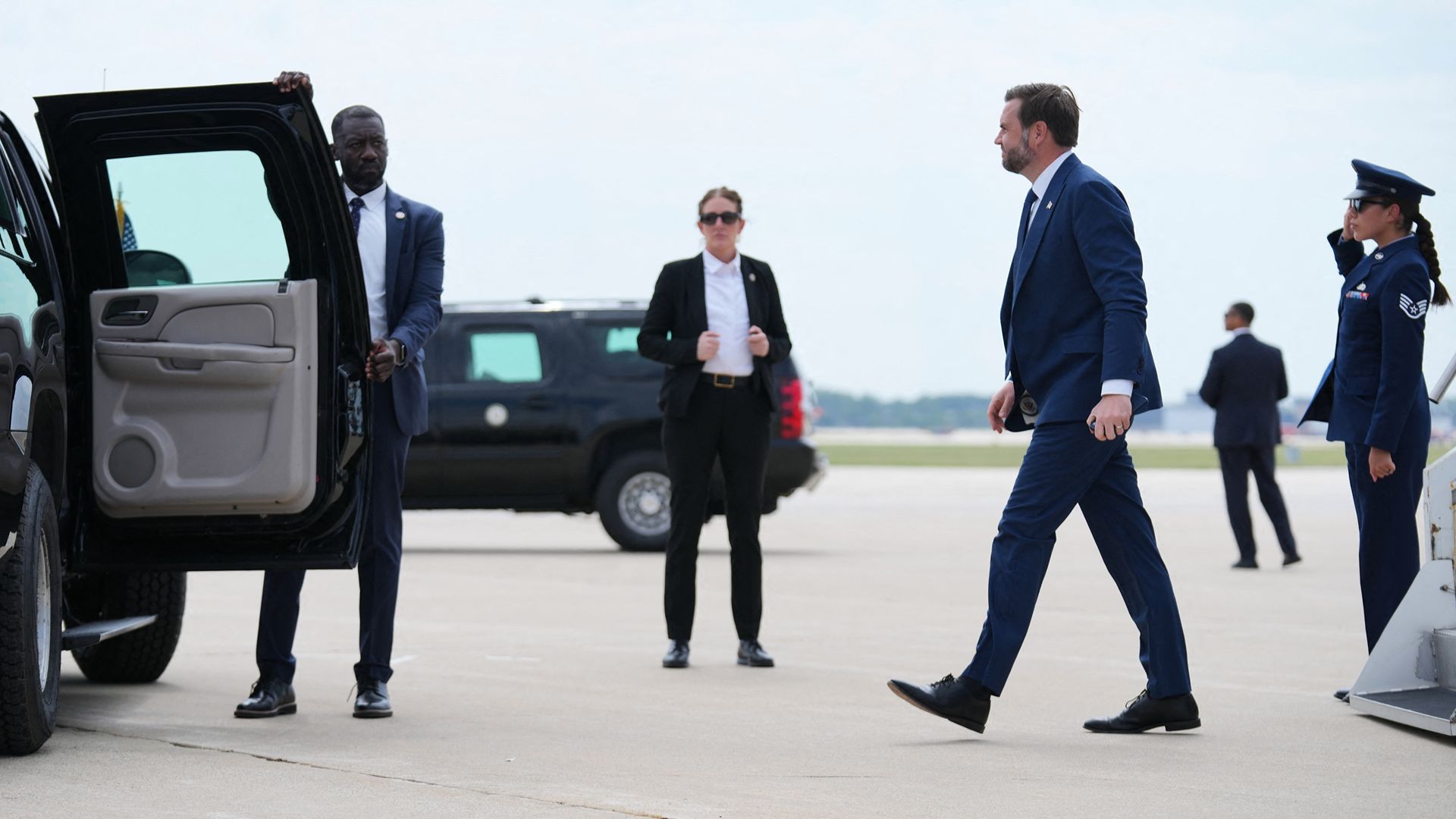
The investigation into the Secret Service agent is unfolding as part of a much broader effort by the Trump administration to identify and punish government employees accused of providing confidential information to the press. Since returning to office, senior administration officials have repeatedly argued that unauthorized disclosures involving national security, intelligence, executive protection or internal government deliberations should be treated as serious violations of federal law rather than routine interactions between officials and journalists. That position has translated into a series of increasingly aggressive legal and administrative actions across multiple federal agencies, with investigators seeking to identify confidential sources through internal reviews, criminal referrals and expanded surveillance of potential leaks. The administration maintains that such disclosures can compromise ongoing operations, expose sensitive government capabilities and endanger public officials, while critics argue the campaign risks discouraging legitimate whistleblowers and placing unprecedented pressure on members of the press and their sources.
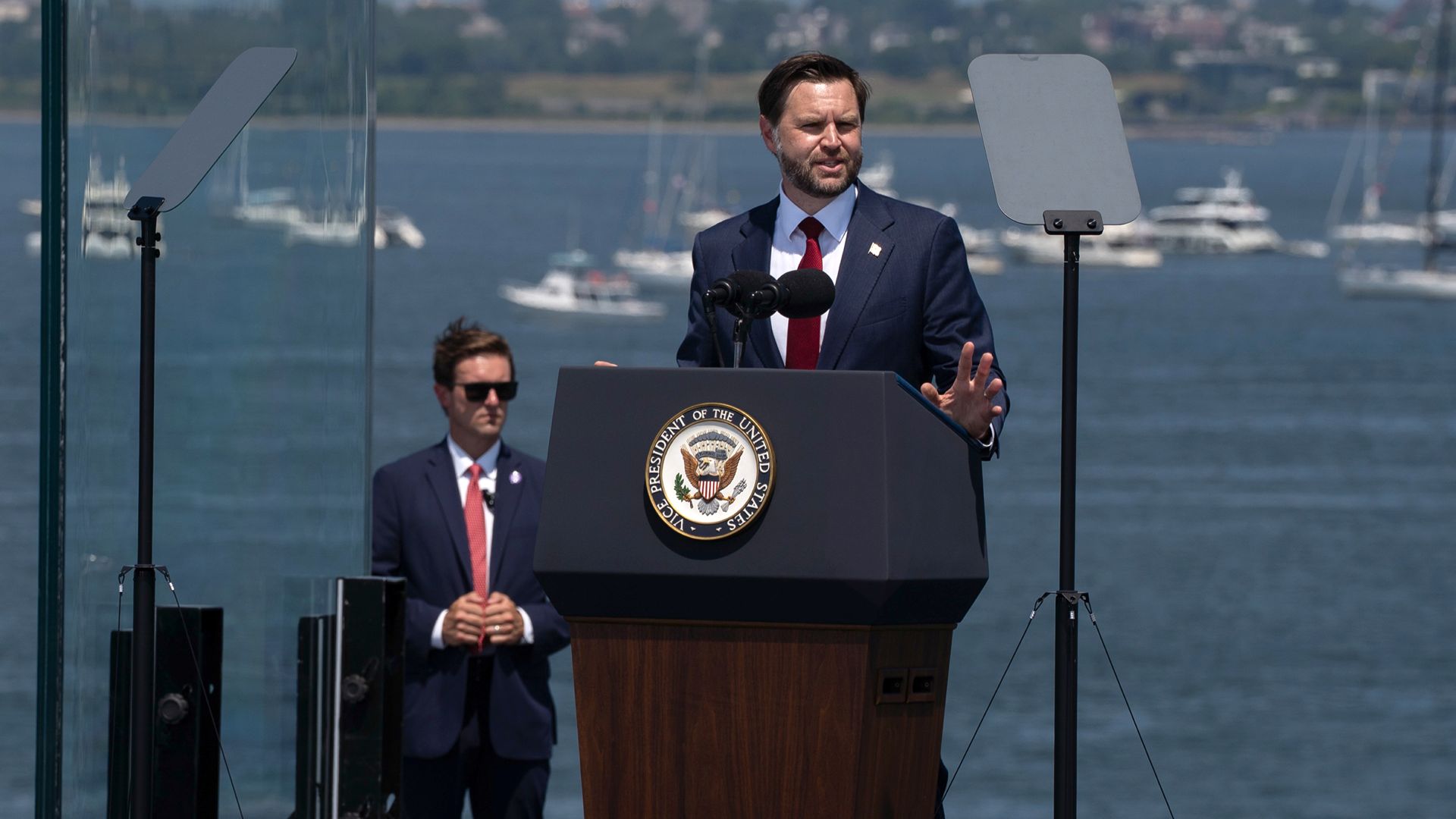
One of the most significant fronts in that campaign has centered on the Department of Justice's efforts to uncover the sources behind recent reporting involving the president and national security matters. Earlier this month, federal prosecutors issued grand jury subpoenas to four New York Times reporters as part of an investigation into leaked government information, compelling them to testify about confidential sources. The inquiry reportedly stems from reporting describing security modifications and specialized onboard features of a new presidential aircraft gifted to Donald Trump by Qatar, information the administration contends should never have entered the public domain. Court filings also revealed that investigators sought phone records belonging to several New York Times journalists, along with records connected to members of their families, in an attempt to trace communications that could identify the government officials responsible for the disclosures. Attorneys representing the newspaper have argued that the Justice Department's requests extend back to Jan. 1, well before publication of the aircraft story, suggesting investigators are conducting a much broader search for confidential source networks operating inside the federal government.
«A member of the Vice Presidential Protective Division is the subject of an administrative investigation, and potential criminal inquiry, involving allegations of compromising operational and information security.»
– Chief of Communications, Anthony Guglielmi
The allegations involving JD Vance's protective detail have therefore become another prominent example of the administration's expanding anti-leak strategy, illustrating how officials are responding when they believe operational security has been compromised. While the Secret Service has not publicly identified the employee under investigation or announced whether criminal charges will ultimately be pursued, the agency has already imposed some of its most severe internal administrative measures by suspending the employee's security clearance, removing all access to Secret Service facilities and computer systems and launching a formal investigation through its Office of Professional Responsibility. The outcome of that inquiry could determine whether the matter remains an internal disciplinary case or evolves into a federal criminal prosecution. Regardless of the final result, the case underscores the administration's determination to pursue suspected leaks aggressively and signals that employees with access to sensitive protective information should expect heightened scrutiny as federal authorities continue their campaign against unauthorized disclosures.
Created by humans, assisted by AI.
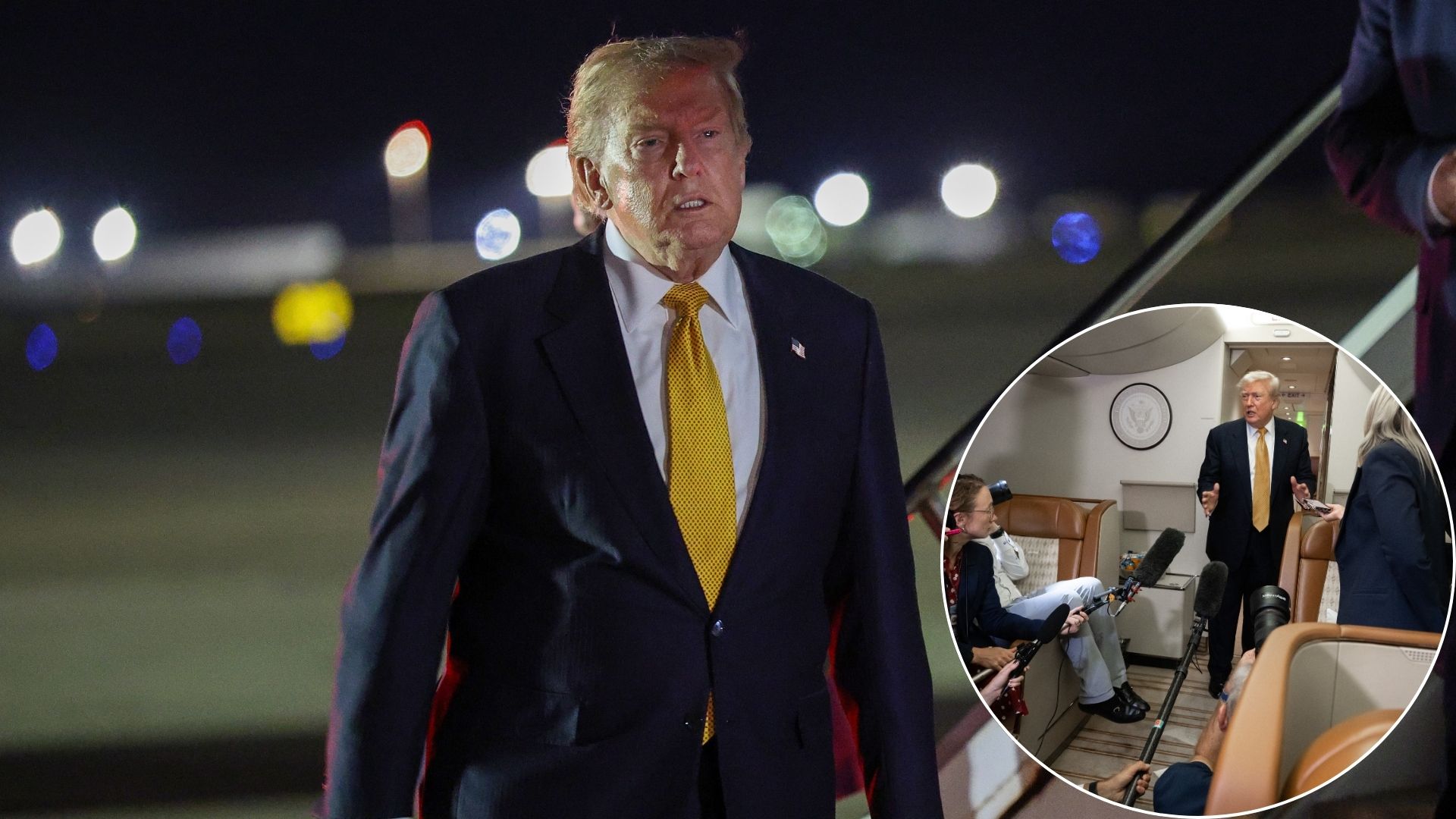 Trump warns reporters: “If I go, you go” as Iran threat forces plane change
 Joe Biden loses appeal to block release of memoir interview audio