Trump Hits Canada With 50% Tariffs, Accuses Ottawa of «Discriminatory Treatment» Days After Wildfire Smoke Threats


/https%3A%2F%2Fcdn-tor.buminteractif.com%2F2026%2F07%2F21144256%2Ftrump-canada-getty3456345dfgdfg.jpg)
Donald Trump unexpectedly escalated his trade dispute with Canada by announcing sweeping new 50% tariffs on a broad range of Canadian goods only days after threatening Prime Minister Mark Carney with economic consequences over wildfire smoke drifting into the United States. The move surprised many observers because it linked another major escalation in the already strained bilateral relationship so soon after Trump publicly suggested Canada could face additional penalties over what he described as poor forest management. Instead of tying the new measures to environmental issues, however, the White House formally justified the decision as a response to what it called Canada's unfair treatment of American exports. The tariffs were imposed through three presidential proclamations signed under Section 338 of the Tariff Act of 1930, a little-used law allowing the president to respond when another country places U.S. commerce at a competitive disadvantage. The duties will apply 30 days after signing and target numerous Canadian products, while energy, potash, critical minerals, fish and goods already covered by certain national-security tariffs remain exempt.
The Trump administration framed the decision as a necessary effort to restore reciprocity in trade, arguing that Canada has repeatedly disadvantaged American exporters through restrictions affecting automobiles, alcoholic beverages and dairy products. Announcing the measures, the White House stated: «Today, President Donald J. Trump signed three Proclamations pursuant to Section 338 of the Tariff Act of 1930 to impose additional 50% tariffs on certain goods of Canada in response to Canada's discriminatory treatment of American products.» The administration argued that the tariffs would offset the burden imposed on American businesses by Canadian policies that it considers unequal and protectionist. According to the White House, Canadian imports of U.S. motor vehicles declined by approximately 22%, or $5.6 billion, between April 2025 and March 2026 compared with the previous year, while imports from other countries increased. It also cited an 81% drop in Canadian imports of American alcoholic beverages after most provinces halted their sale. The administration summarized its position by declaring: «President Trump is taking action to hold Canada accountable for its continued discrimination against and unreasonable and unequal treatment of U.S. commerce that has burdened and disadvantaged hardworking Americans.»
«This is the latest in a series of unilateral U.S. trade actions that began with the U.S. imposing a series of tariffs in direct violation of the Canada-United States-Mexico Agreement (CUSMA), the free trade agreement between Canada, the United States, and Mexico.»
-Prime Minister of Canada, Mark Carney
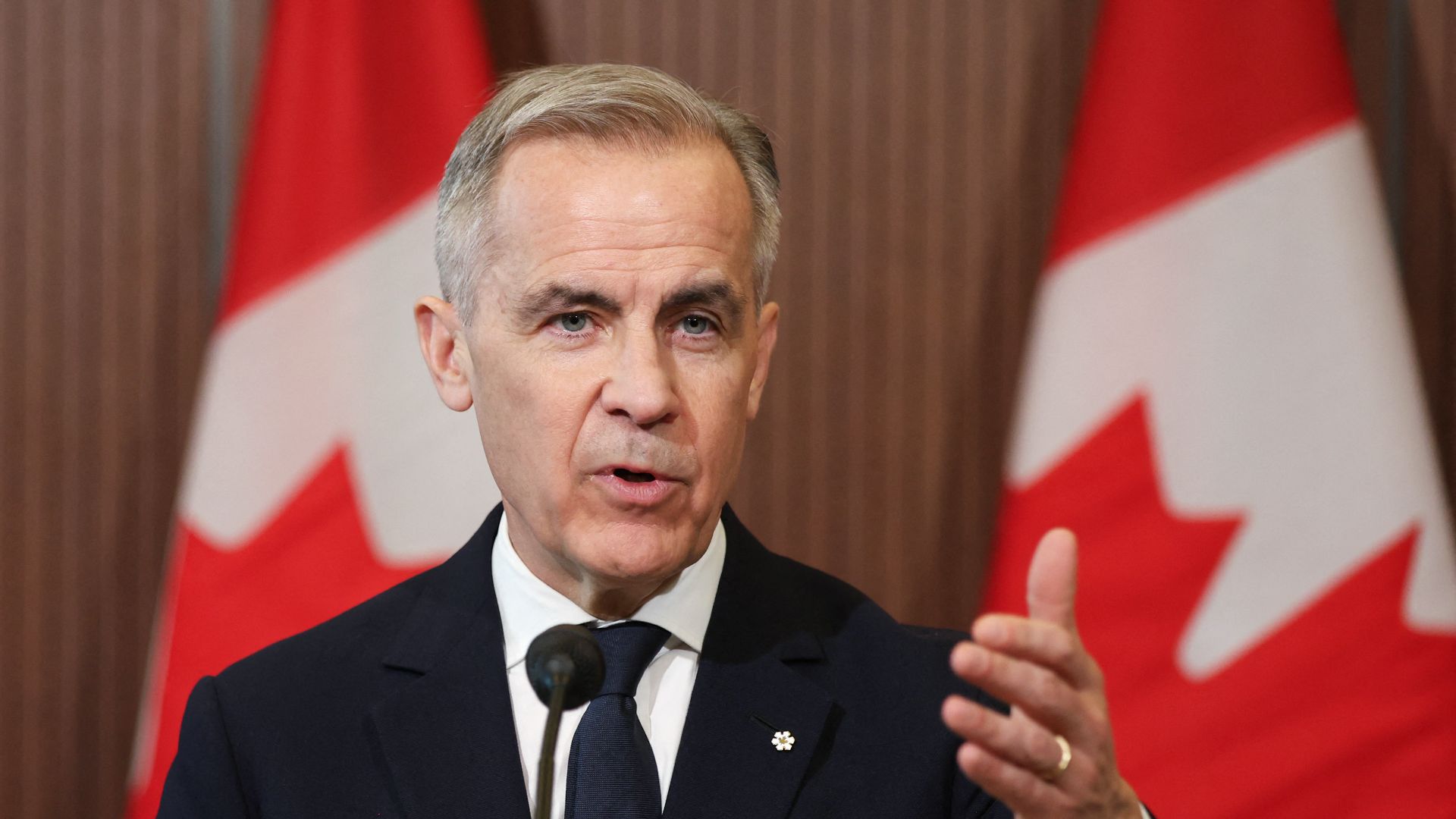
Carney swiftly rejected Washington's justification, maintaining that Canada's actions were a direct response to tariffs first imposed by the United States in violation of the continental free-trade agreement. In a statement released shortly after Trump's announcement, the prime minister said: «This is the latest in a series of unilateral U.S. trade actions that began with the U.S. imposing a series of tariffs in direct violation of the Canada-United States-Mexico Agreement (CUSMA), the free trade agreement between Canada, the United States, and Mexico.» Carney argued that Canada had merely matched American measures while continuing to seek a negotiated settlement capable of modernizing CUSMA for both countries. He emphasized that Ottawa had already presented detailed proposals to Washington and remained committed to further discussions despite the latest escalation. Reaffirming that position, Carney concluded: «Canada stands ready to engage intensively to address outstanding issues with the U.S. to the mutual benefit of our citizens. In all circumstances, Canada will work relentlessly and take any measures necessary to build our strength at home and to support Canadian workers, farmers, businesses, and families.»
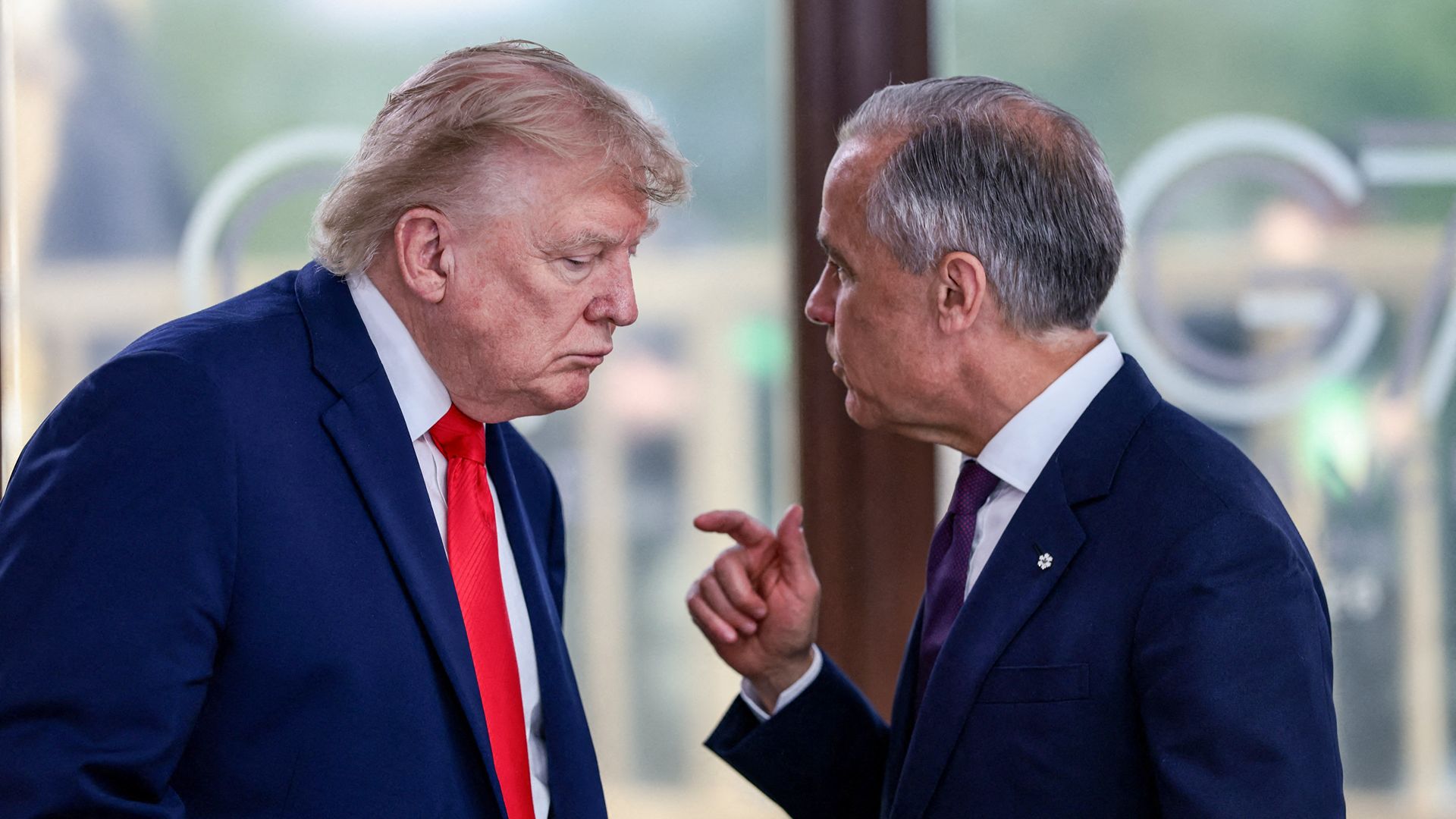
The tariff announcement arrived only days after Trump dramatically widened his criticism of Canada by blaming the country for wildfire smoke that spread across several American states. During the FIFA World Cup final and later on Truth Social, the president argued that Canadian authorities had failed to properly manage forests and brush, allowing hazardous smoke to cross the border and impose significant economic and public health costs on the United States. Trump warned Prime Minister Mark Carney that Canada needed to «stop these fires from coming in» and suggested the country should «pay us some damages» for what he characterized as the consequences of negligent forest management. The president also threatened to increase existing tariffs if the situation continued, making the latest trade action particularly notable because it followed almost immediately after those warnings. While the White House officially based the new duties on alleged discrimination against American exports rather than wildfire-related grievances, the timing reinforced the impression that tensions between the two governments had expanded well beyond traditional trade disputes into broader political disagreements.
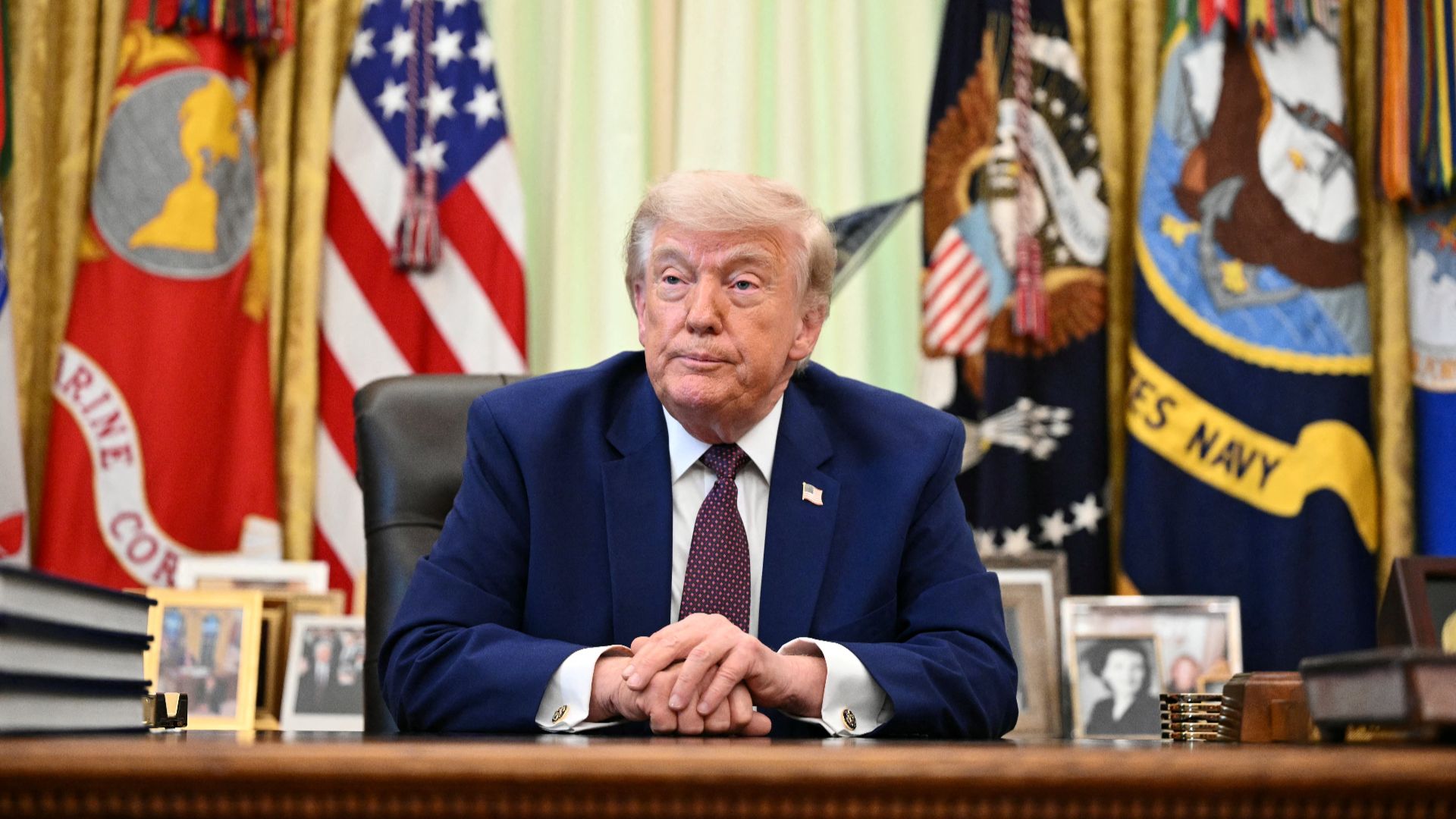
The dispute has also gained support from some lawmakers in Washington, where Senator Bernie Moreno introduced the proposed Canada Fire Act. The legislation would authorize the president to impose penalties on Canada over wildfire smoke affecting the United States, including suspending certain federal loans to Canadian government-owned entities, restricting Canadian wildfire officials from entering the country and potentially expelling Canada's ambassador to Washington. Canadian officials have strongly rejected the accusations underlying those proposals. Carney has repeatedly highlighted Canada's extensive wildfire response, pointing to a $12-billion commitment and more than 5,000 firefighters deployed across the country as crews battle severe drought conditions and hundreds of active fires. Ontario Premier Doug Ford has likewise dismissed Trump's threats as unjustified, arguing that devastating wildfires are a recurring challenge on both sides of the border. Canadian environmental officials have also noted that changing weather patterns recently pushed smoke from major wildfires burning in Washington and Oregon northward into British Columbia, triggering air quality alerts inside Canada rather than the United States.
«President Trump is taking action to hold Canada accountable for its continued discrimination against and unreasonable and unequal treatment of U.S. commerce that has burdened and disadvantaged hardworking Americans.»
-A Statement from the White House
The latest measures further deepen one of the most significant trade confrontations between Canada and the United States in decades and raise fresh uncertainty over the future of CUSMA. The Trump administration argues that Section 338 provides the legal authority to respond whenever foreign governments place American exporters at a disadvantage compared with competitors from other countries. Officials maintain that the tariffs are intended to restore reciprocity while supporting domestic manufacturing, reducing trade imbalances and encouraging additional investment in the United States as part of Trump's broader America First economic agenda. Ottawa, however, continues to argue that Washington is violating the principles of the very trade agreement negotiated between the three North American partners while increasing costs for businesses and consumers on both sides of the border. Unless negotiations produce a breakthrough before the measures take effect in 30 days, the new 50% tariffs could trigger another round of retaliation and further strain an economic relationship that remains one of the largest and most integrated in the world.
Created by humans, assisted by AI.
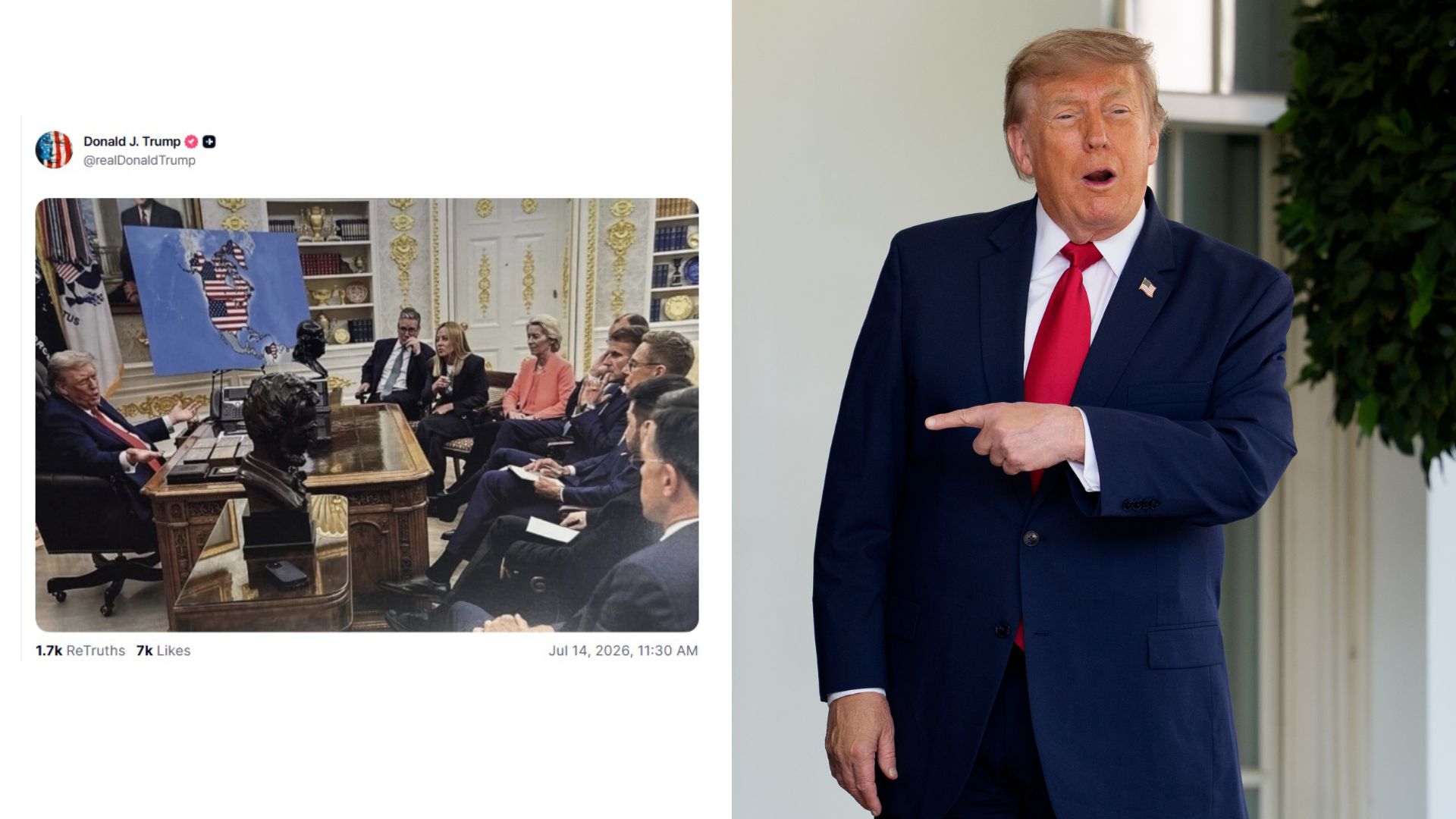 Trump sparks outrage with AI image showing Canada, Greenland, Cuba and Venezuela as US territory
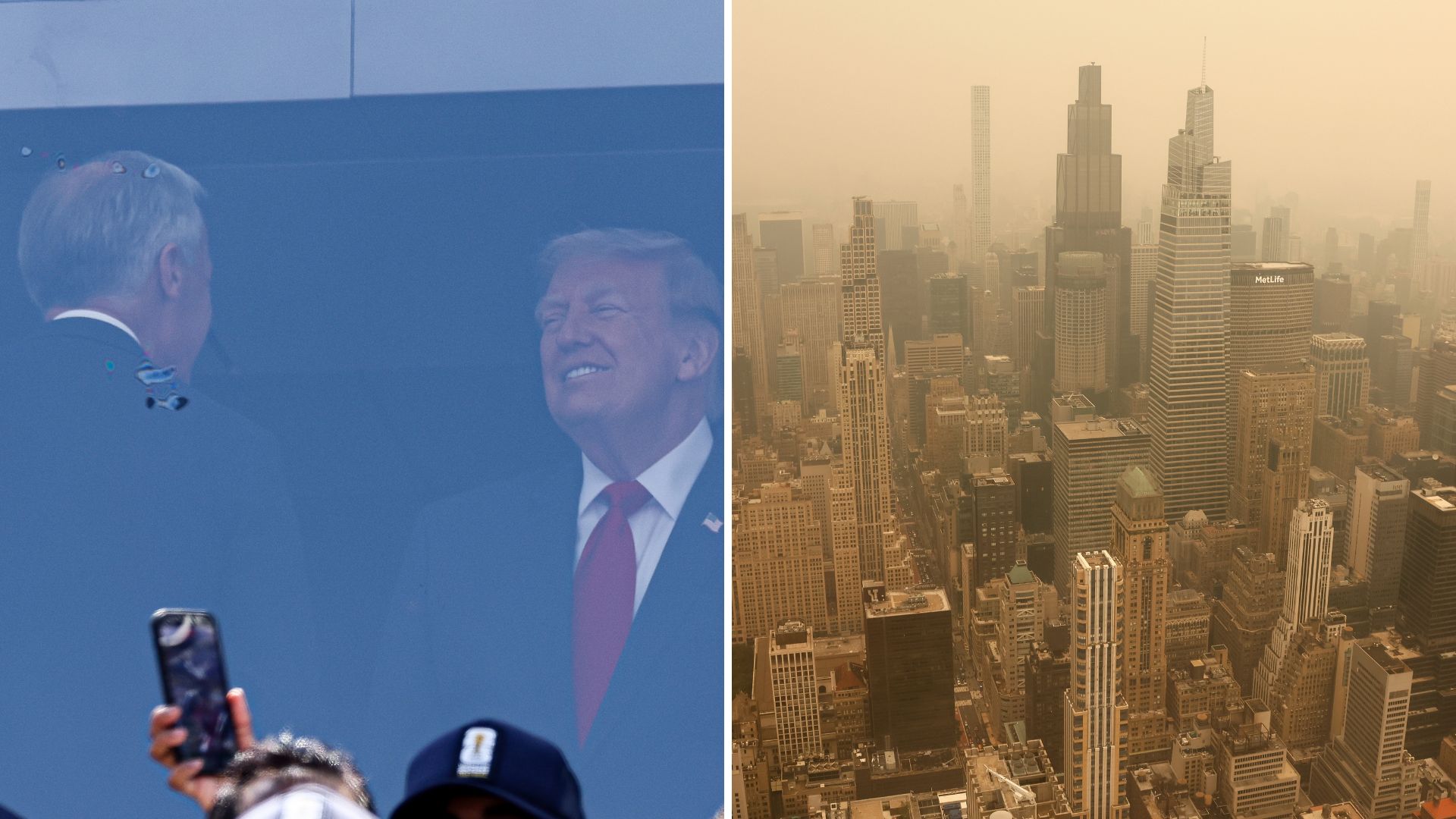 Trump blames Canada for toxic wildfire smoke, threatens Carney during World Cup