Trump Plans 17,500 Refugee Admissions for 2027 — With Most Spots Going to White South Africans


/https%3A%2F%2Fcdn-tor.buminteractif.com%2F2026%2F09%2F23181241%2Ftrump-south-africa-getty345345gdfgd45345.jpg)
The Trump administration has formally told Congress that the United States plans to admit no more than 17,500 refugees in fiscal year 2027, with most of those limited places expected to go to White South Africans, primarily Afrikaners. The proposal represents a dramatic transformation of a refugee program that historically admitted people from numerous regions affected by war, political persecution and humanitarian crises. Instead, the State Department told lawmakers that admissions under the new ceiling will «primarily be Afrikaners from South Africa,» continuing a special resettlement initiative created after Trump largely suspended the broader U.S. refugee program. The contrast is already visible in current admissions: of nearly 3,000 refugees admitted during fiscal year 2026 through August, all but three were South Africans, according to State Department data reported by Reuters. The administration estimates that operating the program under the proposed 2027 ceiling will cost approximately $500 million.
The administration argues that its unusual focus on Afrikaners is justified by discrimination, violence and land policies affecting the minority group in South Africa. Trump has repeatedly alleged that White farmers are being persecuted and has described their situation in exceptionally severe terms, while his administration says South African policies threaten their property and economic opportunities. Trump previously announced on Truth Social, «Any Farmer (with family!) from South Africa, seeking to flee that country for reasons of safety, will be invited into the United States of America with a rapid pathway to Citizenship. This process will begin immediately!» When questioned about why his administration was prioritizing White South Africans while sharply restricting refugee admissions from elsewhere, Trump rejected suggestions that race motivated the policy. «They happen to be white, but whether they're white or black makes no difference to me, but white farmers are being brutally killed and their land is being confiscated in South Africa, and the newspapers and the media, television media doesn't even talk about it,» he said. South Africa's government strongly disputes Trump's characterization of Afrikaners as a persecuted population.
«Any Farmer (with family!) from South Africa, seeking to flee that country for reasons of safety, will be invited into the United States of America with a rapid pathway to Citizenship. This process will begin immediately!»
-U.S. President, Donald Trump
The State Department's own explanation for the 2027 program has intensified that debate because it goes beyond claims of persecution and explicitly discusses how Afrikaners are expected to integrate into American society. «The United States anticipates that Afrikaners from South Africa will fully assimilate into the United States in a manner that preserves taxpayer resources for U.S. citizens and does not anticipate other countries resettling Afrikaners,» the report to Congress states. That language comes as the administration keeps the traditional refugee program largely closed to people from other countries, creating a sharp contrast with recent U.S. policy. During fiscal year 2024, the United States admitted more than 100,000 refugees from dozens of nations; under the proposed 2027 ceiling, the total would be 17,500, with Afrikaners receiving priority. Refugee organizations have criticized that distinction. Global Refuge President and CEO Krish O'Mara Vignarajah said a program that concentrates on one population while excluding others abandons thousands of vulnerable families. The administration, by contrast, maintains that refugee admissions should serve U.S. national interests and that Afrikaners qualify for protection.
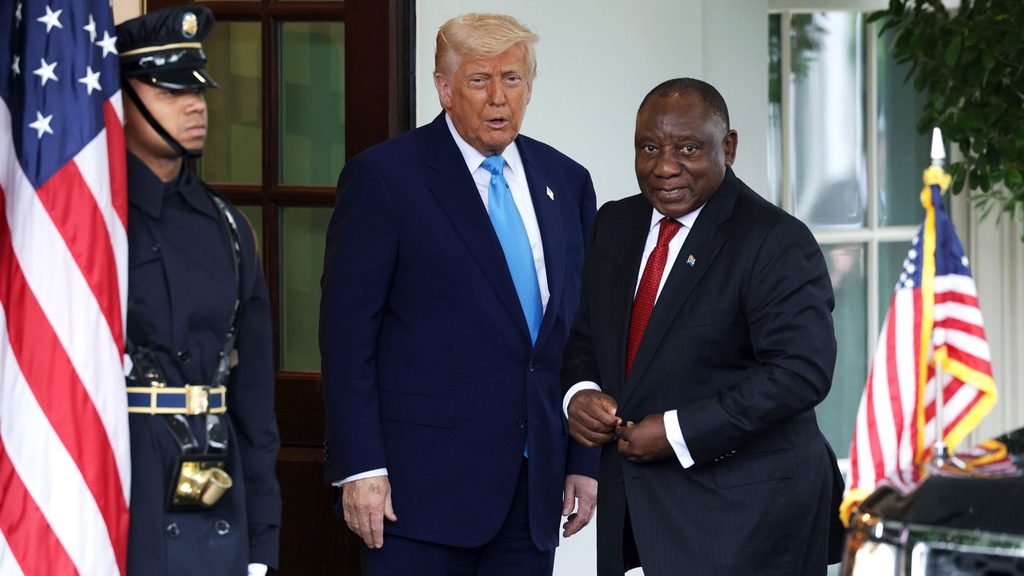
South Africa has repeatedly rejected the central premise behind Washington's policy. The government of President Cyril Ramaphosa disputes claims that Afrikaners are experiencing systematic racial persecution or a «white genocide,» while acknowledging that violent crime remains a serious problem across the country. Pretoria also argues that Trump has misrepresented its controversial land-reform policies, which are intended to address inequalities rooted in decades of apartheid and colonial rule. The State Department takes a sharply different position, telling Congress that Afrikaners face «the seizure of agricultural property without compensation» as well as government policies affecting employment, education and business opportunities. South African officials counter that White citizens generally remain economically better positioned than the Black majority and reject the suggestion that Afrikaners as a group meet the definition of a uniquely persecuted population. The disagreement has become another major source of tension between Washington and Pretoria, extending well beyond immigration policy.
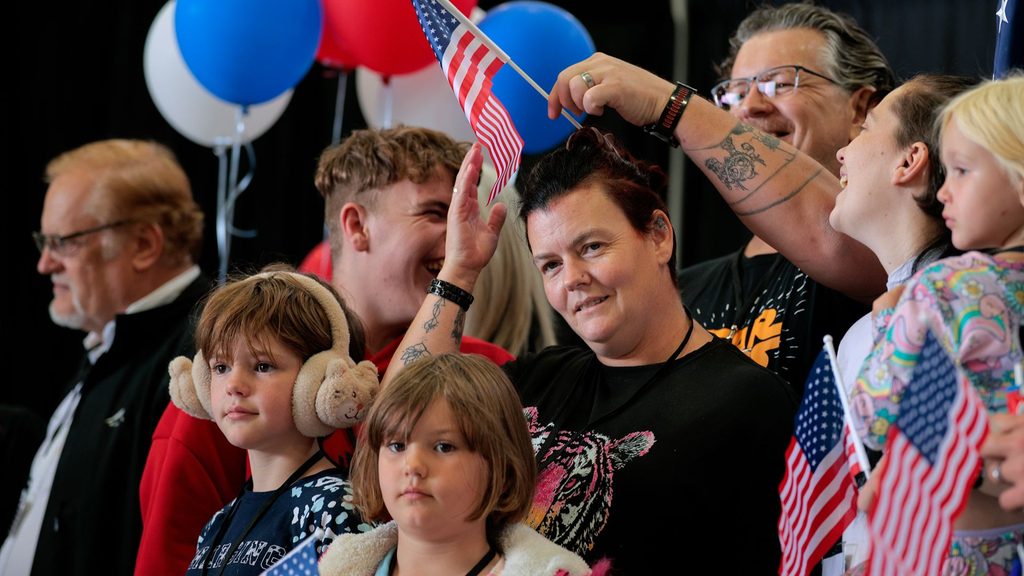
The special pathway has also drawn criticism because it exists alongside Trump's much broader restrictions on refugee admissions from the rest of the world. After returning to office in January 2025, Trump suspended the U.S. refugee program, saying admissions would resume only when they served American interests. Weeks later, his administration created an exception for Afrikaners. That contrast has become central to criticism from humanitarian organizations, which argue that people fleeing wars, political repression and other documented dangers have been left with dramatically fewer opportunities while one specific population receives priority. Krish O'Mara Vignarajah, president and CEO of Global Refuge, said, «A refugee program that centers one group and sidelines all others is an abdication of our global humanitarian leadership and an abandonment of thousands of vulnerable families.» South African International Relations Minister Ronald Lamola has separately criticized what he describes as a race-based approach. The administration rejects accusations that race determines its policy and maintains that Afrikaner applicants face legitimate persecution requiring American protection.
«The United States anticipates that Afrikaners from South Africa will fully assimilate into the United States in a manner that preserves taxpayer resources for U.S. citizens and does not anticipate other countries resettling Afrikaners.»
-The State Department
The numbers ultimately show how dramatically the American refugee system has changed. In fiscal year 2024, the United States admitted more than 100,000 refugees from dozens of countries. Under Trump's proposed fiscal 2027 plan, the ceiling would fall to 17,500, with the State Department explicitly expecting Afrikaners to make up most admissions. Washington has developed dedicated processing capacity in South Africa to operate the initiative, while the government estimates approximately $500 million will be required for refugee processing and resettlement under the new ceiling. The preference does not guarantee admission to every Afrikaner applicant, who must still undergo individual screening and can be rejected for eligibility, criminal or security reasons. But the direction of the program is unmistakable: rather than distributing refugee places broadly among populations facing crises around the world, the administration is concentrating a historically small annual ceiling primarily on one South African minority. Whether that represents justified protection for a persecuted community or preferential treatment is now at the center of a widening political and diplomatic dispute.
Created by humans, assisted by AI.
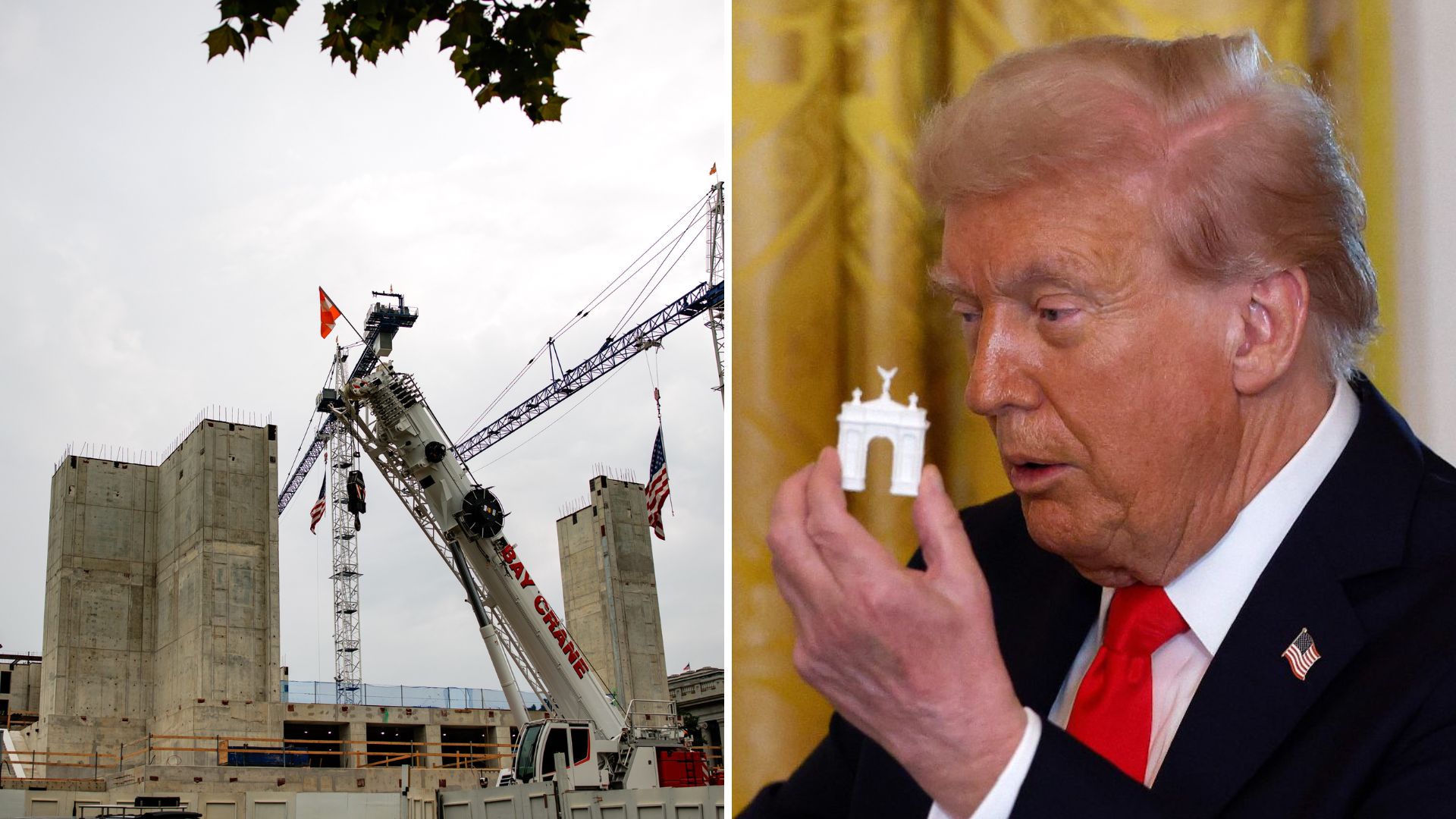 Trump wants to turn his massive triumphal arch into a “top grade military complex” with drones and snipers
 US military confirms weapons in space as it prepares for threats «wherever they exist»