Trump says Iran took «too long» to negotiate after U.S. “self-defense strikes” over helicopter downing


/https%3A%2F%2Fcdn-tor.buminteractif.com%2F2026%2F06%2F10150322%2Ftrump-iran-getty-3245234.jpg)
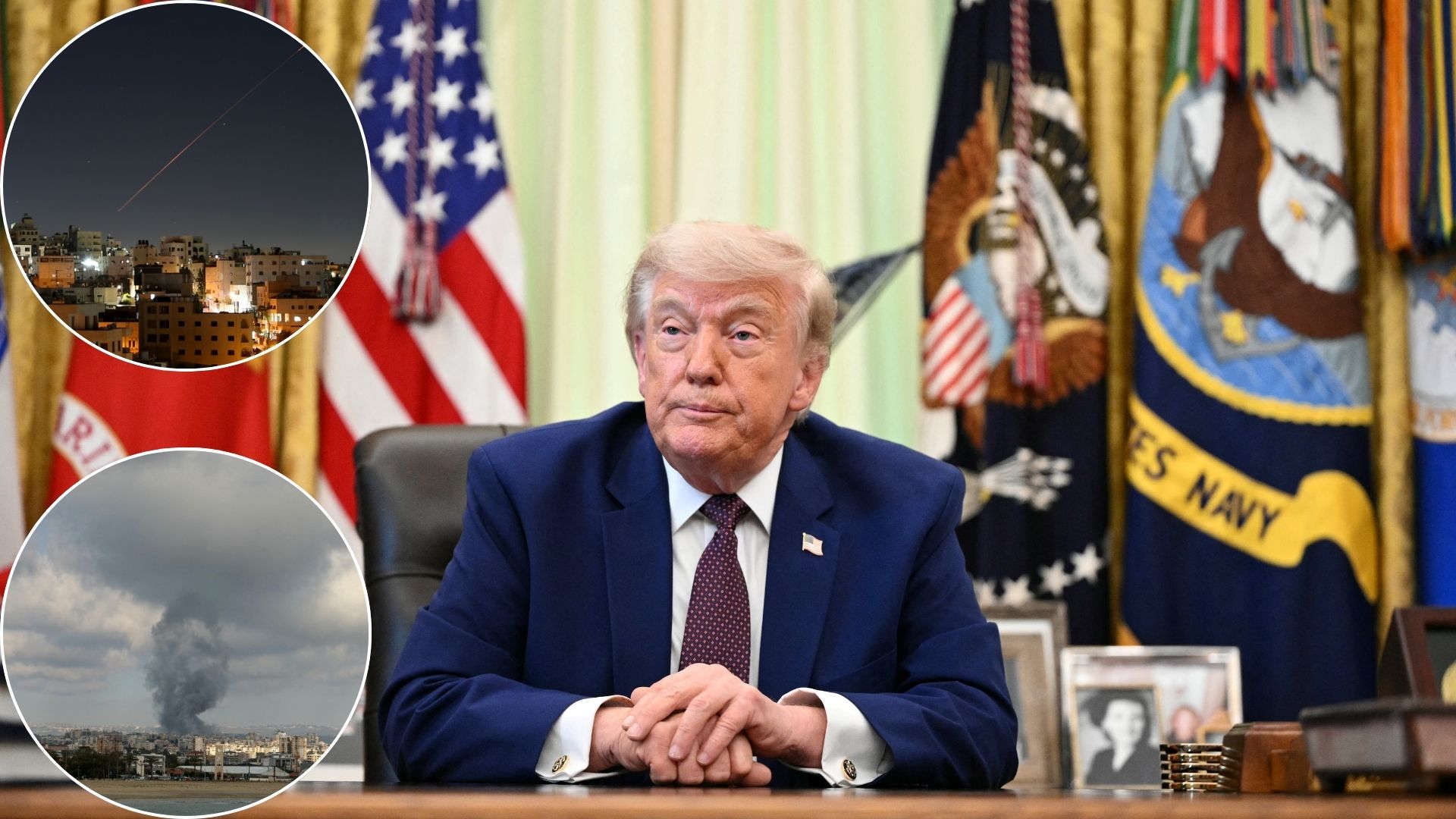
Donald Trump warned that Iran would «pay the price» for taking «too long» to negotiate after a renewed exchange of military strikes between Washington and Tehran, escalating tensions around the Strait of Hormuz and placing a fragile ceasefire under renewed pressure. The latest confrontation followed U.S. retaliatory strikes launched after an American AH-64 Apache attack helicopter was brought down during operations near the strategic waterway. In a lengthy Truth Social post, Trump argued that Iran's military capabilities had been severely degraded by the conflict and suggested Tehran had squandered an opportunity to reach an agreement with Washington. «Iran's Military is a complete and total mess. Much of it, like their Navy and Air Force, doesn't even exist anymore,» Trump wrote. He continued: «They have been completely defeated. Iran is all talk and no action. The Bully of the Middle East is DEAD!!!» Trump then directly connected the fighting to stalled diplomatic efforts, adding: «They've taken too long to negotiate a deal that would have been great for them, now they will have to pay the price!!! President DONALD J. TRUMP.»
The crisis intensified after a U.S. Army Apache helicopter went down near the coast of Oman on June 8 while operating close to the Strait of Hormuz, one of the world's most important maritime chokepoints. U.S. officials said the aircraft was brought down following an encounter involving Iranian forces, while Trump publicly blamed Tehran for the incident and insisted a response was necessary. Both American pilots survived the crash and remained in the water for approximately two hours before being recovered in what military officials described as a historic rescue mission. The recovery marked the first known use of an autonomous surface vessel to save downed military personnel. A 24-foot Corsair drone boat operated by the Navy's Task Force 59 located the crew and transported them to a position where they could be extracted safely. The unprecedented rescue operation quickly became one of the most closely watched military developments of the confrontation.
The Fake News Media refuses to report how EFFECTIVE the U.S. Naval BLOCKADE is, the most successful Blockade in the history of Naval Warfare. NOTHING GETS THROUGH unless we want it to. IT IS A STEEL WALL! Iran is doing ZERO business, not paying their military, or any of their bills, and quickly becoming a FAILED NATION! Lots of oil is getting out. Praise be to Allah!»
-U.S. President, Donald Trump on Truth Social
The following day, U.S. Central Command launched what it described as «self-defense strikes» against Iranian military targets. According to CENTCOM, the operation was ordered directly by Trump and represented a «proportional» response to what the command called the «unjustified» downing of the Apache helicopter. American forces reportedly targeted air-defense systems, radar installations and military facilities in southern Iran, including sites linked to Iranian operations near the Strait of Hormuz. The military response was presented as a limited action intended to restore deterrence while avoiding a wider regional war. Despite authorizing the strikes, Trump signaled he was not seeking a return to full-scale conflict and reportedly described the helicopter incident as «not a big deal» because both pilots survived unharmed. Nevertheless, the administration maintained that a military response was required to demonstrate that attacks on American forces would not go unanswered.
Iran denied deliberately targeting the helicopter and warned Washington against using the incident as justification for additional military action. Iranian officials continued to insist that diplomacy remained their preferred path while simultaneously promising retaliation if American attacks continued. Following the U.S. strikes, reports emerged of missile and drone attacks directed at American interests and allied positions in the region, further increasing fears that the conflict could spread beyond the Strait of Hormuz. The escalation came at a particularly sensitive moment because negotiators had spent weeks attempting to transform a temporary ceasefire into a more permanent agreement. The latest exchange of strikes raised fresh doubts about whether those efforts could succeed. Analysts also noted that any disruption in the Strait of Hormuz carries global implications because a significant portion of the world's seaborne oil trade passes through the narrow waterway each day.
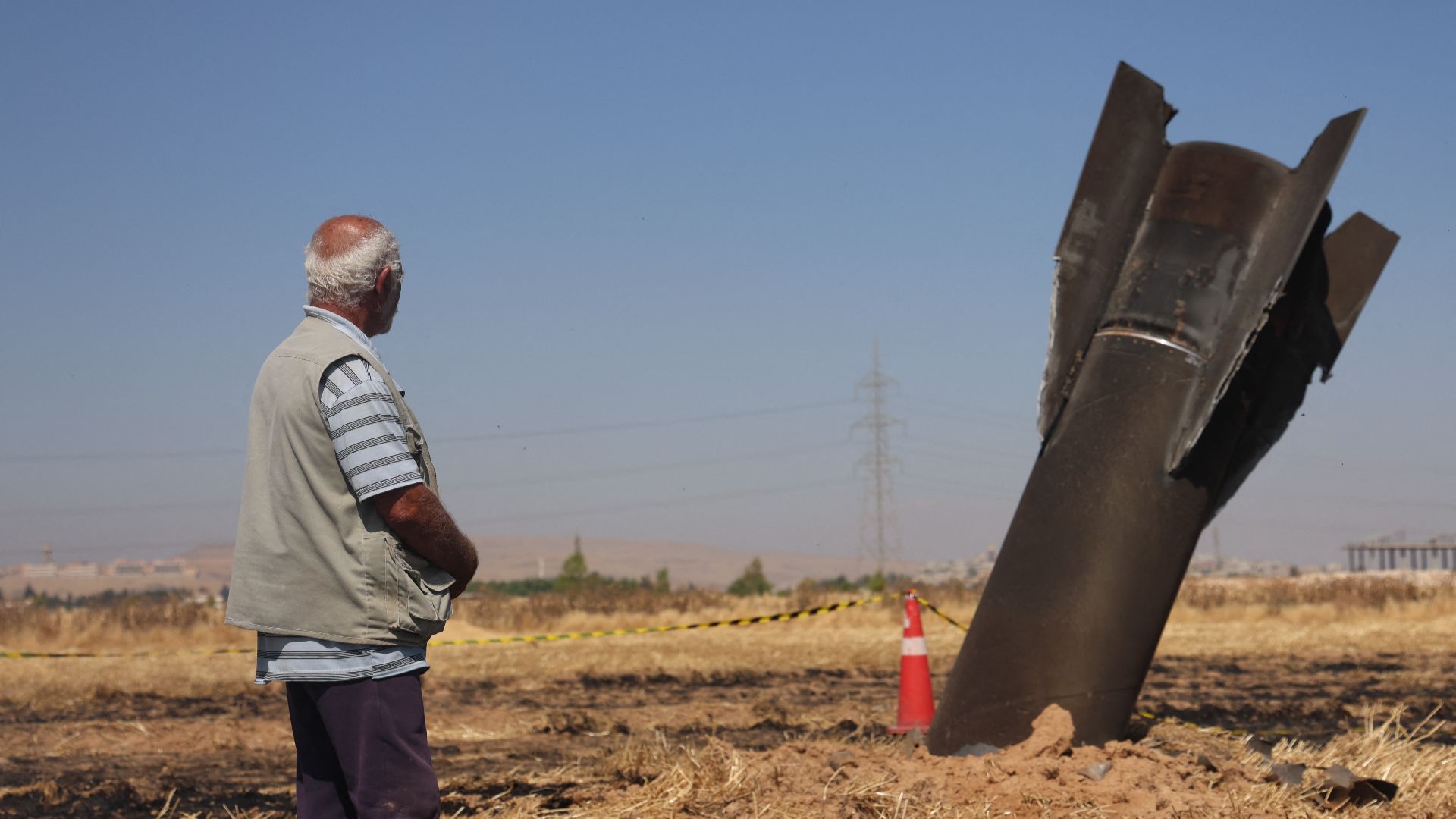
The military confrontation unfolded after months of tensions surrounding maritime security and freedom of navigation in the Gulf. Earlier this year, the United States launched operations aimed at reopening commercial shipping routes and protecting vessels moving through the Strait of Hormuz. American officials said Iranian boats, drones and missiles had repeatedly threatened maritime traffic, leading to an increased military presence in the region. U.S. Apache and Seahawk helicopters were previously used in operations against Iranian fast boats that Washington said endangered commercial shipping. The latest helicopter incident therefore occurred against the backdrop of an already volatile standoff that had repeatedly brought American and Iranian forces into direct contact. While both governments publicly expressed support for diplomacy at various stages of the crisis, military actions continued to shape events on the ground and complicate negotiations.
«They've taken too long to negotiate a deal that would have been great for them, now they will have to pay the price!!!»
-U.S. President, Donald Trump on Truth Social
Trump also renewed his long-running attacks on the media while discussing the conflict and the administration's broader strategy toward Iran. In another Truth Social post, the president argued that news organizations were failing to properly cover what he described as the success of the U.S. naval blockade. He then claimed the pressure campaign was crippling Iran's economy and weakening the country's ability to fund its military operations. «The Fake News Media refuses to report how EFFECTIVE the U.S. Naval BLOCKADE is, the most successful Blockade in the history of Naval Warfare. NOTHING GETS THROUGH unless we want it to. IT IS A STEEL WALL! Iran is doing ZERO business, not paying their military, or any of their bills, and quickly becoming a FAILED NATION! Lots of oil is getting out. Praise be to Allah! President DONALD J. TRUMP.» The comments underscored how Trump has continued to combine military, diplomatic and economic arguments as he seeks to increase pressure on Tehran while simultaneously defending his administration's handling of the conflict.
Created by humans, assisted by AI.
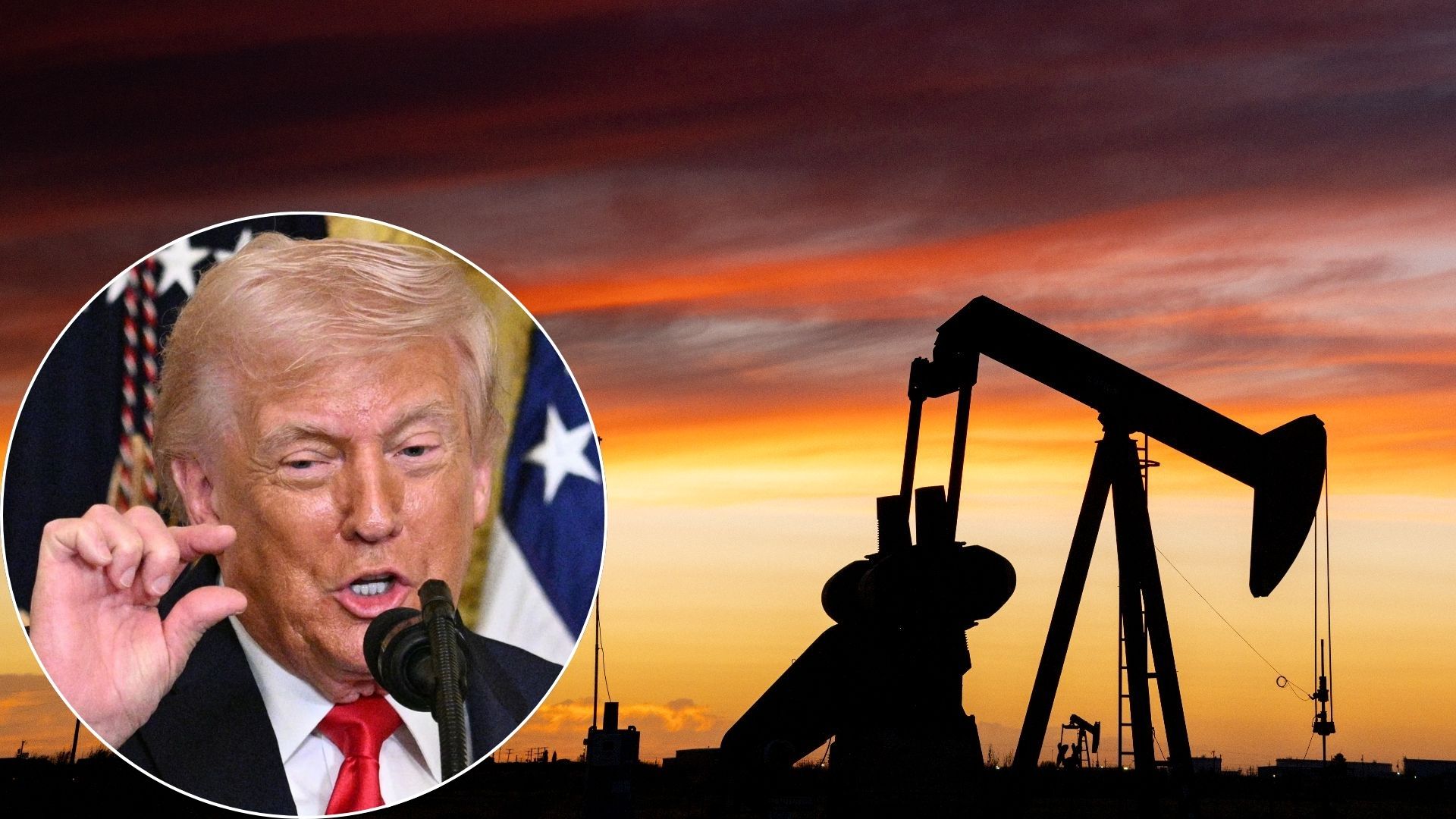 Trump's Iran war has drained US oil stockpiles to their lowest level since 2004
 Trump orders Israel and Iran to “immediately stop shooting” as Pope Leo calls failed negotiations a “painful defeat”