Trump Signs Executive Order Renaming Lake Ontario ‘Lake America,’ Says «All It Takes Is a Good Pen and Some Intelligence»


/https%3A%2F%2Fcdn-tor.buminteractif.com%2F2026%2F08%2F27194415%2Ftrump-getty-34234sdfsdf.jpg)
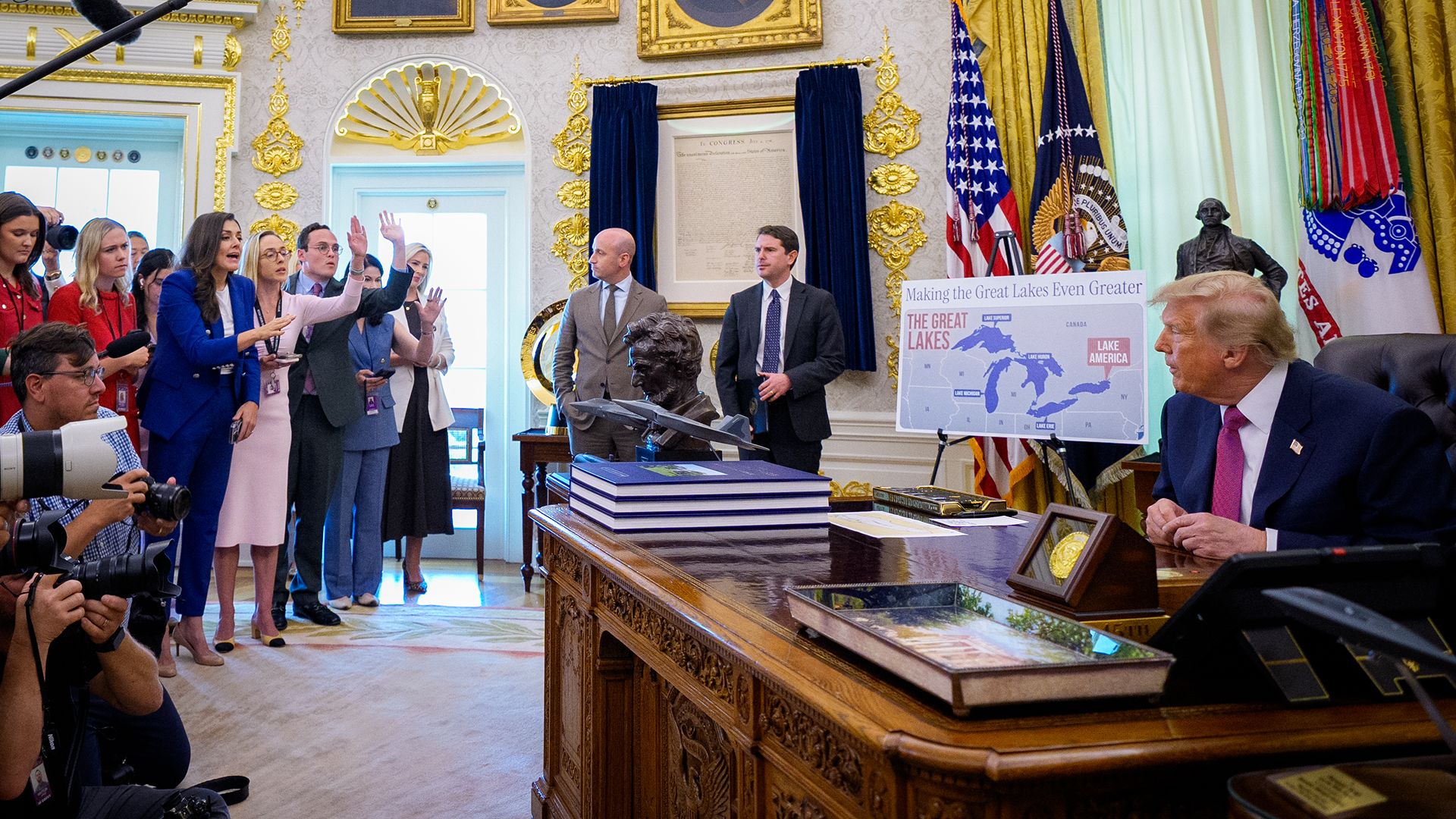
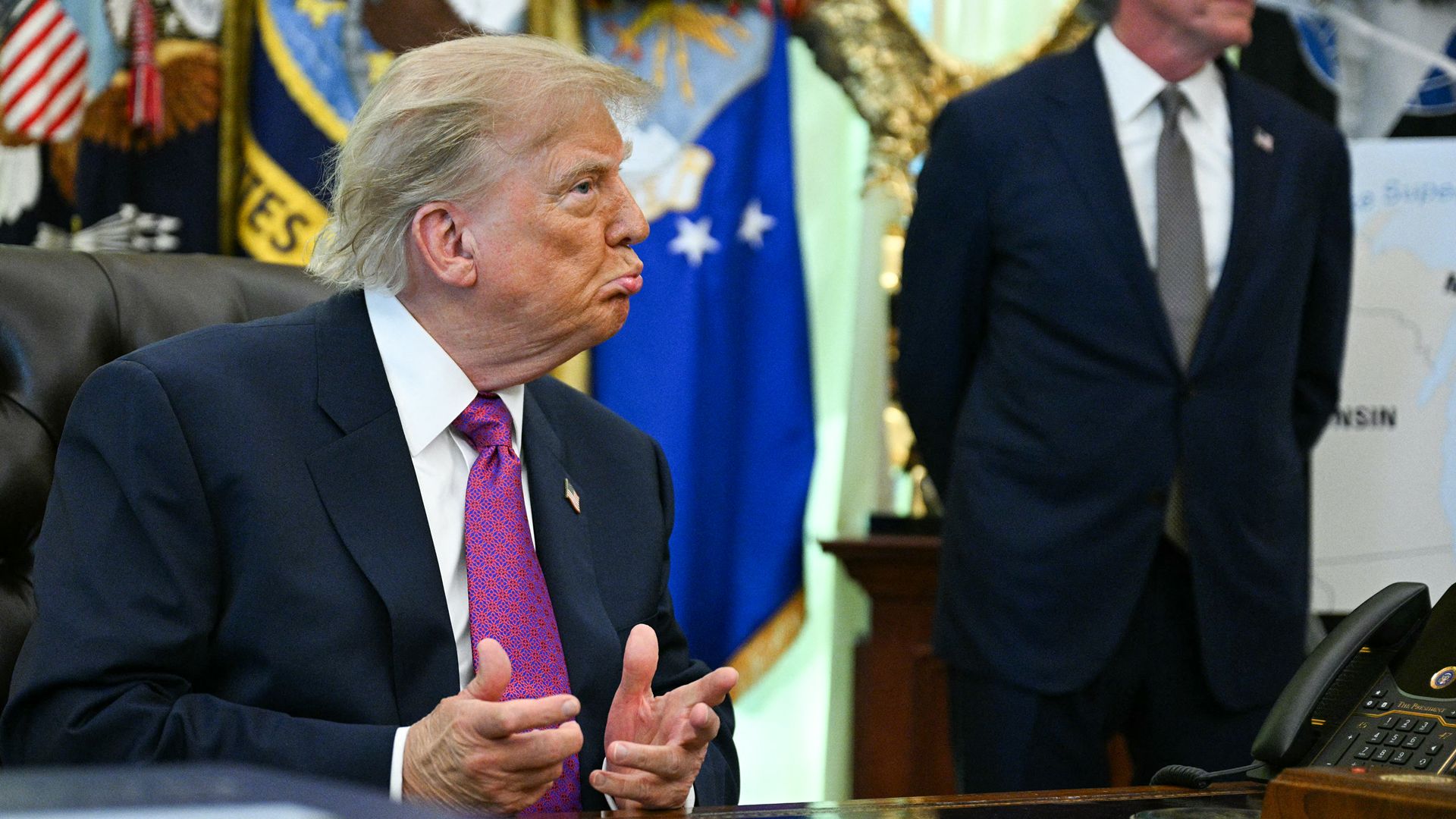
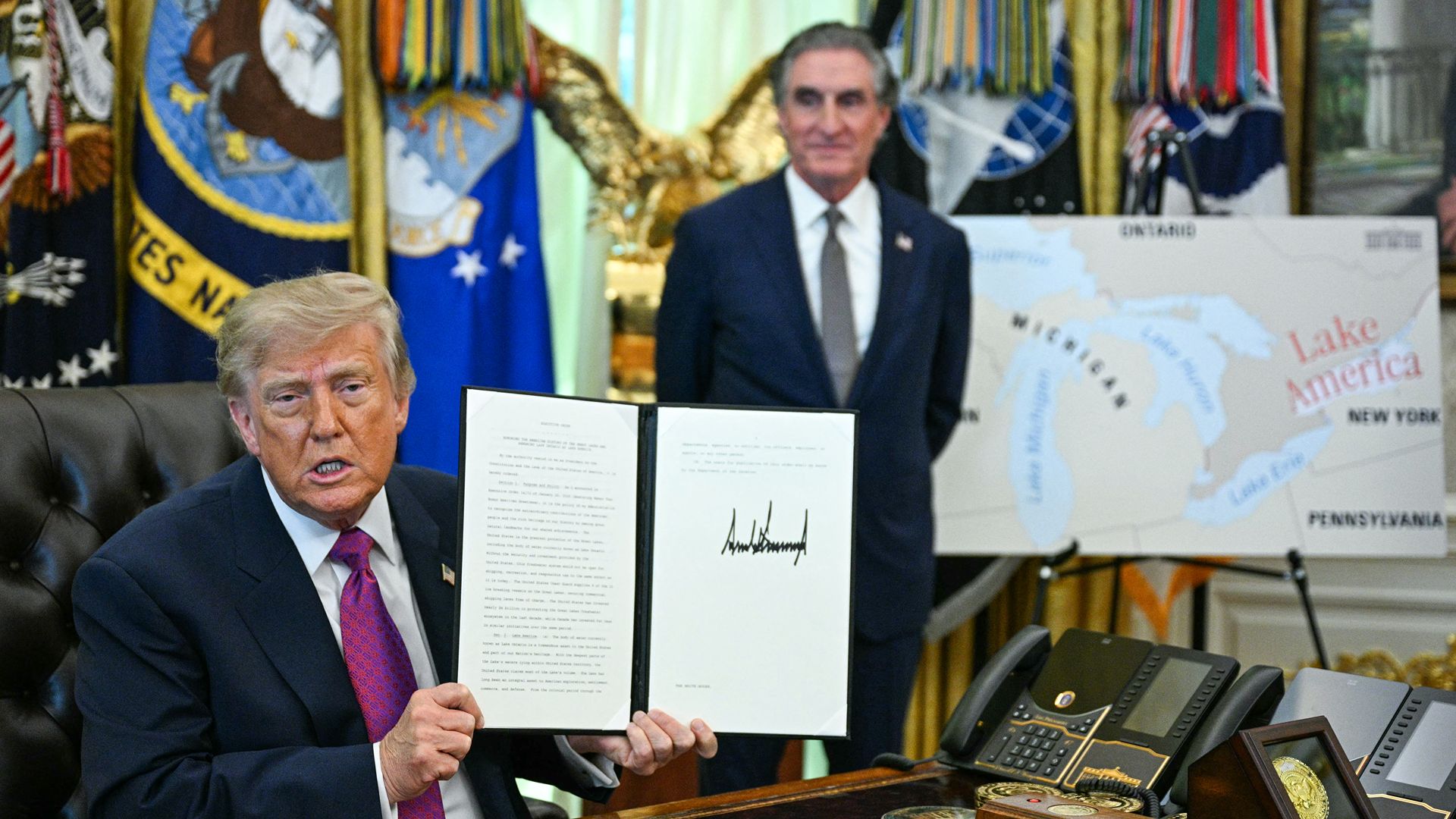
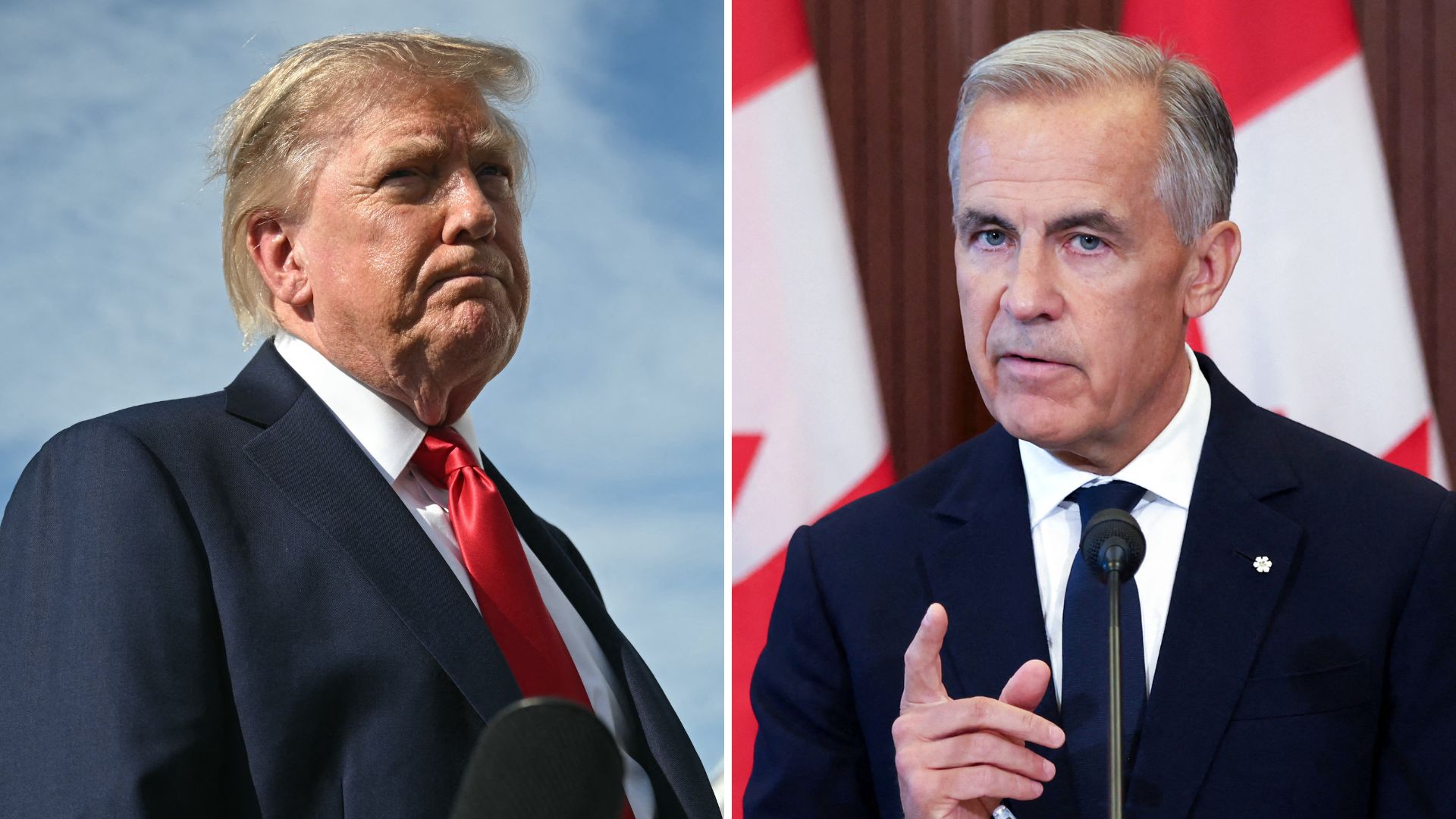
Donald Trump followed through on his latest unusual move against Canada on August 27, signing Executive Order 14420 to rename Lake Ontario «Lake America» for official U.S. government purposes after the abrupt collapse of trade negotiations between the neighboring countries. The symbolic action came as relations between Washington and Ottawa deteriorated further amid an escalating tariff confrontation. Sitting in the Oval Office, Trump demonstrated the change by using a marker to replace Lake Ontario's name with Lake America on a paper map in a video posted to social media. «So this is Lake Ontario, in Canada and in the United States. But we're gonna make a little change. We're gonna call it something different than Lake Ontario. We're gonna call it Lake America. And all it takes is a good pen and some intelligence.» The extraordinary renaming immediately added a new political dimension to an already bitter economic dispute.
The executive order makes the new designation effective immediately across the U.S. federal government, directing Interior Secretary Doug Burgum and the U.S. Board on Geographic Names to implement the change through federal mapping and geographic systems. Under the order, government agencies have 30 days to replace references to Lake Ontario with «Lake America» on applicable federal maps, databases and documents. Placards displayed during Trump's announcement also showed the new name placed over the lake, emphasizing the administration's intention to make the designation visible throughout government. Trump attempted to justify the decision geographically by pointing to the portion of the lake located within U.S. territory and arguing that «the deepest parts of the Lake's waters» fall on the American side. The order, however, cannot compel Canada or international authorities to abandon the historic name, leaving the unusual situation of Washington officially referring to the shared body of water by a different name than its northern neighbor.
«I have to laugh when he comes up with these ideas. It's always going to be Lake Ontario here in Canada.»
-Ontario Premier, Doug Ford
The timing made the decision particularly provocative, arriving amid a rapidly worsening trade dispute following the breakdown of U.S.-Canada negotiations. Washington has moved toward imposing 50% tariffs affecting billions of dollars in Canadian products, including vehicles, auto parts and steel, while Canada has responded with retaliatory tariffs targeting billions in American goods. Trump made little effort to separate the lake renaming from his broader grievances with Ottawa when questioned about the deteriorating relationship. He said «Canada has been ripping us off for a long time on trade» and described Canadian officials as «nasty people» who «want to be treated like a state, but they're not a state». Canadian leaders, meanwhile, immediately rejected Washington's new terminology. Prime Minister Mark Carney's government made clear that Canada would continue recognizing the body of water by its historic name, turning Trump's executive order into another flashpoint in a bilateral relationship already strained by tariffs, sovereignty disputes and increasingly hostile rhetoric.
Ontario Premier Doug Ford responded to the executive order with ridicule rather than recognition, making clear that his province had no intention of adopting Washington's new terminology for one of the five Great Lakes. During an interview with CBS News, Ford dismissed Trump's decision and said, «I have to laugh when he comes up with these ideas. It's always going to be Lake Ontario here in Canada.» His reaction followed earlier comments in which he framed the growing confrontation with Washington as a matter extending beyond trade. Before Trump formally signed the order, Ford told CNN, «I think it's a lot of rhetoric… We're strong believers in being a sovereign country, and when President Trump wants to attack our sovereignty and attack our businesses and people in Ontario, I can't roll over.» The premier's response reflected Canada's broader refusal to allow an American executive order to determine how Canadians identify their own geography.
Industry Minister Mélanie Joly offered an equally blunt rejection from Ottawa, characterizing the controversy as another distraction while Canada confronts the economic consequences of the escalating trade war. «We'll always call it Lake Ontario. Period.» Joly told reporters, leaving little ambiguity about whether the Canadian government would recognize the American designation. She also placed the lake within Canada's historical and national identity, saying, «We're proud of our Great Lakes. We've navigated the St. Lawrence River—the Great Lakes—for thousands of years, and it was part of the foundation of our country. We'll just stand up for what we have.» Rather than allowing Trump's announcement to dominate Ottawa's response to Washington, Joly said Canada would concentrate on defending its economic interests. «While all these shenanigans are happening, we'll just be smart, we'll be strategic, and we'll fight back.» Her remarks reinforced the Carney government's position that the lake's name is not changing in Canada.
«So this is Lake Ontario, in Canada and in the United States. But we're gonna make a little change. We're gonna call it something different than Lake Ontario. We're gonna call it Lake America. And all it takes is a good pen and some intelligence.»
-U.S. President, Donald Trump
The dispute therefore leaves the United States and Canada using different official terminology for a body of water they have shared for generations, although Trump's executive authority applies only to the American federal government and does not determine what Canada or the international community must call it. More significantly, the episode demonstrates how rapidly a confrontation that began around tariffs and trade negotiations has expanded into increasingly symbolic disputes involving Canadian sovereignty and national identity. Ottawa appears determined to treat the «Lake America» designation as political theater rather than a meaningful alteration of the border or Canada's territorial rights, while continuing to focus its response on tariffs and economic retaliation. Trump, however, has now transformed another familiar geographic name into part of his broader confrontation with Canada. What began with failed negotiations and escalating tariffs has consequently moved beyond economics, with even the name of a lake shared by the two countries becoming part of their increasingly hostile relationship.
Created by humans, assisted by AI.
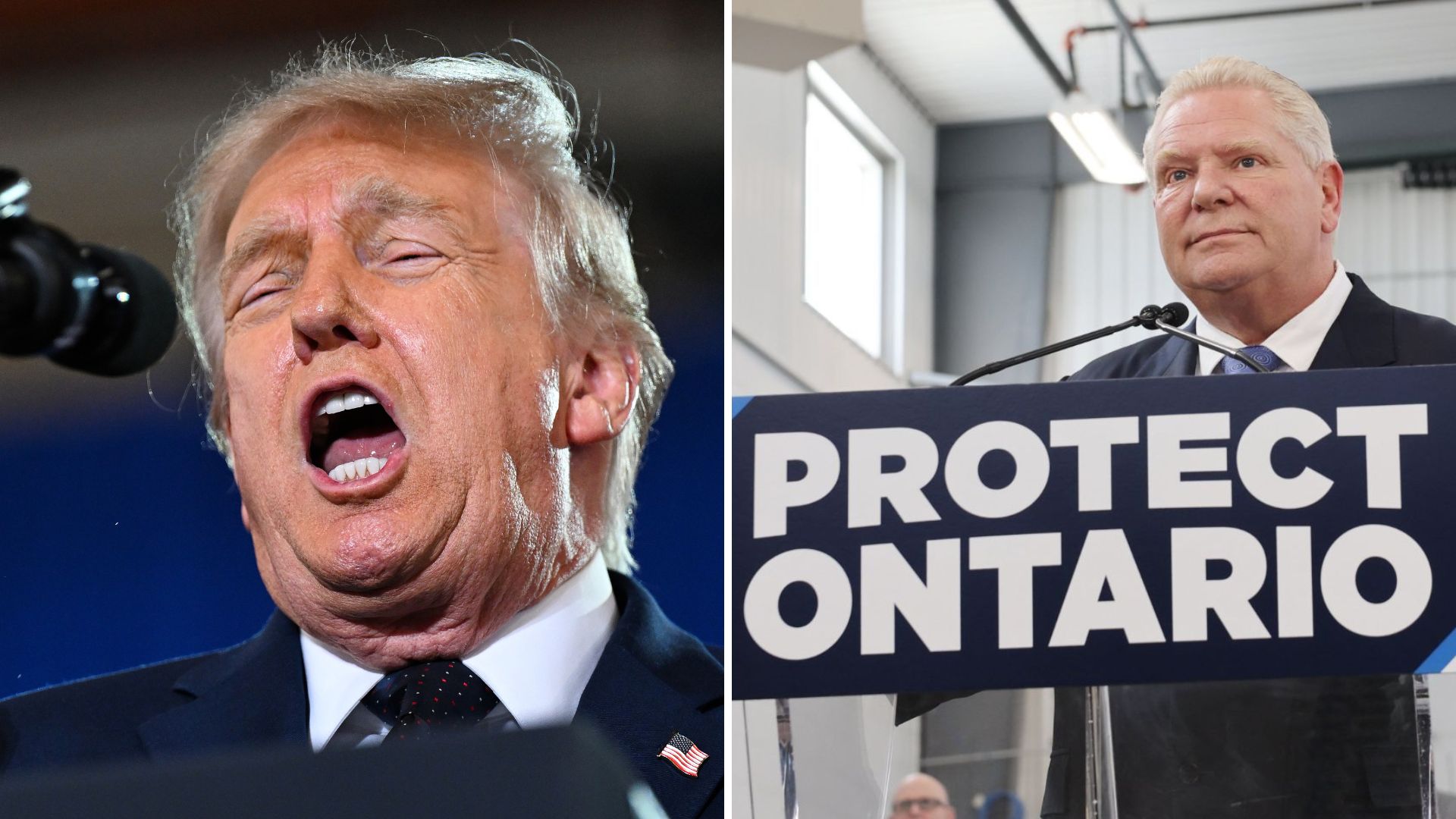 Trump-Doug Ford feud erupts as US.-Canada trade war turns personal
 Trump rages against Canada, vows 50% tariffs on cars, trucks, auto parts and steel