Walmart Strikes Undisclosed DOJ Settlement Over Alleged «Hundreds of Thousands» of Opioid Violations, Avoiding Potential Billions in Damages


/https%3A%2F%2Fcdn-tor.buminteractif.com%2F2026%2F08%2F28173505%2Fwalmart-getty-34534dfgste.jpg)
Walmart and the U.S. Department of Justice have reached a confidential settlement ending a massive federal lawsuit that accused the retail giant of contributing to the nationwide opioid epidemic through practices at its pharmacies, closing a nearly six-year legal battle without publicly revealing how much money changed hands. Announced on August 28, the agreement resolves allegations that Walmart committed «hundreds of thousands of violations» of the Controlled Substances Act across its pharmacy network beginning in 2013. The secrecy surrounding the financial terms is particularly significant because the government had pursued statutory penalties on a violation-by-violation basis that it previously said «could total in the billions of dollars». Rather than face the possibility of a trial carrying potentially enormous financial exposure, Walmart has now secured a settlement whose monetary cost — and any specific additional obligations attached to it — were not immediately disclosed publicly by either side.
The case dates to December 22, 2020, when the Justice Department filed its sprawling civil complaint during the final weeks of the first Trump administration. Prosecutors alleged that Walmart pharmacies repeatedly dispensed controlled substances from prescriptions that pharmacists knew or should have recognized as invalid, while also accusing the company of maintaining inadequate systems for identifying suspicious prescribing and ordering patterns. The government did not simply demand one predetermined monetary award. Instead, its potential damages calculation rested on statutory penalties attached to individual alleged violations, creating extraordinary theoretical exposure when multiplied across the enormous number of transactions cited by prosecutors. Under the penalty structure described in the case, Walmart could have faced as much as $67,627 for each unlawfully filled prescription and $15,691 for each suspicious order that should have been reported. With the DOJ alleging violations numbering in the hundreds of thousands, an across-the-board government victory could theoretically have produced penalties reaching billions of dollars.
Red flags
Walmart never faced the government's original case in its entirety, however, because years of litigation substantially changed what could ultimately proceed toward trial. In March 2024, U.S. District Judge Colm Connolly narrowed the Justice Department's lawsuit, dismissing claims involving Walmart's alleged failure to report suspicious controlled-substance orders to the Drug Enforcement Administration as well as allegations concerning pharmacists' documentation of certain prescription «red flags». But the ruling did not eliminate the federal case. Claims remained concerning allegations that pharmacists knowingly dispensed prescriptions despite information indicating they were invalid, including circumstances in which Walmart's own compliance personnel had allegedly identified problems. The litigation consequently continued with potentially serious allegations still unresolved until the newly announced agreement brought the case to an end. Instead of a public trial potentially determining liability and damages, the dispute concludes through a settlement whose financial terms remain confidential, leaving unanswered one of the case's biggest questions: how much Walmart ultimately agreed to pay to eliminate its remaining federal exposure.
The settlement was formally reflected in a joint stipulation dismissing the federal lawsuit, but the resolution leaves the public without one of the most consequential pieces of information surrounding the case: the amount Walmart agreed to pay. Neither the DOJ nor the retailer immediately disclosed the financial terms, and any additional conditions imposed on Walmart were similarly not made public with the announcement. That confidentiality makes it impossible to compare the actual settlement directly with the billions of dollars in potential statutory penalties that had once hung over the company. Walmart welcomed the end of the dispute, with a spokesperson saying the company was «pleased to resolve this matter» while emphasizing its continued support for pharmacists providing care to patients. The Justice Department likewise welcomed the resolution as part of its broader effort to hold corporations accountable for conduct it alleges contributed to the devastating opioid crisis.
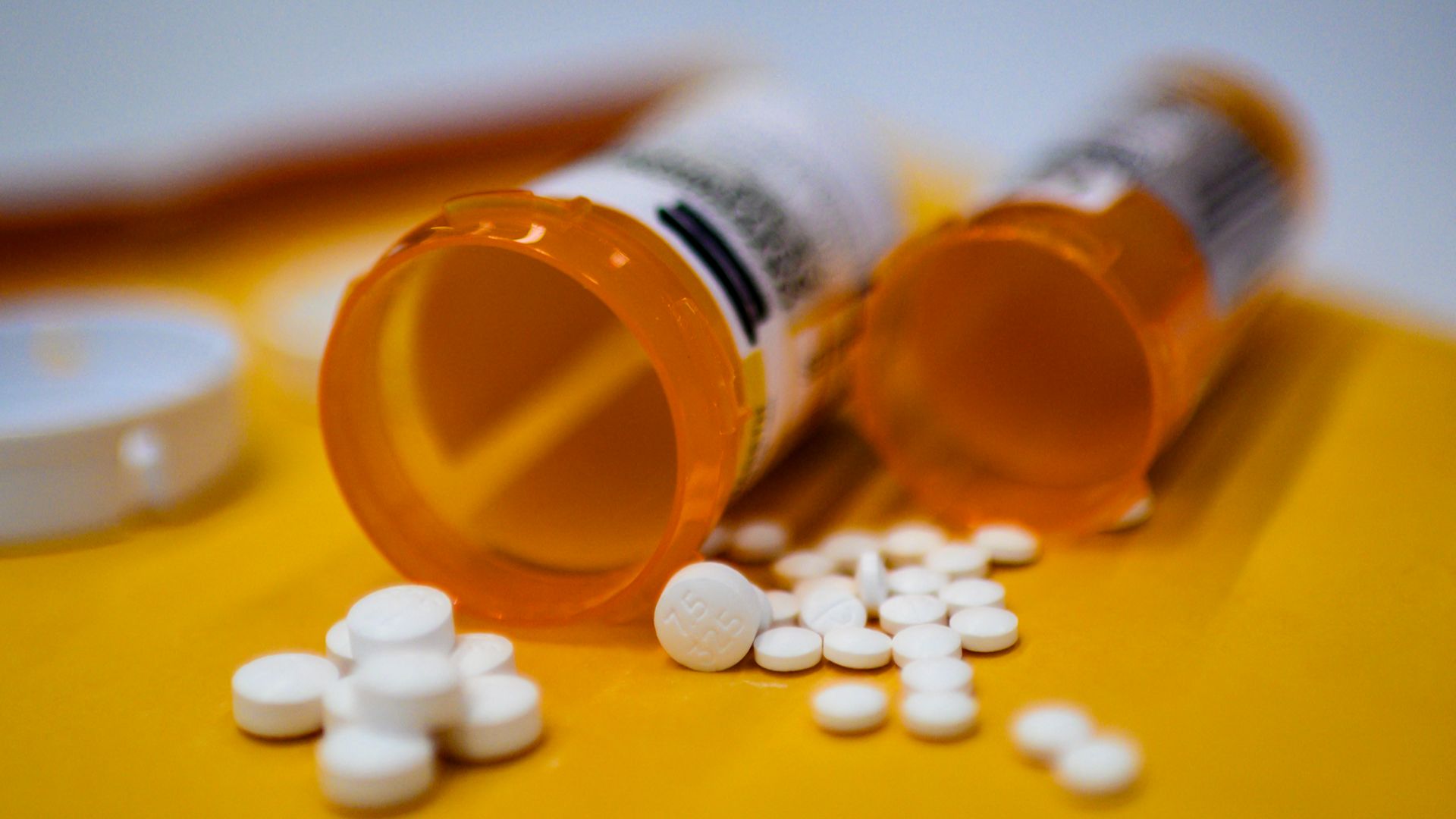
The undisclosed agreement closes a case that survived multiple administrations and years of aggressive litigation. It began under the first Trump administration in December 2020, when the Justice Department filed its 160-page complaint, before continuing through subsequent years as federal attorneys defended the allegations against Walmart's efforts to narrow or dismiss them. The March 2024 ruling significantly reduced the government's original case, potentially altering both sides' calculations as a possible trial approached, but crucial allegations remained alive. By settling, Walmart eliminates the uncertainty of allowing a jury to determine whether remaining alleged violations occurred and, if liability were established, what financial consequences could follow. At the same time, the DOJ avoids the risks and expense associated with continuing a complex case whose original scope had already been reduced. Because the settlement amount remains confidential, however, outsiders cannot determine how closely the final price reflects the enormous financial exposure once described by federal prosecutors.
Without a public trial
The agreement is also separate from the enormous opioid settlement Walmart reached in 2022 with state, local and Native American tribal governments. Under that nationwide resolution, Walmart agreed to pay approximately $3.1 billion to resolve thousands of civil claims concerning its pharmacy practices, joining other major chains including CVS and Walgreens in multibillion-dollar settlements. The newly resolved DOJ case instead represented a federal enforcement action under the Controlled Substances Act and carried its own potentially substantial penalties. Against the backdrop of an opioid epidemic that has claimed hundreds of thousands of American lives, the federal lawsuit represented one of the government's most significant legal confrontations with a major pharmacy retailer. Yet after nearly six years of litigation and allegations of «hundreds of thousands of violations», it ends without a public trial and with its financial terms concealed — meaning the public may know that Walmart escaped the uncertainty of potentially billions in penalties without knowing what resolving that risk actually cost the company.
Created by humans, assisted by AI.
 Trump signs executive order renaming Lake Ontario 'Lake America,' says 'All it takes is a good pen and some intelligence'
 CNN investigation links Six Flags' X2 roller coaster in California to severe brain injuries, comas and deaths