What Bill Gates’ Testimony on His Meetings with Jeffrey Epstein Reveals: Timeline, Allegations, and Issues


/https%3A%2F%2Fcdn-tor.buminteractif.com%2F2026%2F06%2F11195344%2Fbill-gates-epstein-getty-45345dgd.jpg)
The partial declassification of documents related to Jeffrey Epstein and the holding of a closed-door hearing have brought Bill Gates back into the spotlight. In this article, I offer a balanced and structured summary of the facts known to date: the timeline of the meetings, the nature of the exchanges, the allegations of attempted blackmail, the public fallout, and the questions that remain unanswered.
1) Timeline and Context
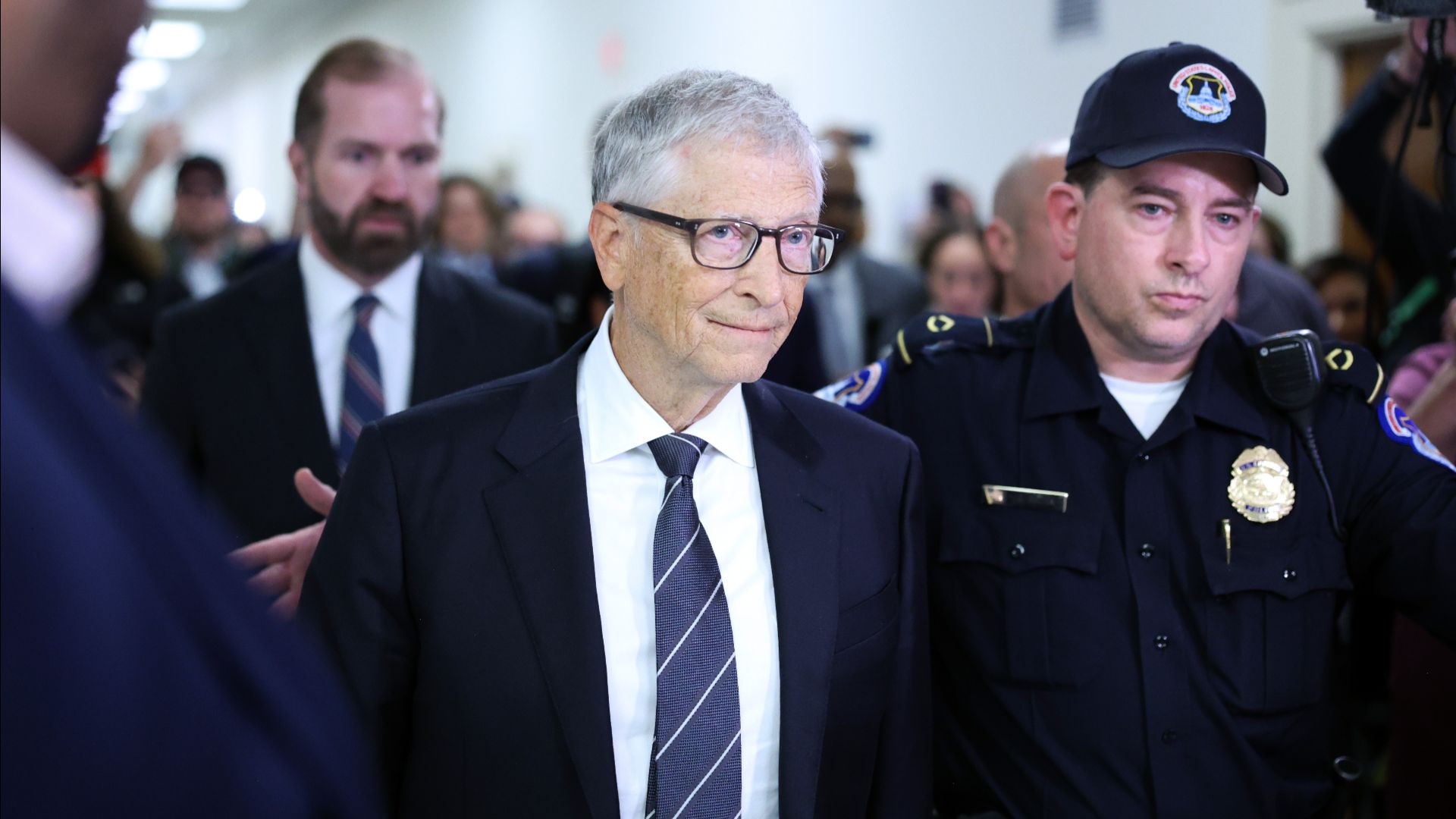
Bill Gates reports having met with Jeffrey Epstein between 2011 and 2014, a period following Epstein's 2008 conviction. According to Gates, these interactions focused primarily on philanthropy and connecting him with donors likely to support global health projects backed by the Bill & Melinda Gates Foundation. The stated objective was professional: to tap into networks to support public causes, not to develop a personal relationship.
2) The Allegation of Attempted Blackmail
The most serious allegation raised by Gates during the hearing is Epstein's alleged attempt to blackmail him after learning of an extramarital affair. According to Gates, Epstein allegedly sought to use this information to regain influence and professional opportunities, even going so far as to supplement these revelations with false allegations. This accusation, reported in a confidential setting, naturally fuels public interest, as it intertwines intimacy and potential manipulation for the sake of power or access.
3) Declassified Documents and Their Role
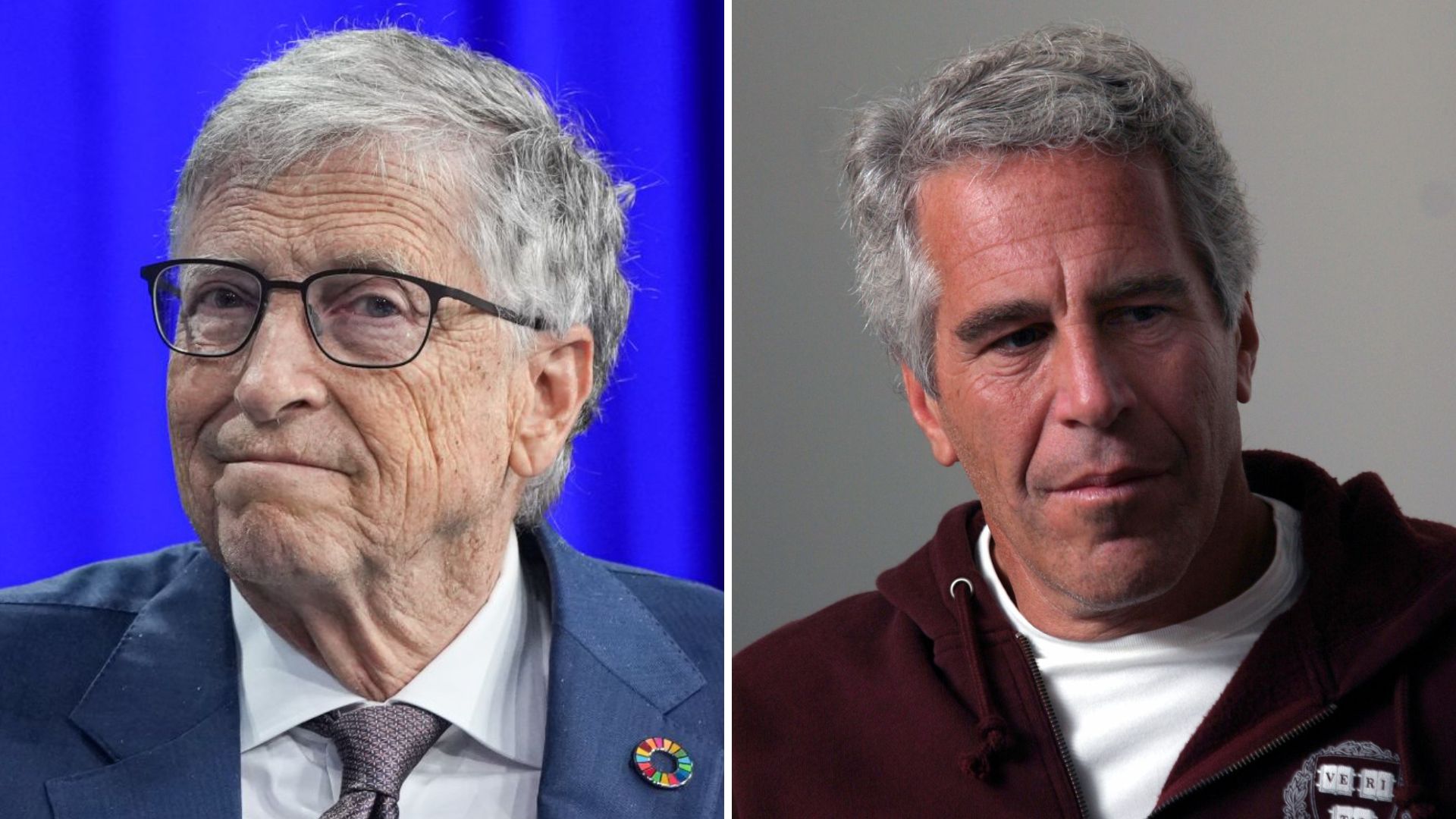
The publication of documents related to Epstein has reignited media attention by providing concrete evidence (draft messages, correspondence) that may mention famous figures. These records compel those involved to clarify their positions and provide journalists with leads to reconstruct the exchanges. It is important to keep in mind, however, that the mere presence of a name in documents does not, on its own, establish the personal nature or the seriousness of a relationship.
4) Public Fallout
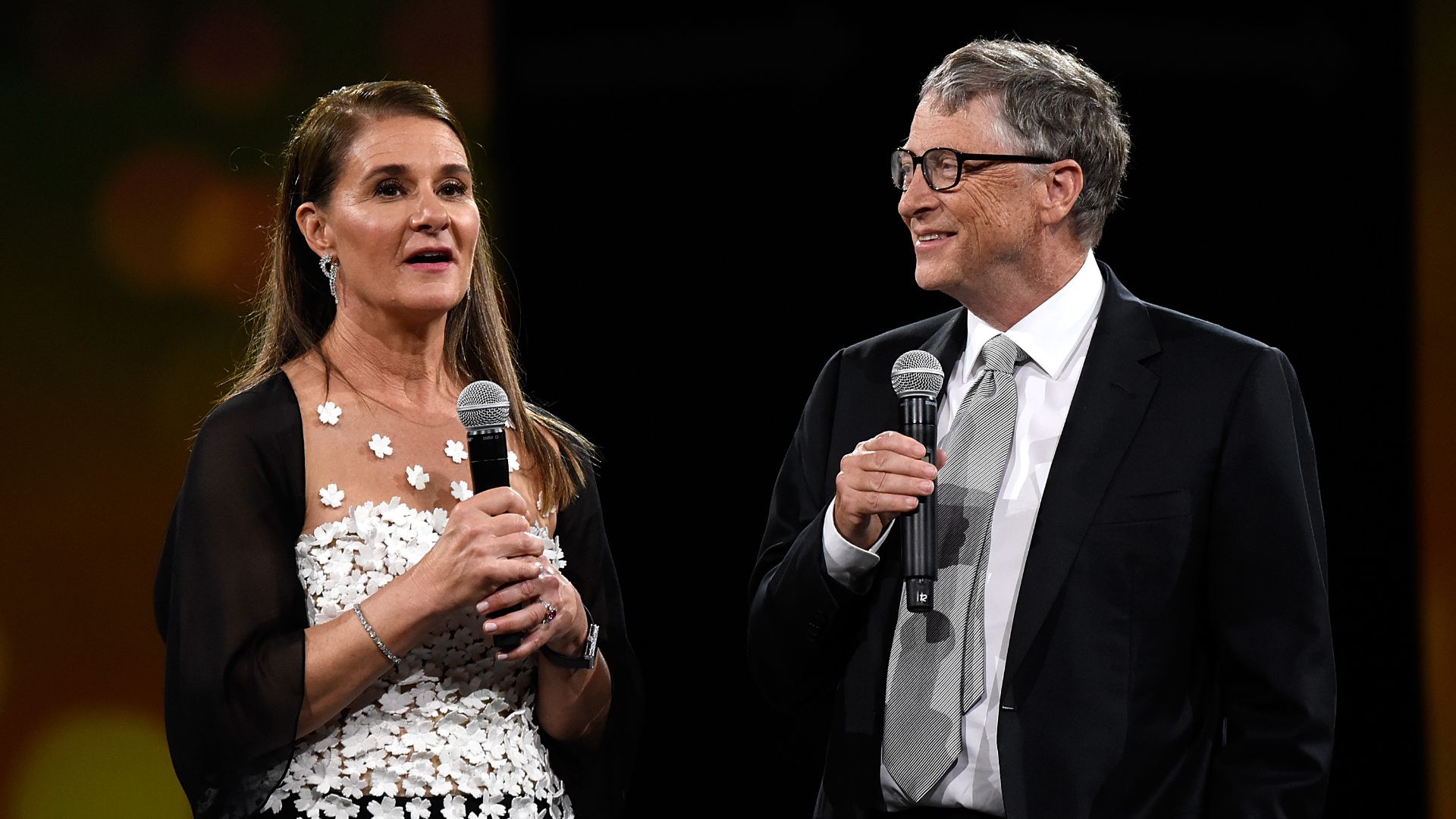
The controversy has had tangible impacts: Bill Gates canceled his participation in the India AI Impact Summit, stating that he wanted to keep the focus on the summit's priorities. Melinda French Gates spoke publicly about the emotional impact, noting that these developments were reopening personal wounds. These reactions show that the consequences extend beyond the media sphere and affect the private lives and public commitments of those involved.
5) Reputation, Accountability, and Transparency
Gates acknowledged that associating with Epstein was a mistake that damaged his reputation and, unintentionally, helped restore the financier's image. This admission represents an important step in crisis management: the public acknowledgment of an alleged wrongdoing. But making amends also requires transparency—including the release and review of relevant documents—and answers to unanswered questions: Why did the meetings continue? What actual benefits were gained? Who else was involved?
6) What Remains to Be Clarified
Several details remain unclear. The allegations of blackmail are serious and require corroborating evidence. The exact nature of the promises made by Epstein and the reason they were not fulfilled (according to Gates, Epstein did not honor his commitments) must be clarified. Finally, the scope of the declassified documents must be analyzed with caution: not all documents carry the same evidentiary weight.
7) Why This Matters
Beyond the individuals involved, this case raises broader questions about how people with troubled pasts can remain influential by presenting themselves as facilitators or intermediaries. It also raises questions about the governance of philanthropy, the due diligence required in collaborations, and how public and private organizations should manage reputational risks.
In conclusion, the hearing and the published documents shed light on certain aspects of the relationship between Bill Gates and Jeffrey Epstein, but still leave some questions unanswered. The main challenge remains the search for the truth based on the available documents and testimonies, while respecting the presumption of innocence regarding matters that have not been established in court. Watch for: the possible release of additional documents, further clarifications from the parties involved, and, perhaps, institutional follow-up actions if new evidence emerges to support the allegations.
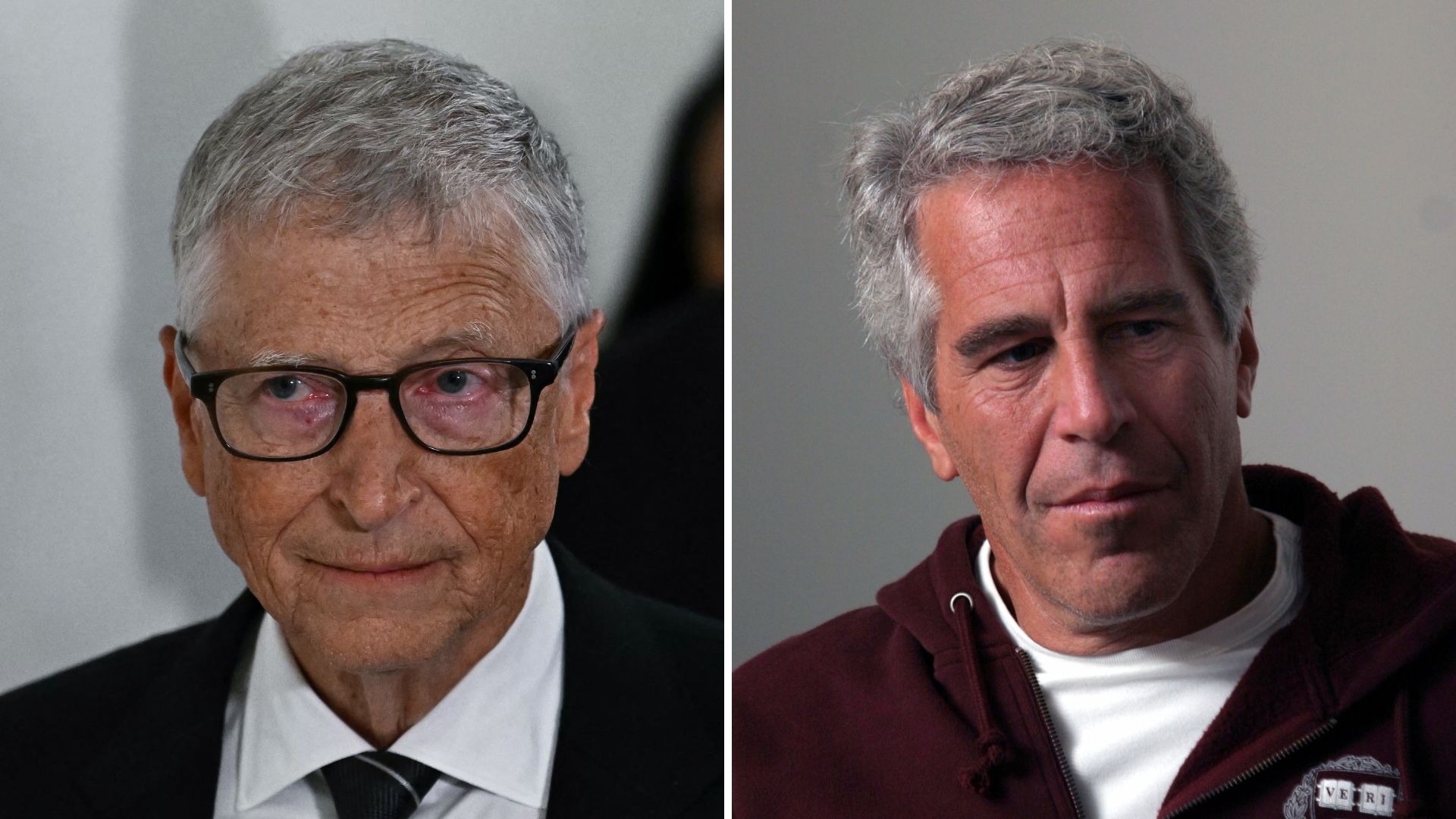 Bill Gates claims Epstein attempted to blackmail him
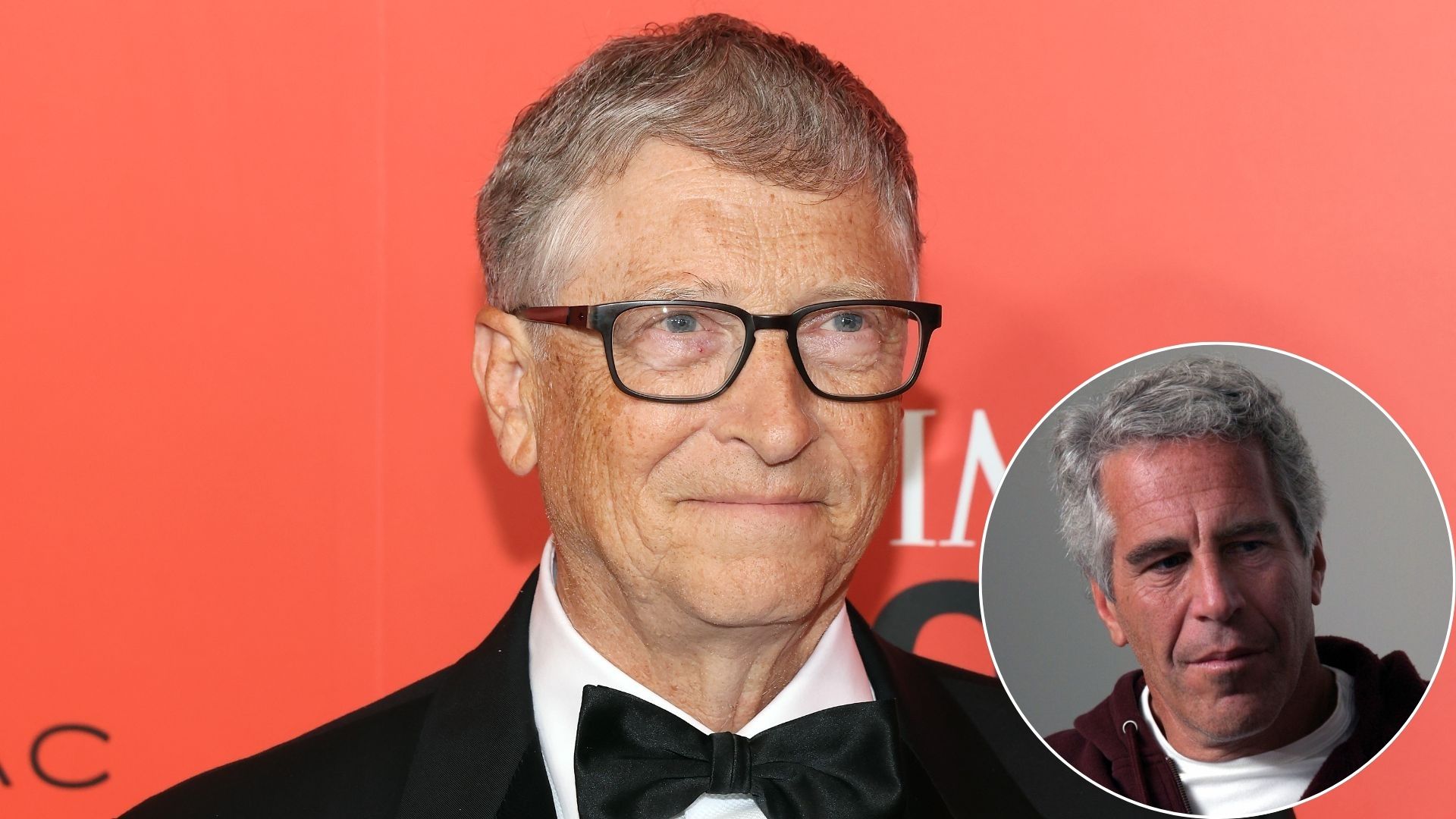 Bill Gates admits affairs, says of Epstein: «I did nothing illicit»