

/https%3A%2F%2Fcdn-tor.buminteractif.com%2F2026%2F05%2F20145949%2Fxi-putin-getty-3453gdgd.jpg)
Putin received a lavish welcome in Beijing only days after Donald Trump concluded his first visit to China since 2017, as Xi Jinping and Vladimir Putin used the occasion to publicly showcase the depth of their alliance amid intensifying geopolitical tensions with Washington. The carefully staged ceremonies at the Great Hall of the People highlighted the symbolic importance of the Russian leader's two-day visit on May 19 and 20, which Chinese officials framed as another milestone in the countries' “special strategic partnership.” Xi emphasized the historic nature of the relationship by noting that this marked Putin's 25th visit to China. «This is President Putin's 25th visit to China, which fully reflects the high level and special nature of China-Russia relations», Xi said during the opening ceremony attended by senior officials from both governments.
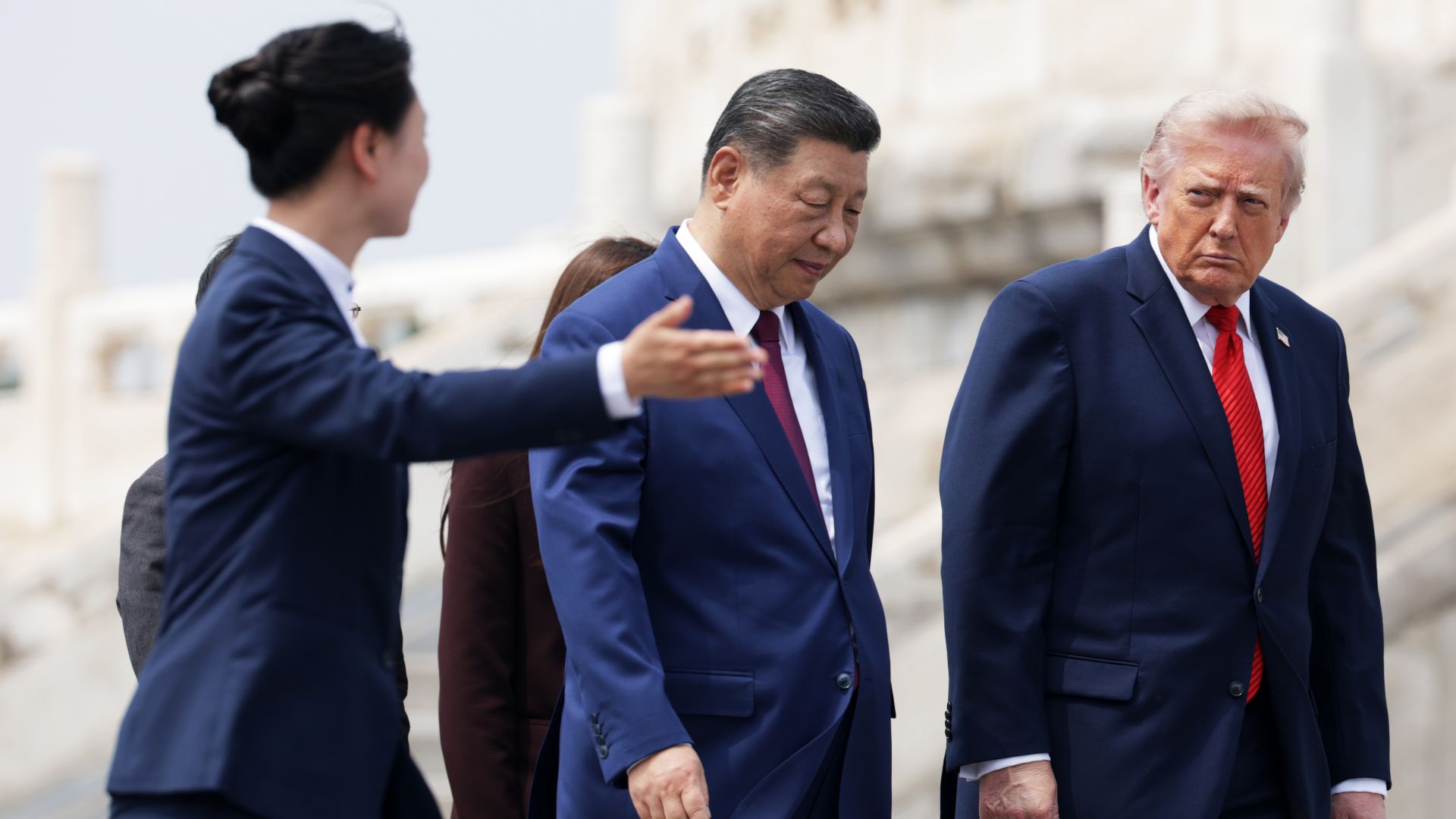
The summit unfolded immediately after Trump's “working visit” to Beijing on May 17 and 18, where the American president sought to stabilize trade relations and reopen security discussions following years of economic confrontation between the two powers. Observers described Trump's meetings with Xi as pragmatic and business-oriented, lacking the elaborate symbolism attached to previous state visits. In contrast, Putin's arrival was marked by military honors, an official banquet, and a public display of personal warmth between the two leaders. During their meeting, Putin addressed Xi by saying, «My dear friend. We are truly delighted to see you. We keep in constant touch, both personally and through our aides in the government.» Xi responded with a poetic remark that quickly circulated across Chinese and Russian media coverage of the summit: «One day apart feels like three autumns have passed.»
«There is a danger of fragmentation of the international community and a return to the “law of the jungle”.»
-A joint statement released by Xi and Putin
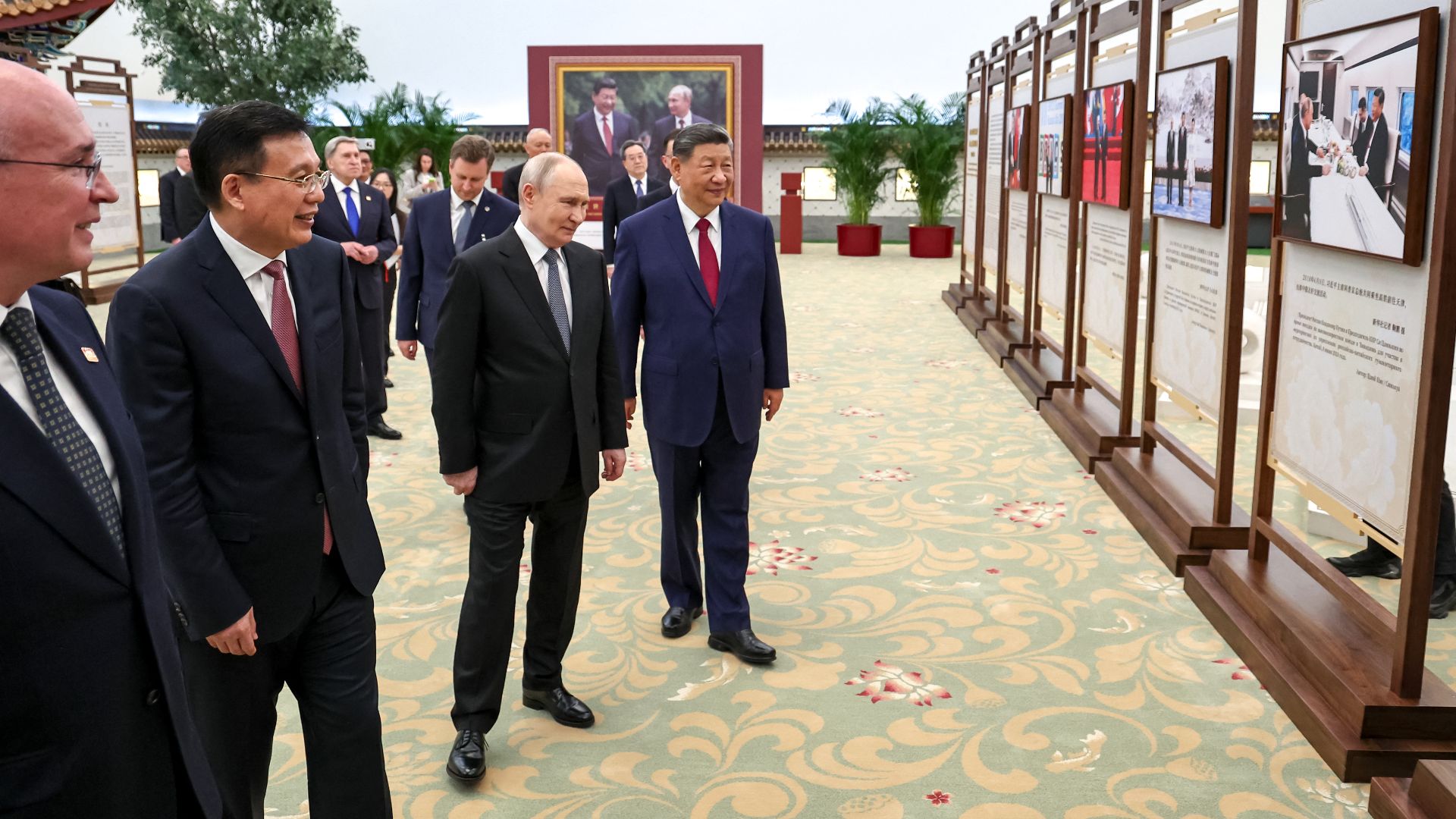
The discussions between Xi and Putin extended beyond diplomatic symbolism and focused heavily on expanding cooperation in defense, education, healthcare, and economic development. Officials from both countries described the talks as “successful and fruitful,” with agreements signed covering scientific exchanges, medical research collaboration, and increased military coordination. The visit also included a high-profile photo exhibition in Beijing dedicated to decades of Russia-China relations, intended to reinforce the narrative of long-term strategic trust between the neighboring powers. Putin used the occasion to invite Xi to Russia in 2027 for future commemorative events tied to bilateral relations and historical anniversaries. Chinese state media presented the visit as evidence that Moscow and Beijing remain aligned despite continued Western sanctions against Russia and ongoing pressure from the United States on both governments.
A major focus of the summit was the increasingly confrontational rhetoric directed at what both governments describe as Western dominance over the global order. In a lengthy joint statement released after their meetings, Xi and Putin warned against what they characterized as unilateral pressure tactics and the destabilizing effect of sanctions imposed by Western nations. The declaration included a direct criticism of the international environment shaped by U.S. foreign policy, stating that «there is a danger of fragmentation of the international community and a return to the ‘law of the jungle'». The phrase was widely interpreted as a response to Washington's use of tariffs, sanctions, and diplomatic pressure against rivals including China and Russia. Chinese and Russian officials argued that such policies weaken international institutions and contribute to geopolitical instability across multiple regions.
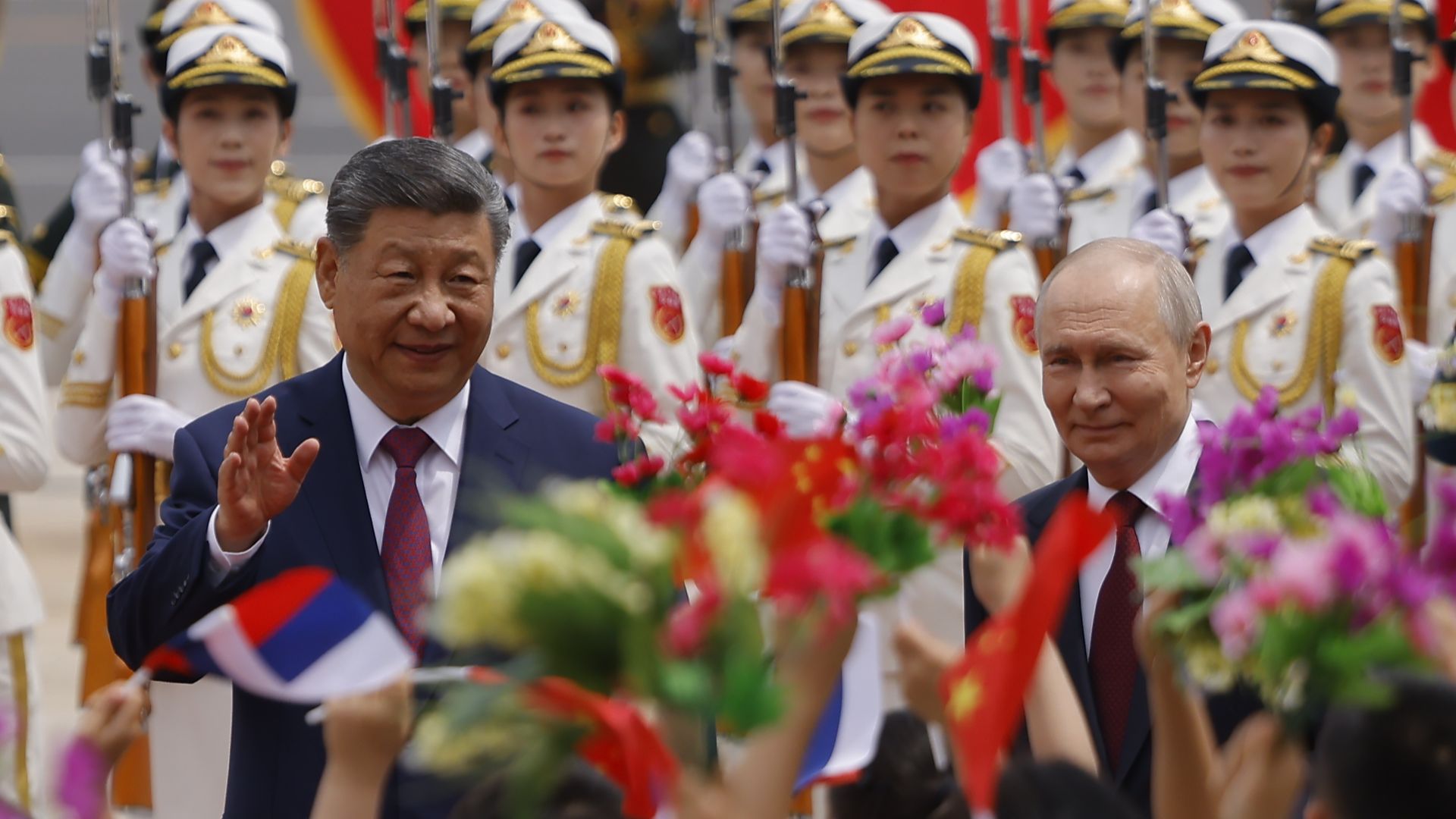
The timing of Putin's visit carried additional significance because it followed so closely after Trump's meetings with Xi, creating a diplomatic contrast that analysts across Asia and Europe immediately highlighted. Trump's trip focused primarily on trade disputes, semiconductor restrictions, and military tensions in the Indo-Pacific region, while Putin's visit emphasized ideological alignment and long-term strategic cooperation. Although Beijing publicly insisted it seeks stable relations with Washington, Chinese officials simultaneously used the Putin summit to demonstrate that China retains strong alternatives to Western partnerships. Russian state media framed the visit as proof that attempts to isolate Moscow following years of conflict with the West had failed. Analysts noted that the visual imagery surrounding the summit, including the ceremonial welcomes and public exchanges between the leaders, appeared designed to reinforce that message to international audiences.
«This is President Putin's 25th visit to China, which fully reflects the high level and special nature of China-Russia relations.»
-President of the People's Republic of China, Xi Jinping
Beyond the geopolitical messaging, the summit also reflected the increasingly personal relationship between Xi and Putin after more than a decade of regular meetings and coordinated diplomacy. Both leaders repeatedly emphasized continuity, mutual trust, and long-term cooperation throughout the visit. Xi described the relationship as resilient despite international tensions, while Putin praised China's role as one of Russia's closest strategic partners. The highly choreographed nature of the visit contrasted sharply with the more restrained tone surrounding Trump's earlier meetings in Beijing and underscored the different priorities shaping China's relations with Washington and Moscow. As competition between major powers continues to intensify, the Beijing summit signaled that China and Russia intend to deepen their partnership further while presenting themselves as a united front against what they view as Western-led pressure on the international stage.
Created by humans, assisted by AI.
