/https%3A%2F%2Fcdn-tor.buminteractif.com%2F2025%2F12%2F15202826%2Fcover-ralph-abraham.jpg)
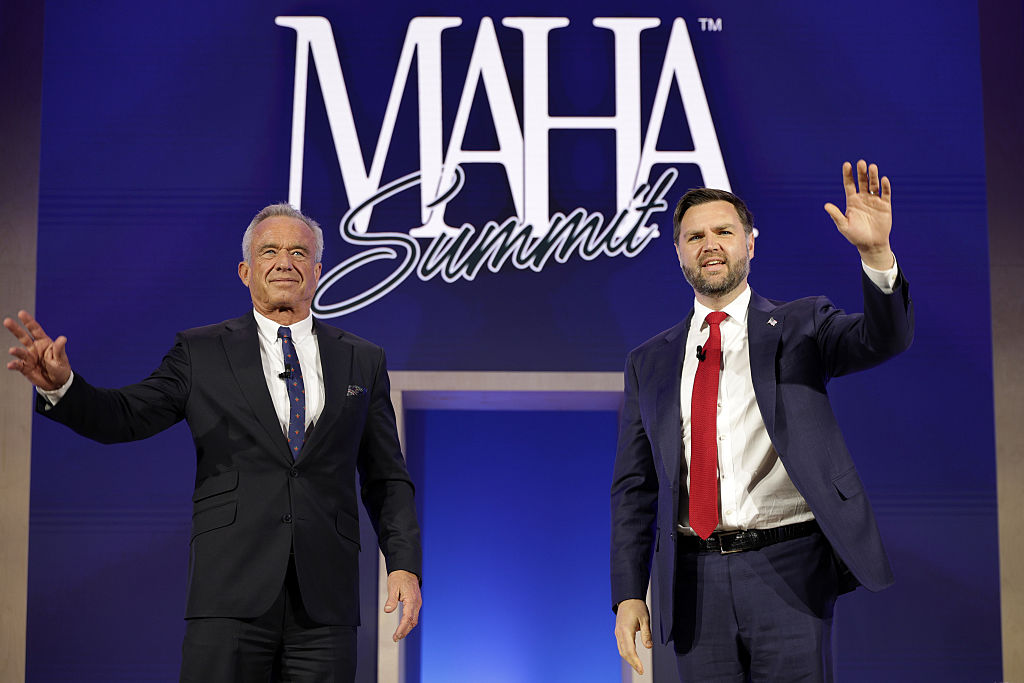
Ralph Abraham, Surgeon General of the State of Louisiana in the United States, will serve as Assistant Director of the U.S. Centers for Disease Control and Prevention (CDC). Although not officially announced by the U.S. Department of Health and Human Services, his new role was confirmed by a newsletter reported by Inside Medicine. This announcement has drawn widespread criticism due to the positions he has taken in recent months regarding mass vaccination. On February 13, Dr. Ralph Abraham stated that the Department of Health would no longer promote mass vaccination, while continuing to encourage discussions between medical staff and patients about the risks and benefits associated with vaccination.
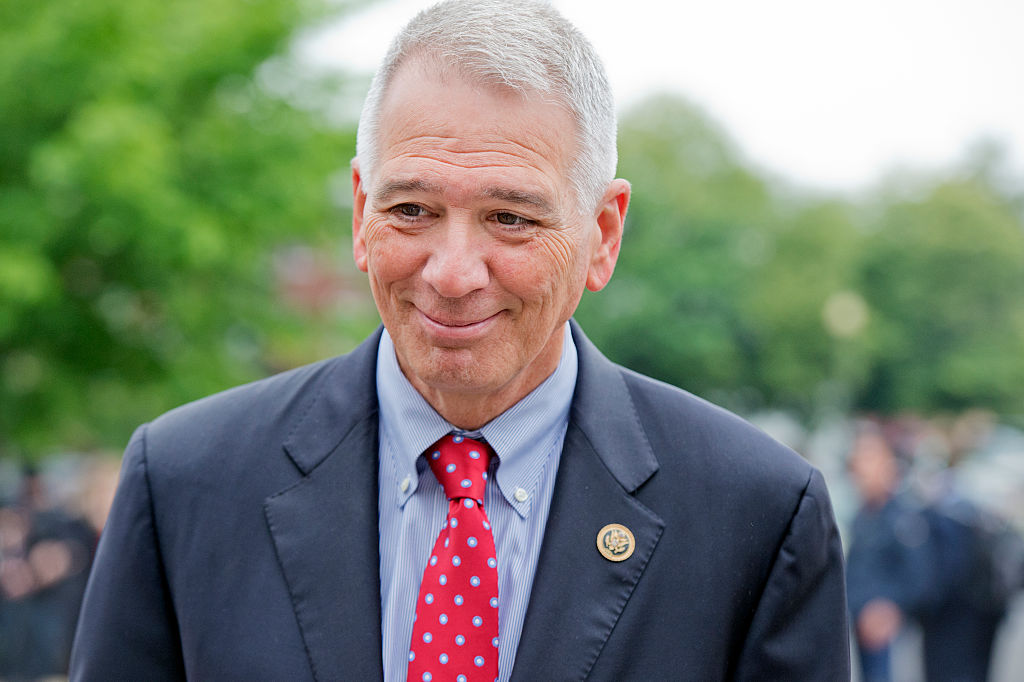
On the Democratic side, Dr. Nirav Shah, former senior assistant director of the CDC under the Biden administration, has expressed his dissatisfaction on the X platform and is warning Americans about Dr. Abraham's beliefs. According to him, his positions on vaccination a lot and the minimization of epidemics disqualify the Louisiana surgeon general from holding this position.This appointment comes at a turning point for the CDC. The agency currently has no permanent director, since Kennedy ousted Dr. Susan Monarez from her position in August. Jim O'Neill, assistant secretary for HHS and acting director of the CDC, said this month that the organization was suffering from a “mission drift” and needed to return to its original mandate. He added that the department wanted to “make the best use” of its teams and was actively pursuing recruitment. According to him, the CDC is looking to attract scientists, data and AI engineers, researchers, and drug control experts:
“If you are talented and interested in health or social services, come work with us.”
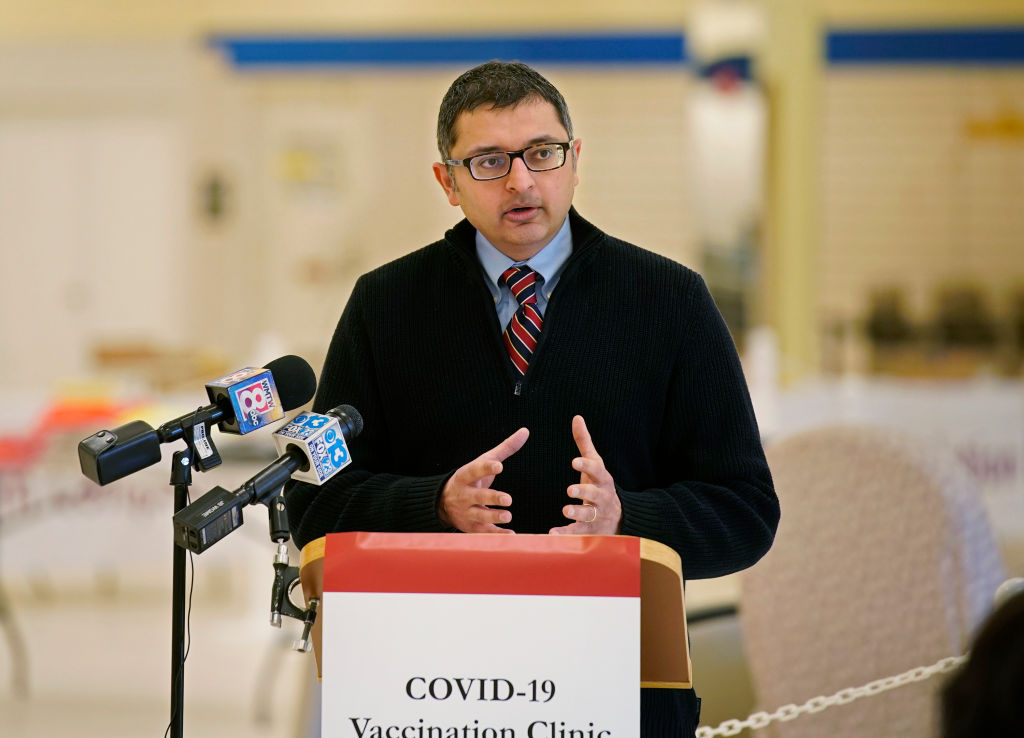
Dr. Abraham's appointment also comes just days after the CDC changed the wording on its page about vaccines and autism, now stating that the phrase “vaccines do not cause autism” is not presented as an evidence-based statement. Although he has never clearly stated his opposition to vaccines, he has often echoed the “Make America Healthy Again” rhetoric championed by Robert Francis Kennedy Jr., the U.S. Secretary of Health and Human Services. He also publicly expresses his distrust of the pharmaceutical industry and certain public health institutions. In a statement released in February, he explained that, in his opinion, “the solution to rising costs and declining health outcomes in our country is unlikely to come from a pill or a shot.” He added that some of the expected improvements would instead come from “the usual work of improving diet, increasing physical activity, and making better lifestyle choices.”