

/https%3A%2F%2Fcdn-tor.buminteractif.com%2F2025%2F12%2F17203420%2Foscar-youtube-getty-345gdfgdfg.jpg)
The Academy of Motion Picture Arts and Sciences has announced a major distribution shift for the Academy Awards, signing an exclusive five-year agreement that will move the Oscars to YouTube beginning in 2029, starting with the 101st ceremony, in a move that repositions Hollywood's biggest night around global streaming rather than traditional broadcast television. The decision also marks the end of the ceremony's long-running relationship with ABC for its primary U.S. home, after a run that dates back decades and is set to continue only through the 100th ceremony in 2028 before the switch takes effect.
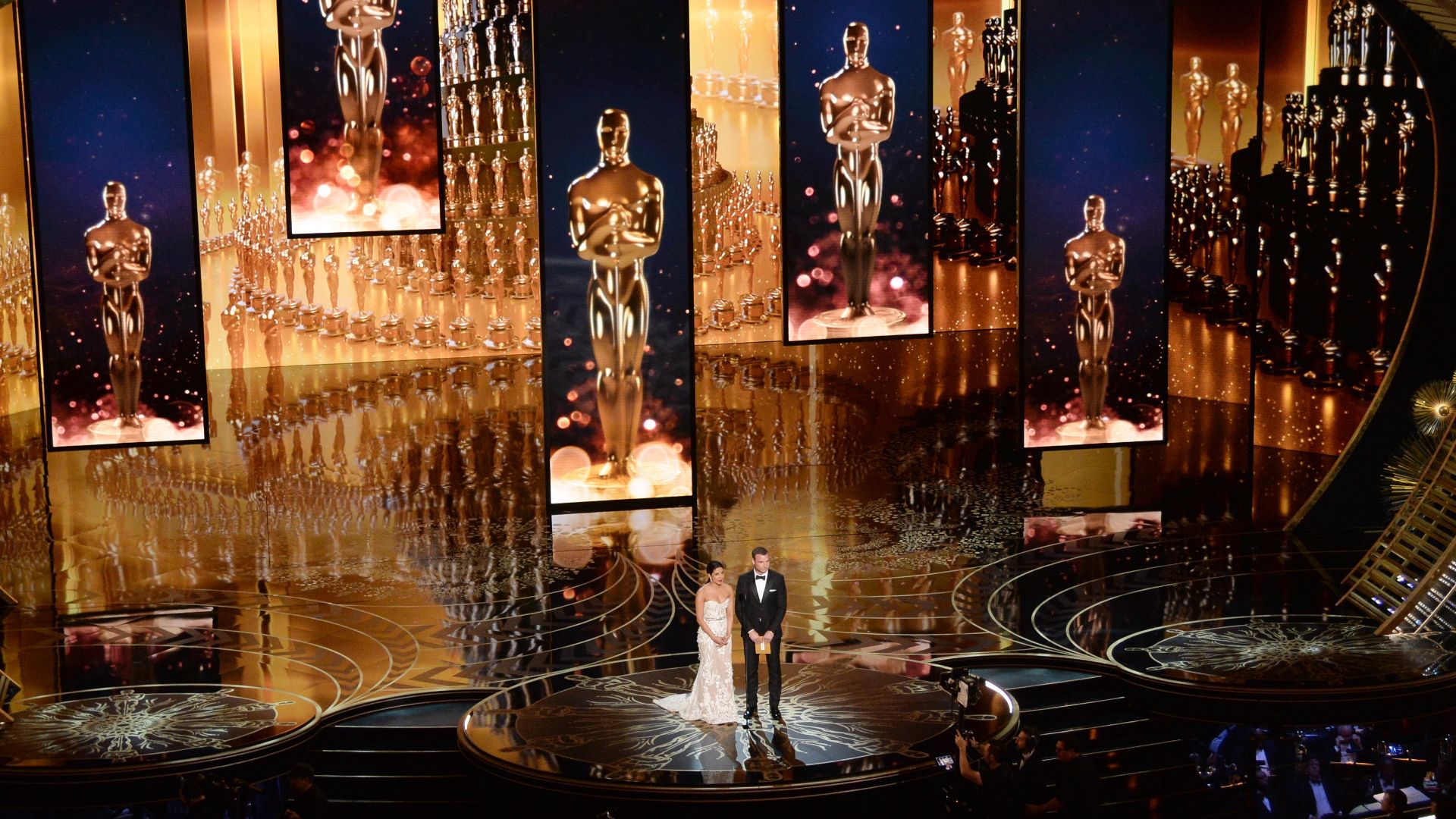
In its statement accompanying the announcement, the Academy framed the YouTube deal as a reach and access play rather than a simple change of platform, presenting the move as a way to push Oscars content far beyond the limits of a single U.S. broadcaster and into a truly global, always-on digital audience. The organization said the partnership is designed to broaden who can watch and engage with its work, arguing that the shift will help the Academy meet viewers where they already are online and make its programming easier to discover, share, and revisit across markets and time zones. As the Academy put it: «This partnership will allow us to expand access to the work of the academy to the largest worldwide audience possible».
Betting on YouTube
For decades, the Oscars were one of the biggest nights on U.S. television, but their audience has steadily thinned as viewing habits shifted, with recent years showing only partial rebounds from a historic slump: Nielsen records cited by CBS News note the telecast had never fallen below 30 million viewers until 2018, a stark contrast to the late-1990s peak of roughly 55 million viewers. The pandemic-era low point was the 2021 ceremony, widely reported at about 10.4 million viewers, and even with an upswing since then, the modern totals remain far below the franchise's former scale, with 2024 drawing about 19.5 million viewers and 2025 reported at around 19.7 million in the U.S. That long decline is a key reason the Academy is betting on YouTube: the platform's global reach and younger-skewing ecosystem offer the chance to meet audiences who no longer reliably show up for a long broadcast appointment, especially as the Academy tries to turn the Oscars into a digital-first cultural moment that travels through clips, creators, and on-demand viewing rather than depending on one night of linear TV.
The YouTube–Oscars deal fits into a broader rupture with the television model as it existed for decades, signaling a deeper transformation of Hollywood itself as legacy studios and institutions confront an audience that has largely migrated online. Linear TV, once the unquestioned home of prestige live events, is steadily losing its grip as streaming platforms position themselves not just as distributors but as central power brokers shaping culture, sports, and awards. That shift has been underscored by Netflix's own ambitions, including its publicly stated interest in expanding through major acquisitions and reports pointing to Warner Bros. Discovery and HBO as potential long-term targets, a scenario that would have been unthinkable during the peak era of broadcast dominance. Taken together, these moves reflect an industry in flux, where tech platforms and streamers are no longer adjuncts to Hollywood but rivals and, increasingly, its future custodians, forcing institutions like the Academy to adapt or risk fading relevance in a media ecosystem defined less by channels and schedules than by platforms, scale, and global reach.
This content was created with the help of AI.
