

/https%3A%2F%2Fcdn-tor.buminteractif.com%2F2026%2F01%2F19180852%2FTrump-gaza-board-peace-getty34534534.jpg)
The Kremlin announced that it has received an invitation from Trump personally inviting Vladimir Putin to join a «Board of Peace» committee tasked with overseeing the reconstruction of Gaza, as the president also floated the idea that a permanent seat on the committee could be purchased for $1 billion. Speaking to reporters, the Russian press secretary confirmed that «President Putin also received through diplomatic channels an invitation to join this Board of Peace», signaling that the proposal had been formally transmitted. He added that the Kremlin was «hoping», as it reviews the invitation, «to get more details from the US side», suggesting that Moscow is treating the offer cautiously while seeking clarification on the scope of the proposal.
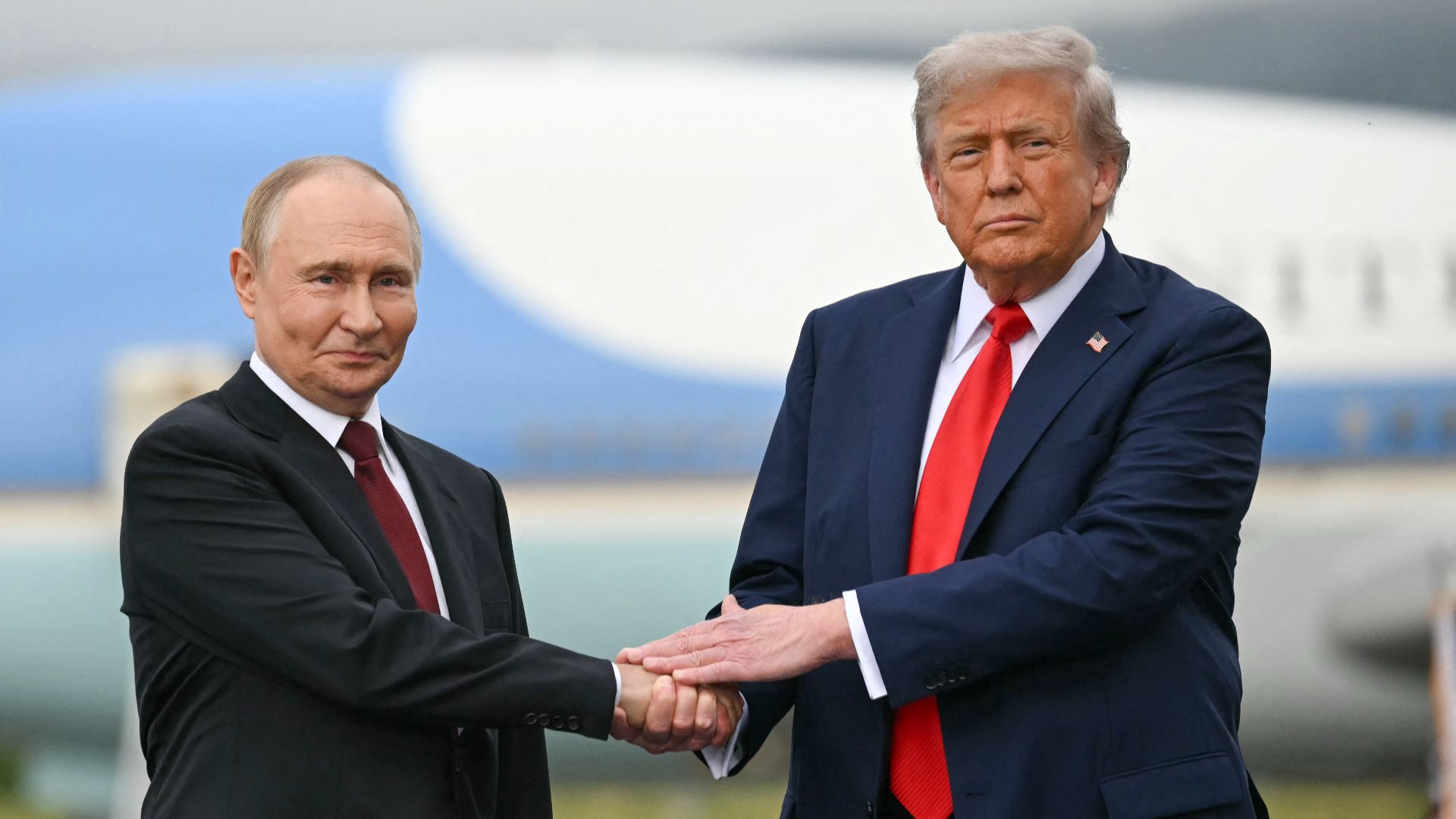
The «Board of Peace», chaired by Trump, is built on the premise of the American plan to demilitarize and rebuild Gaza, but has already drawn concern from U.S. allies. According to CNN, Ireland's Minister for Foreign Affairs Helen McEntee issued a statement over the weekend warning that the body proposed by Trump «would have a mandate wider than the implementation of the Gaza Peace Plan», raising questions about its scope and authority. The initiative continues to expand as Belarus announced that President Alexander Lukashenko has also received an invitation to join the «Board of Peace». As of now, the board is set to include former British Prime Minister Tony Blair, Canadian Prime Minister Mark Carney, and U.S. Secretary of State Marco Rubio, while Argentinian President Javier Milei, Turkish President Recep Tayyip Erdogan, Egyptian President Abdel Fattah el-Sisi, Hungarian Prime Minister Viktor Orbán, and, lastly, Israeli Prime Minister Benjamin Netanyahu have reportedly also received invitations from the U.S. president.
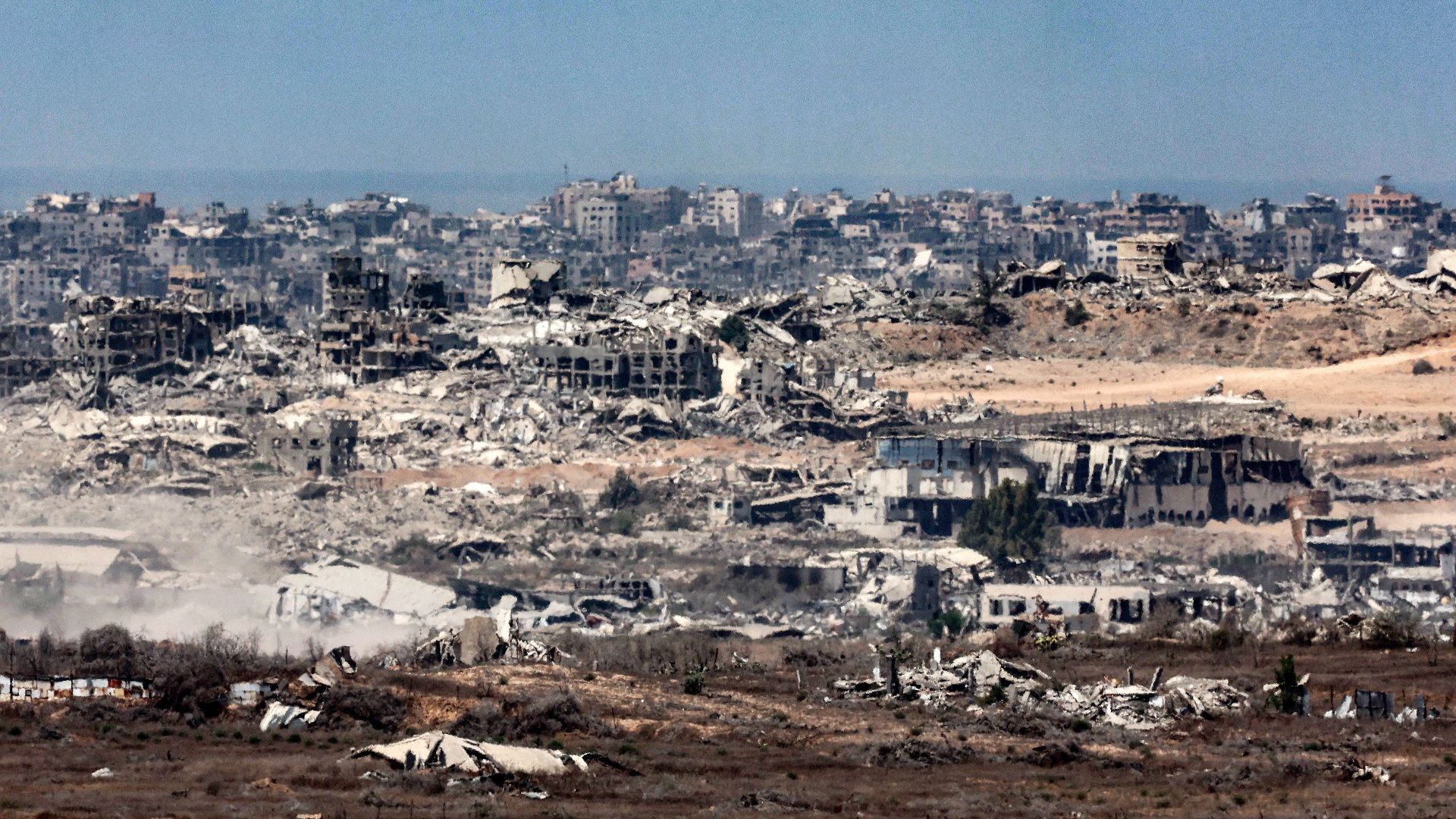
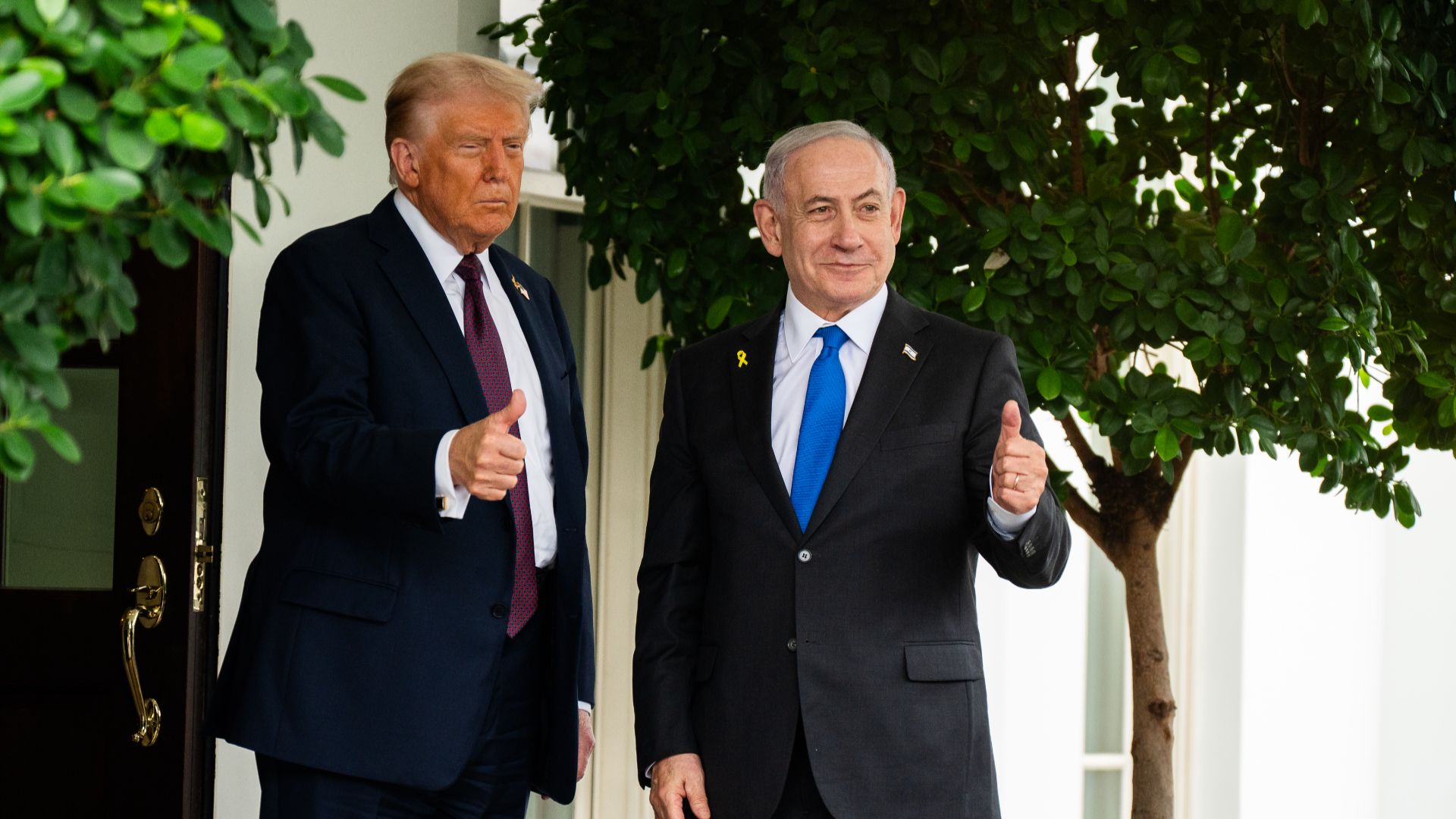
But according to indications reported by several media outlets, Israel is opposing Trump's proposed «Board of Peace», with objections focusing primarily on its composition, mandate, and the lack of prior coordination with Jerusalem. Officials close to Prime Minister Benjamin Netanyahu have objected to the announcement of the board without consultation, arguing that several of the invited or rumored participants conflict directly with Israel's security doctrine and postwar objectives in Gaza. Particular concern has been raised over the possible inclusion of countries such as Turkey, which Israeli officials view as hostile and as having political ties to Hamas, as well as over the broader internationalization of Gaza's governance. Members of Netanyahu's coalition, especially on the right, have warned that the board risks limiting Israel's freedom of action and transferring strategic decisions about Gaza's future to external actors. The Israeli government has also signaled unease with a mandate that could extend beyond reconstruction, viewing the initiative as undermining Israeli sovereignty and security control in the postwar phase.
This content was created with the help of AI.
