

/https%3A%2F%2Fcdn-tor.buminteractif.com%2F2026%2F02%2F12154536%2Fminnesota-ice-homan-getty3453342.jpg)
The Trump administration is winding down its immigration enforcement surge in Minnesota after weeks of controversy that intensified following the fatal shootings of two U.S. citizens who were acting as “ICE watch” observers. White House border czar Tom Homan, sent to Minnesota in late January as political pressure mounted, announced Thursday that a «significant drawdown» is now underway and will continue through next week. He said the operation has produced the «successful results we have came here for,» citing more than 4,000 arrests and «unprecedented cooperation» from local law enforcement. Federal officials have described the crackdown as a response to alleged fraud involving Somali immigrants and government programs, but the deployment quickly became a flashpoint over aggressive enforcement tactics, racial profiling claims, and the administration's handling of the shooting investigations.
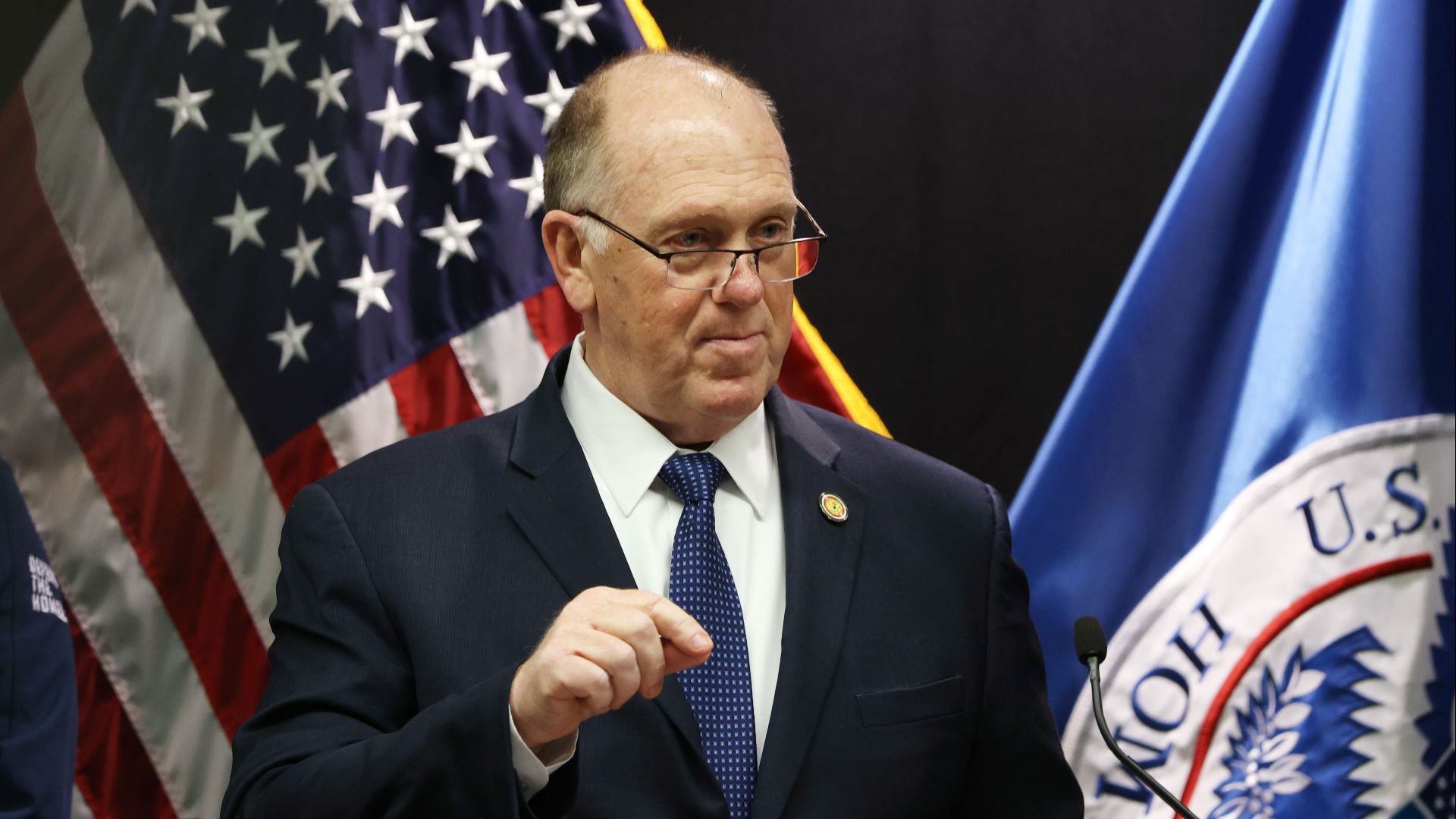
Homan's announcement framed the pullback as a strategic shift rather than a retreat. «I have proposed and President Trump has concurred, that this surge operation conclude,» he said, while arguing that «As a result of our efforts here, Minnesota is now less of a sanctuary state for criminals.» He also said, «The surge is leaving Minneapolis safer,» and added, «I'll say it again, it's less of a sanctuary state for criminals.» The end of the surge does not mean enforcement is stopping, officials emphasized, but it signals a transition away from the unusually large federal footprint that local leaders said felt like an “occupation.” According to Homan, the drawdown will still leave immigration authorities operating in the region, with tactics increasingly focused on coordination with jails and local agencies rather than street-level mass presence.
«I have proposed and President Trump has concurred, that this surge operation conclude.»
-White House border czar, Tom Homan
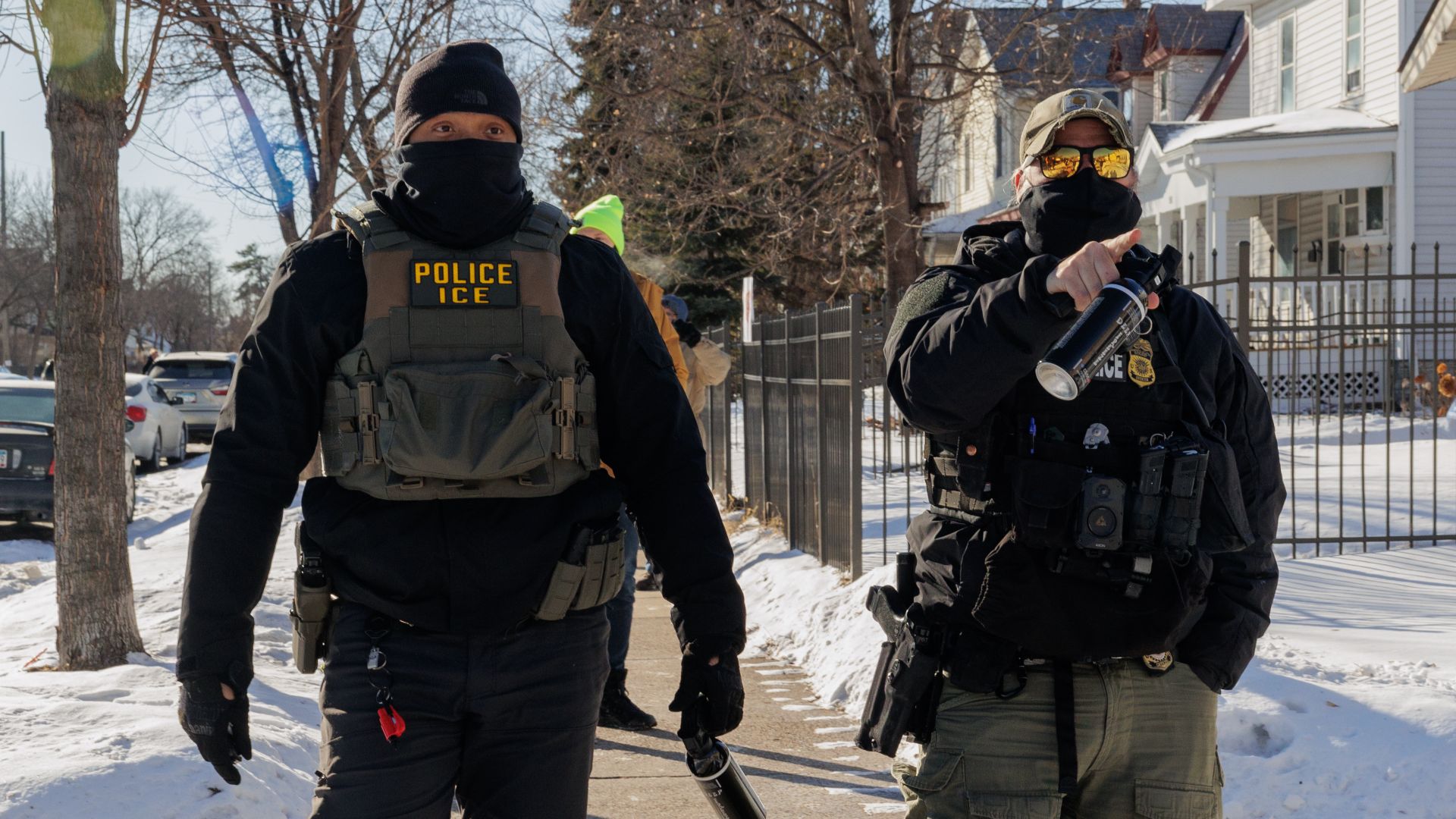
The crackdown, described by federal authorities as Operation Metro Surge, began in December with thousands of agents deployed across the Minneapolis-St. Paul area and, according to reports, expanded again in January. The high-visibility operation prompted protests and rapid growth of local networks monitoring federal activity. Federal authorities say the sweeps led to arrests of more than 4,000 people, but critics and some reporting have said individuals with no criminal records were also detained, including children and U.S. citizens. The two fatal shootings became the defining turning point, intensifying scrutiny of the agents' conduct and the administration's narrative. The political fallout widened further when more than a dozen federal prosecutors in Minnesota, including attorneys connected to the fraud cases cited by the White House, resigned amid frustration over how the operation and the shooting investigations were handled.
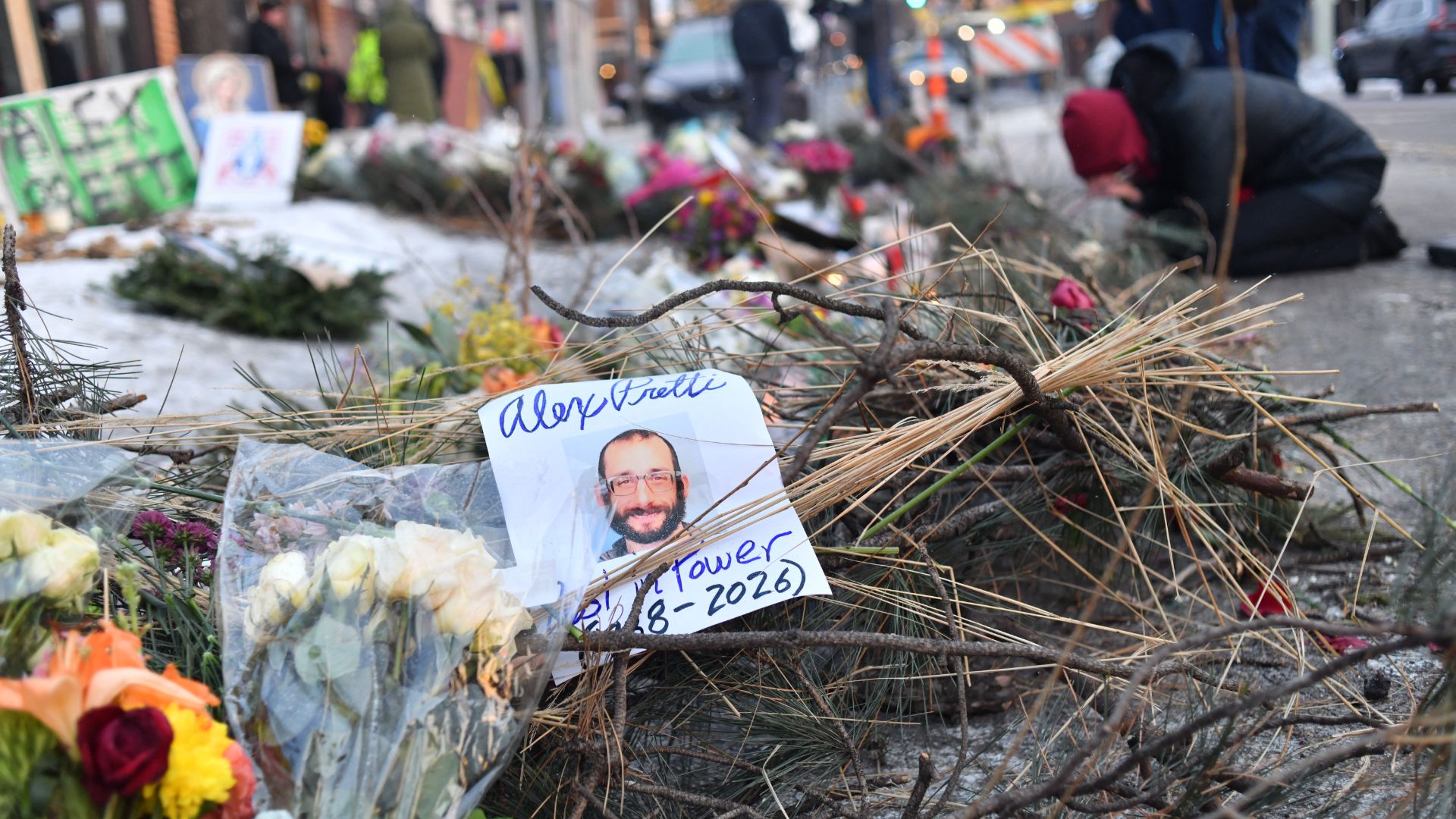
Homan said he was sent to Minnesota to meet with state and local officials and oversee a drawdown as tensions escalated and public support eroded. In earlier remarks during the standoff, he warned that a reduction would depend on cooperation, saying: «President Trump wants this fixed, and I'm going to fix it.» By early February, Homan announced that 700 federal officers would leave immediately, though more than 2,000 were still on the ground at that point. Thursday's announcement moved beyond partial reductions, with Homan saying the drawdown began this week and will continue next week, and that he would remain in Minnesota «for a little longer» to oversee the transition. Local leaders said they would judge the shift by what they see on the ground, not by press statements.
«As a result of our efforts here, Minnesota is now less of a sanctuary state for criminals.»
-White House border czar, Tom Homan
A central element of the new approach is increased reliance on local detention facilities. Homan said he reached an agreement allowing agents to detain undocumented inmates inside jails rather than after they are released, a change he presented as reducing confrontation in public spaces. He also said he had commitments from local law enforcement to «shut down unlawful agitator activity» that may impede ICE operations, while emphasizing continued cooperation. The announcement came as the surge faced intensifying criticism over civil rights concerns, including allegations of racial profiling and aggressive tactics. In parallel, lawsuits and court filings have brought additional scrutiny to federal methods used during the operation, while community groups and local officials warned that fear generated by the crackdown has affected families, businesses, and schools far beyond those directly targeted.
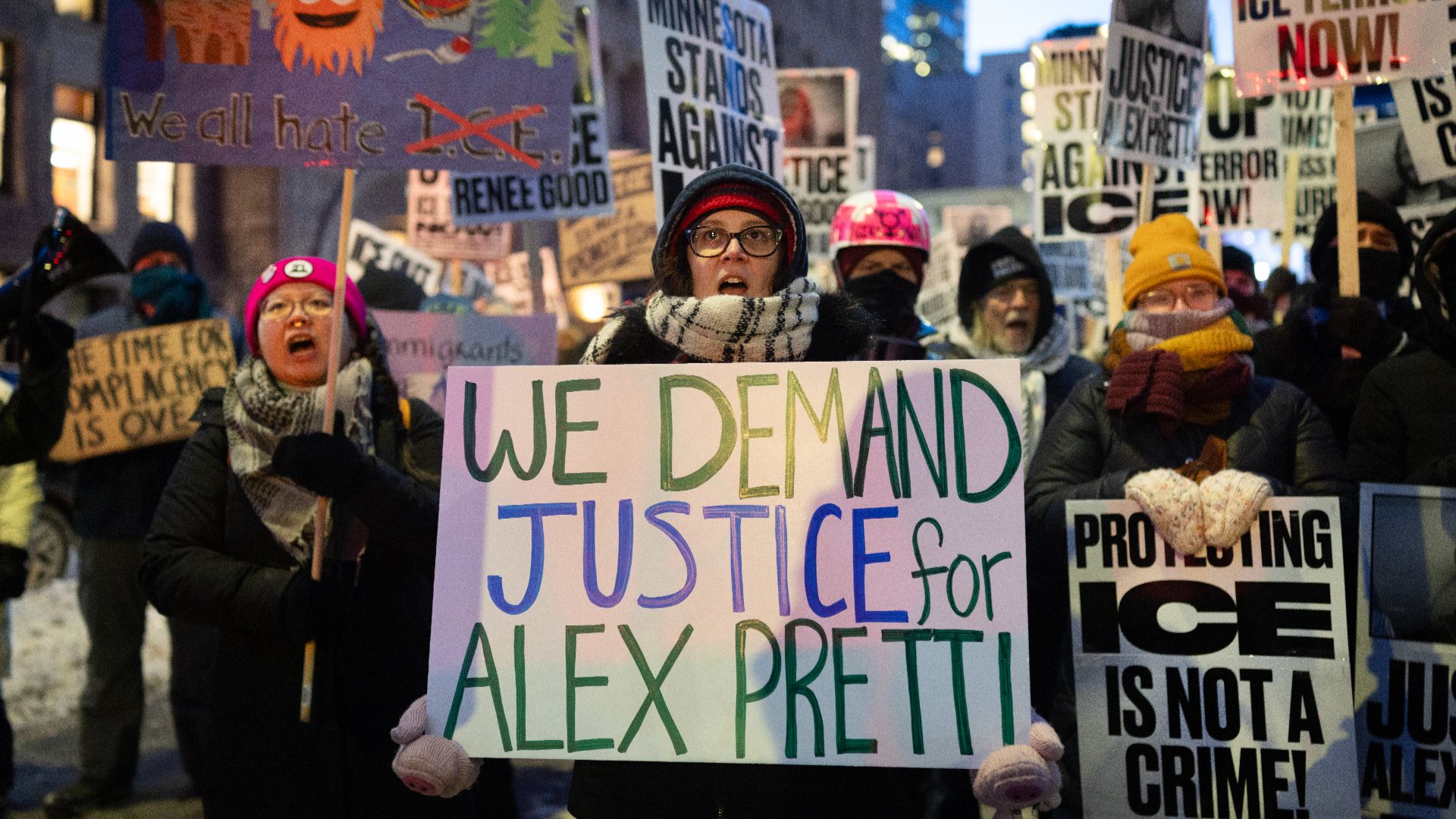
The ending of the surge is also unfolding under a major political deadline, with the announcement landing on the eve of a congressional funding fight over the Department of Homeland Security. Nationally, critics of Trump and his administration have argued that expanded ICE operations and the scale of enforcement deployments raise oversight and accountability questions, especially after the deaths of U.S. citizens during the Minnesota crackdown. Minnesota officials, meanwhile, have said the long-term costs of the surge will linger even as agents withdraw. Gov. Tim Walz said he expected the operation to end in «days, not weeks and months,» and described the crackdown as an “occupation” and a “retribution campaign,” while mayors and local leaders have warned that rebuilding trust will take time. Homan, for his part, insisted the broader effort continues, telling critics: «For those who say we are backing down from immigration enforcement or the promise of mass deportations, you are simply wrong.»
Created by humans, assisted by AI.
