Ukrainian Athlete Disqualified for Violating «a prohibition on political speech» With War Tribute Helmet


/https%3A%2F%2Fcdn-tor.buminteractif.com%2F2026%2F02%2F12170827%2Furkaine-olympic-getty-34534.jpg)
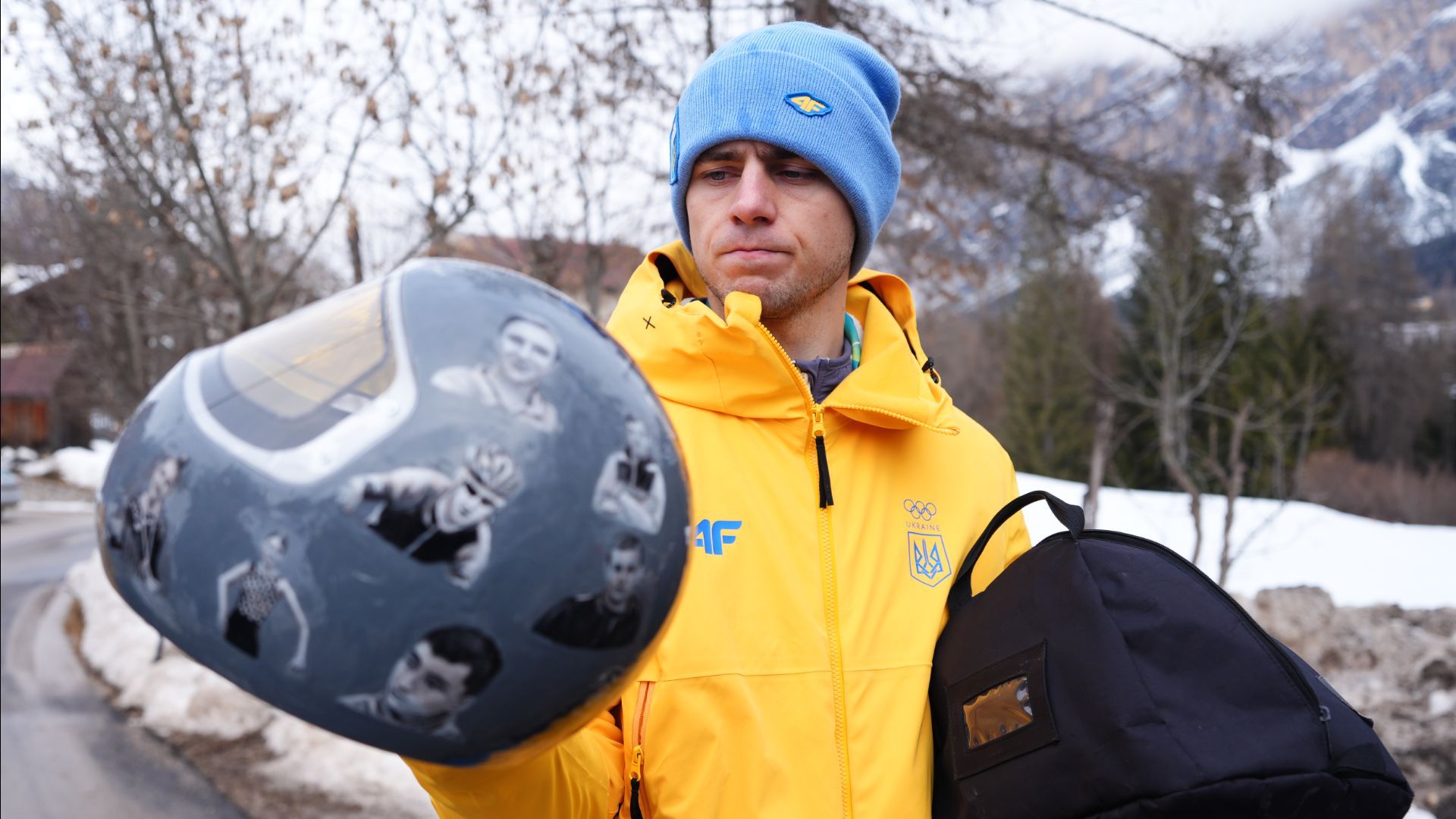
Vladyslav Heraskevych, a Ukrainian skeleton racer, was disqualified from the Winter Olympics in Italy after Olympic officials ruled that his helmet honoring athletes killed in the war with Russia violated the Games' rules on political expression. The decision, announced just before competition in Cortina d'Ampezzo, immediately became one of the most controversial moments of the Games. Heraskevych had planned to compete wearing a helmet featuring portraits of 21 Ukrainian athletes who died during the conflict. Olympic authorities said the tribute breached «a prohibition on political speech» during competition, triggering a ruling that barred him from racing despite his qualification for the event.
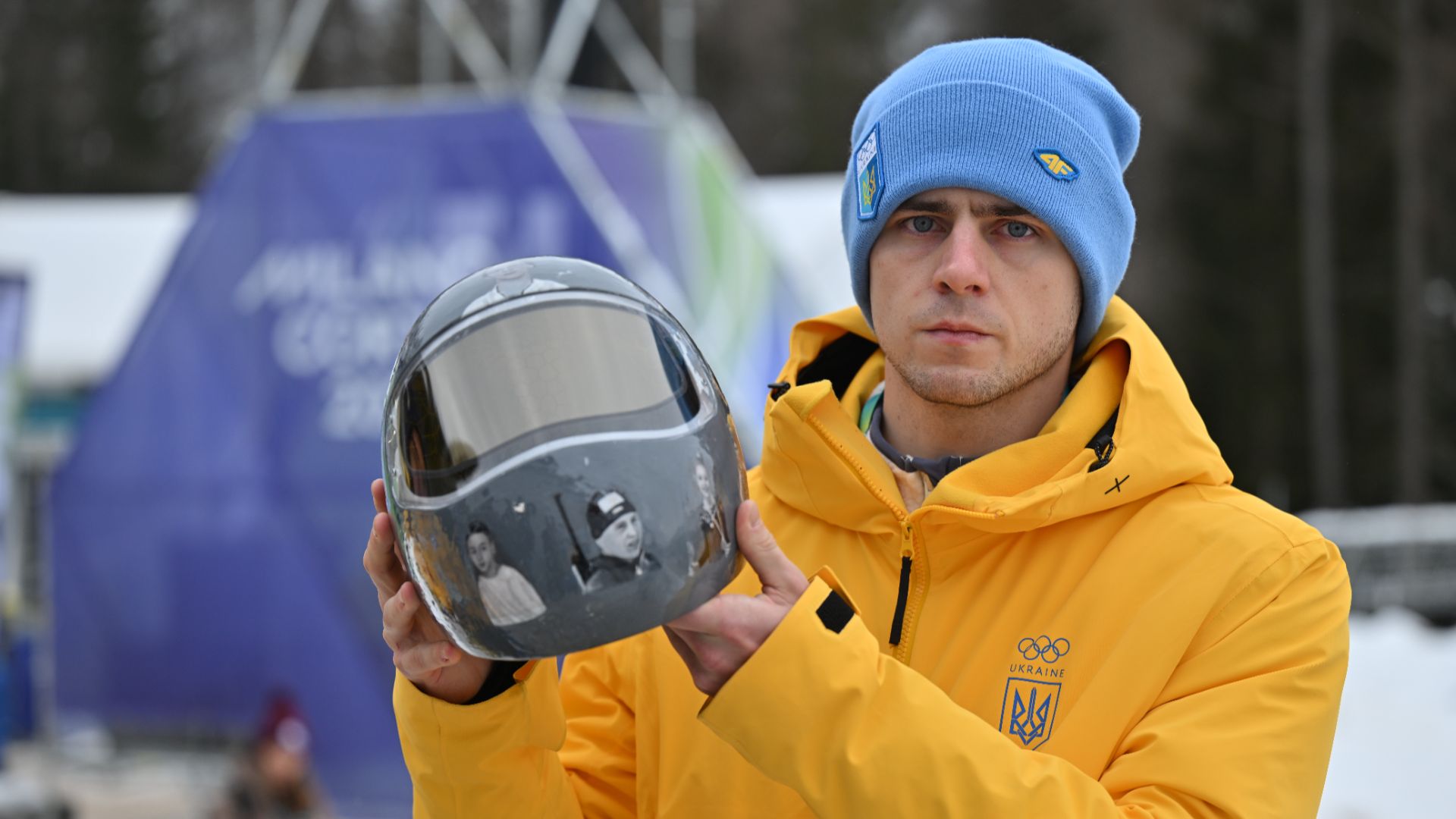
Moments before the start of the race, Heraskevych held discussions trackside with International Olympic Committee President Kirsty Coventry. The meeting ended without compromise. Coventry later told reporters, «I felt that it was really important to come and talk to him face to face,» underscoring the gravity of the situation during her first Olympics as IOC president. According to reporting, both Coventry and Heraskevych's father were visibly emotional following the failed talks. The IOC confirmed that the athlete would be disqualified from the event but allowed to remain at the Games in a non-competing capacity.
«His helmet, bearing the portraits of fallen Ukrainian athletes, is about honor and remembrance. It is a reminder to the whole world of what Russian aggression is and the cost of fighting for independence.»
-Ukrainian President, Volodymyr Zelensky
Heraskevych defended his actions and rejected the notion that his helmet was political advocacy. «There are things more important than medals,» he said after the ruling. «I stood up for what I believe in.» He maintained that he had not broken Olympic rules and described the helmet as a tribute rather than a political statement. During practice runs earlier in the week, he wore what he called his “remembrance helmet,” anticipating a possible clash with officials if he attempted to use it during official competition. The confrontation had been building for days as Olympic authorities weighed enforcement of expression guidelines.
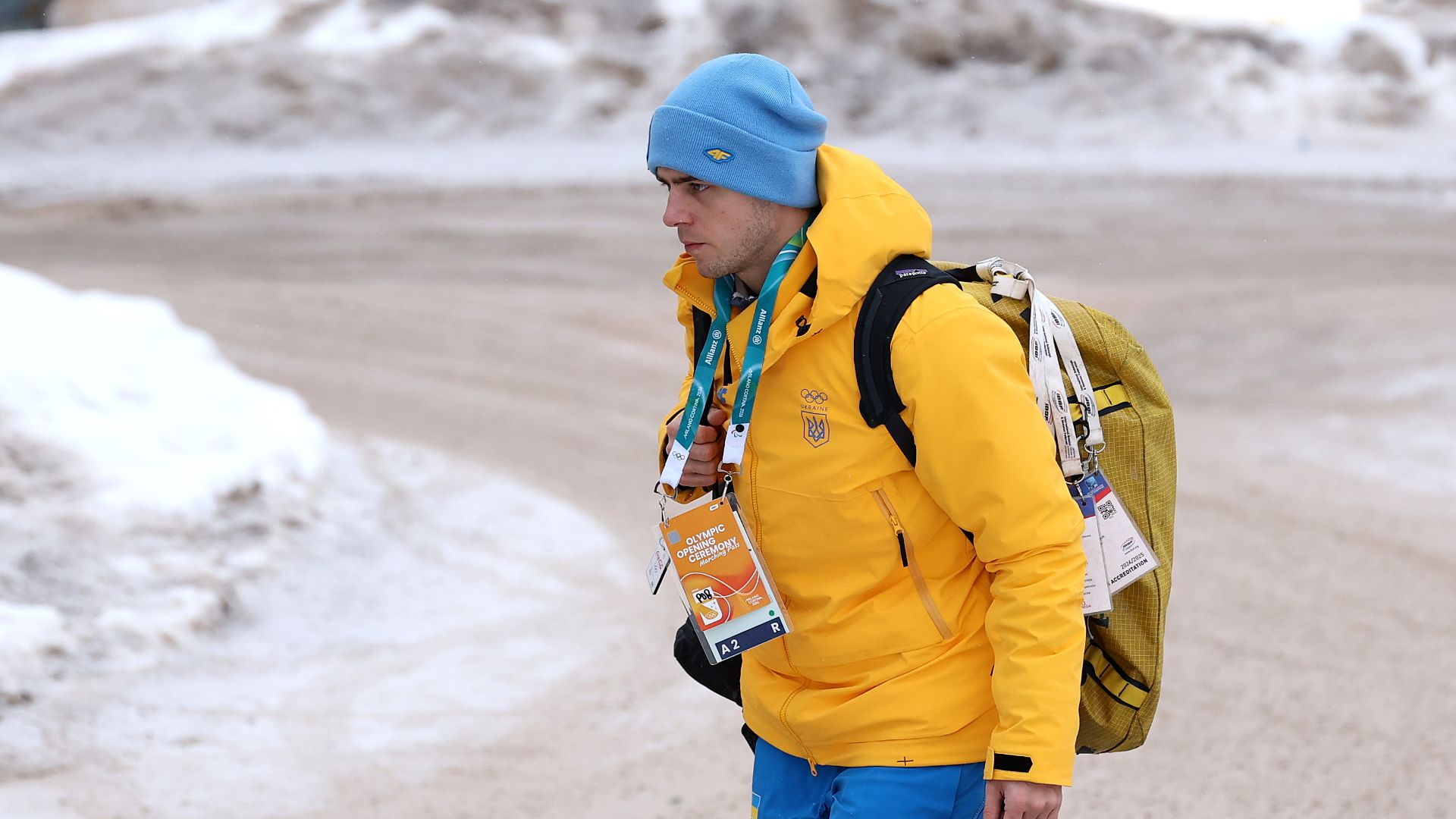
The IOC insisted it had no alternative under its regulations. Chief spokesman Mark Adams said the organization acted to protect «the sanctity of the field of play.» He explained that while athletes may express views on social media or in media zones, visible political messaging during competition is prohibited. «If everyone wanted to express themselves in that way beyond a black armband, it would create a field of play which becomes a field of expression,» Adams said, warning that relaxing enforcement could lead to «chaos.» The IOC said it had offered Heraskevych alternatives, including allowing a black armband tribute and permission to display the helmet in post-race media areas, but the athlete declined.
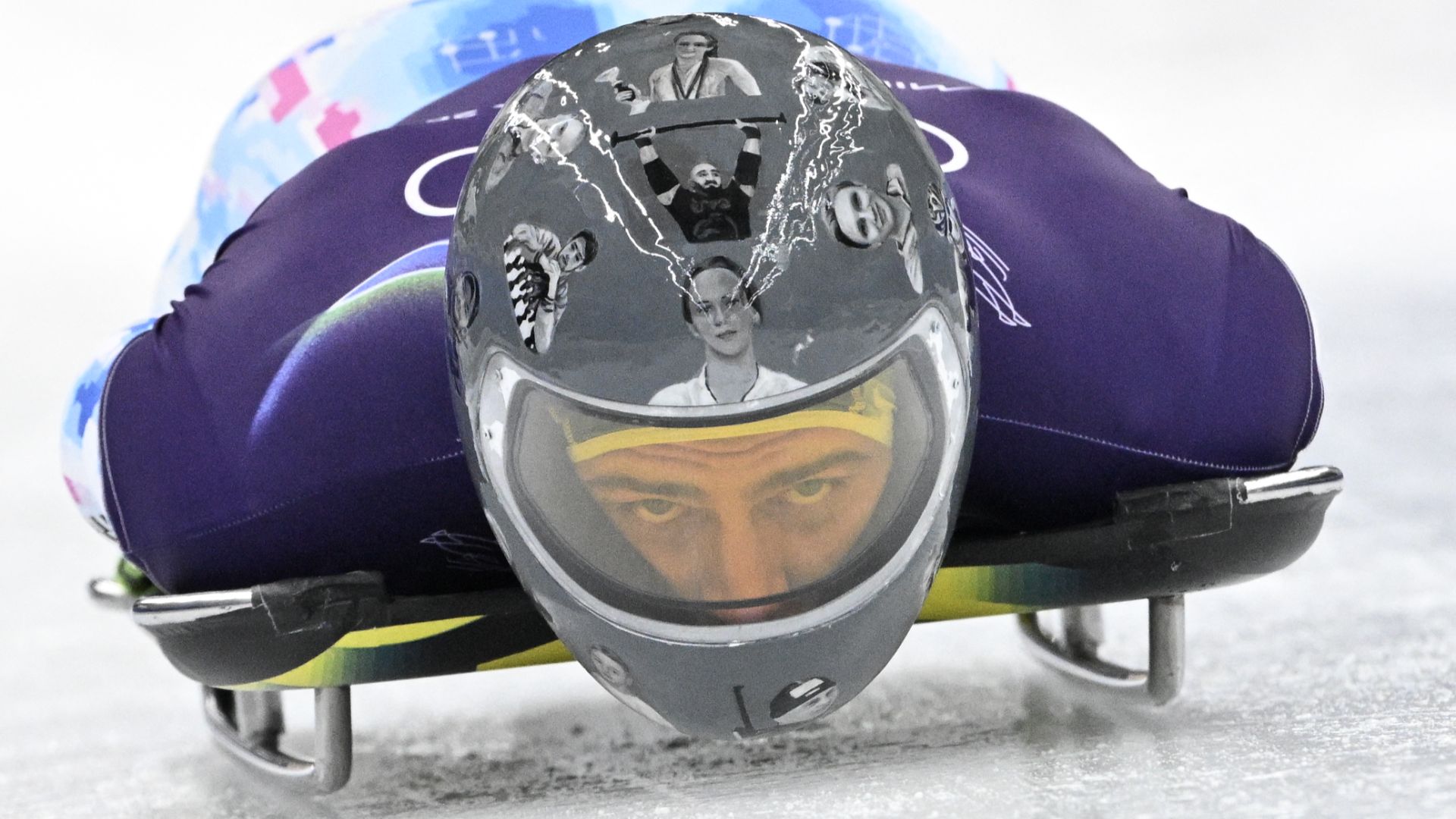
The decision reverberated beyond Italy. Ukrainian President Volodymyr Zelensky publicly praised Heraskevych and criticized Olympic authorities. In a social media post, Zelensky wrote: «His helmet, bearing the portraits of fallen Ukrainian athletes, is about honor and remembrance.» He added: «It is a reminder to the whole world of what Russian aggression is and the cost of fighting for independence.» Zelensky also accused officials of playing «into the hands of aggressors.» The controversy unfolded as the IOC continues to navigate Russia's partial exclusion from Olympic competition following its 2022 suspension after absorbing sporting bodies from occupied Ukrainian territories.
«There are things more important than medals.»
-Ukrainian skeleton racer, Vladyslav Heraskevych
The episode also drew support from fellow athletes and coaches. Latvian skeleton coach Ivo Steinbergs said of the disqualification: «He was going for this for 12 years, and they just stole it from him.» Danish coach Tom Johansen questioned expectations that Ukrainian athletes should «just act like a robot,» while fans in Cortina voiced frustration.
One local spectator said: «It's not political. It's a tribute to his friends.» The incident has reignited debate over where the IOC draws the line between memorial tribute and political expression, placing the organization's neutrality doctrine under renewed scrutiny amid an ongoing war that continues to shape global sport.
Created by humans, assisted by AI.
