After El Mencho’s death: immediate consequences, the government’s response, and scenarios for security in Mexico


/https%3A%2F%2Fcdn-tor.buminteractif.com%2Fhttps%3A%2F%2Fcdn-tor.buminteractif.com%2Fhttps%3A%2F%2Fcdn-tor.buminteractif.com%2F2026%2F02%2F23192048%2Fmexico-el-mancho-getty-3453453gdg3423424.jpg)
The elimination of Nemesio Rubén Oseguera Cervantes, known as “El Mencho,” the leader of the Jalisco Nueva Generación cartel, triggered a series of events that reveal both the operational power of criminal organizations and the fragility of the territories they control. In the days following the military operation, roadblocks, vehicle fires, and coordinated attacks disrupted daily life in several states. These scenes provoked strong emotions among residents and highlighted public safety issues that go far beyond a simple one-off operation.
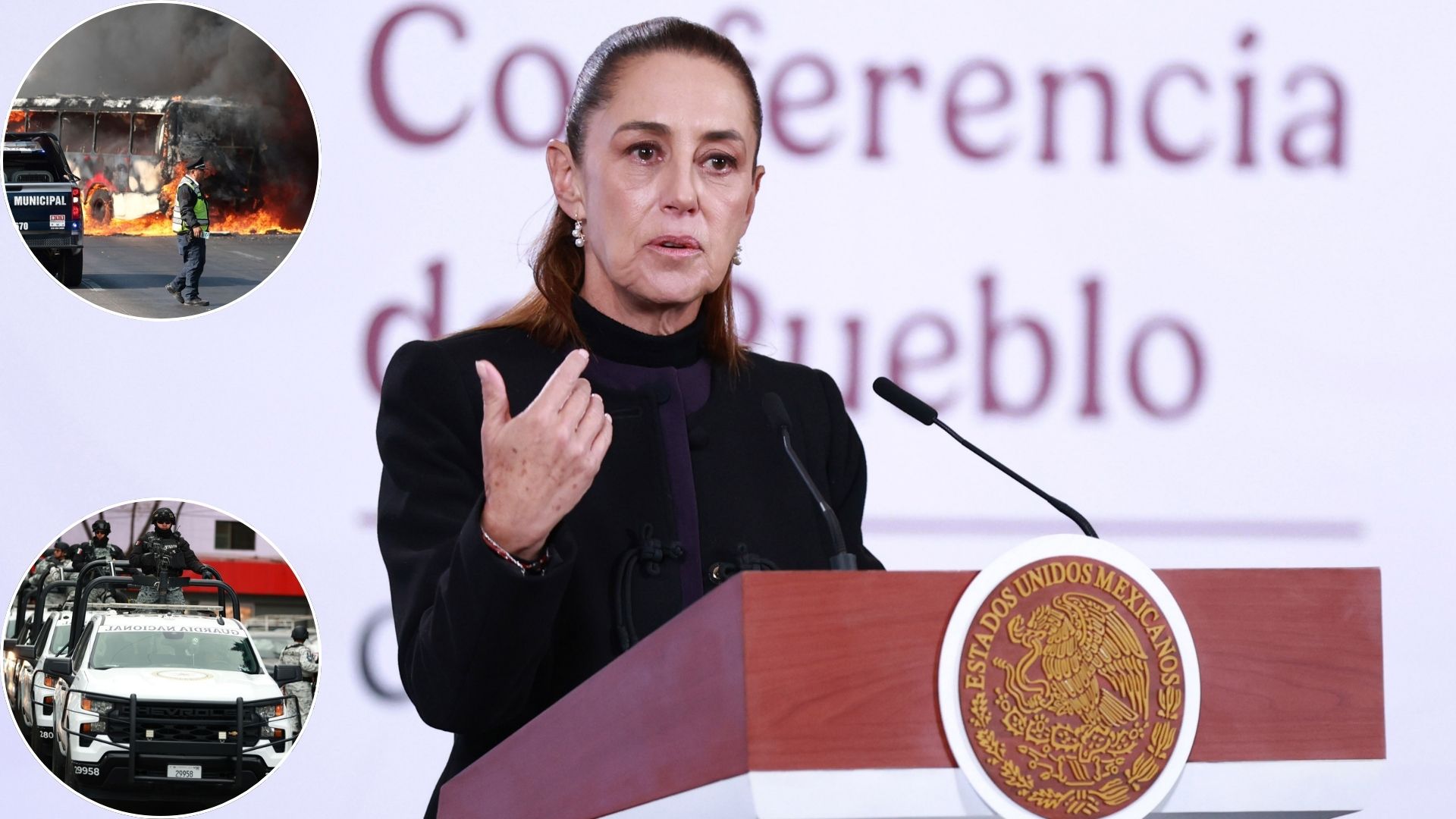
What happened: The operation carried out in thestate of Jalisco led to the death of El Mencho in a shootout in Tapalpa. According to authorities, the cartel's response was swift and coordinated, paralyzing highways and striking infrastructure to create a climate of fear and disorder. Federal forces had to intervene on a large scale to remove roadblocks and secure urban and suburban areas. Federal forces had to intervene on a large scale to remove roadblocks and secure urban and suburban areas. Federal forces had to intervene on a large scale to remove roadblocks and secure urban and suburban areas. Federal forces had to intervene on a large scale to remove roadblocks and secure urban and suburban areas. Federal forces had to intervene on a large scale to remove roadblocks and secure urban and suburban areas. Federal forces had to intervene on a large scale to remove roadblocks and secure urban and suburban areas. Federal forces had to intervene on a large scale to remove roadblocks and secure urban and suburban areas. Federal forces had to intervene on-2262674753-1.jpg” alt=”Blocked highways and disruptions in several states” />
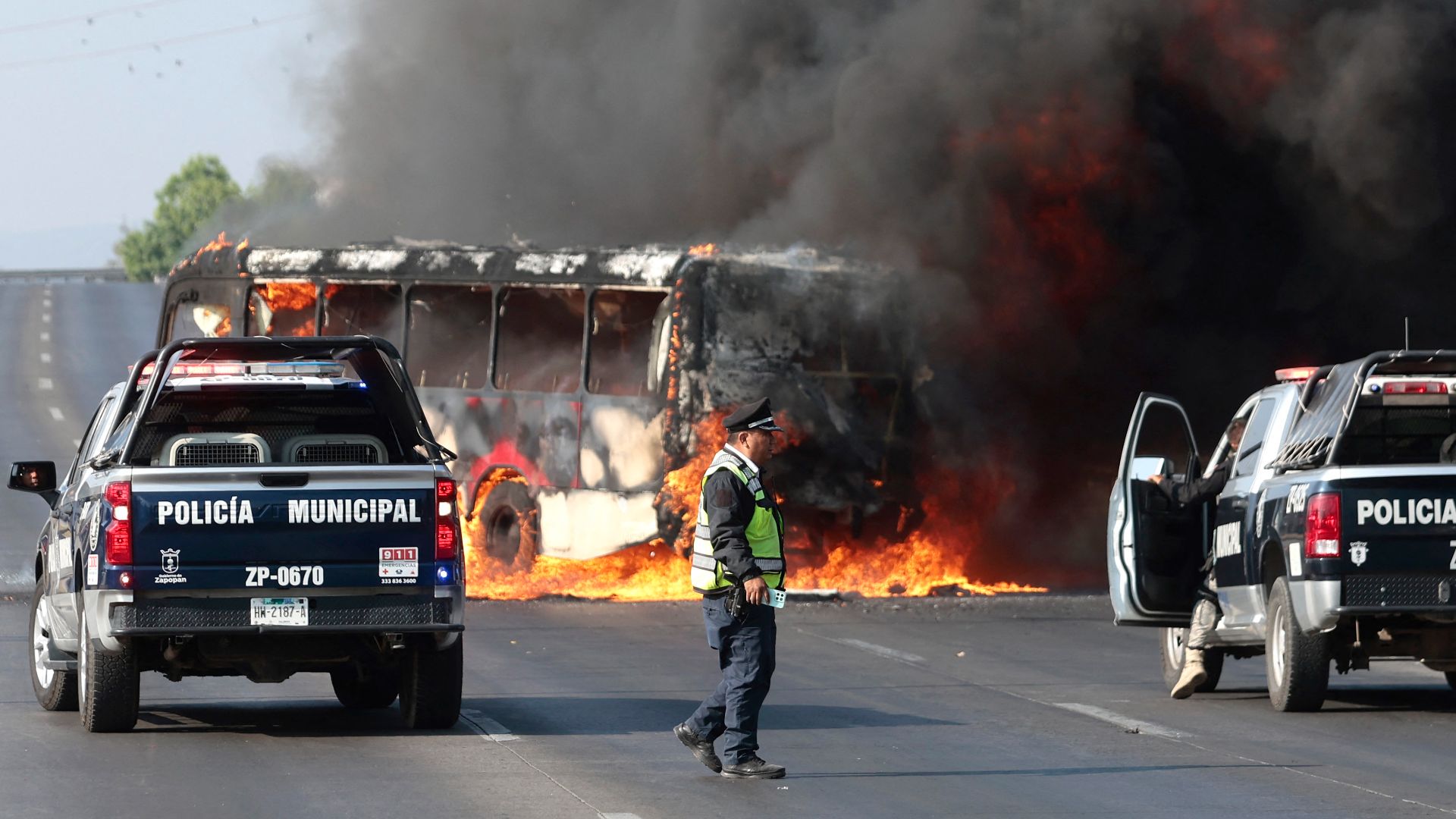
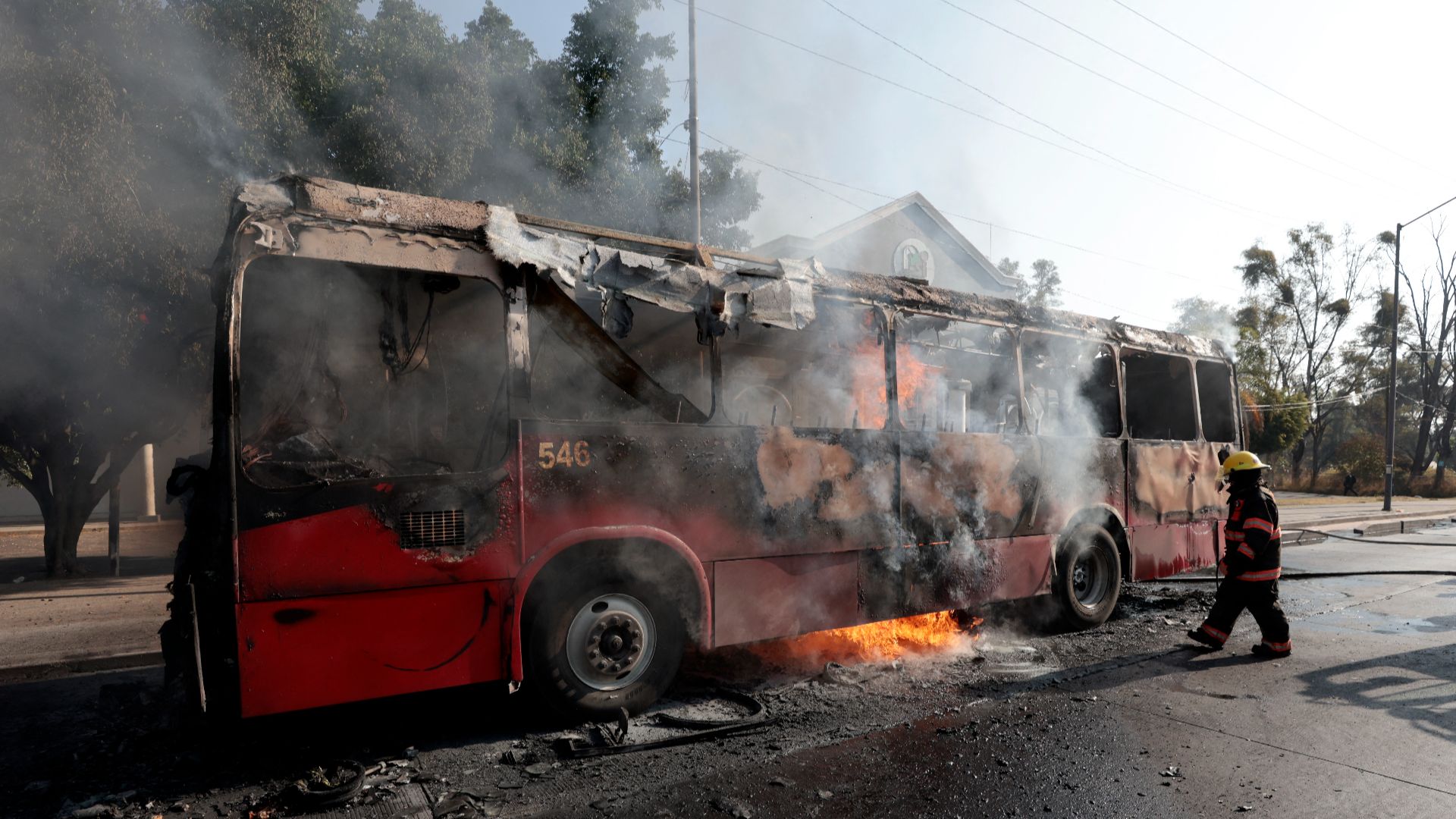
The immediate consequences were tangible: schools closed, public transportation disrupted, airports disrupted, and businesses forced to close early. Many residents and travelers found themselves stranded or sought refuge in hotels and residences. Foreign authorities issued warnings, urging their citizens to stay indoors and avoid the affected areas. Why was the reaction so massive? Large cartels are not just criminal groups; they are organizations with logistics and a chain of command. The response to the loss of a leader can serve several purposes: to demonstrate a capacity for harm in order to maintain fear as a tool of control, to test the reactions of the security forces, and to reorganize distribution and protection networks. The speed and scale of the attacks show that the cartel's operational structure was not based on a single figure.
Short-term impacts:
- Increased local insecurity: sporadic clashes and reprisals may continue.
- Potential fragmentation of the cartel: internal rivalries likely to fuel waves of violence.
- Deterrent effect on the local economy: decline in tourism, closure of businesses, and disruption of supply chains.
Images of burned highways and blocked convoys serve as a reminder that the impact can also be measured in terms of mobility and access to services. For residents, these events lead to a loss of confidence in the ability of institutions to effectively protect their territories in the short term.
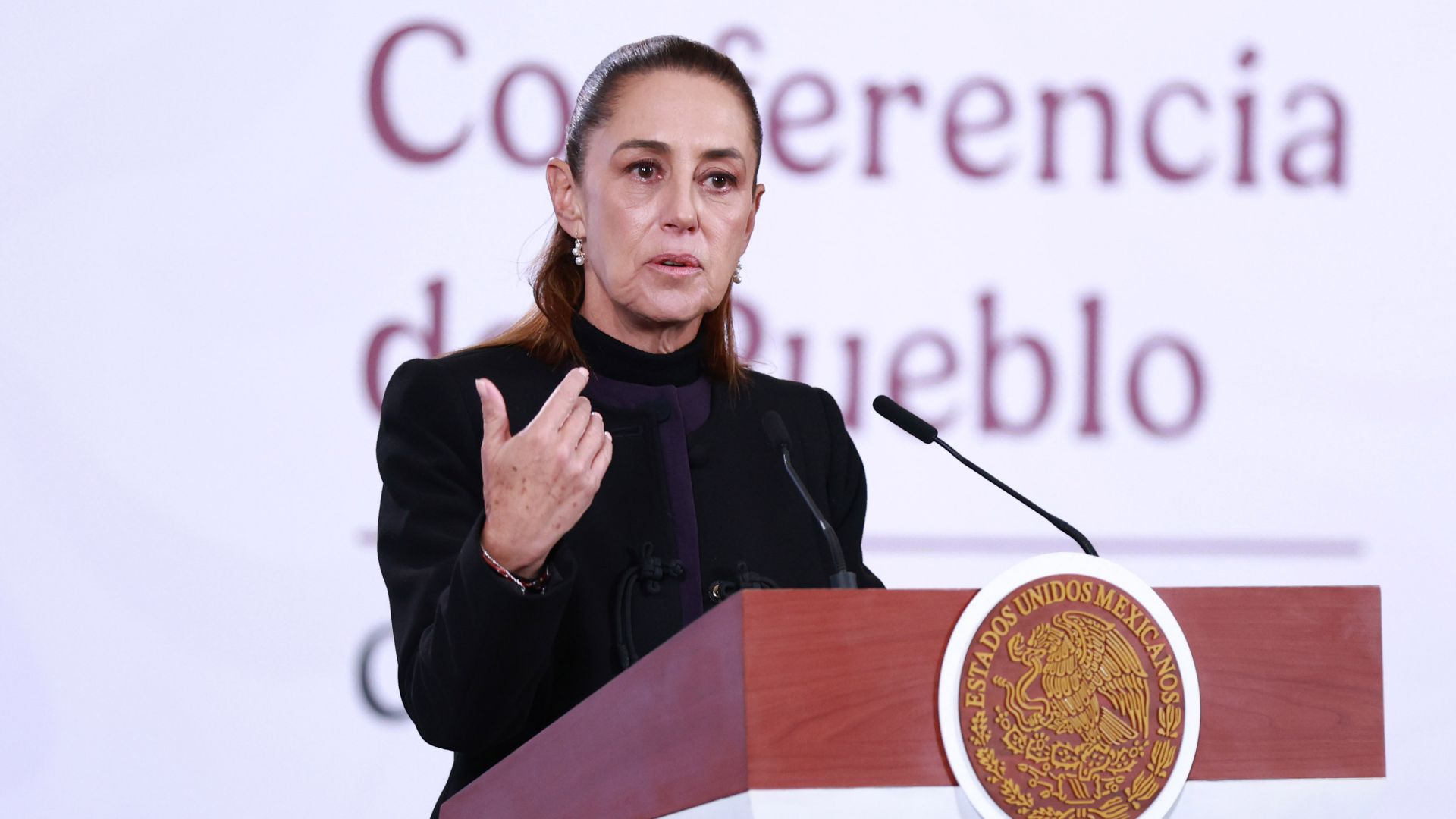
The government's response: Mayor Claudia Sheinbaum sought to reassure the population, stating that order had been restored and that federal forces were working to remove roadblocks and secure the affected areas. The deployment of the National Guard and the army has gradually allowed control to be regained over certain routes, but the security situation reveals a deeper challenge: restoring lasting rule of law requires coordinated, long-term action, beyond one-off interventions.
Medium-term scenarios:
- Consolidation under new leadership: if a strong figure emerges, they could restore internal order, but at the risk of initial violence to establish their authority.
- Fragmentation and factional wars: fragmentation of the cartel leading to internal conflicts and a proliferation of violent actors.
- Gradual reduction in operational capacity: if the state combines security pressure, judicial action, and targeted social policies, the resilience of the networks could be undermined.
For citizens and visitors, the immediate recommendation is to follow the instructions of local authorities, avoid non-essential travel to affected areas, and stay informed through official and reliable sources. In the longer term, the key lies in a mixed strategy: security, strengthening of judicial institutions, and social investments to reduce communities' dependence on criminal networks. In summary, El Mencho's death is a major event but not, in itself, a magic solution to the problem of organized crime in Mexico. It exposes the weaknesses and strengths of criminal structures and raises questions about the state's ability to transform a tactical victory into lasting strategic gains. The period ahead will require vigilance, coordinated action, and patience: stabilization is possible, but it will require sustained and multidimensional measures.
