

/https%3A%2F%2Fcdn-tor.buminteractif.com%2F2026%2F02%2F27180257%2Fpakistan-afghanistan-getttyy-546456h435345.jpg)
Pakistan escalated its confrontation with Afghanistan overnight, launching airstrikes that officials said hit areas in and around Kabul, Kandahar, and the eastern border province of Paktia, before senior leaders declared the two neighbors had entered what they called an “open war.” Pakistan's government presented the strikes as a retaliatory response to cross-border attacks and a broader campaign against militancy, while Afghan officials described them as an attack on their territory that endangered civilians and demanded an immediate end to what they called aggression. The strikes marked a major intensification in a conflict that had largely been fought through intermittent border fire and limited operations, bringing warfare closer to Afghanistan's major population centers and raising fears of a wider and more sustained fight along the Durand Line.
«Our patience has now run out. Now it is open war between us.»
-Pakistan's Defense Minister, Khawaja Mohammad Asif
The immediate trigger, according to both governments' public accounts, was a rapid tit-for-tat sequence in the last week. Afghanistan said it launched a cross-border attack late Thursday in retaliation for Pakistani airstrikes on Afghan border areas on Sunday. Pakistan's position is that it has been responding to militant violence originating from Afghan territory and that the Taliban have failed to curb groups Islamabad says are attacking Pakistan. After Thursday night's Afghan strikes, Pakistan responded early Friday with airstrikes deeper inside Afghanistan, while Islamabad's defense leadership publicly concluded that the crisis had crossed a threshold. Pakistan's Defense Minister Khawaja Mohammad Asif wrote: «Our patience has now run out. Now it is open war between us.»
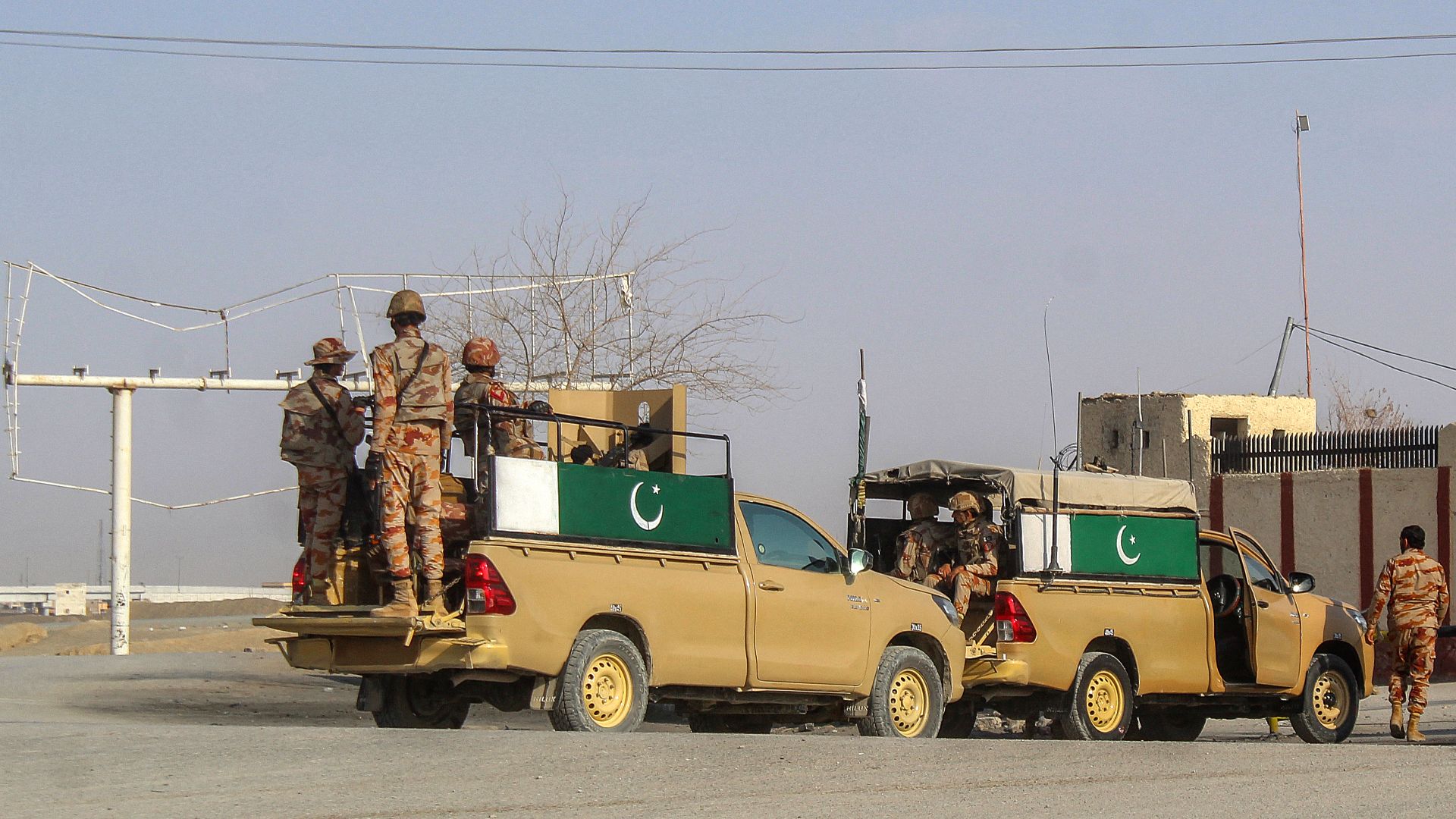
Pakistani officials framed the conflict as a fight against militancy and what they describe as Kabul's complicity, while Afghan authorities cast their actions as a response to repeated violations of sovereignty. In televised comments from Kandahar, Afghan government spokesman Zabiullah Mujahid said: «We have targeted important military targets in Pakistan, sending a message that our hands can reach their throats and that we will respond to every evil act of Pakistan.»
He added: «Pakistan has never sought to resolve problems through dialogue.» Pakistan, for its part, has repeatedly accused the Taliban-led government of harboring armed groups that carry out attacks inside Pakistan, including the Pakistani Taliban, and has also claimed Afghanistan's leadership has grown closer to India in ways Islamabad considers destabilizing.
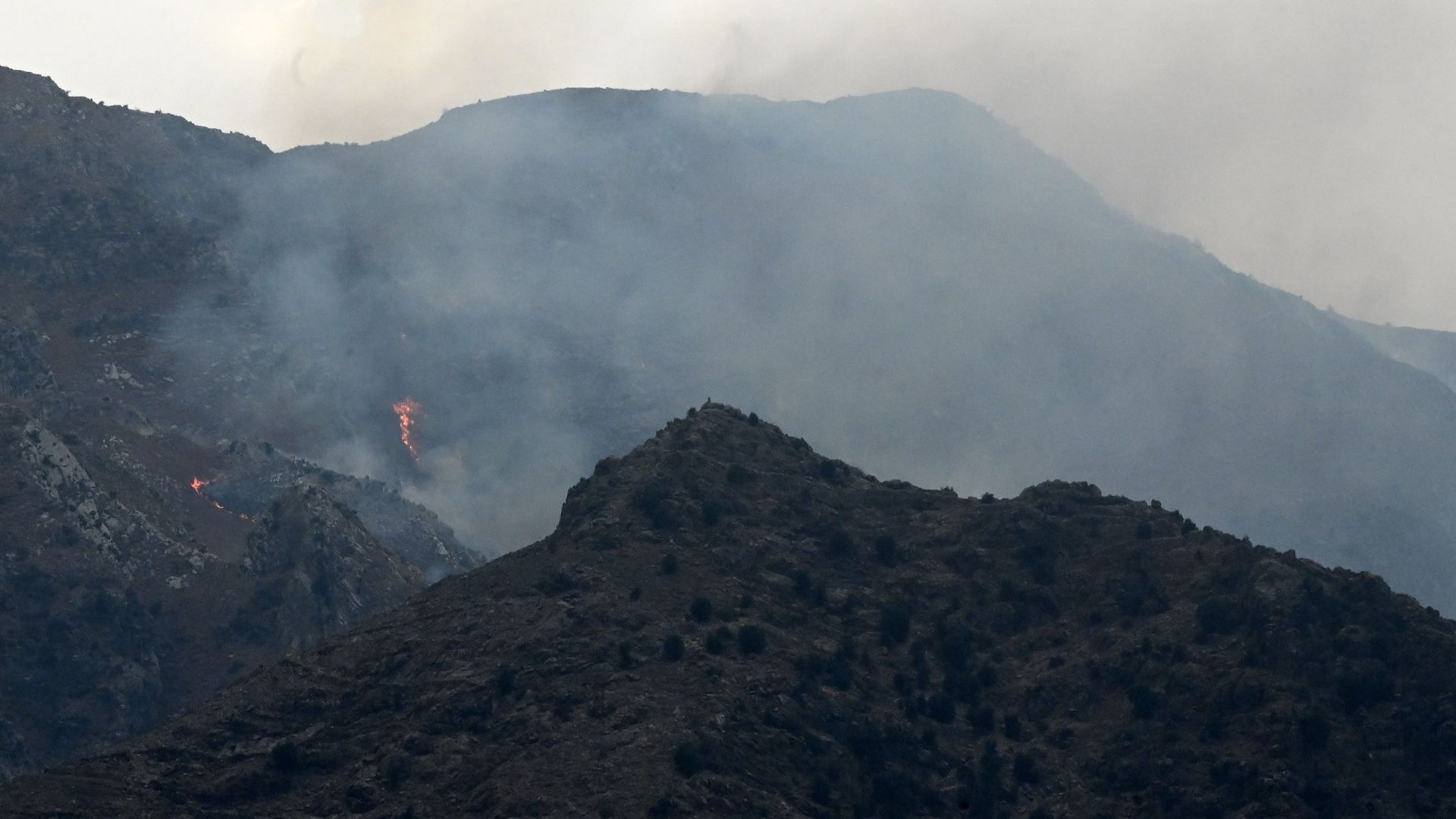
The current escalation follows months of mounting tension and failed diplomacy. Border clashes in October killed soldiers, civilians, and suspected militants, prompting emergency mediation efforts and a ceasefire that reduced but did not end hostilities. Subsequent talks, including negotiations hosted outside the region, did not produce a lasting agreement on border security, militant sanctuaries, or rules of engagement.
Pakistan argues it has been warning for months that continued cross-border attacks would bring a harsher response, while Afghan officials insist Pakistan has used the militancy issue to justify strikes that hit Afghan territory and, at times, civilian areas. As fighting resumed, reports from both sides described continued exchanges of fire in border zones, including areas near crossings and refugee communities.
«We have targeted important military targets in Pakistan, sending a message that our hands can reach their throats and that we will respond to every evil act of Pakistan.»
-Afghan government spokesman, Zabiullah Mujahid
Both governments issued sharply conflicting claims about casualties and battlefield results. Pakistan's army spokesman, Lt. Gen. Ahmed Sharif Chaudhry, said Pakistani air and ground operations killed at least 274 members of Afghan forces and affiliated militants and wounded more than 400, while 12 Pakistani soldiers were killed and 27 wounded, with one missing.
Mujahid rejected Pakistan's claims as false and said 55 Pakistani soldiers were killed, that bodies were taken into Afghanistan, and that «many» Pakistani soldiers were captured, while he reported 13 Afghan soldiers killed, 22 wounded, and 13 civilians wounded. Independent verification of these numbers has not been possible, and the competing figures have intensified the propaganda battle as much as the military one, with each side portraying the other as the aggressor.
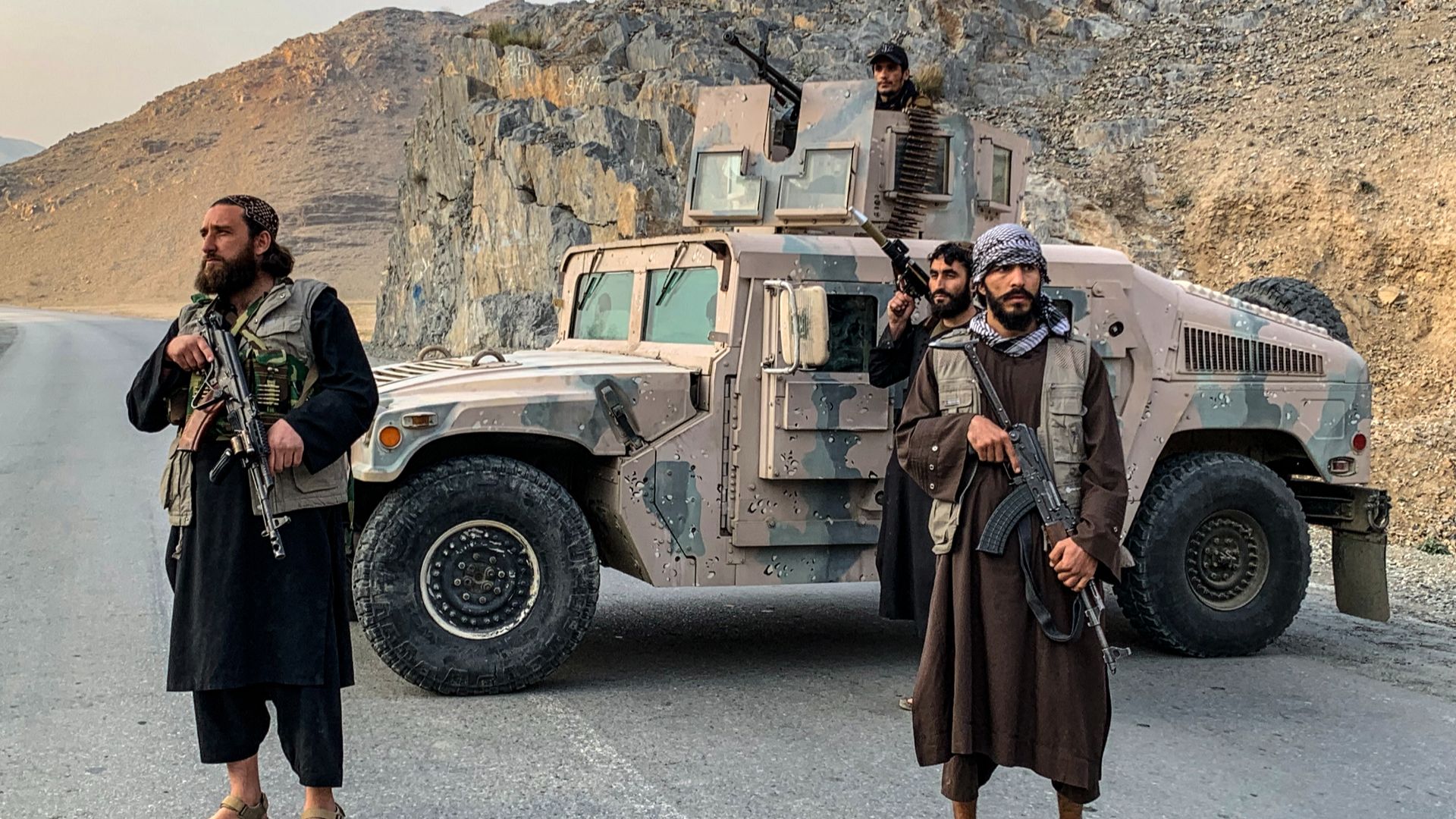
Pakistan's government also pointed to new security incidents inside its own territory as evidence the conflict is widening beyond the border. Pakistan's Information Minister Attaullah Tarar said there were drone attacks in Abbottabad, Swabi, and Nowshera and that there was «no damage to life.» Islamabad blamed militant networks it says operate from Afghan soil and used the episode to reinforce its claim that Pakistan's internal security is being threatened from across the border. Pakistan's Foreign Ministry issued a warning that signaled further escalation remains on the table, stating: «Any further provocations by the Taliban regime, or attempts by any terrorist group to undermine the security and welfare of the people of Pakistan, will be met with a measured, decisive and befitting response.»
Created by humans, assisted by AI.
