/https%3A%2F%2Fcdn-tor.buminteractif.com%2F2026%2F03%2F03232550%2FGettyImages-2225706227-1-1.jpg)
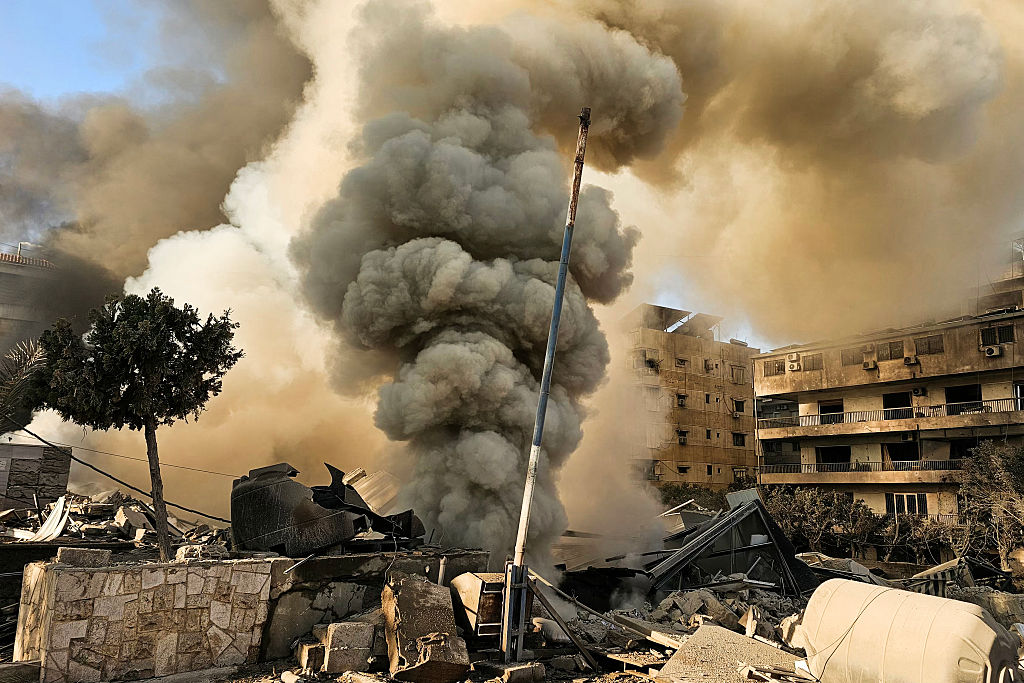
Summary — On March 1, 2026, three U.S. fighter jets crashed in Kuwait under circumstances that appear to involve friendly fire from Kuwaiti defenses, while the region was engulfed in intense aerial exchanges involving aircraft, missiles, and drones. The six airmen were able to eject and are being treated for non-life-threatening injuries. This article provides an accessible and structured overview of the known facts, the operational context, and the possible implications for regional security.
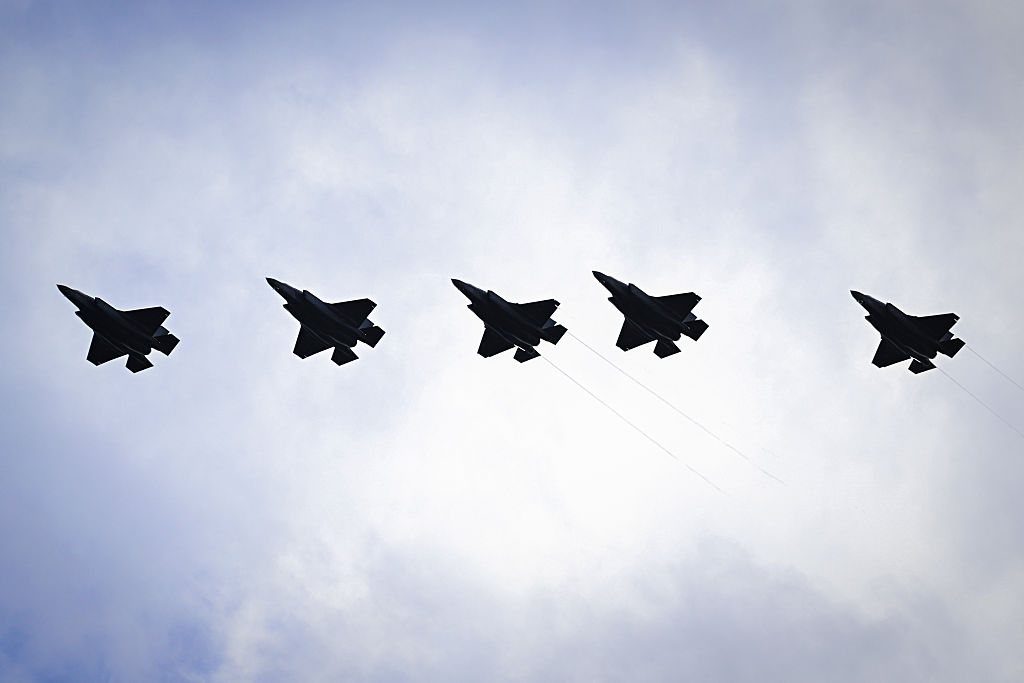
What we know about the facts — According to the US Central Command statement, three fighter jets were shot down over Kuwaiti territory on March 1. The pilots and navigators (six people in total) ejected and survived, suffering non-life-threatening injuries. The US government says these losses occurred in active combat involving Iranian aircraft, air defense systems, missiles, and drones.
Kuwaiti Colonel Said Al-Atwan said that Kuwait was in direct coordination with US authorities, but images and videos circulating on social media show scenes of the aircraft spiraling down before crashing, fueling speculation of misidentification by ground defenses.
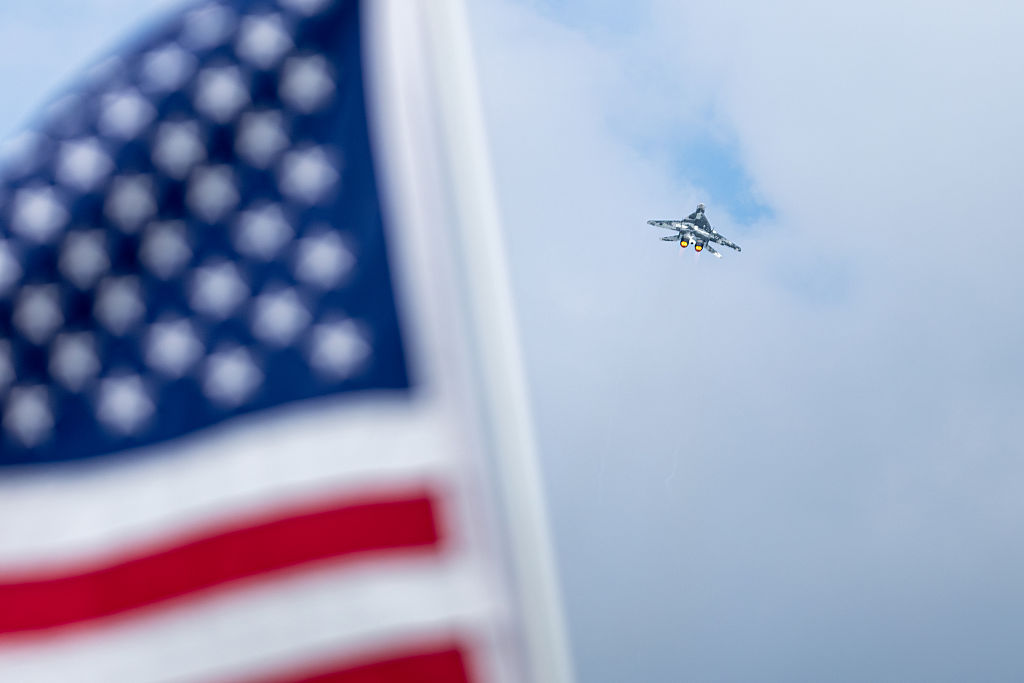
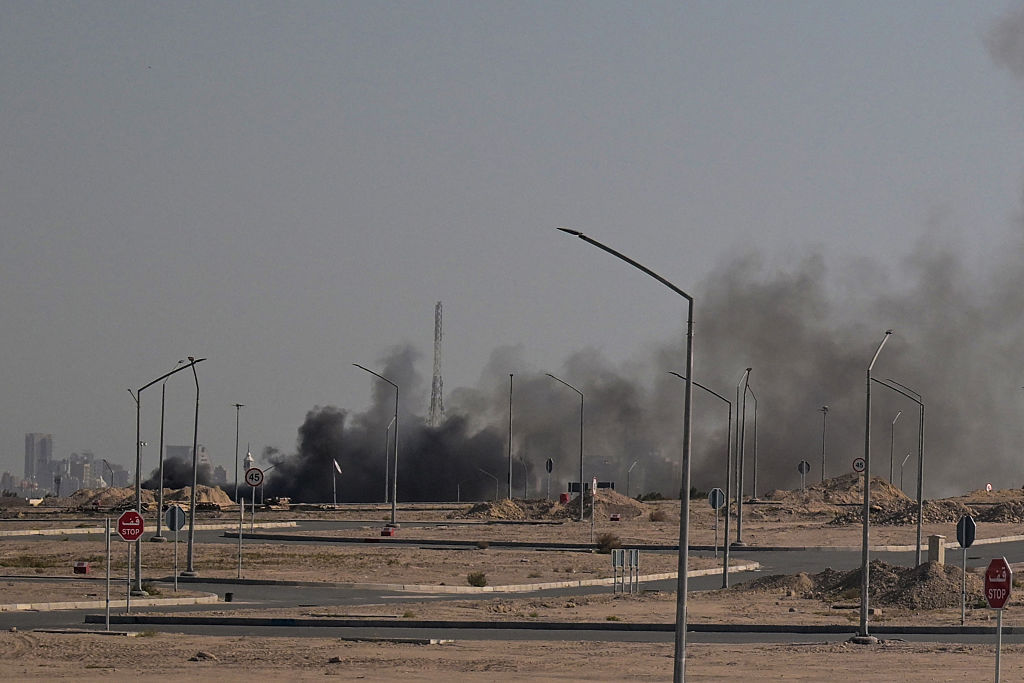
Videos and geolocation — Several videos published have been geolocated by journalists: one less than 10 km from the US Ali Al Salem base, another about 30 km away. These elements are consistent with the presence of significant US military activity in the area and highlight the proximity of Kuwaiti air operations and defenses.
Strategic context — These incidents come amid heightened tensions following US and Israeli strikes in Iran on February 28 and Iranian retaliation targeting US and Israeli bases in several countries in the region. Kuwait, a key hub for energy and logistics transit, has been directly impacted: attacks have targeted infrastructure, including the international airport, which has suffered significant damage.
Why is friendly fire plausible?
- Saturated environment: the simultaneous presence of aircraft, drones, and missiles complicates the rapid identification of friendly aircraft.
- Limitations of IFF (Identification Friend or Foe): in an electronic warfare context, transponders can be jammed, misconfigured, or faulty.
- Automated response of surface-to-air systems: Some defense systems have automatic or semi-automatic modes that, in the event of multiple alerts, can engage targets perceived as enemies.
- Command and communications issues: Loss of communication or delays in information sharing between allies can lead to decisions being made with incomplete information.
Immediate consequences and investigations — A joint US-Kuwaiti investigation is expected to establish the precise timeline and analyze radar recordings, communications, and any onboard videos. The investigations will focus on:
- ADS-B and radar recordings to reconstruct flight paths.
- Communications between Kuwaiti air traffic control and US units.
- The status of IFF systems and engagement procedures at the time of the strikes.
Political and military impacts — If friendly fire is confirmed, this will be a serious incident between allies at a time when solidarity and coordination are crucial. Possible consequences include:
- Strengthening of identification and deconfliction procedures in the Gulf.
- Temporary diplomatic tensions between Washington and local authorities if operational responsibility is emphasized.
- Reassessment of rules of engagement to reduce the risk of collateral incidents in high-intensity areas.
To be continued — Next steps to watch: publication of initial investigation results, joint Kuwaiti-American statements on the findings, and announced operational adjustments to prevent such incidents from recurring. However, the region remains under severe strain: strikes on civilian and military infrastructure and the number of casualties in several Middle Eastern countries show that the crisis is already having painful and lasting effects.
We will update this article when new official information is released. For now, the priority remains medical support and transparency in the investigation to prevent further losses and restore trust between allies active in the area.