/https%3A%2F%2Fcdn-tor.buminteractif.com%2F2026%2F03%2F06232456%2FGettyImages-2263875882-1.jpg)
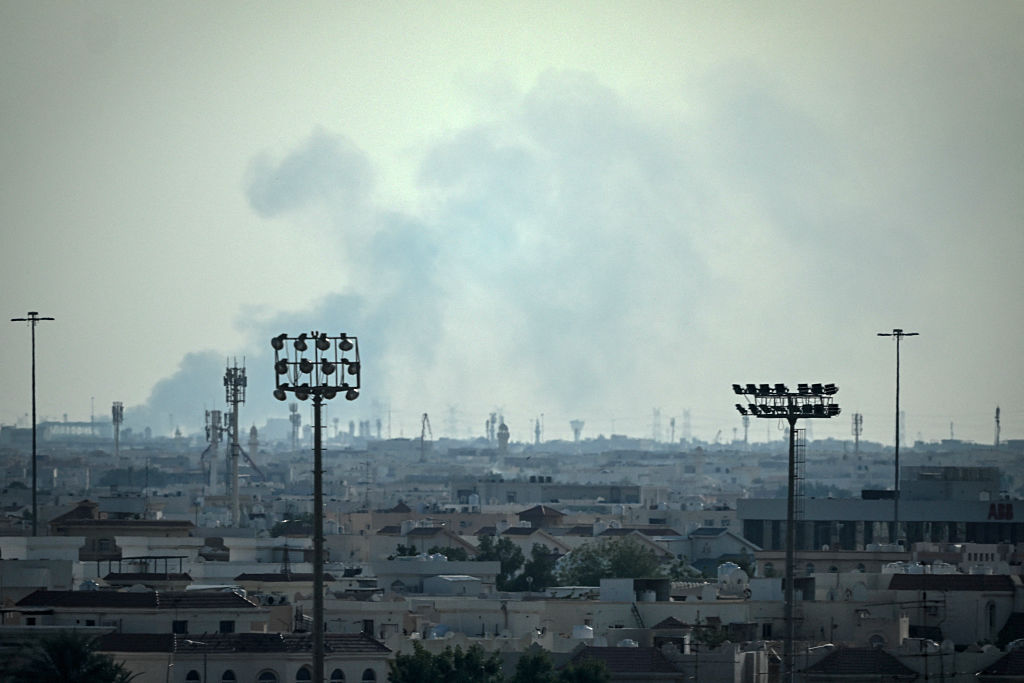
On February 28, 2026, the US government and Israel undertook a joint operation in Iran, with the US subsequently declaring it was at war with the country. The attacks triggered retaliatory strikes from Iran, targeting US and Israeli military bases across the Middle East. According to Donald Trump, there is no timeline for this war, and the US will continue its operations in the country until it sees a significant regime change, as well as an end to Iran's supposed nuclear program. After killing Iran's Supreme Leader Ali Khamenei on Day One of the war, Trump changed his tune, then claiming that he was forced to attack Iran because the country was ‘certainly going' to attack Israel.
Now Lebanon and the rest of the Gulf countries have been sucked into the conflict. Iran has struck US infrastructure in nine different nations, and the Lebanese-based, Iranian-funded group Hezbollah has announced it's ready for open war with Israel. Iran has sent thousands of drones and missiles to nine different Gulf countries, targeting US military installations. Some civilian infrastructure has also been destroyed, specifically airports and runways. Between February 28 and March 2, 2026, Iran attacked nine different countries and 27 different military installations across the Gulf coast.
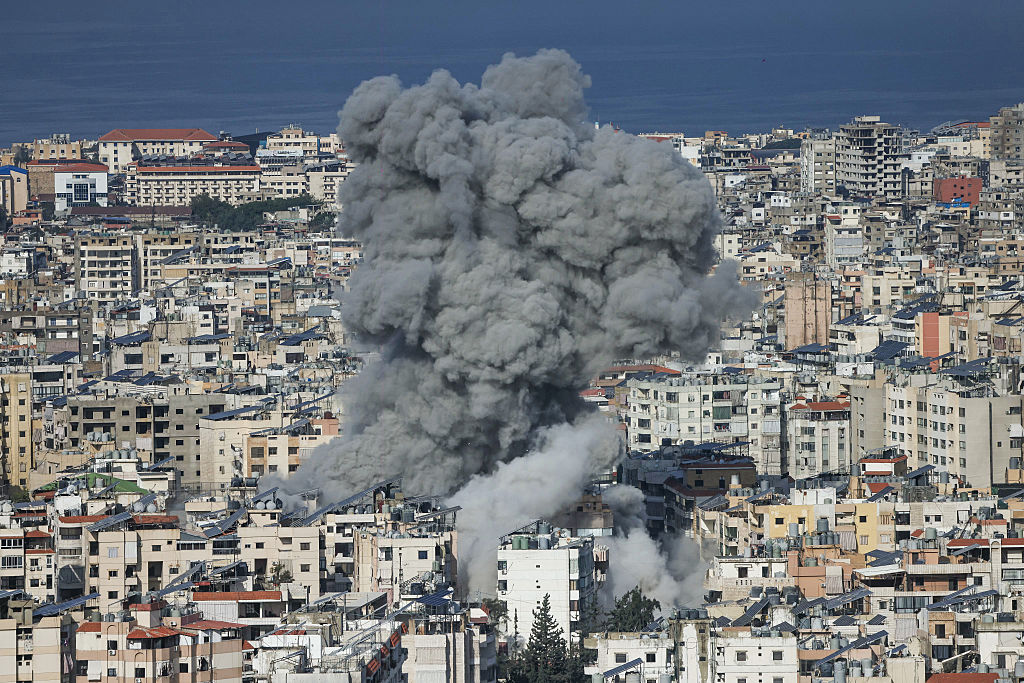
Strikes on March 3
Neither the United States nor Israel have ceased their constant attacks on Iran, and in return, Iran has been conducting nearly continuous attacks on America's allies in the Gulf states. On March 3, Iran escalated the scope of its strikes, targeting US diplomatic missions instead of military infrastructure. In Saudi Arabia, two Iranian drones successfully targeted the United States embassy in Riyadh. The strikes caused structural damage to the embassy, and photos showed smoke billowing from within the embassy's fence. Saudi officials also confirmed that eight Iranian drones were intercepted over Riyadh and Al Kharj. According to Saudi sources, some of the strikes were targeting Prince Sultan Air Base. The United States issued a security alert warning Americans to avoid the US Consulate in Dhahran.
Iranian drones also struck the US Consulate in Dubai, United Arab Emirates. Video showed drone strikes starting a small fire in the compound, but the consulate received limited damage. At Fujairah Port, debris from an intercepted missile fell in the area and ignited a fire. Iran struck Oman on March 3 as well, targeting key maritime infrastructure. Multiple Iranian drones were intercepted by defence forces, but at least one drone struck fuel tanks in Duqm Port. Jordan, Bahrain, and Qatar all reported intercepting Iranian missiles on March 3.
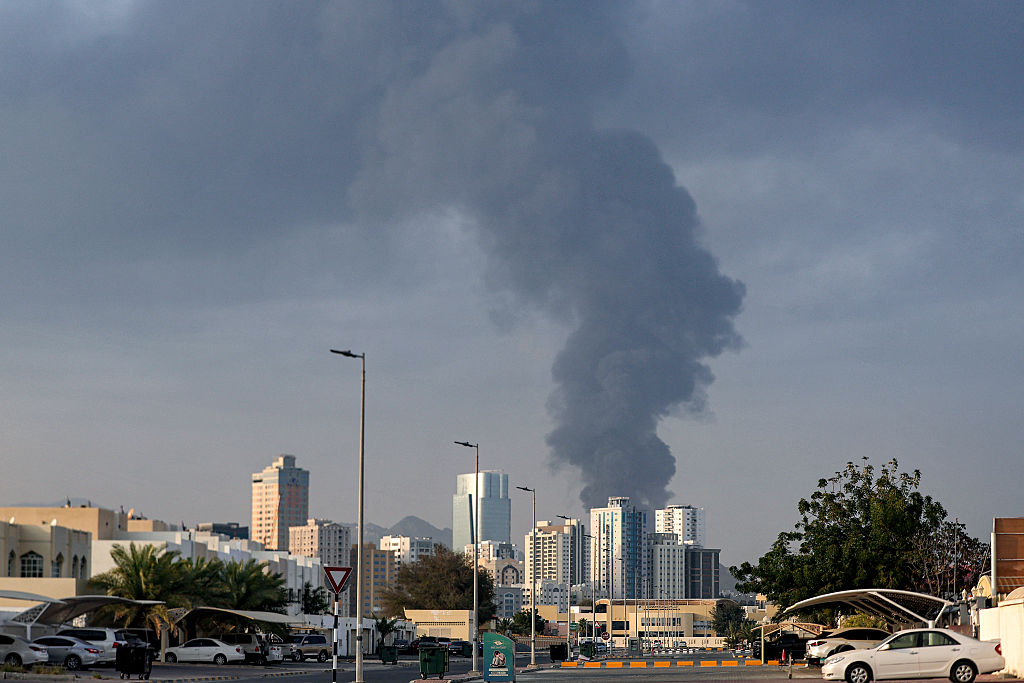
Strikes on March 4
On March 4, Iran continued its campaign in the Gulf after a full night of strikes by Israel and the US, striking the capital, Tehran. Iran targeted Saudi Arabia, Bahrain, Qatar, Kuwait, and the United Arab Emirates on March 4, launching a barrage of missiles and drones. Iran targeted Aramco Oil's refinery in Ras Tanura, Saudi Arabia. Officials reported the drones had successfully reached the facility but had not caused any damage. Saudi officials stated the country's defence systems had intercepted nine drones attempting to enter the country's airspace.
Iran also targeted Al Udeid Air Base near Doha, Qatar, firing two ballistic missiles. One was intercepted by defence forces, but one struck the air base. In a separate statement, Qatar's official confirmed that the country had intercepted six drones and two cruise missiles attempting to enter the airspace. Kuwait also intercepted missiles and drones, but one Iranian kamikaze drone struck a residential area, killing a young girl. The UAE Ministry of Defence reported that Iranian forces launched 129 drones and three ballistic missiles towards Emirati territory. UAE defences intercepted 121 drones and reported that the other eight failed to strike targets.
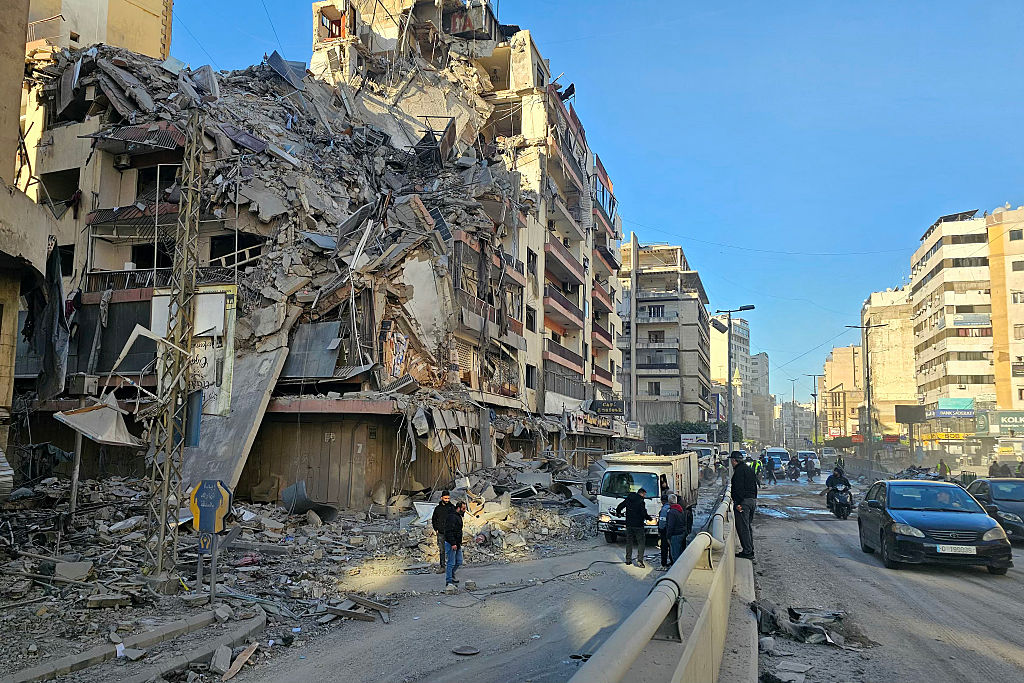
Strikes on March 5
On March 5, Iran continued its missile and drone campaign against Gulf states, launching attacks across Bahrain, Qatar, Saudi Arabia, Kuwait, and the United Arab Emirates. Iran targeted a Bapco oil refinery in Bahrain, sparking a fire at the facility. Bahrain's defence forces intercepted two additional cruise missiles. Qatar announced that it had intercepted 13 missiles – the largest salvo sent by Iran to Qatar so far. Saudi Arabia and the UAE also announced they had intercepted missiles. Saudi air defences downed three drones east of Al Kharj and one drone east of Al Jawf. In the UAE, an attack on Al Dafrah Air Base caused debris to fall in the adjacent ICAD II industrial zone, injuring six foreign workers.
In total, as of March 5, the United Arab Emirates reported that 1,072 drones and 204 missiles had targeted its territory. Bahrain reported approximately 70 missiles and 59 drones targeting the kingdom. Kuwait announced that 178 missiles and 384 drones targeted the country, most of which were intercepted by air defences. Qatar reported that 120 missiles and 53 drones were launched toward the country, with Qatari air defences intercepting the majority of incoming projectiles.