

/https%3A%2F%2Fcdn-tor.buminteractif.com%2F2026%2F03%2F18150858%2Frfk-jr-vaccin-getty3-453dfgd.jpg)
A federal judge appointed by President Joe Biden has temporarily blocked changes to the U.S. childhood vaccination schedule introduced by Health Secretary Robert F. Kennedy Jr., marking a major legal setback for the administration's public health policy. The decision comes amid growing concern among medical organizations over the direction of federal vaccine guidance.
In his ruling, U.S. District Judge Brian Murphy emphasized the importance of established scientific processes, writing: «There is a method to how these decisions historically have been made – a method scientific in nature and codified into law through procedural requirements.» The ruling immediately halted the implementation of the revised schedule.

The changes proposed under Kennedy would have significantly altered the nation's long-established childhood vaccination framework, reducing the number of recommended immunizations and modifying protections against several diseases. The revised schedule included cuts affecting vaccines for influenza, hepatitis and rotavirus, along with changes to the timing of routine immunizations. Critics argued that these decisions departed from decades of scientific consensus and raised concerns among pediatricians and public health officials. The shift also created uncertainty among healthcare providers, who rely on federal recommendations to guide vaccination practices across the country.
«Nevertheless, science is still ‘the best we have.'»
-U.S. District Judge, Brian Murphy
A central issue in the case involved the restructuring of the advisory process used to determine vaccine recommendations. Kennedy had removed members of the Centers for Disease Control and Prevention's Advisory Committee on Immunization Practices and replaced them with new appointees. In his ruling, Judge Murphy criticized that approach, stating: «Unfortunately, the Government has disregarded those methods and thereby undermined the integrity of its actions.»
The judge further warned that the move represented «an abandonment of the technical knowledge and expertise embodied by that committee,» raising serious concerns about the legitimacy of the revised recommendations.
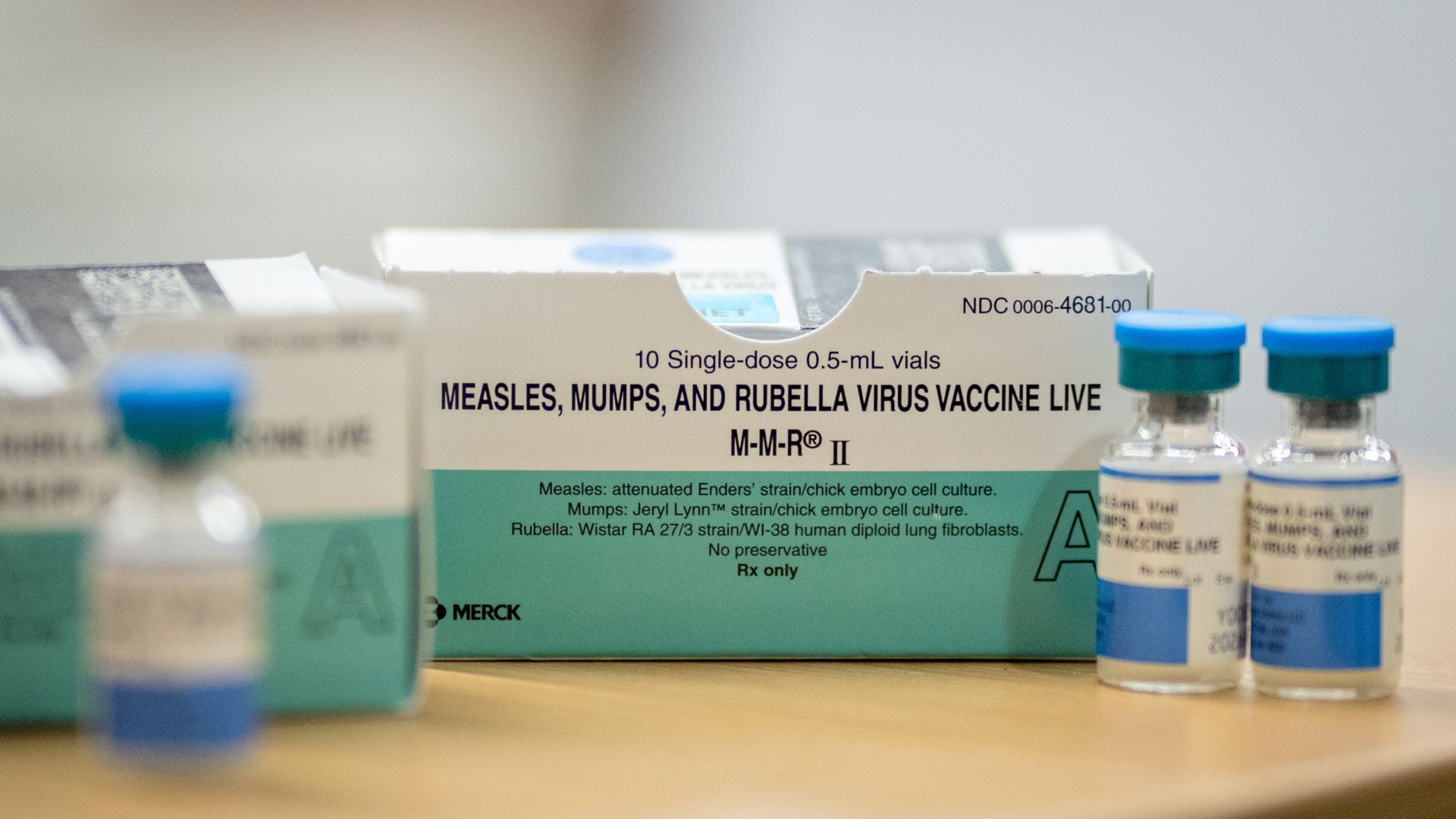
The lawsuit was brought by a coalition of major medical organizations, including the American Academy of Pediatrics, which amended a complaint it had initially filed in July to specifically request that the court block the rollback of the childhood vaccination schedule.
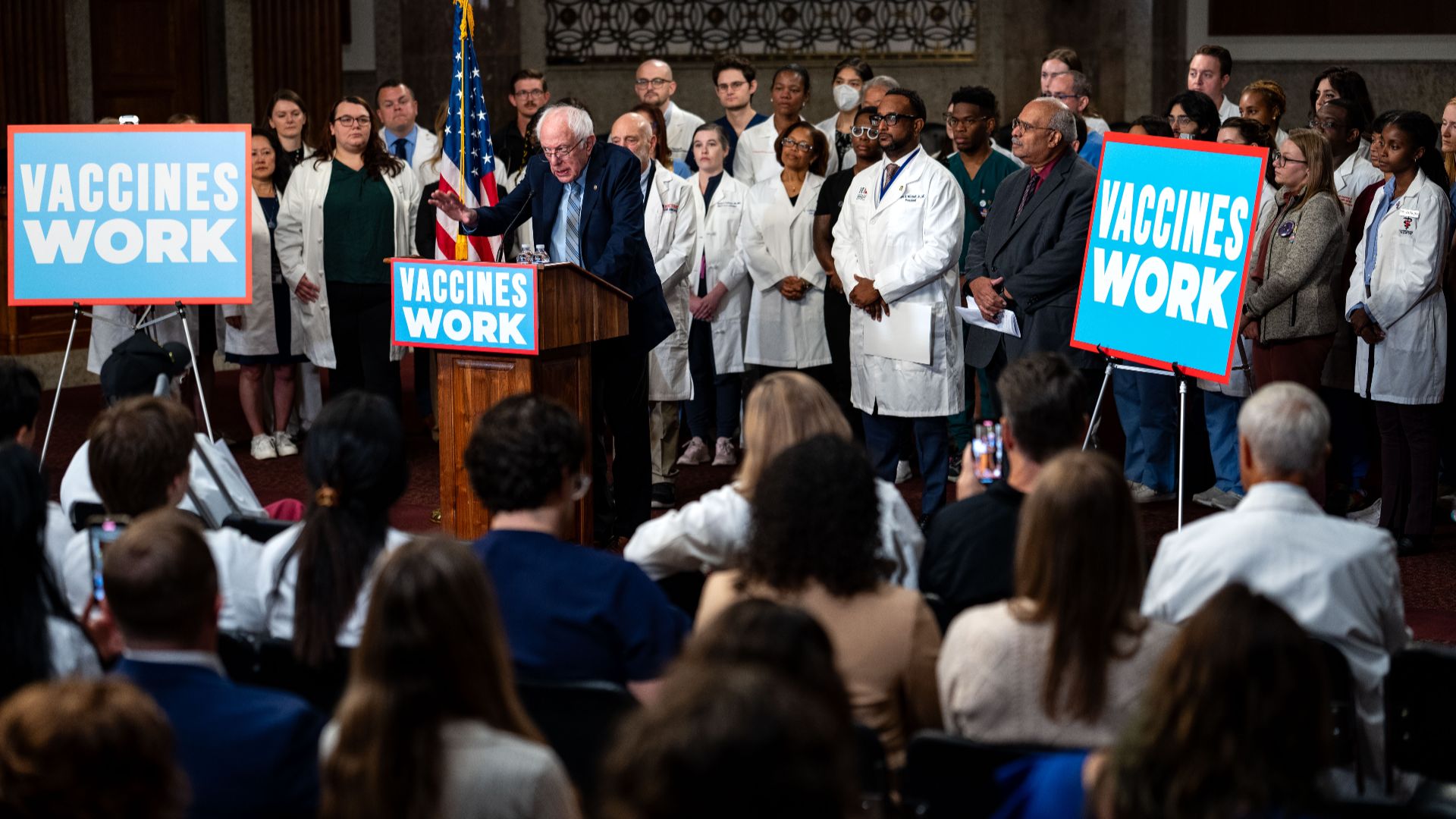
The groups argued that the changes posed a direct threat to public health and undermined decades of research supporting the current schedule. In its arguments, the coalition emphasized that the existing recommendations are grounded in extensive scientific data and clinical evidence, warning that altering them without proper oversight could expose children to preventable diseases.
«There is a method to how these decisions historically have been made – a method scientific in nature and codified into law through procedural requirements.»
-U.S. District Judge, Brian Murphy
Judge Murphy also underscored the central role of science in public health decision-making, writing in his ruling: «Nevertheless, science is still ‘the best we have.'»
He concluded that the administration's actions met the legal standard of being «arbitrary and capricious,» reinforcing the court's decision to block the policy changes. The ruling highlighted the importance of maintaining evidence-based processes when shaping national health guidelines, particularly in areas as critical as childhood vaccinations, where policy decisions can have far-reaching consequences.
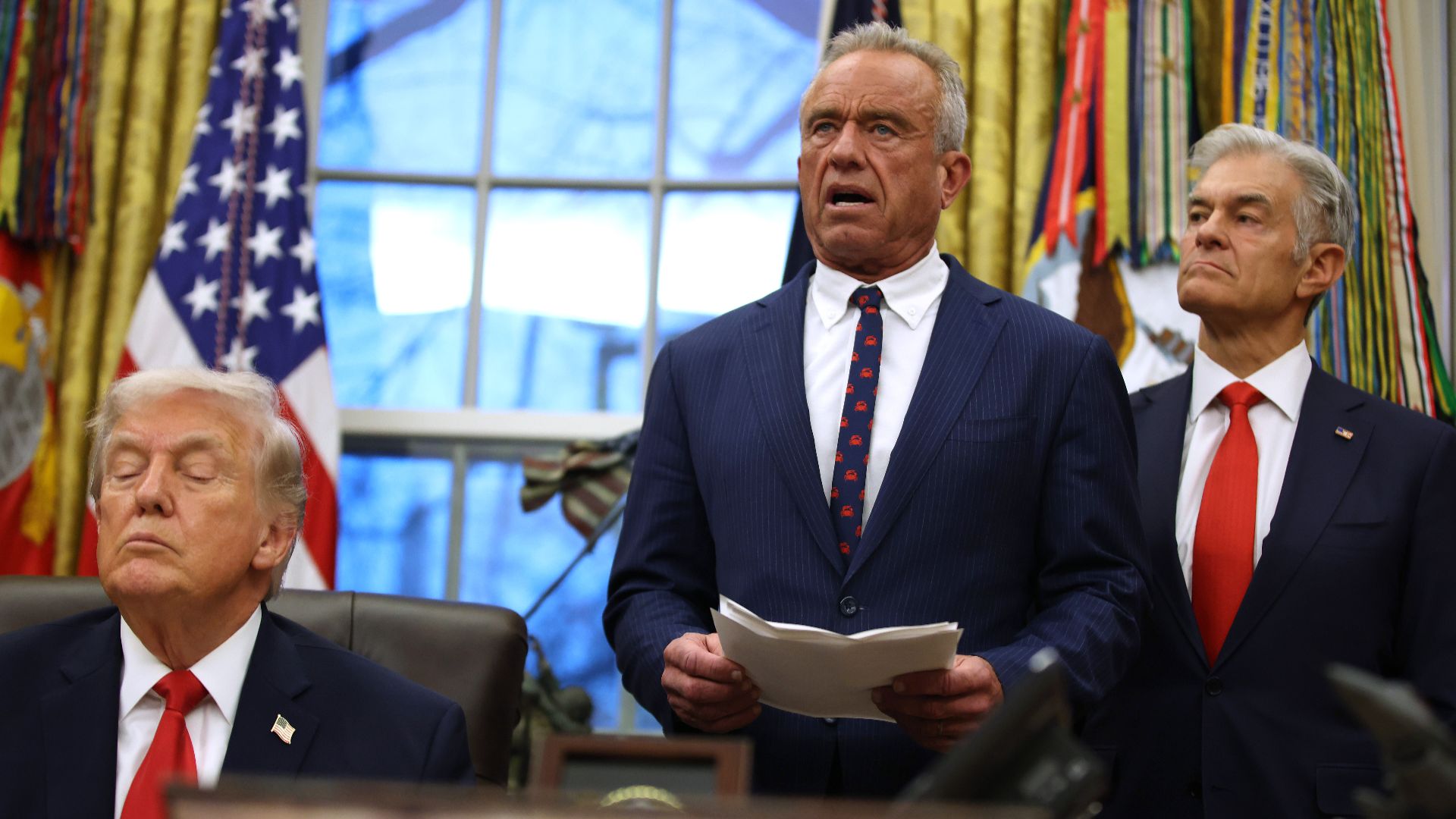
The ruling also comes amid growing controversy surrounding Robert F. Kennedy Jr.'s past and recent statements on vaccines, which have drawn criticism from public health experts during a resurgence of measles cases in the United States. His tenure at the Department of Health and Human Services has coincided with a notable outbreak, including the first measles death reported in the country in a decade, along with more than 100 confirmed cases and multiple hospitalizations.
Kennedy has previously downplayed the severity of such outbreaks and questioned aspects of vaccine safety, positions that have been widely challenged by medical authorities. Public health officials warn that this type of messaging risks weakening confidence in vaccination programs, potentially contributing to declining immunization rates and the return of preventable diseases.
Created by humans, assisted by AI.
