

/https%3A%2F%2Fcdn-tor.buminteractif.com%2F2026%2F03%2F20160923%2Ftrump-jpan-getty-345gdfgsdf4534g.jpg)
Donald Trump sparked immediate controversy and anger following a striking exchange in the Oval Office with Japan's prime minister, after responding to a question about his decision to launch strikes on Iran without informing key allies. The moment unfolded after a Japanese reporter asked, «Why didn't you tell US allies in Europe and Asia like Japan about the war before attacking Iran?» Trump defended the secrecy of the operation, emphasizing the importance of military surprise, but his response quickly drew attention for its unexpected historical reference and tone during a high-level diplomatic meeting.
«Why didn't you tell me about Pearl Harbor?»
-U.S. President Donald Trump
Responding to the question, Trump said «One thing you don't want to signal too much, you know, when we go in, we went in very hard and we didn't tell anybody about it because we wanted surprise. Who knows better about surprise than Japan?» The remark, referencing Japan's 1941 attack on Pearl Harbor, appeared to catch the room off guard. According to accounts of the exchange, the comment was followed by a moment of visible discomfort, as the historical comparison introduced a sensitive subject in front of Japan's leader during an already tense geopolitical context.
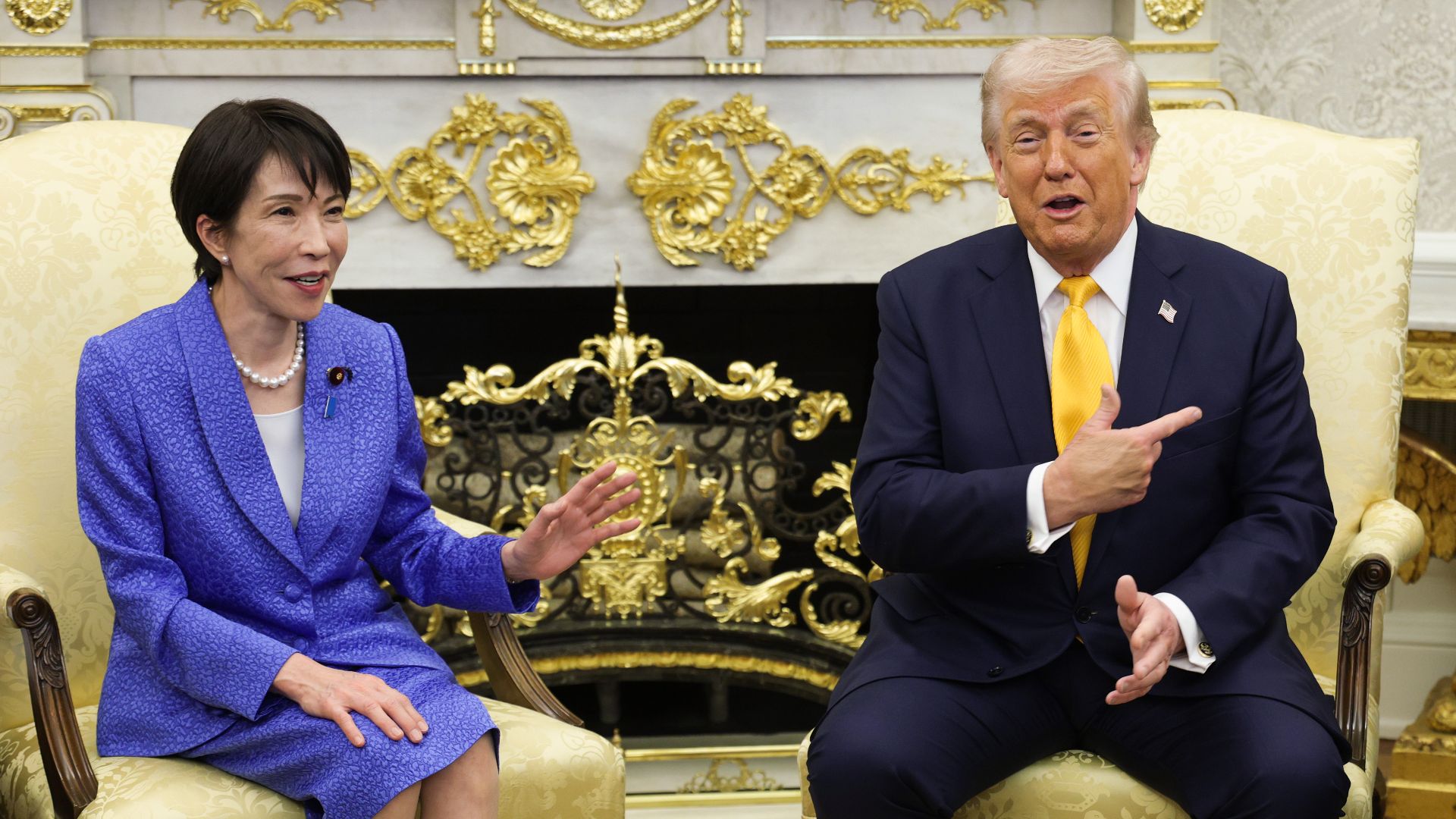
The exchange took an even more unusual turn when Trump followed up with a remark that deepened the awkwardness in the room. He added «Why didn't you tell me about Pearl Harbor?» a comment that appeared to confuse observers due to its phrasing. The use of «tell me» in reference to an event that occurred in 1941, decades before Trump was born, raised questions about whether the statement was intended as humor, rhetorical exaggeration, or something else entirely. The comment contributed to what several observers described as a brief but noticeable silence in the Oval Office.
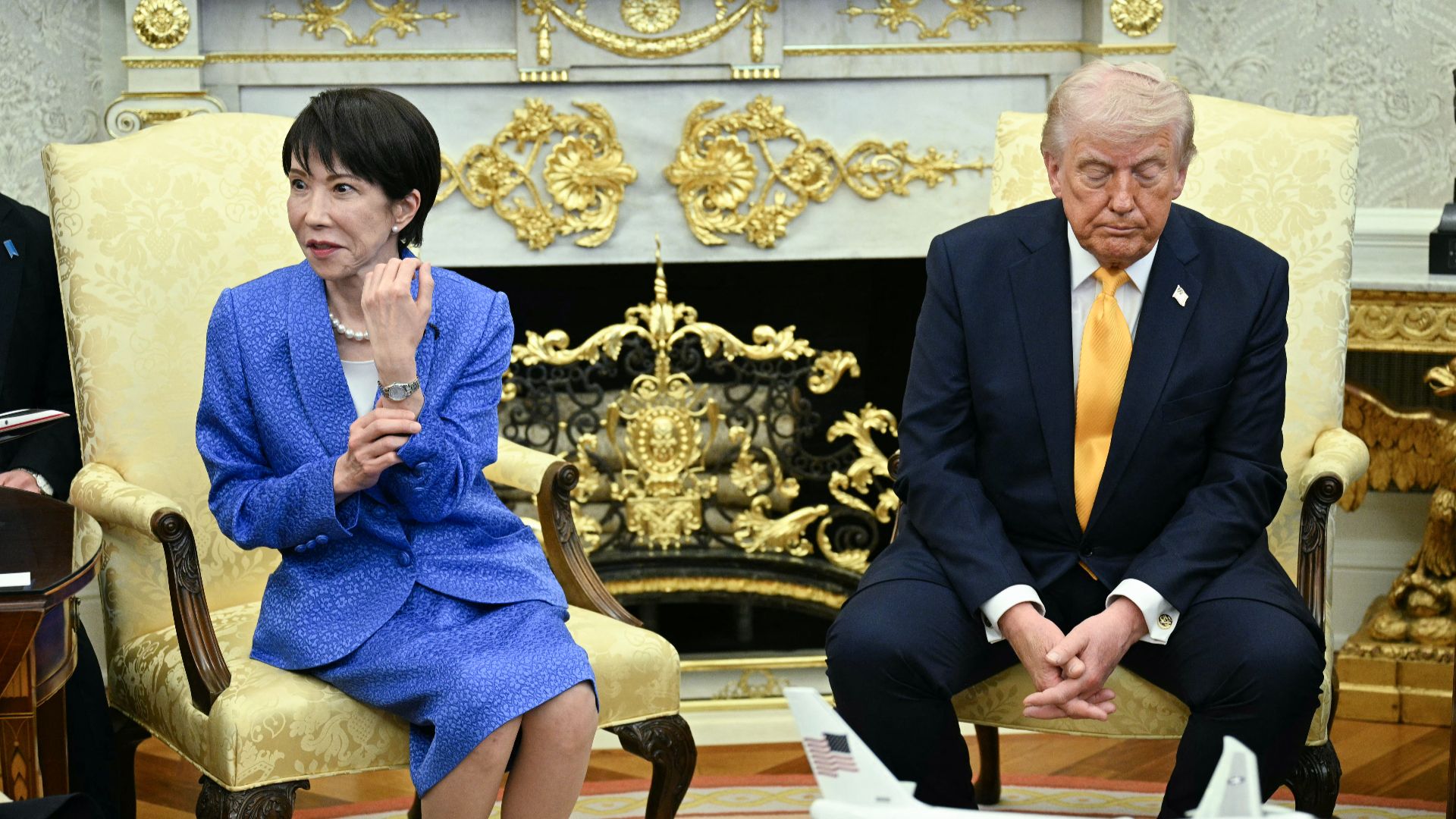
The broader context of the exchange is tied to the ongoing war in Iran, which has escalated rapidly following U.S. and Israeli strikes on Iranian targets. Trump's decision not to notify certain allies in advance has become a point of contention, particularly among NATO members and key partners in Asia. The administration has defended the approach as necessary for operational security, but critics argue that the lack of coordination risks undermining long-standing alliances at a time of heightened global instability.
«One thing you don't want to signal too much, you know, when we go in, we went in very hard and we didn't tell anybody about it because we wanted surprise. Who knows better about surprise than Japan?»
-U.S. President Donald Trump
Tensions have also been amplified by Trump's recent comments directed at allies regarding their role in securing critical global trade routes, including the Strait of Hormuz. The president has suggested that countries benefiting from maritime security should contribute more directly to maintaining stability in the region, a stance that has drawn mixed reactions from European and Asian partners. These remarks have added to concerns that the United States is shifting its expectations toward allies while simultaneously acting unilaterally in key military decisions.
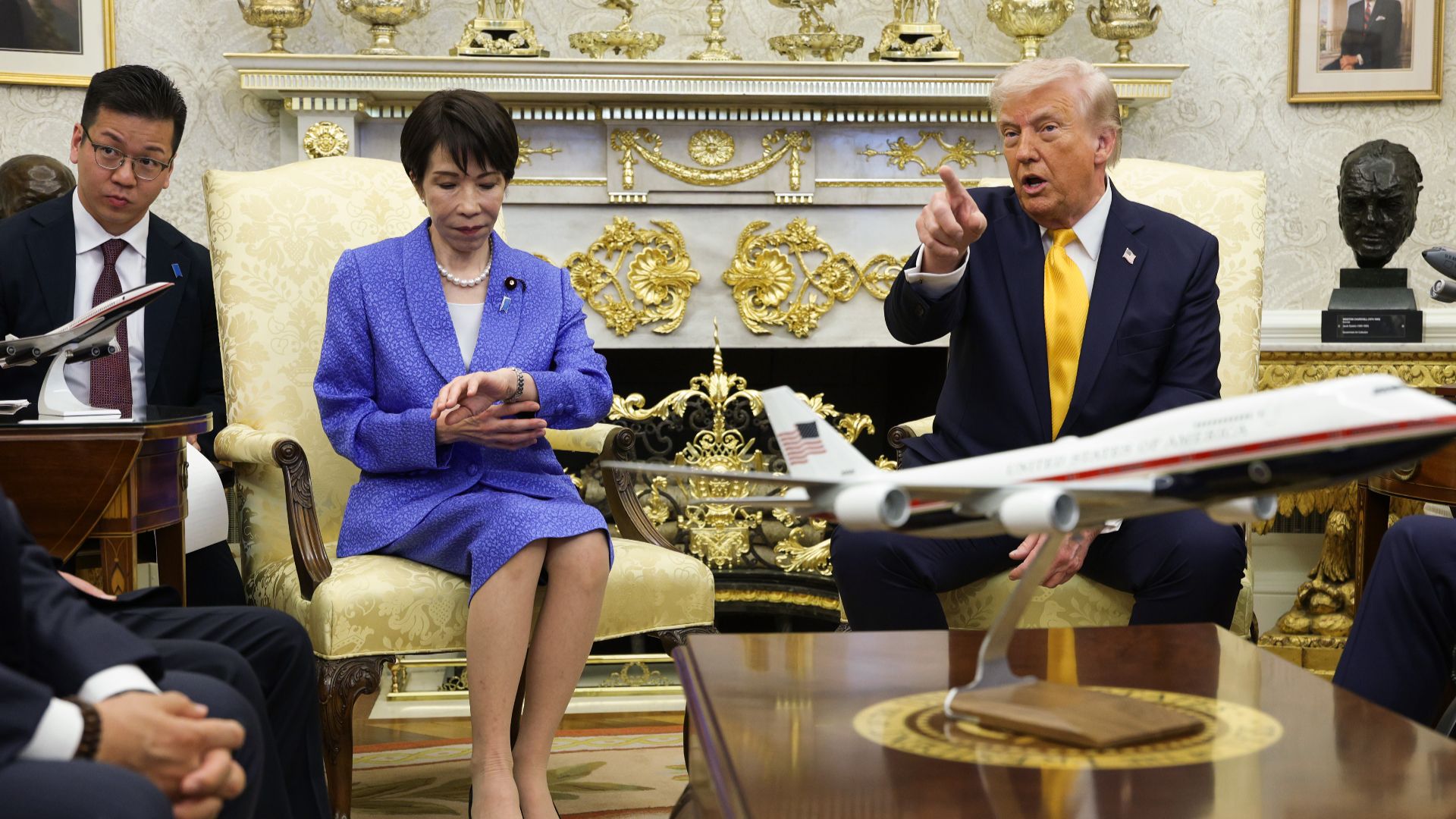
This unusual exchange in the Oval Office comes as Donald Trump faces growing controversy over his handling of the war in Iran and his broader diplomatic approach. While some supporters have dismissed the remarks as off-the-cuff or rhetorical, others argue that the phrasing and historical reference risk complicating relations with Japan, a long-standing U.S. ally. The moment adds to mounting scrutiny over Trump's decision-making in the conflict, as tensions continue to rise and questions persist about how the administration is managing both military operations and key international partnerships.
Created by humans, assisted by AI.
