Tehran Claims Strike on USS Abraham Lincoln After Threatening «Enter Range and We Fire»


/https%3A%2F%2Fcdn-tor.buminteractif.com%2F2026%2F03%2F25184944%2FCaptureXEnglishFars45234gsdgsd23-getty.jpg)
Iran has claimed it launched missiles toward the USS Abraham Lincoln after issuing a direct warning to the U.S. Navy, marking a new escalation in already heightened tensions between Washington and Tehran. According to Iranian state-affiliated media, the warning «Enter Range and We Fire» was delivered prior to the alleged strike. The claim was accompanied by a video published by Fars News Agency on X, showing multiple missiles launched at night, followed by flashes and the sound of explosions. Iranian outlets presented the footage as evidence of a direct response to what they described as provocative U.S. military positioning in the region.
«There was no strike on the USS Abraham Lincoln.»
-A U.S. defense official
The video quickly circulated online, drawing significant attention as analysts and observers attempted to verify its authenticity and context. The footage shows a sequence of launches from what appears to be mobile platforms, with projectiles illuminating the night sky before distant impacts are heard. Iranian media described the operation as defensive in nature, asserting that the U.S. aircraft carrier had entered a zone Tehran considers sensitive. However, no independent verification has confirmed that the USS Abraham Lincoln was struck, and questions remain about the timing, location, and target of the missiles shown in the video.
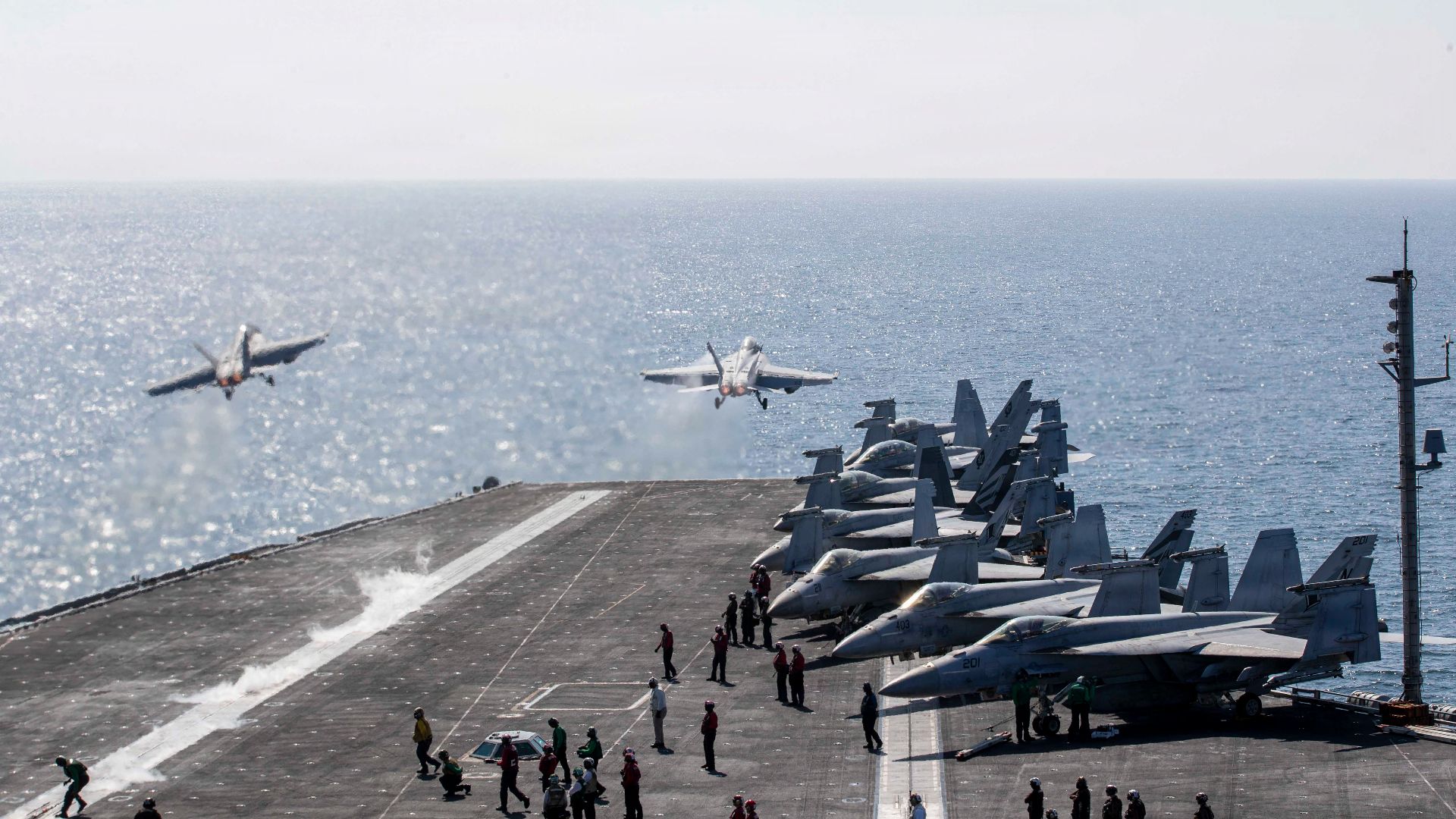
U.S. officials have firmly rejected Iran's claims, stating that there is no evidence the aircraft carrier was hit or even directly targeted. A U.S. defense official said «There was no strike on the USS Abraham Lincoln,» adding that «The carrier strike group remains fully operational and continues its mission in the region.» The Pentagon has not reported any damage or casualties, and officials emphasized that American naval assets maintain defensive readiness. The response reflects a consistent position from Washington, which has repeatedly downplayed or denied Iranian claims of successful strikes against U.S. forces.
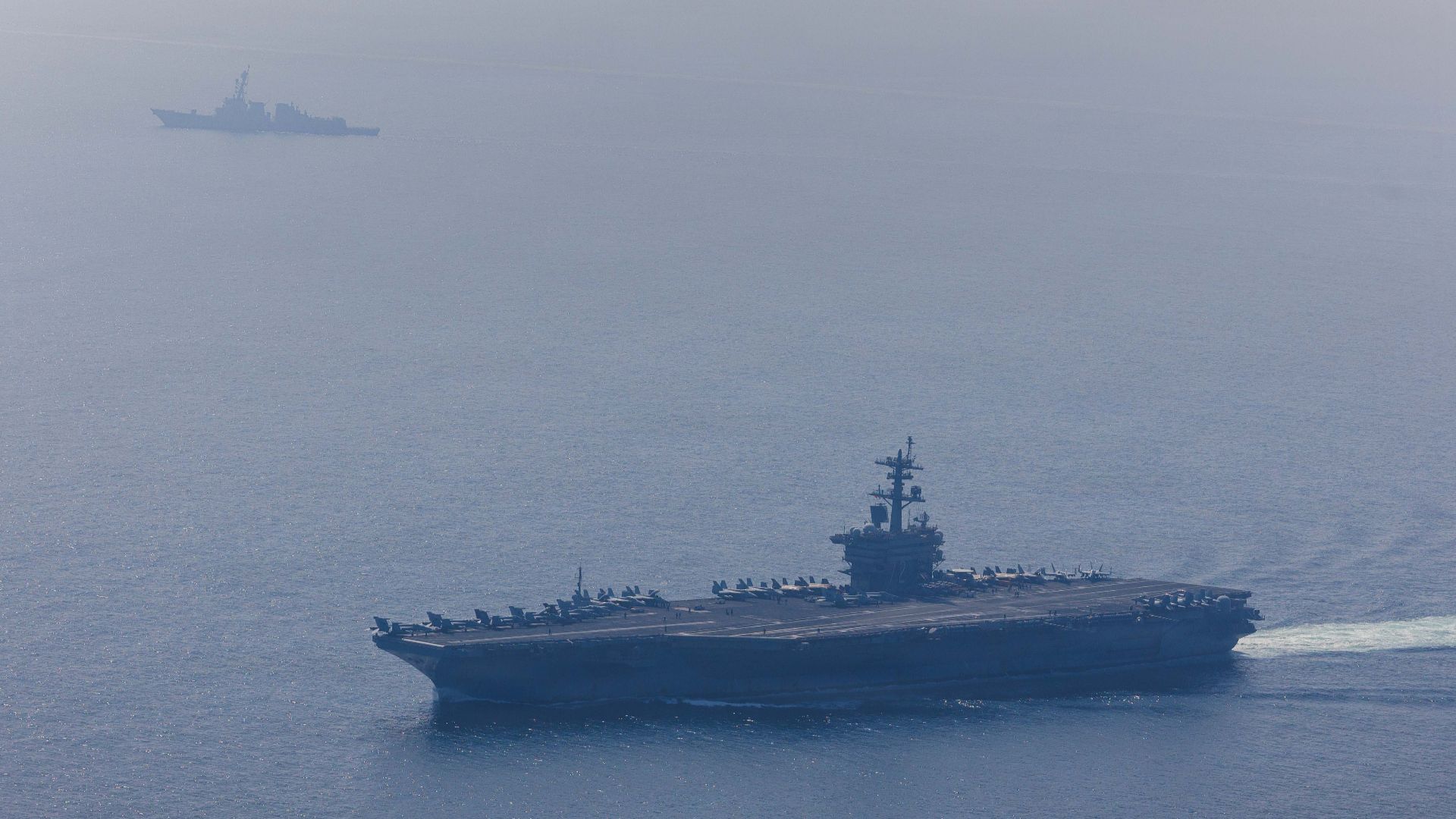
The incident comes amid a broader pattern of escalating rhetoric and military posturing between the two countries. In recent weeks, both sides have exchanged warnings and conflicting narratives regarding the possibility of negotiations.
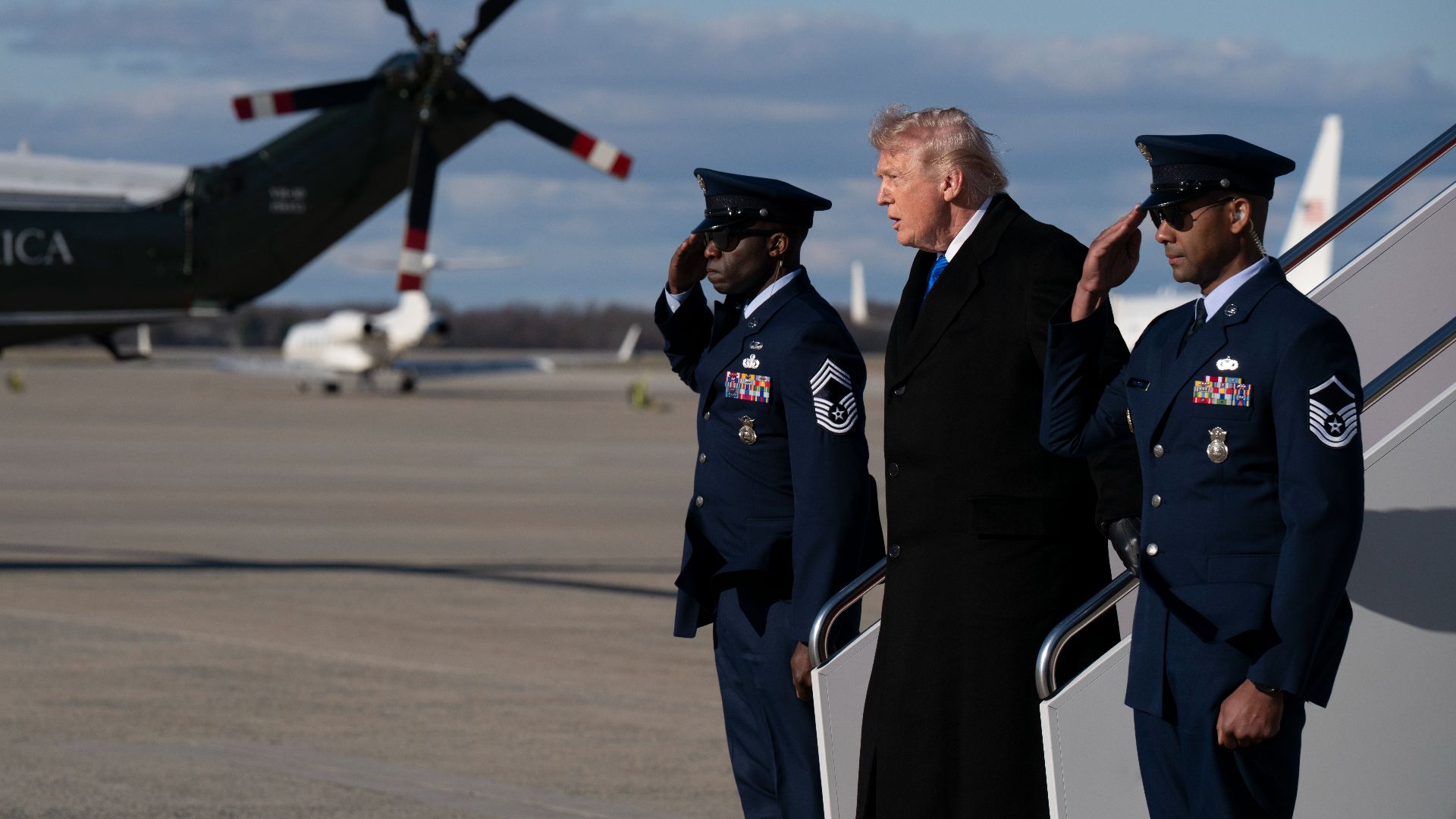
Donald Trump previously claimed that discussions between the United States and Iran had been productive, writing «I AM PLEASED TO REPORT THAT THE UNITED STATES OF AMERICA, AND THE COUNTRY OF IRAN, HAVE HAD, OVER THE LAST TWO DAYS, VERY GOOD AND PRODUCTIVE CONVERSATIONS REGARDING A COMPLETE AND TOTAL RESOLUTION OF OUR HOSTILITIES IN THE MIDDLE EAST.» Iranian officials, however, have categorically denied that such talks took place, further widening the gap between the two sides' public positions.
«The carrier strike group remains fully operational and continues its mission in the region.»
-A U.S. defense official
Adding to the confusion surrounding diplomatic efforts, Trump also referenced what he described as a gesture from Iran, suggesting that a form of goodwill had been extended during the alleged discussions. Iranian authorities have denied any such exchange, calling the claim inaccurate and reiterating that no direct or indirect negotiations had occurred under the conditions described by Washington.
The conflicting accounts have contributed to an atmosphere of uncertainty, where both military developments and diplomatic signals are increasingly difficult to interpret.
As tensions continue to rise, the reported missile launches and the competing narratives surrounding them illustrate the fragile state of relations between the United States and Iran. While Tehran presents the incident as a demonstration of its willingness to respond to perceived threats, Washington's denial underscores the absence of confirmation and the risk of misinformation in a rapidly evolving situation.
With military forces positioned in close proximity and diplomatic channels appearing strained, the potential for further escalation remains a central concern for regional stability.
Created by humans, assisted by AI.
