

/https%3A%2F%2Fcdn-tor.buminteractif.com%2F2026%2F03%2F26184941%2Fcanada-nato-getty-3456398gdfgn34234.jpg)
Canada has officially reached NATO's benchmark of allocating 2% of its GDP to defense spending in 2025, according to the alliance's latest annual report, marking a significant shift in the country's military posture. The report also confirms that Canada surpassed another key NATO guideline by dedicating just over 20% of its defense budget to the acquisition of new equipment. The dual achievement reflects a notable change after years of falling short of alliance expectations, placing Canada among the members now meeting both financial and modernization targets outlined by NATO leadership.
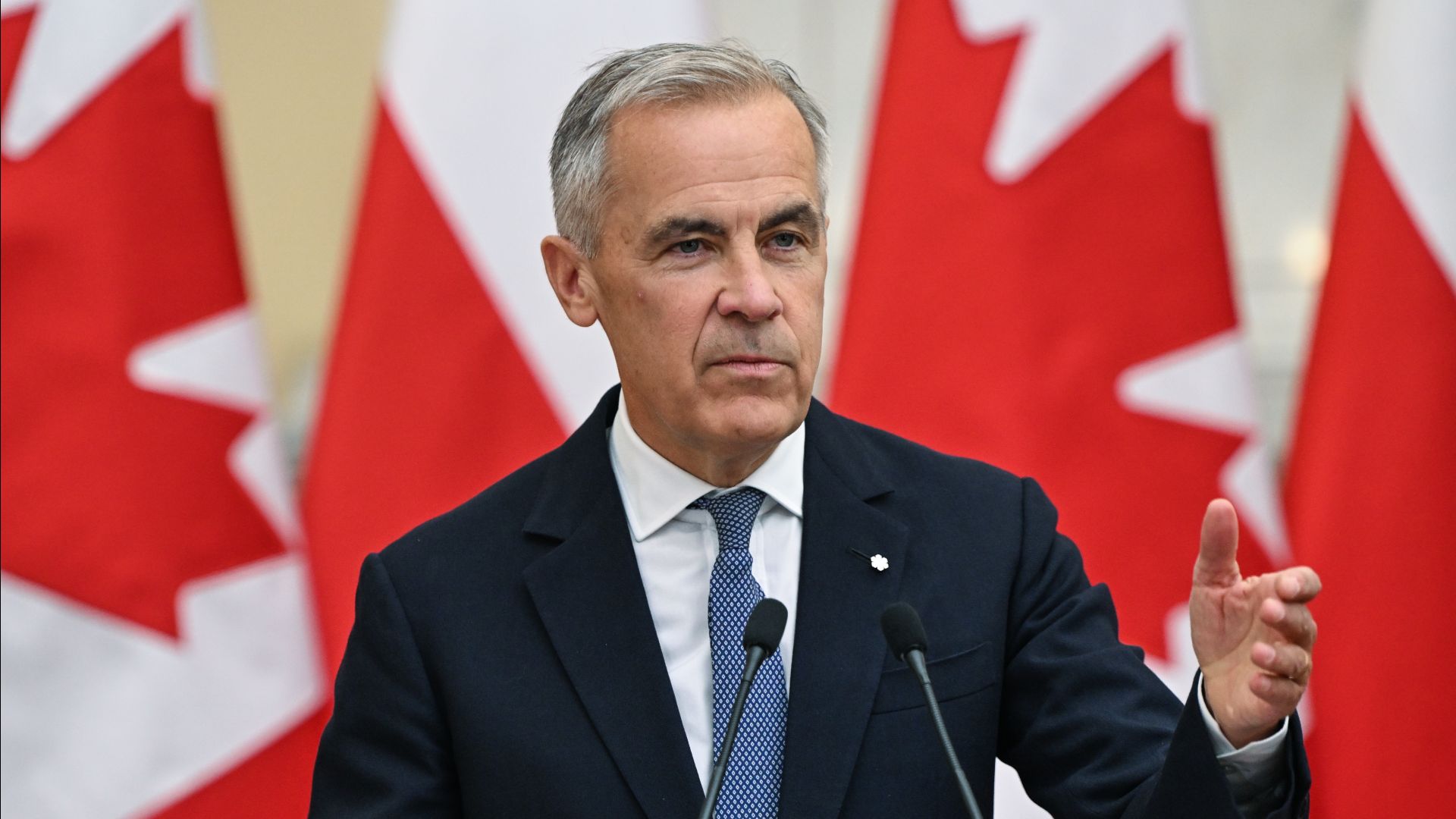
The announcement follows the release of NATO's 2025 annual report, which tracks defense spending and capability development across member states. While Canada's progress stands out, the report indicates that not all NATO members have reached the 2% spending threshold. Several countries continue to fall below the target, despite increased pressure from allies to accelerate military investments in response to evolving global security challenges. However, a growing number of member states have moved closer to compliance, reflecting a broader trend toward increased defense spending across the alliance in recent years.
«You've set your priorities, you focus on them, you follow through.»
-Prime Minister of Canada, Mark Carney
Canada's additional achievement of allocating more than 20% of its military budget to new equipment also aligns with NATO's secondary benchmark, aimed at ensuring modernization of armed forces. This includes investments in advanced technologies, infrastructure, and procurement programs designed to enhance operational readiness. Defense analysts have noted that meeting both targets simultaneously is significant, as it demonstrates not only higher spending levels but also a strategic allocation of resources toward long-term capability development rather than operational maintenance alone.
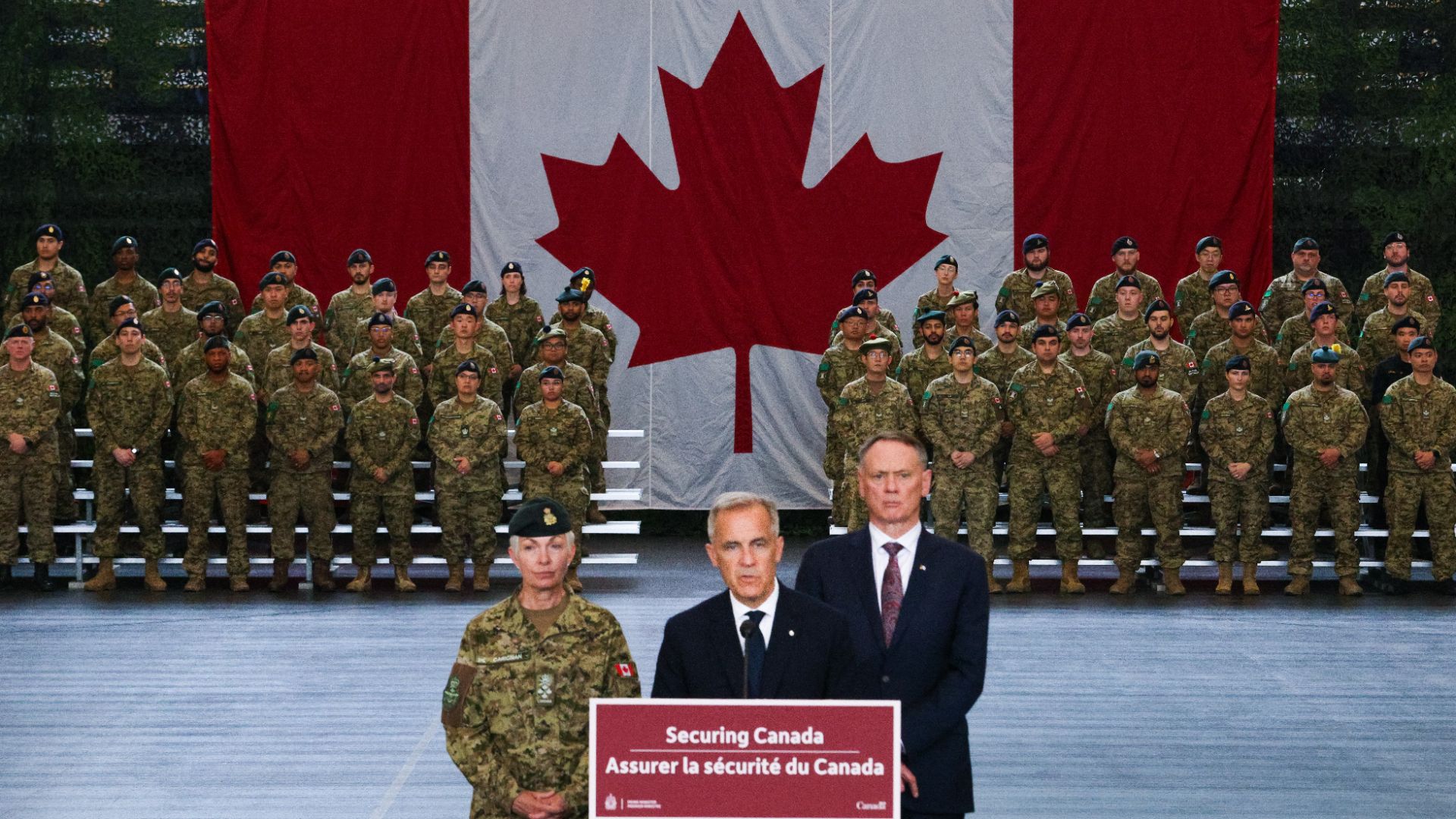
Prime Minister Mark Carney addressed the milestone during a visit to the Royal Canadian Navy base in Halifax, Nova Scotia, framing it as the result of a broader shift in national priorities. He stated «We ran for office recognizing the world had changed, recognizing the importance of securing Canada, defending Canada, fulfilling our commitments,» Mr. Carney said, before adding «You've set your priorities, you focus on them, you follow through.» His remarks reflect the government's emphasis on adapting to a changing geopolitical environment, where defense and security have taken on increased importance in both domestic and international policy discussions.
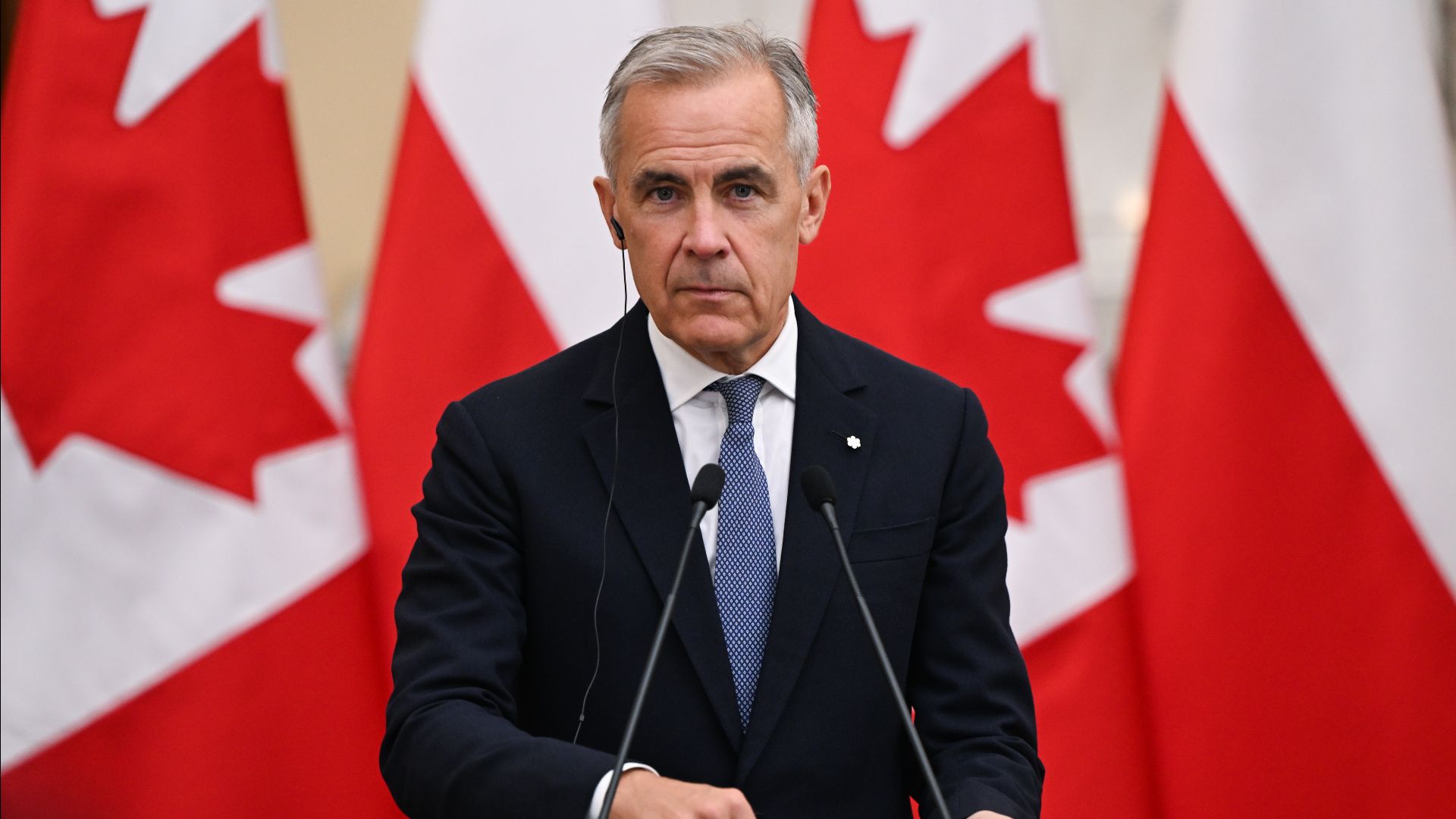
During his electoral campaign, Carney repeatedly emphasized the need to strengthen Canada's defense commitments within NATO, linking the issue to global instability and evolving security threats. He argued that Canada needed to play a more active role within the alliance, highlighting the importance of meeting agreed-upon benchmarks. While campaign speeches varied in tone, they consistently focused on aligning Canada's defense posture with its international obligations, reinforcing the message that increased military investment was necessary to ensure both national security and credibility among allies.
«We ran for office recognizing the world had changed, recognizing the importance of securing Canada, defending Canada, fulfilling our commitments.»
-Prime Minister of Canada, Mark Carney
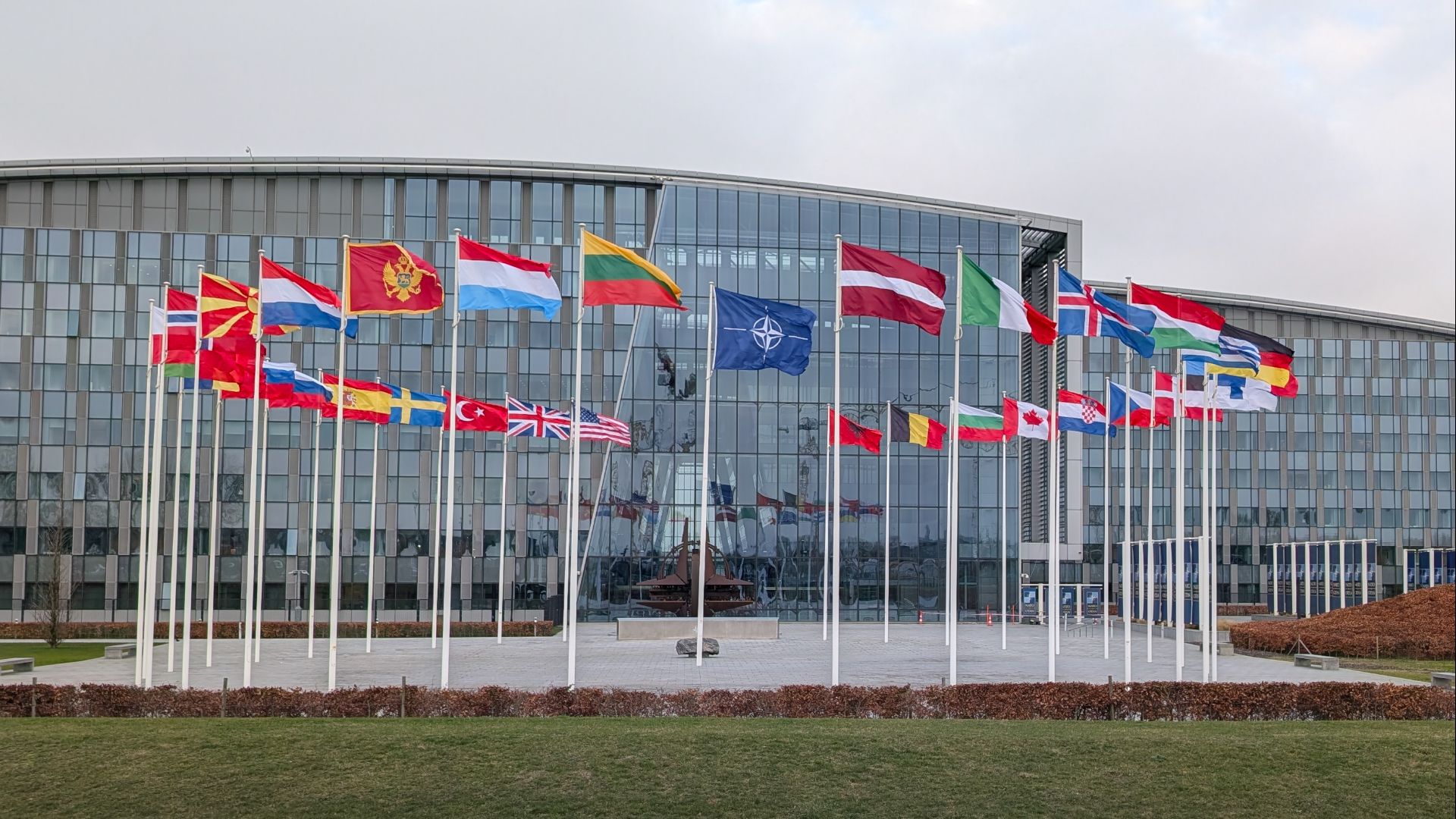
Despite Canada's progress, the NATO report underscores that achieving alliance-wide targets remains uneven. While a majority of members have increased their defense spending, only a portion have fully met both the 2% GDP target and the 20% equipment investment benchmark. This uneven compliance continues to be a point of discussion within NATO, as leaders push for greater alignment among member states. Canada's achievement in 2025 positions it among the countries that have met these goals, signaling a shift in its role within the alliance as it moves toward closer adherence to NATO's strategic expectations.
Created by humans, assisted by AI.
