

/https%3A%2F%2Fcdn-tor.buminteractif.com%2F2026%2F04%2F08144803%2Ftrump-iran-getty34534gdfg354gfdgd-34.jpg)
The announcement of a ceasefire between the United States and Iran marked a sudden shift in tensions that had escalated over recent weeks, with military actions and threats raising concerns of a broader regional conflict. Shortly after the truce was made public, Donald Trump took to Truth Social to outline what he described as key elements of the agreement and the situation surrounding Iran's nuclear facilities. The president's message, presented as a direct update to the public, introduced new claims about U.S. oversight, cooperation with Iran, and the status of nuclear material following recent strikes. The post immediately drew attention from analysts and officials monitoring the fragile diplomatic development.
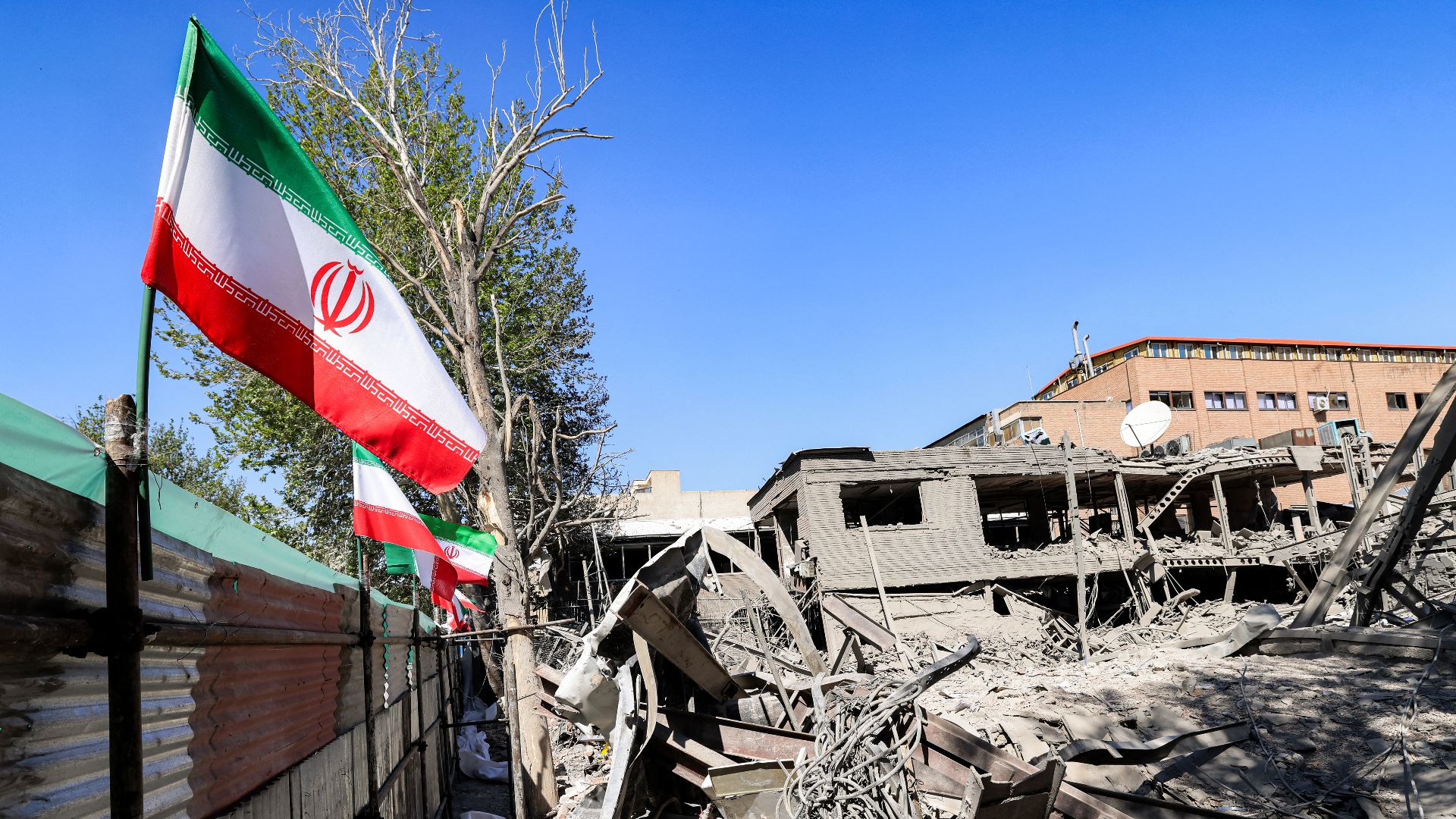
In the opening section of his statement, Trump framed the situation as a turning point in Iran's political trajectory, writing: «The United States will work closely with Iran, which we have determined has gone through what will be a very productive Regime Change!». The assertion of a “Regime Change” was not accompanied by independent confirmation from Iranian authorities, who have not publicly acknowledged any such internal transformation. Analysts noted that the language echoed long-standing U.S. political rhetoric rather than verified developments on the ground. Iranian officials, for their part, have continued to present the ceasefire as a de-escalation measure rather than a structural political shift within their government.
«We are, and will be, talking Tariff and Sanctions relief with Iran.»
-U.S. President, Donald Trump on Truth Social
Trump then moved to the issue of nuclear activity, stating: «There will be no enrichment of Uranium, and the United States will, working with Iran, dig up and remove all of the deeply buried (B-2 Bombers) Nuclear “Dust.”». The reference to “Nuclear ‘Dust'” and the mention of B-2 bombers appeared to allude to recent U.S. strikes targeting underground nuclear facilities, though details remain classified. Nuclear experts have cautioned that the removal of enriched uranium or related materials from fortified underground sites would require extensive verification mechanisms, likely involving international bodies such as the International Atomic Energy Agency. No such framework has yet been formally announced, leaving uncertainty about how such an operation would be conducted or monitored.
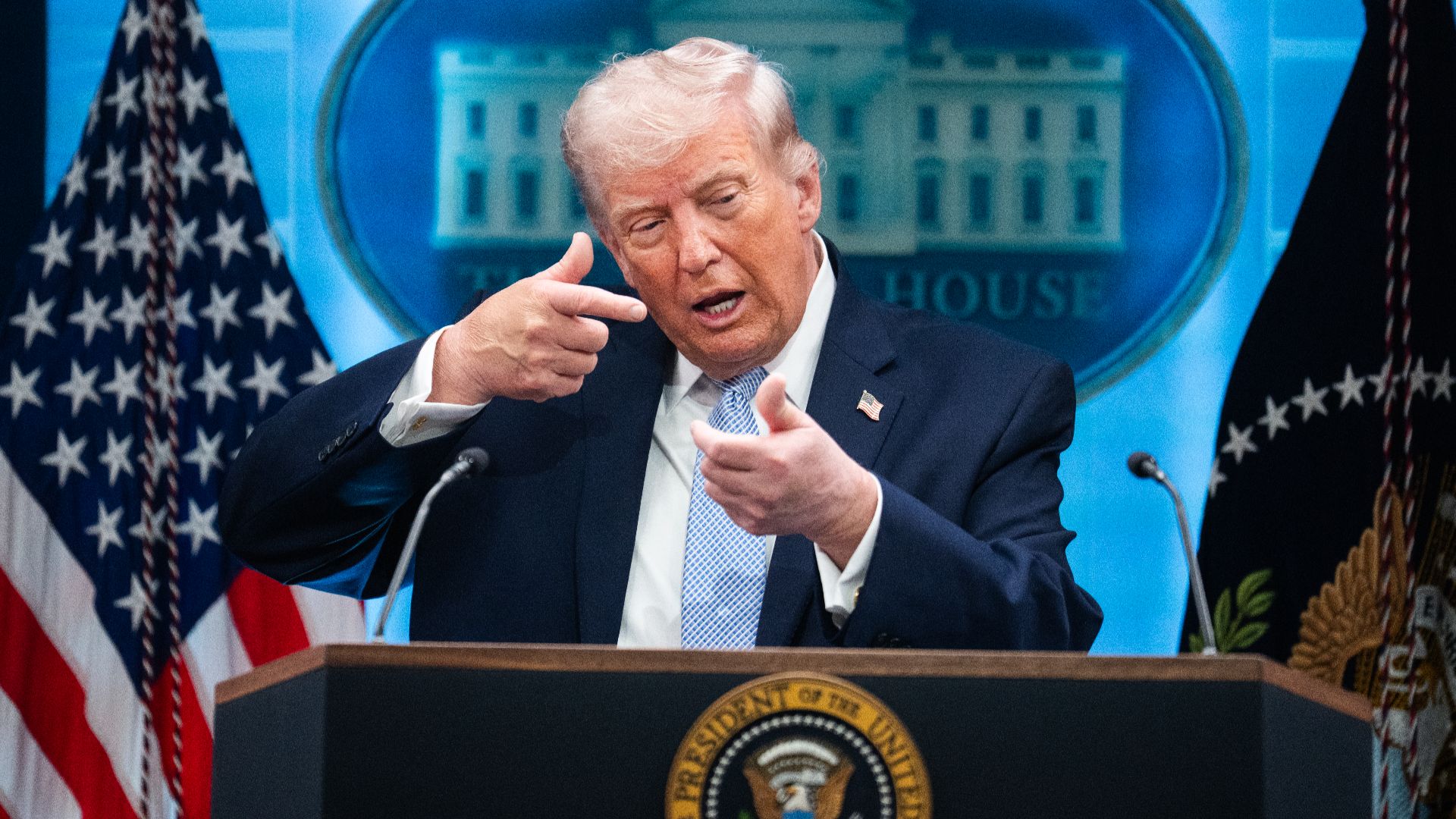
The president continued by emphasizing surveillance and the condition of the targeted sites, writing: «It is now, and has been, under very exacting Satellite Surveillance (Space Force!). Nothing has been touched from the date of attack.».
This claim suggested that the United States has maintained continuous observation of Iranian nuclear infrastructure, potentially through advanced satellite systems operated by the U.S. Space Force. However, independent verification of these assertions remains limited, and experts have noted that satellite imagery alone may not provide a complete assessment of underground facilities. Iranian authorities have not publicly confirmed the status of these sites following the reported strikes.
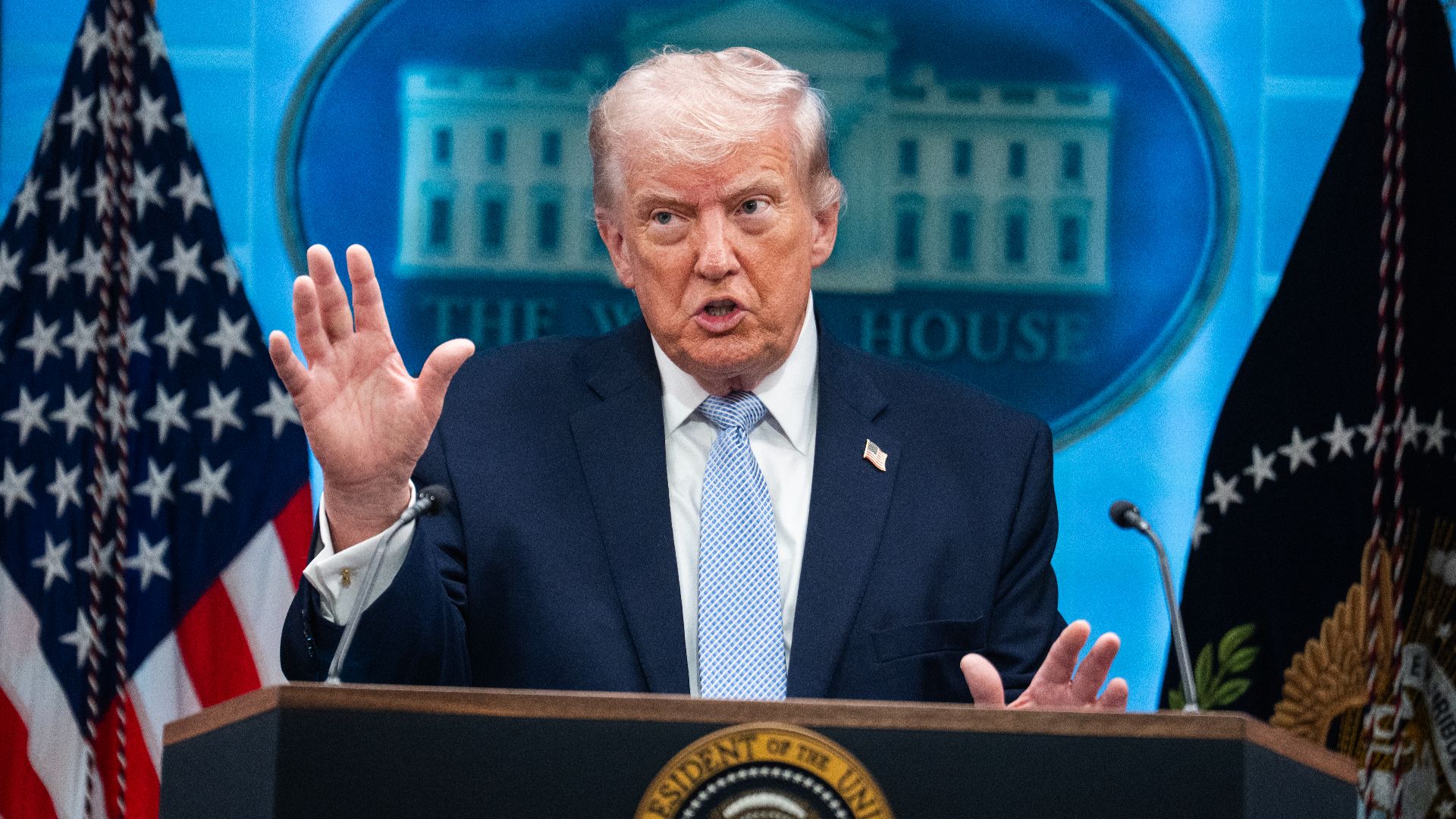
In the final portion of his post, Trump addressed economic measures and negotiations, stating: «We are, and will be, talking Tariff and Sanctions relief with Iran. Many of the 15 points have already been been agreed to.»
The reference to “15 points” has not been detailed in official documents, and no comprehensive list of agreed terms has been released by either side. The mention of potential tariff and sanctions relief indicates that economic concessions may form part of the ceasefire framework, though such measures typically require complex negotiations and, in some cases, congressional approval. Iranian officials have signaled openness to economic discussions but have not confirmed specific terms.
«There will be no enrichment of Uranium, and the United States will, working with Iran, dig up and remove all of the deeply buried (B-2 Bombers) Nuclear “Dust.”.»
-U.S. President, Donald Trump on Truth Social
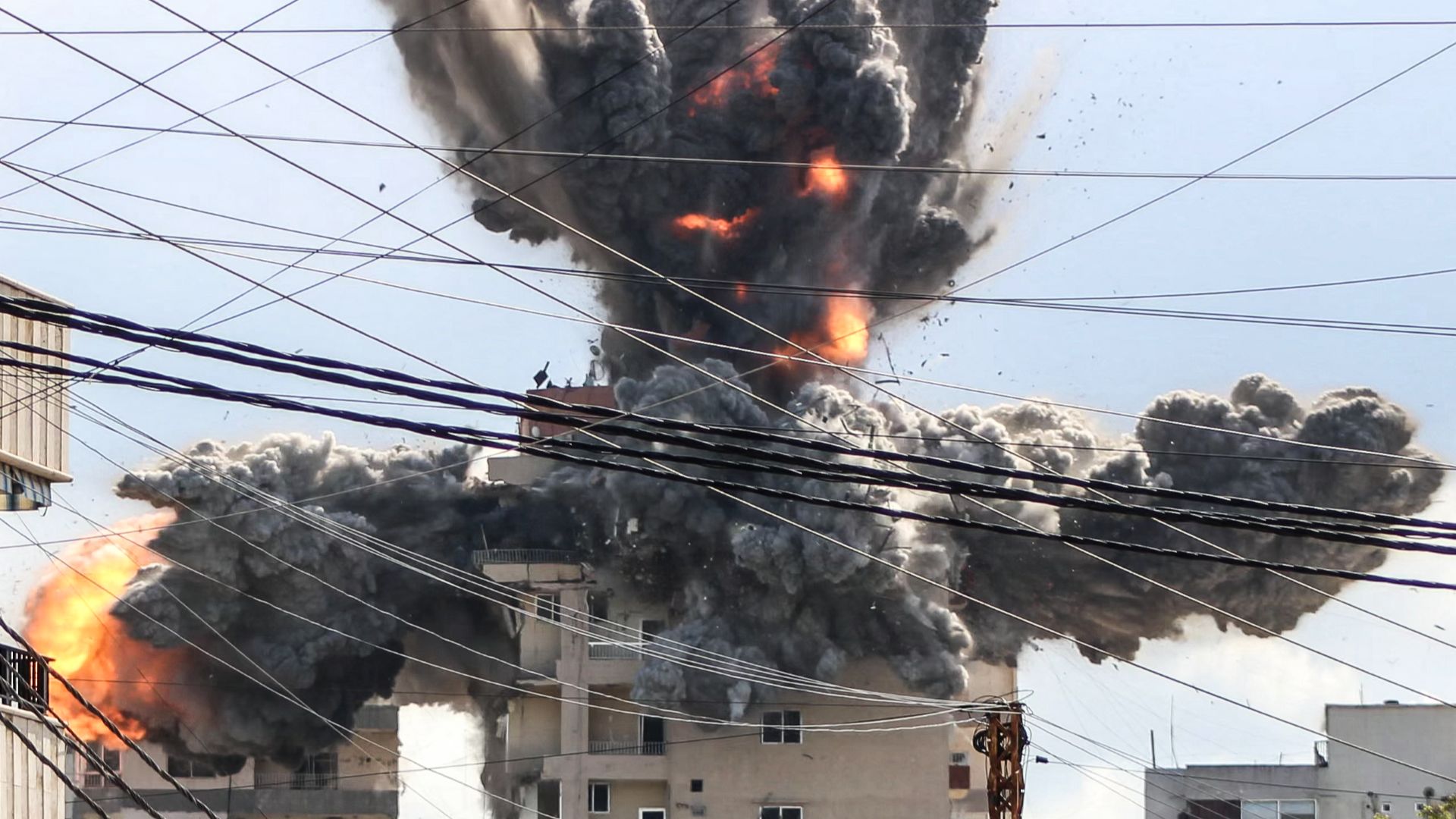
The broader ceasefire agreement remains fragile as regional developments continue to test its durability. Reports have emerged of Israeli strikes targeting Beirut, actions that Iranian officials argue fall within the scope of the ceasefire and therefore constitute a violation. Tehran has maintained that Beirut should be considered part of the de-escalation framework, while Israel has not publicly aligned with that interpretation. The continued military activity has raised concerns among diplomats that the ceasefire could quickly unravel if violations persist. Observers warn that without clear enforcement mechanisms and mutual recognition of terms, the agreement risks being undermined by ongoing hostilities in the region.
Created by humans, assisted by AI.
