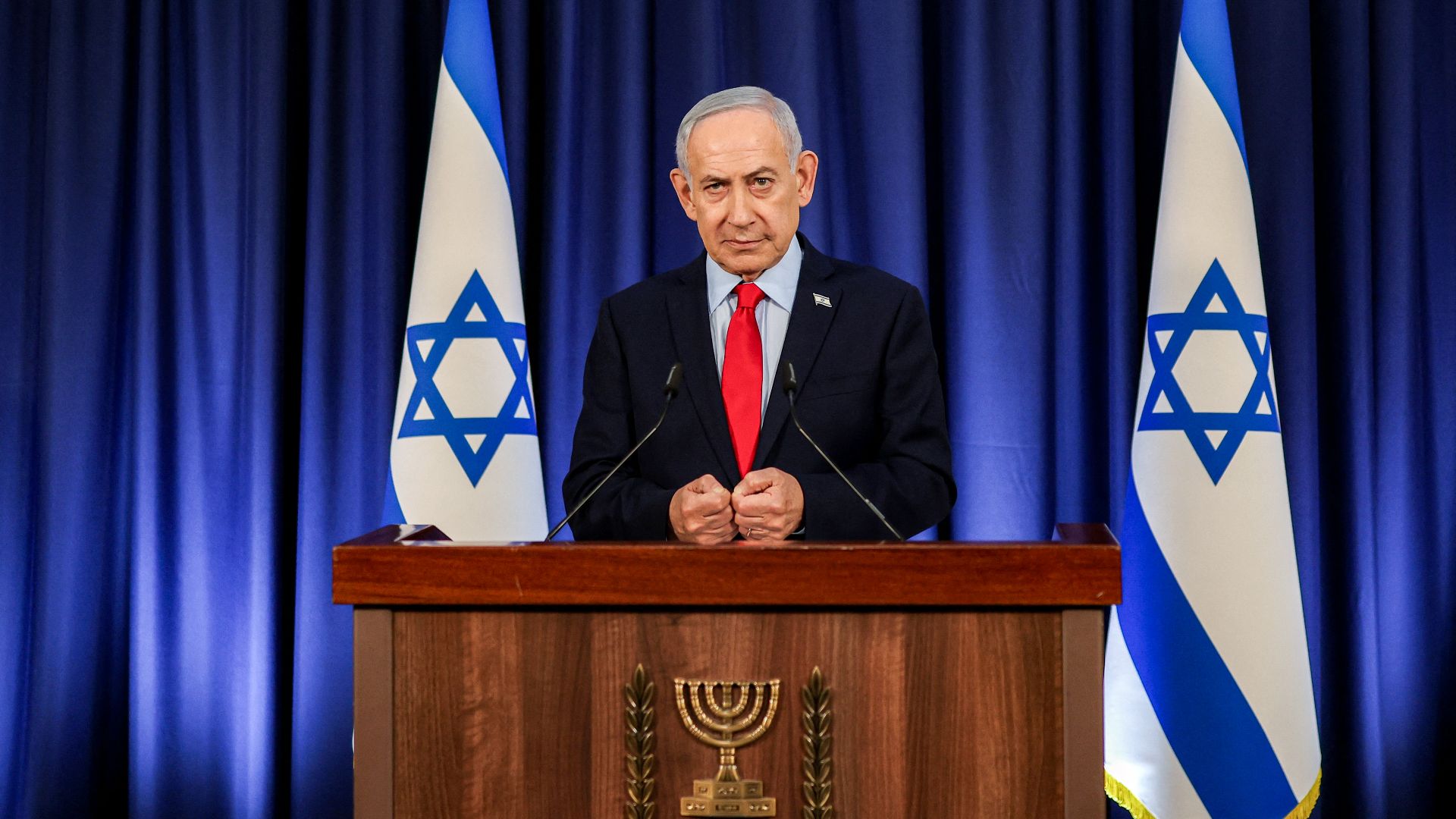
Iran Closes Strait of Hormuz Again After Israel’s Largest Lebanon Strike Shatters Ceasefire


/https%3A%2F%2Fcdn-tor.buminteractif.com%2F2026%2F04%2F08185641%2Firan-israel-lebanon-getty-34534rsdf32542gdfsfg34.jpg)
Less than 24 hours after its announcement, the ceasefire agreement involving the United States, Israel and Iran is already facing significant strain, as competing interpretations and renewed military actions threaten to unravel the fragile truce. Iranian officials have accused Israel of breaching the agreement following what has been described as the largest attack on Lebanon since the beginning of the war. The escalation has raised immediate concerns in diplomatic circles, particularly as the Strait of Hormuz — a central component of the ceasefire framework — has once again been closed by Iran, further complicating efforts to stabilize the region.
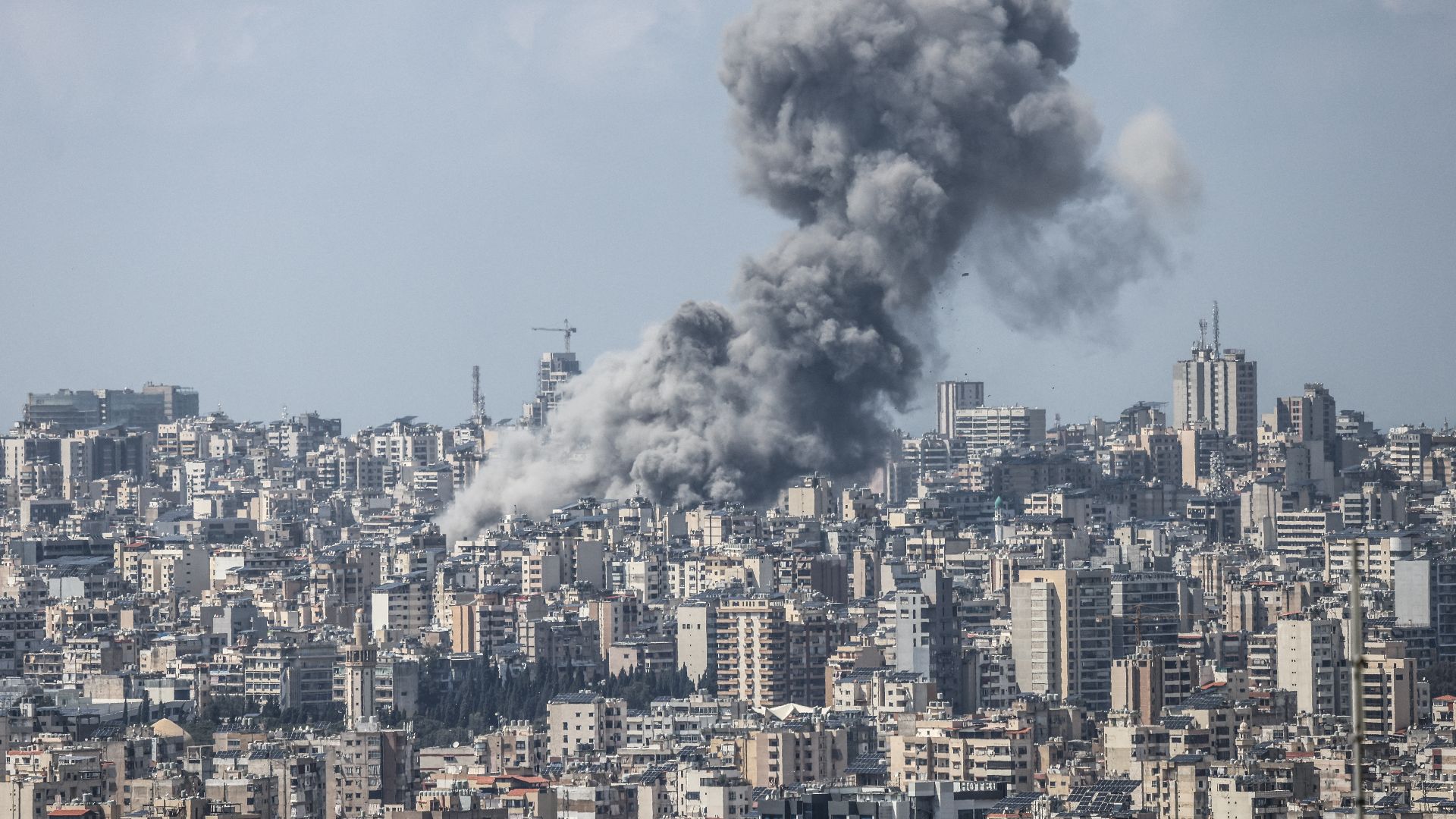
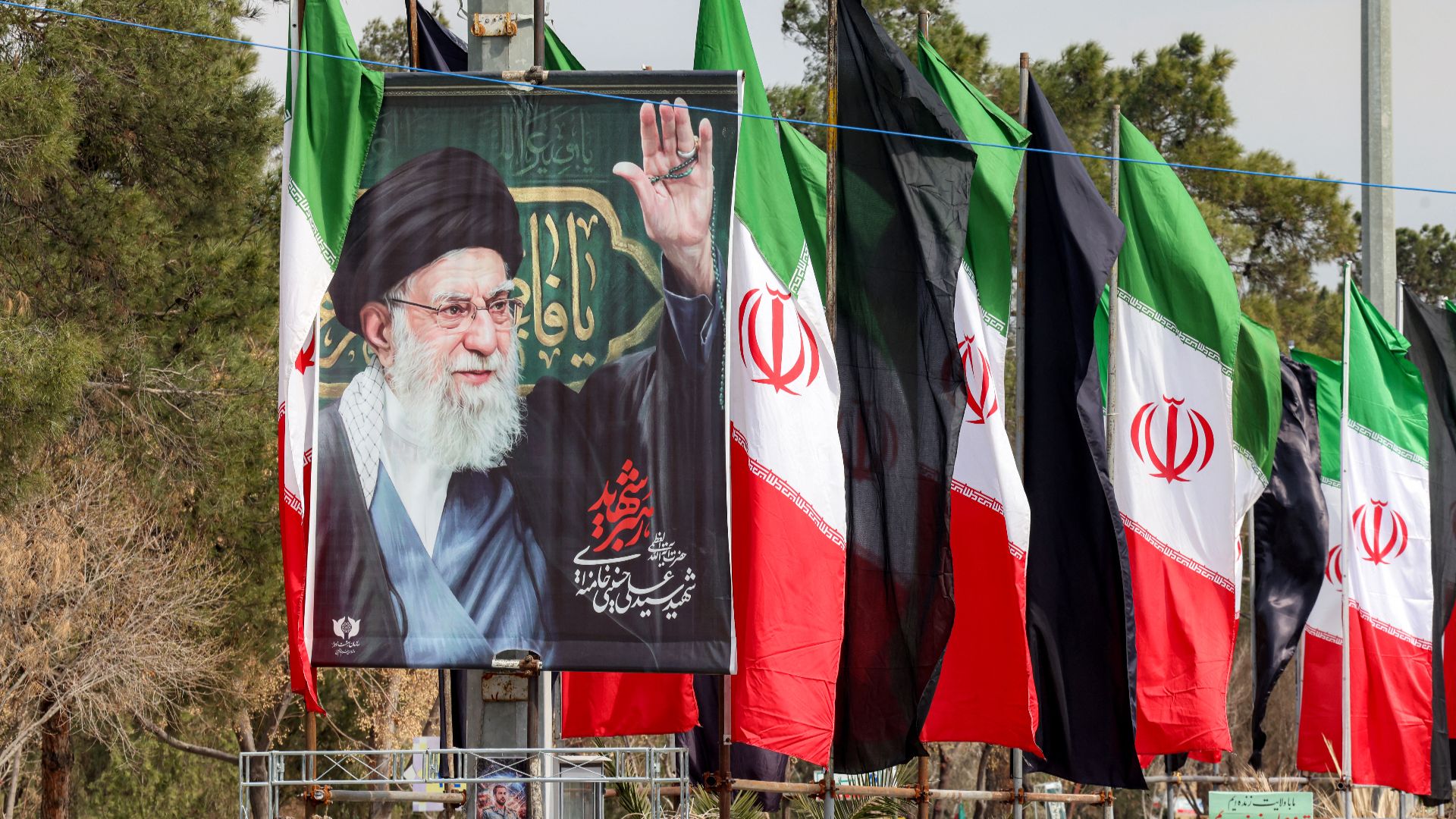
Tehran has framed Israel's latest military operation as a direct violation of the ceasefire terms, arguing that Lebanon was explicitly included in the de-escalation agreement. Iran's aerospace commander of the Revolutionary Guard, Gen. Seyed Majid Mousavi, issued a stark warning in response to the strikes, writing: «Aggression towards Lebanon is aggression towards Iran». He added that Iranian forces were preparing a «heavy response», signaling a potential escalation if hostilities continue. The statement underscored Iran's position that any attack on its regional allies, particularly Hezbollah in Lebanon, falls within the scope of its security commitments under the ceasefire understanding.
« Lebanon is not part of the ceasefire that has been relayed to all parties involved in the ceasefire.»
– The White House spokeswoman, Karoline Leavitt
Iranian Foreign Minister Abbas Araghchi reinforced this interpretation, insisting that Lebanon was part of the negotiated framework with Washington. In a message posted publicly, he stated: «The world sees the massacres in Lebanon». He continued: «The ball is in the U.S. court, and the world is watching whether it will act on its commitments». His remarks placed direct pressure on the United States to respond to Israel's actions, suggesting that Washington bears responsibility for enforcing the ceasefire terms. Iranian officials have increasingly emphasized that the agreement cannot be limited solely to direct U.S.-Iran engagement but must also include regional theaters such as Lebanon.
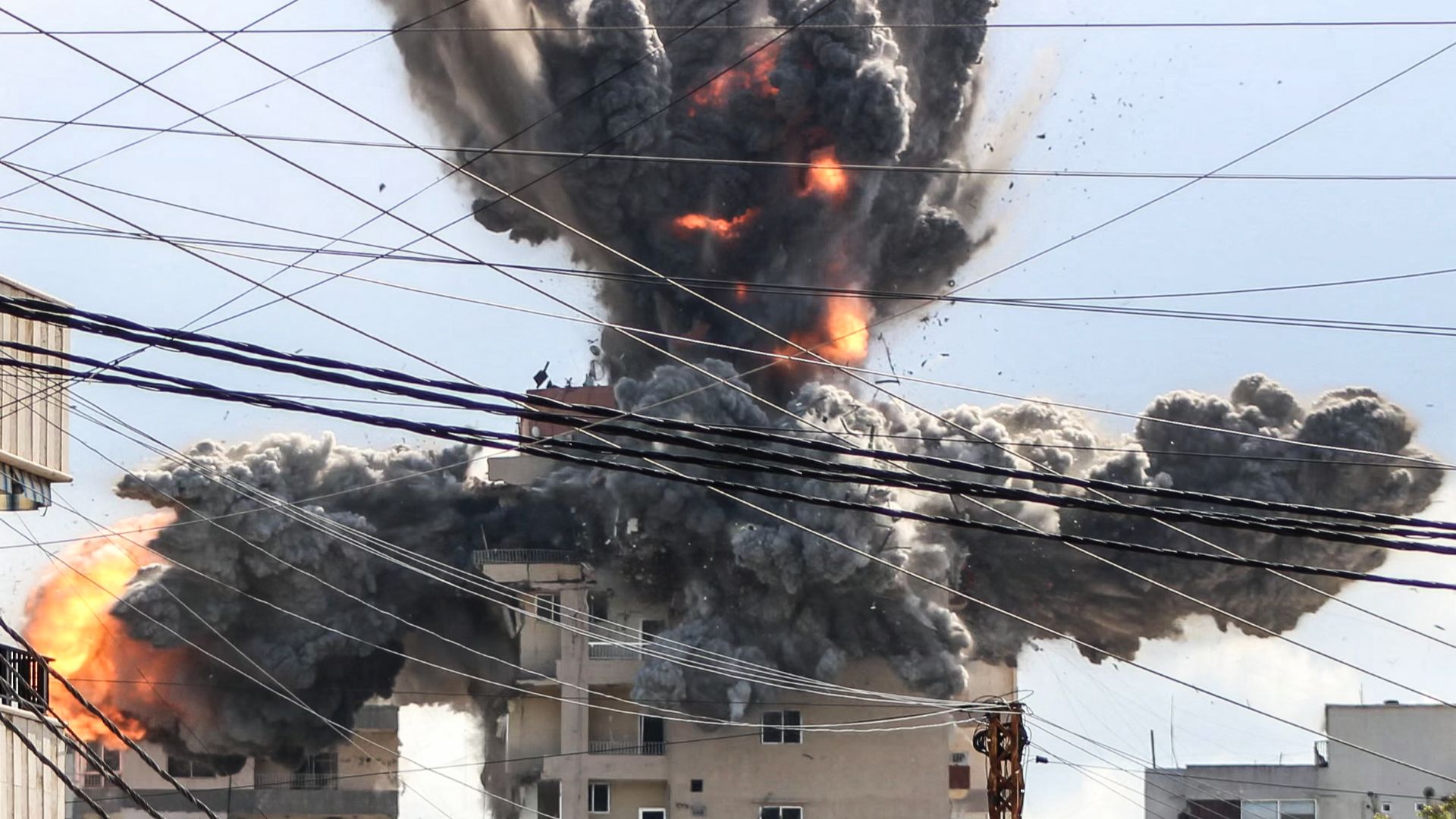
Israeli authorities have not issued a detailed public statement fully addressing Iran's claims, but the scale of the strikes has been widely reported as the most significant in Lebanon since the conflict began. The operations are understood to have targeted Hezbollah positions, which Israel considers legitimate military objectives despite ongoing diplomatic developments. Analysts note that Israel has historically maintained operational independence in Lebanon, particularly in its campaign against Hezbollah, complicating efforts to integrate its actions into broader ceasefire arrangements negotiated primarily between Washington and Tehran.
The United States has responded by attempting to clarify the scope of the ceasefire, emphasizing that not all actors or regions are covered by the agreement. Donald Trump addressed the issue directly, stating: «Because of Hezbollah, they were not included in the deal». His comments suggested that Lebanon was intentionally excluded from the ceasefire framework, contradicting Iran's interpretation. The White House echoed this position, with spokeswoman Karoline Leavitt stating: « Lebanon is not part of the ceasefire that has been relayed to all parties involved in the ceasefire». The divergence highlights a fundamental disagreement over the terms and geographic reach of the agreement.
«Aggression towards Lebanon is aggression towards Iran.»
-Iran's aerospace commander of the Revolutionary Guard, Gen. Seyed Majid Mousavi
The renewed closure of the Strait of Hormuz by Iran has further heightened tensions, as U.S. officials have repeatedly stressed that keeping the vital shipping lane open is essential to the ceasefire's success. The waterway is a critical artery for global energy supplies, and any disruption carries immediate economic consequences. With Iran linking its actions to developments in Lebanon and Israel continuing its military operations, the ceasefire now appears increasingly fragile. Diplomatic efforts are ongoing, but without a shared understanding of the agreement's scope, the risk of further escalation remains high.