

/https%3A%2F%2Fcdn-tor.buminteractif.com%2F2026%2F05%2F12151401%2Fcanadian-tourism-us-drop-getty-234534.jpg)
onald Trump's renewed attacks against Canada after returning to the White House are now producing major economic consequences across the United States, especially in cities and states traditionally dependent on Canadian tourists. Since beginning his second term, Trump has imposed tariffs on Canadian goods, reignited trade disputes and repeatedly floated the idea of Canada becoming the “51st state,” remarks that generated anger among many Canadians. As tensions between the two countries intensified, travel patterns rapidly shifted. Border crossing statistics already revealed a near 30 percent decline in Canadian tourism into the United States, but new research now suggests the damage to major American cities is far more severe than previously estimated. Researchers analyzing cellphone data found Canadian tourism in major U.S. metropolitan areas has dropped by roughly 42 percent since Trump returned to office.
The research, based on cellphone mobility data analyzed by researchers from the University of Toronto, revealed sharp declines in several American destinations traditionally popular among Canadians during vacations, shopping trips and winter travel. Florida, New York, California, Vermont and New Hampshire were among the states most heavily affected by the collapse in Canadian visitors. While official border crossing data measures entries into the United States overall, the cellphone analysis tracked movement patterns directly inside American cities, offering a clearer portrait of where Canadians are no longer traveling. Researchers found the losses extended far beyond seasonal tourism, affecting large metropolitan economies that have historically benefited from a steady flow of Canadian visitors throughout the year.
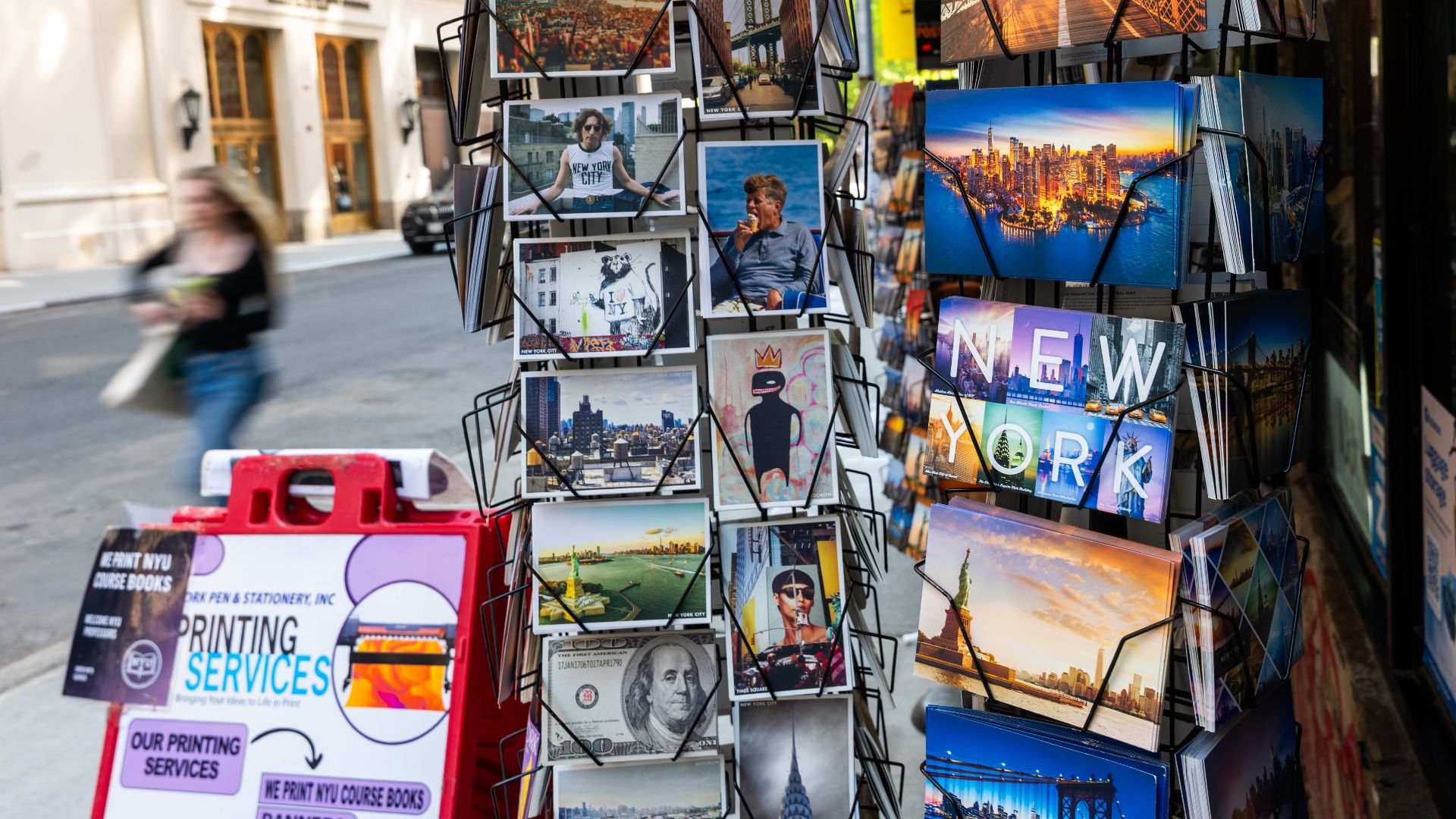
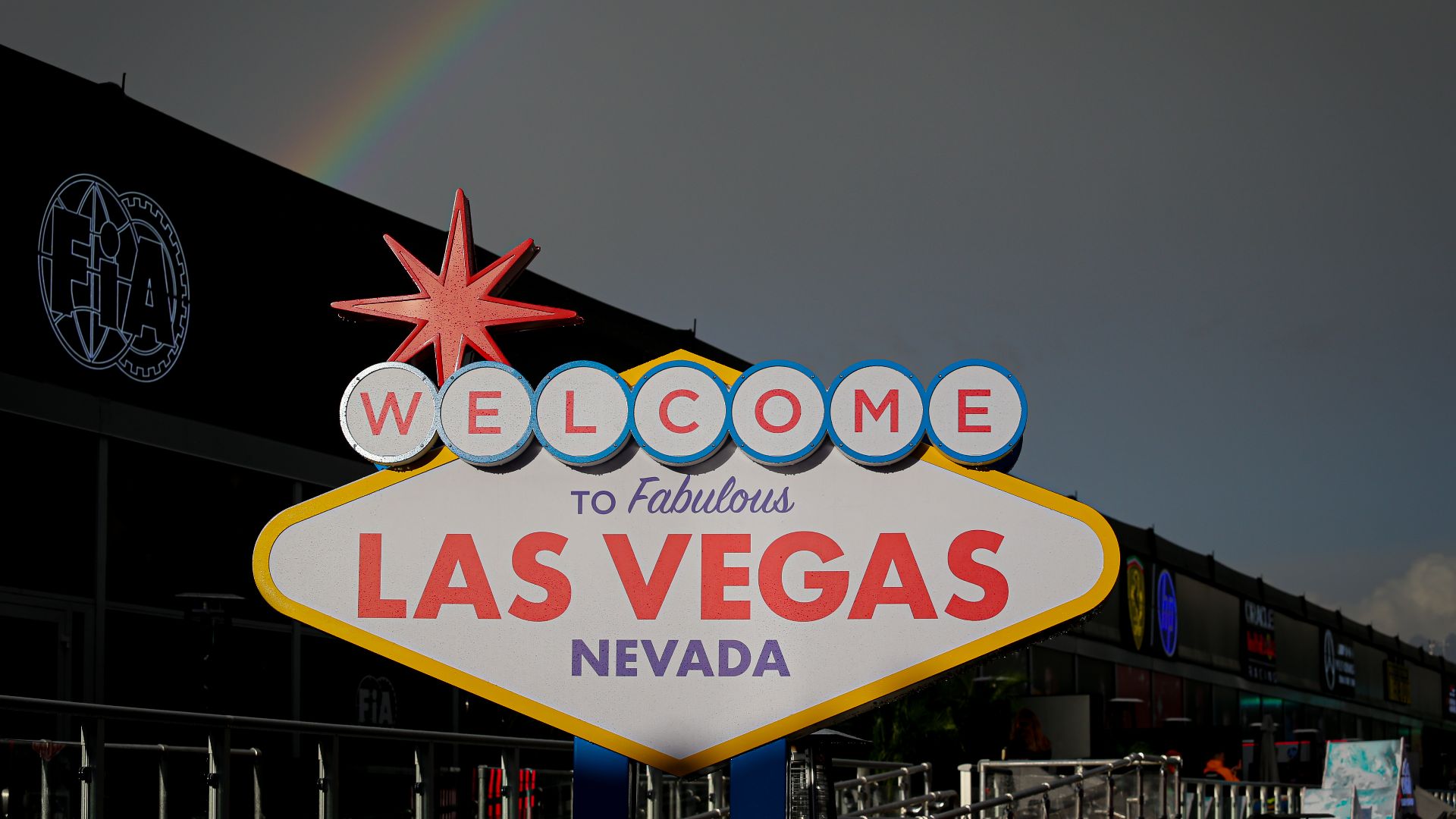
Among the cities hardest hit by the decline, Myrtle Beach, South Carolina recorded the steepest drop with a 65 percent decrease in Canadian cellphone presence. Yuma, Arizona followed with a 62 percent decline, while Panama City, Florida lost 60 percent of its Canadian visitors. Brownsville, Texas and Orlando, Florida both registered declines of 58 percent. Several major tourism and entertainment destinations also suffered dramatic losses. Las Vegas and New York City each saw Canadian tourism fall by 55 percent, while San Francisco recorded a 57 percent decline. Miami dropped by 58 percent, Tampa by 53 percent and Los Angeles by 52 percent. Boston also registered a 52 percent decline, while San Diego fell 53 percent, Colorado Springs 51 percent and Nashville exactly 50 percent according to the mobility analysis.
«We have seen a near-total collapse of U.S. business.»
-Consultant with Vancouver-based agency The Travel Group, McKenzie McMillan
Researchers said the scale of the declines surprised them because many of the affected cities are not solely dependent on vacation tourism but are also major centers for finance, technology, retail and business activity. Karen Chapple, director of the University of Toronto's School of Cities and one of the report's authors, told Business Insider: «The top 20 cities were a number of big metros that aren't exactly known as, you know, big tourist areas.» Researchers also pointed to «the marked decline in visits to large metropolitan economies.» The findings suggest Canadians are not only canceling holidays but are also reducing business travel into the United States amid growing political and economic tensions. Grand Rapids, Michigan, which saw a 53 percent decline, was highlighted as an example of a city closely connected to Ontario's automotive sector that historically benefited from constant cross-border business movement.
While nearly every major American destination included in the analysis experienced significant declines, researchers identified only three U.S. cities that appeared largely impervious to the broader downturn in Canadian travel. Cleveland, Ohio recorded a surprising 35 percent increase in Canadian cellphone presence compared to previous years. Gainesville, Florida also saw a 31 percent increase, while Portland, Oregon registered a 21 percent rise. Outside of those three exceptions, every other city measured in the report experienced declines in Canadian visitors. Even cities with comparatively smaller decreases still remained in negative territory. Albuquerque, New Mexico recorded a 5 percent decline, Pensacola, Florida fell by 12 percent, Columbus, Georgia by 14 percent, Burlington, North Carolina by 17 percent and Iowa City, Iowa by 18 percent according to the cellphone data analysis.
«The top 20 cities were a number of big metros that aren't exactly known as, you know, big tourist areas.»
-Director of the University of Toronto's School of Cities, Karen Chapple
Canadian travel advisors and tourism operators say the political climate surrounding the United States has fundamentally altered how many Canadians now approach travel south of the border. McKenzie McMillan, a consultant with Vancouver-based agency The Travel Group, described the collapse in demand bluntly, saying: «We have seen a near-total collapse of U.S. business.» He added: «Probably about a 90% drop since February.» Calgary-based travel executive Lesley Keyter also explained that some Canadians are now avoiding American airports and transit hubs entirely. «Even if they're going on a Caribbean cruise, they don't want to go down to Fort Lauderdale to get on the cruise ship,» she said. As tensions surrounding tariffs, border security and Trump's repeated rhetoric toward Canada continue escalating, economists increasingly warn that the sharp reduction in Canadian visitors could cost major American cities and states billions in lost tourism revenue during Trump's second term.
Created by humans, assisted by AI.
