Tensions Explode Between Chinese Security and Secret Service Agents as Beijing Temple Access Is Blocked


/https%3A%2F%2Fcdn-tor.buminteractif.com%2F2026%2F05%2F14171107%2Ftrump-china-temple-getty-345345dfg.jpg)
Tensions between the United States and China came from an unusual place as a highly anticipated meeting between U.S. President Donald Trump and Chinese President Xi Jinping was about to begin in Beijing. Trump and his delegation of business leaders arrived in China only hours earlier and were greeted on the tarmac by Chinese Vice President Han Zheng rather than Xi himself, an absence that immediately drew attention amid months of geopolitical friction between Washington and Beijing. The summit followed an extended tariff war initiated by the Trump administration and escalating global instability linked to the Iran conflict involving the United States and Israel. But the first major confrontation of Trump's visit emerged not inside formal negotiations, but during a security standoff at Beijing's Temple of Heaven.
According to members of the White House press pool traveling with the president, Chinese security officials blocked armed U.S. Secret Service agents from entering the Temple of Heaven for nearly an hour and a half before a compromise was finally reached between both sides. Reporters described the confrontation as involving «intense discussions» after Chinese authorities refused to allow American agents carrying firearms into the historic religious and cultural site. The standoff reportedly delayed the beginning of an official diplomatic event attended by both Trump and Xi. Members of the traveling press corps said tensions between Chinese security personnel and American agents visibly escalated as negotiations continued behind closed doors while senior officials from both delegations attempted to avoid a broader diplomatic embarrassment during the opening day of the summit.
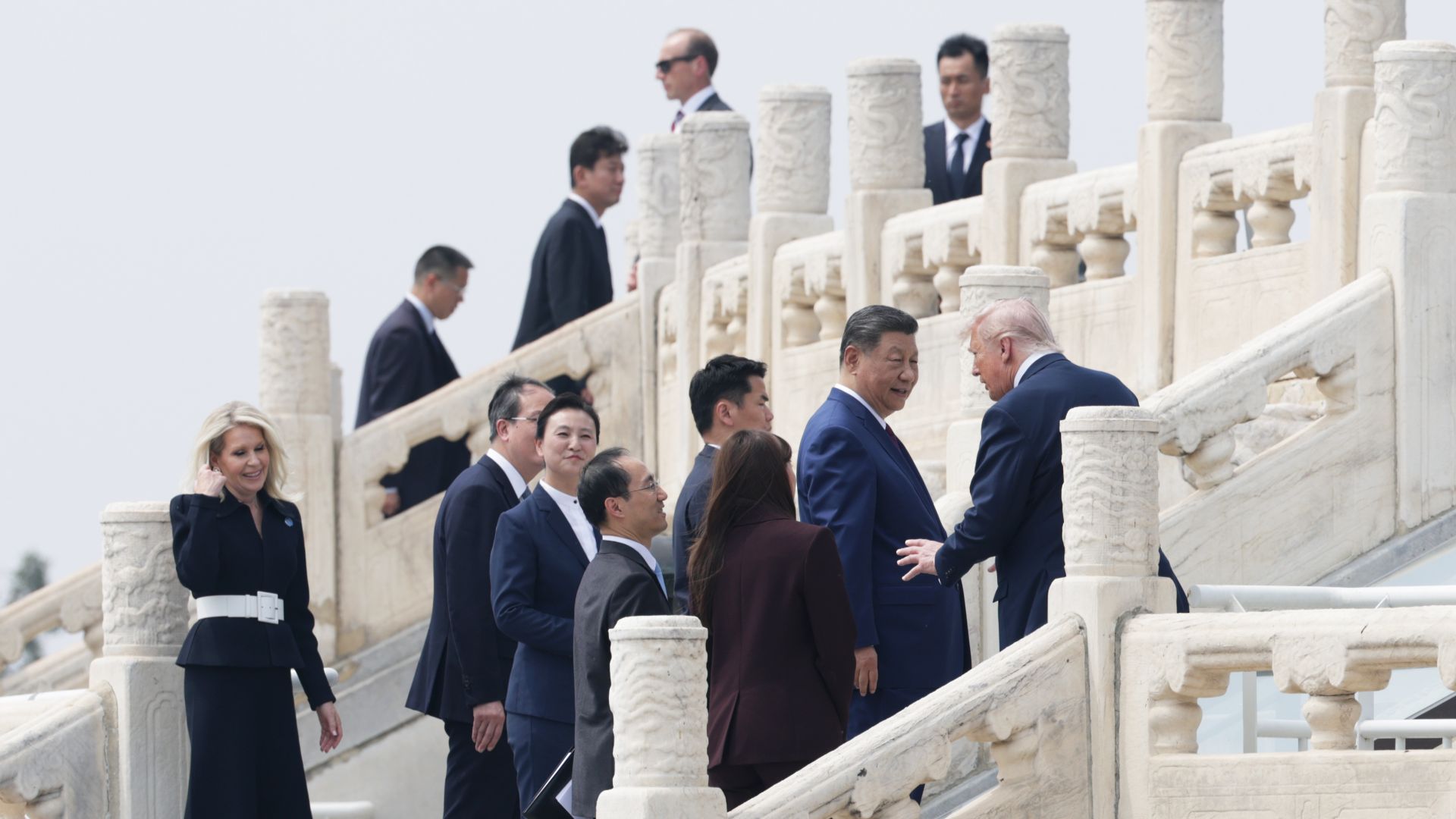
The dramatic confrontation unfolded during what had initially been presented as a carefully choreographed state visit designed to stabilize relations between the world's two largest economies. Trump's arrival in Beijing featured an elaborate red-carpet ceremony accompanied by military honors and a formal Chinese delegation. However, Xi Jinping's decision to send Vice President Han Zheng instead of personally greeting Trump at the airport immediately fueled speculation among diplomats and analysts regarding the fragile state of relations between both governments. During subsequent bilateral meetings, Xi reportedly delivered a direct warning concerning Taiwan, telling Trump that mishandling the issue would create «frictions and even conflict» capable of destabilizing the entire Sino-American relationship during a period already marked by growing strategic mistrust across Asia and the Pacific region.
The Middle East
Beyond the Taiwan dispute, the meetings between Trump and Xi focused heavily on trade disputes, artificial intelligence regulations, military competition and maritime security concerns linked to the Middle East. Both leaders reportedly discussed maintaining stability in the Strait of Hormuz following weeks of international concern surrounding the conflict involving Iran. Trump nevertheless maintained that the United States did not require Beijing's assistance regarding Tehran while continuing to defend his administration's aggressive foreign policy posture. Officials familiar with the discussions described the atmosphere inside formal negotiations as tense but controlled despite the earlier confrontation involving security teams. The Secret Service incident at the Temple of Heaven nevertheless overshadowed much of the opening day coverage and quickly became one of the defining moments of Trump's Beijing visit across international media outlets.
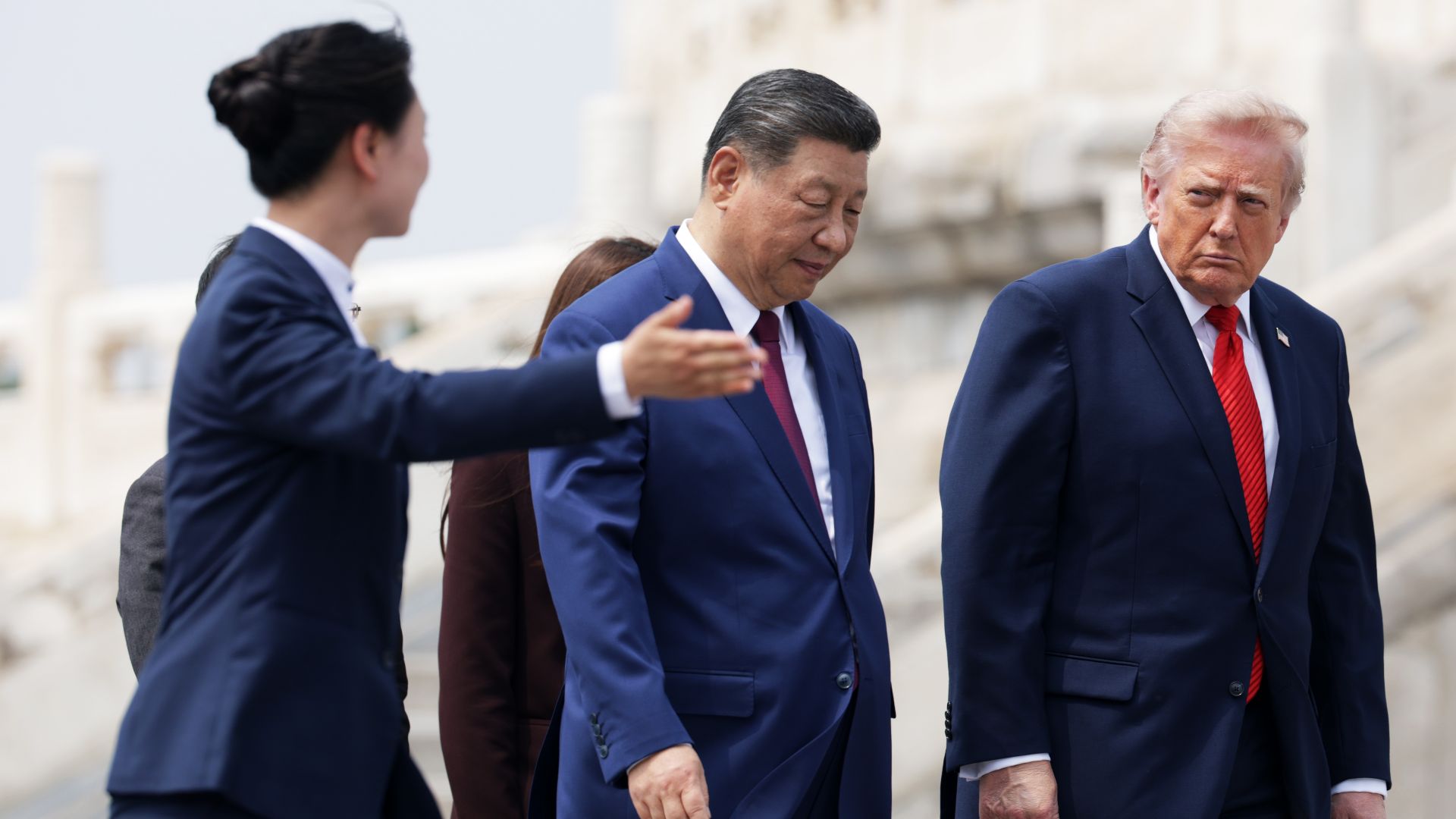
Security arrangements involving American presidents abroad have historically remained extremely sensitive because U.S. Secret Service agents are typically permitted to remain armed while protecting the president during foreign visits. Chinese authorities, however, reportedly insisted that local security protocols governing weapons inside the Temple of Heaven applied equally to all foreign personnel regardless of diplomatic status. The disagreement created a rare public clash between two elite security organizations operating under sharply different protocols and expectations. According to White House pool reporters, discussions between both sides became increasingly heated before negotiators eventually reached a compromise allowing the event to proceed. Neither the White House nor China's Foreign Ministry publicly disclosed the precise terms of the agreement, though the incident immediately intensified speculation regarding underlying distrust between both governments despite the summit's diplomatic objectives.
The historic site
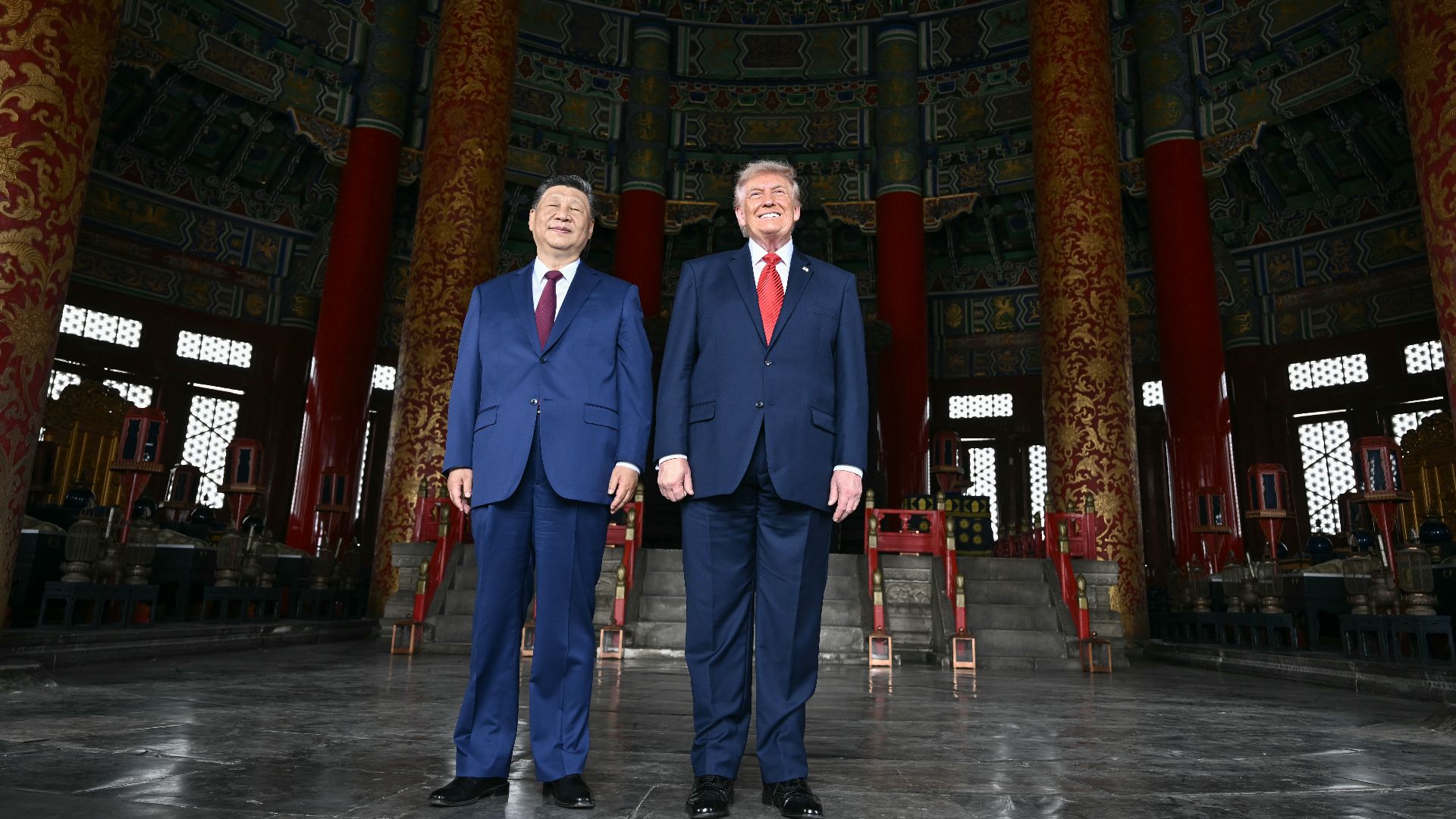
Following the tense opening hours of the visit, Trump and Xi eventually proceeded with a joint cultural tour of the Temple of Heaven before attending an official banquet hosted at Beijing's Great Hall of the People. Trump later described the historic site as «magnificent» while appearing alongside Xi during carefully staged public appearances intended to project diplomatic stability after the earlier disruption. Despite the ceremonial displays, the confrontation between Chinese security officials and American Secret Service agents reinforced the broader atmosphere of suspicion now defining relations between Washington and Beijing. What was originally expected to serve as a symbolic effort to calm months of economic and geopolitical tensions instead opened with an extraordinary security standoff that exposed how fragile the relationship between both superpowers has become behind closed doors.
Created by humans, assisted by AI.
