New poll finds younger Republicans massively turning away from Trump while seniors slowly pull back


/https%3A%2F%2Fcdn-tor.buminteractif.com%2F2026%2F05%2F19175042%2Ftrump-republican-getty-435345.jpg)
«Trump Fatigue» is now sharply dividing the Republican Party by age as younger conservatives disengage from Donald Trump in growing numbers while older voters slowly begin pulling back from their once unwavering loyalty. A new New York Times/Siena College poll conducted from May 11 to 15 among 1,507 registered voters nationwide reveals a Republican coalition increasingly fractured between generations ahead of the 2026 midterm elections. Among Republican voters aged 18 to 44, only 33% now want the next Republican presidential candidate to «follow Trump's lead», while an overwhelming 60% say the party should «move in a new direction.» By contrast, Republicans aged 45 and older still largely remain behind Trump by a margin of 65% to 28%, underscoring how the former president's political survival increasingly depends on an aging base. The numbers mark a dramatic reversal from the post-2024 political landscape, when Trump entered his second term fueled by unprecedented support from younger voters.
Donald Trump's grip on the Republican Party has shifted from a historic high to a period of deep generational fracturing over the course of his second presidency. Following the 2024 election, Trump entered office with a mandate strengthened by major gains among younger voters, particularly younger men frustrated by inflation, housing costs and distrust toward political institutions. Many Republican strategists at the time viewed the shift as evidence that Trump had successfully expanded the party beyond its traditional older conservative base. Throughout early 2025, Trump's support among Republicans appeared nearly untouchable as the party united around his aggressive immigration agenda, tariff policies and expansive executive actions. Political rallies regularly attracted large younger crowds, while conservative media figures celebrated what they described as the emergence of a new generation of nationalist Republican voters aligned with Trump's political movement.
Years of controversy
The political climate began changing dramatically by late 2025 as economic instability and international tensions increasingly dominated public attention. Persistent inflation, rising consumer prices and fuel costs linked to escalating geopolitical conflicts — particularly the administration's military confrontation involving Iran earlier this year — gradually weakened enthusiasm among younger conservatives who had initially embraced Trump as an economic disruptor. Unlike older Republicans, who historically remained loyal through years of controversy, younger voters appeared more willing to disengage once economic frustrations directly affected daily life. Analysts also note that younger conservatives increasingly expressed exhaustion with the administration's constant political turmoil and confrontational governing style. The result has been a rapid collapse in enthusiasm among Republican voters under 45, creating one of the sharpest age divides the party has experienced since Trump first emerged as its dominant political figure nearly a decade ago.
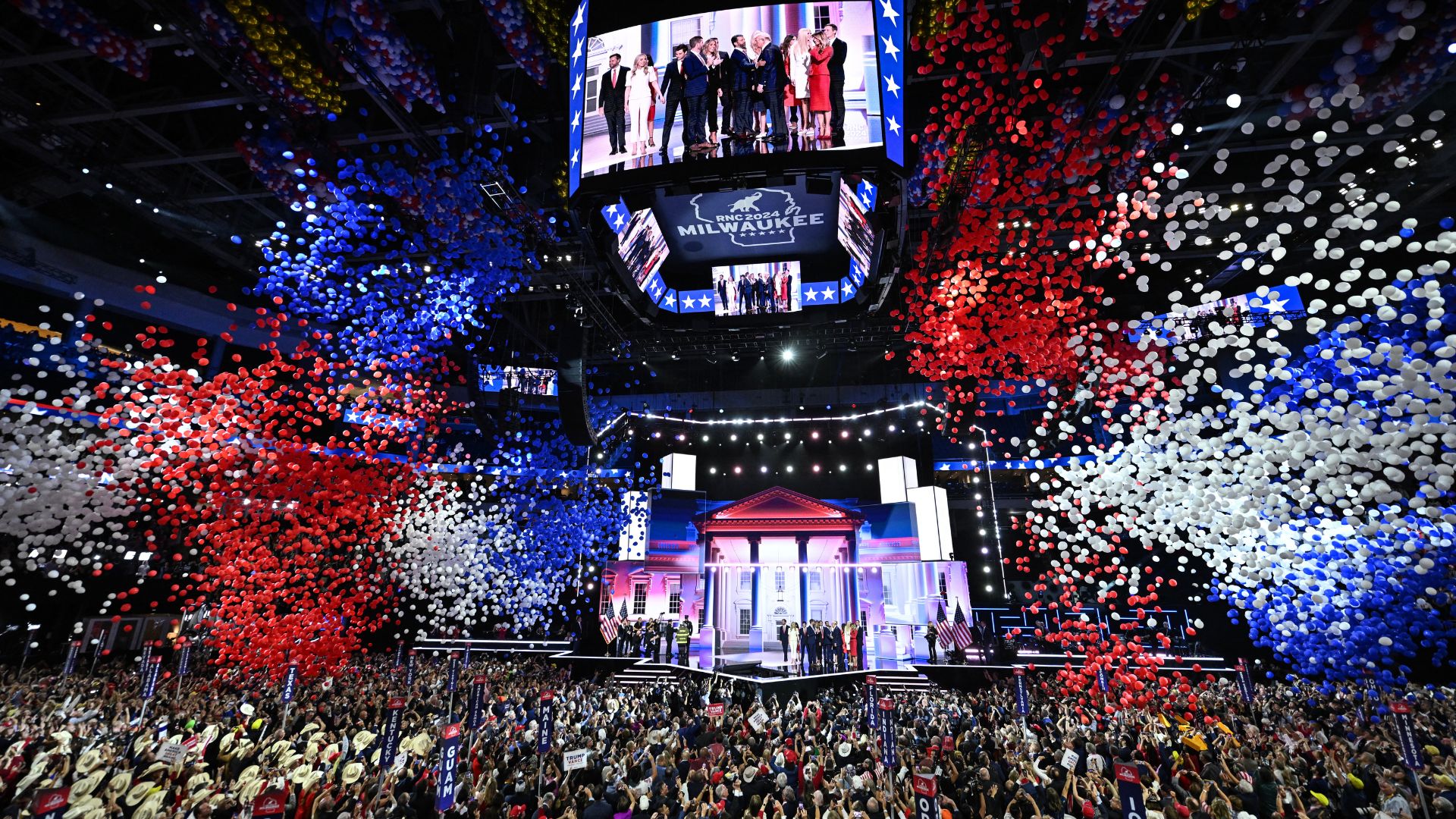
While younger Republicans are turning away at accelerating speed, the New York Times/Siena polling suggests older conservatives still remain Trump's strongest political firewall despite growing signs of erosion. Among Republicans aged 45 and older, 65% continue supporting candidates who would «follow Trump's lead», compared to only 28% who prefer «a new direction.» Yet even inside that demographic, support appears weaker than during the opening months of Trump's second term. Political observers increasingly point to fatigue among suburban conservatives and moderate older Republicans unsettled by ongoing economic uncertainty and repeated foreign policy crises. Columbia University political scientist Robert Y. Shapiro recently told Newsweek that Trump's declining numbers reflect «economic disappointment» as well as «the disruption and even chaos in his and his administration's words and deeds.» Those concerns are becoming increasingly visible among older Republican voters who once formed the most reliable pillar of the MAGA coalition.
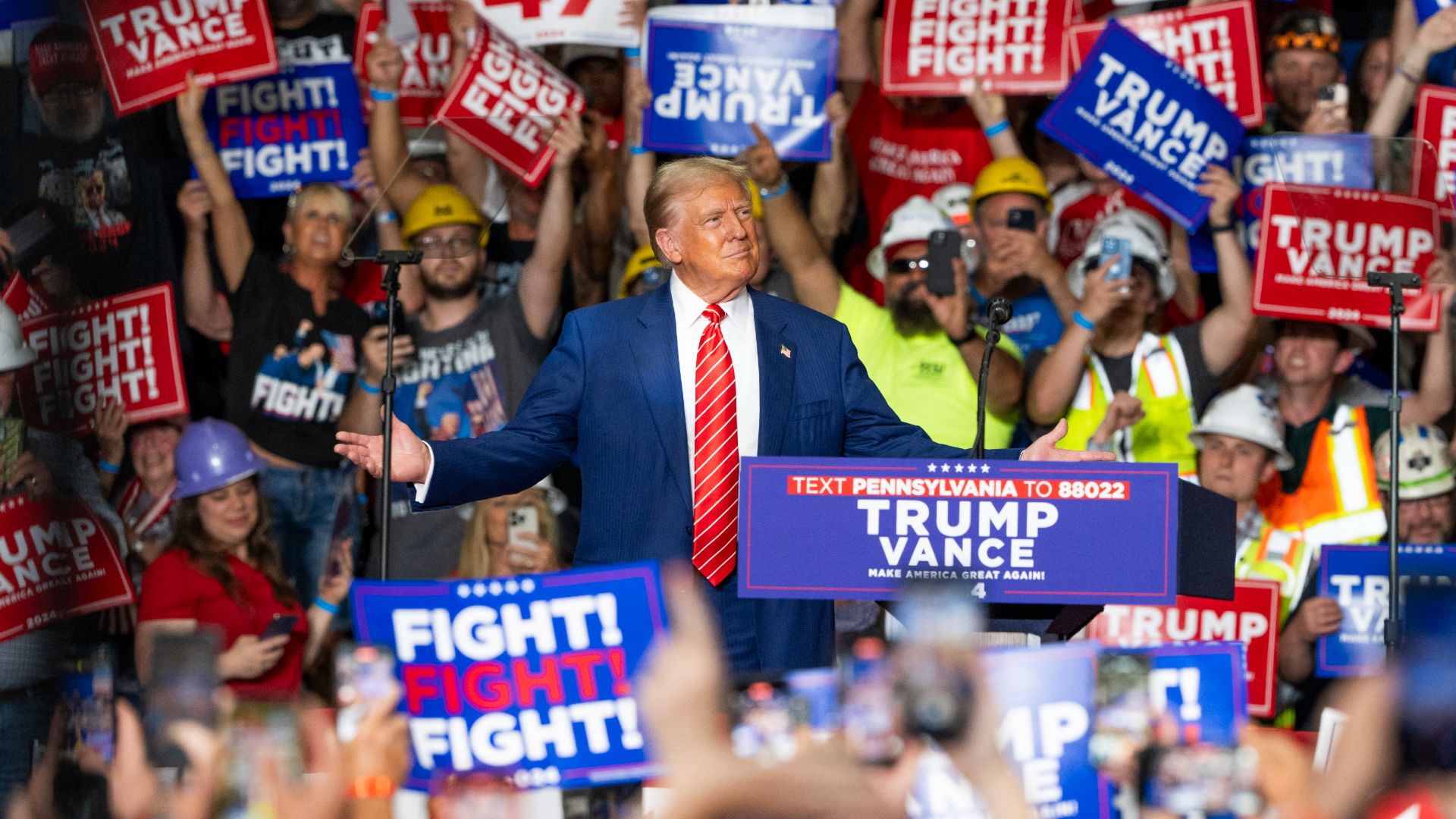
The poll also reveals that Republican voters remain strongly aligned with Trump's positions on several major policy issues even as personal enthusiasm surrounding his leadership weakens. On immigration, 77% of potential Republican supporters said they want the next Republican candidate to «follow Trump's lead», making it by far the strongest issue sustaining his influence within the party. Support remains solid on tariffs at 62%, Iran policy at 59%, Russia at 58% and Israel at 56%, suggesting Trump's ideological impact on the Republican Party remains deeply entrenched. However, strategists increasingly warn that agreement on policy no longer guarantees enthusiasm for Trump himself, particularly among younger conservatives seeking a less chaotic political figure capable of advancing similar priorities without the constant controversies that have defined Trump's presidency. This disconnect between ideological loyalty and leadership fatigue is becoming one of the central tensions shaping Republican politics heading into the 2026 midterms.
The future of the Republican Party
The growing generational fracture now threatens to reshape the future identity of the Republican Party itself. Trump still commands enormous influence over the party's platform, voter base and political messaging, but the latest polling suggests his leadership is no longer serving as a unifying force across generations. Instead, the Republican coalition increasingly appears divided between older loyalists determined to preserve the MAGA movement and younger conservatives searching for an alternative future beyond Trump. The New York Times/Siena poll found that Republican-leaning independents already favor «a new direction» over following Trump's lead by a margin of 55% to 40%, highlighting additional vulnerabilities outside the party's core base. As Republicans move closer toward the 2026 midterms, the data increasingly suggests that «Trump Fatigue» is no longer limited to political opponents or independents. It is becoming an internal Republican crisis that could define the party's direction long after Trump leaves the political stage.
Created by humans, assisted by AI.
