

/https%3A%2F%2Fcdn-tor.buminteractif.com%2F2026%2F05%2F19191029%2Fus-canada-defense-getty346345.jpg)
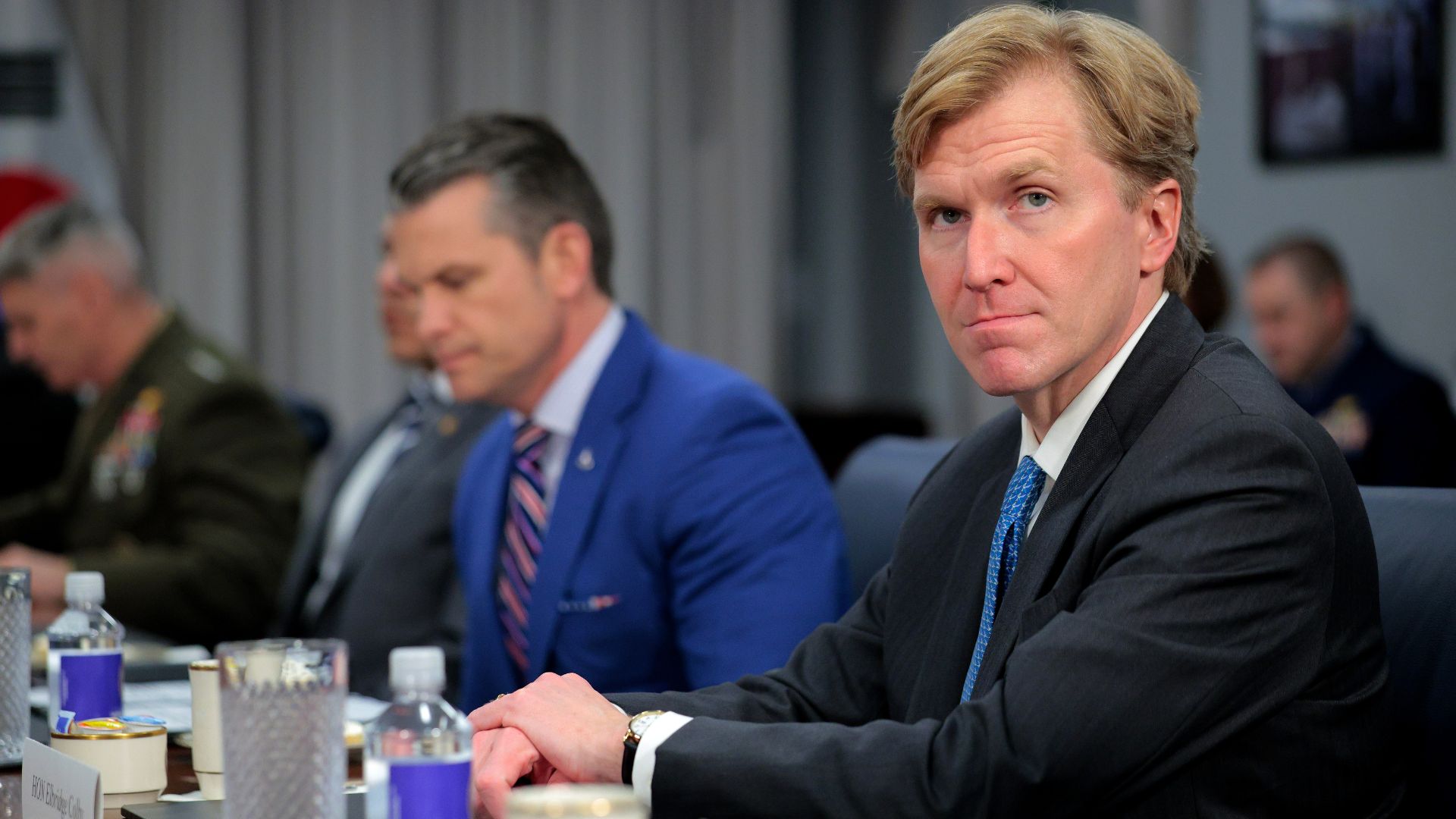
The Trump administration has intensified pressure on Canada's defense policies after the Pentagon announced it was suspending participation in the Permanent Joint Board on Defense, a bilateral advisory body that has coordinated continental military cooperation between Ottawa and Washington since 1940. The move comes as senior U.S. officials accuse Canada of failing to make «credible progress» on defense commitments despite repeated warnings from the White House over military spending and North American security modernization. In a lengthy statement posted on X, U.S. Under Secretary of Defense Elbridge Colby wrote: «A strong Canada that prioritizes hard power over rhetoric benefits us all.» He continued: «Unfortunately, Canada has failed to make credible progress on its defense commitments.» Colby added that the Department of Defense was «pausing the Permanent Joint Board on Defense to reassess how this forum benefits shared North American defense» while warning that «we can no longer avoid the gaps between rhetoric and reality.»
Prime Minister Mark Carney attempted to downplay the significance of the Pentagon's decision while acknowledging the increasingly tense state of defense relations between the two countries. Responding to reporters following the announcement, Carney stated: «It has a long heritage but I wouldn't overplay the importance of this.» He added: «We have many aspects of very close defence co-operation with the United States» and emphasized that «There's lots of co-operation we will continue to do so.» Behind the public calm, however, relations between Ottawa and Washington have entered one of their most strained periods in decades as the Trump administration aggressively pushes allies to dramatically increase military spending while linking continental security cooperation to broader economic and geopolitical negotiations. The suspension of the board is widely viewed by analysts as a symbolic warning from Washington that traditional defense partnerships can no longer be separated from Trump's broader «America First» strategy.
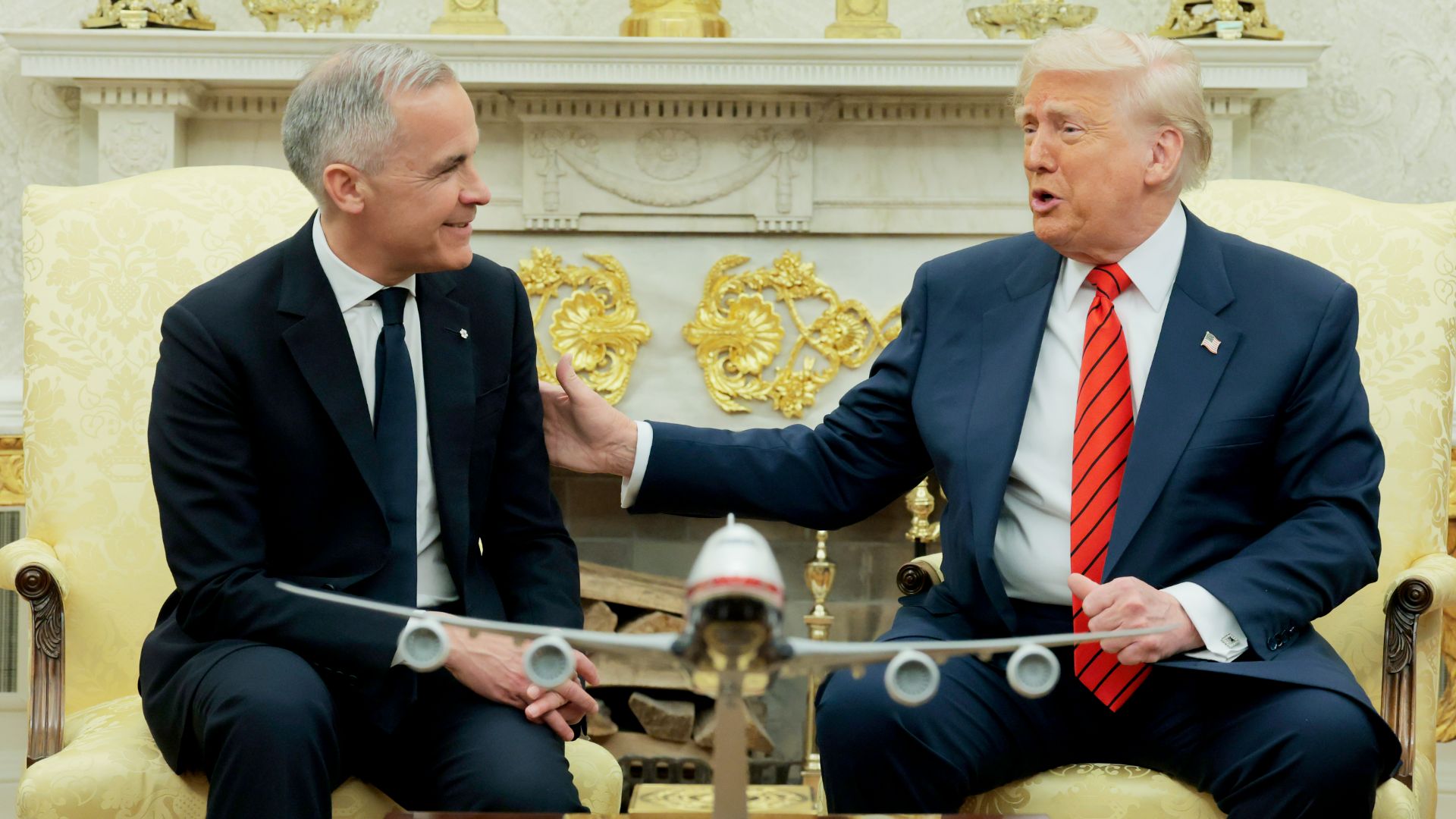
At the center of the dispute is President Donald Trump's proposed «Golden Dome» missile defense initiative, an ambitious multi-layered continental defense shield expected to include space-based interceptors and expanded North American surveillance systems. Trump has repeatedly pressured Canada to contribute financially to the project, publicly suggesting Ottawa could face consequences if it refuses to pay what he calls its «fair share.» According to multiple U.S. officials and Canadian government sources, discussions surrounding the program have included potential Canadian contributions estimated between US$61 billion and US$71 billion over the coming decades. Trump has also reignited controversy by joking publicly that Canada could become the «51st state» if it wanted guaranteed American protection under the system. Carney has confirmed that «high-level» discussions remain ongoing between both governments but has resisted attaching any formal financial commitment to participation while Canada simultaneously explores independent modernization projects tied to NORAD and Arctic security.
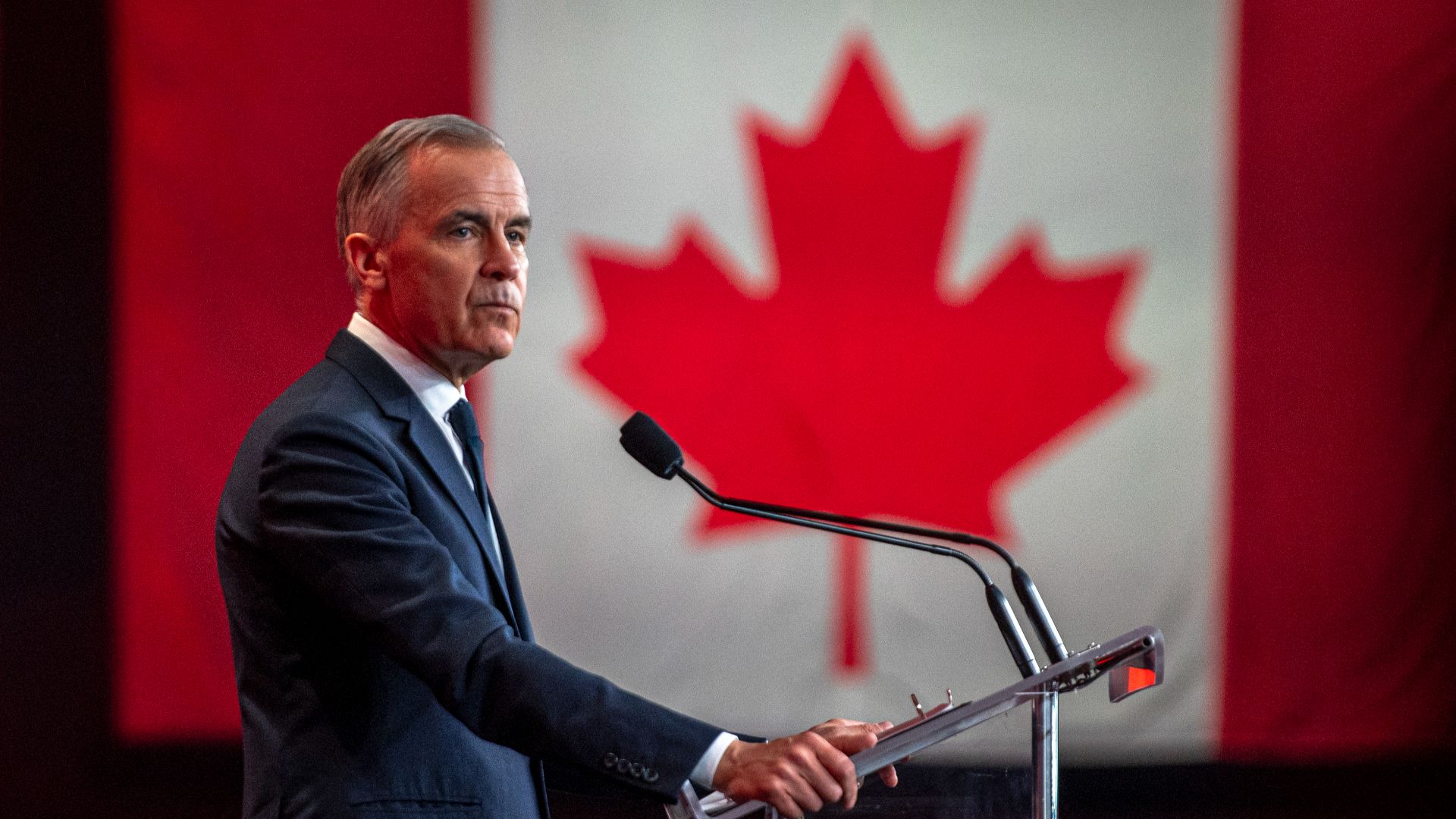
The defense tensions are unfolding despite Canada recently achieving one of Washington's longstanding demands regarding NATO spending. In March, Ottawa officially reached the alliance benchmark of spending 2% of GDP on defense for the first time in decades, with annual military expenditures now surpassing $63 billion. However, the Trump administration and several NATO allies have already shifted focus toward a far more aggressive target agreed upon during the 2025 NATO summit in The Hague, where members endorsed a long-term objective of reaching 5% of GDP on defense by 2035. Canada has attempted to accelerate progress by broadening what counts under defense spending, including integrating Coast Guard operations and increasing military salaries within official calculations. Nevertheless, U.S. officials continue arguing that Canada remains overly dependent on American military protection while moving too slowly on procurement, Arctic defense and continental modernization initiatives.
«I wouldn't overplay the importance of this.»
-Prime Minister of Canada, Mark Carney
Beyond the symbolic suspension of the defense board, the broader relationship between Ottawa and Washington has become increasingly confrontational across multiple fronts. The Trump administration recently imposed new tariffs reaching 35% on several categories of Canadian goods, intensifying an already expanding trade dispute between the two countries. Analysts note that defense pressure and trade policy are now becoming increasingly interconnected under Trump's negotiating strategy. Canadian officials privately fear that military cooperation mechanisms once considered untouchable are increasingly being leveraged as political tools to extract economic and strategic concessions from allies. Elbridge Colby reinforced that message in his public statement, writing: «Delivering on shared continental defense begins by recognizing our shared geography. Only by investing in our own defense capabilities will Americans and Canadians be safe, secure, and prosperous.» The language reflects a growing shift inside Washington toward transactional defense partnerships where traditional diplomatic assumptions are being replaced by demands for measurable military and financial contributions.
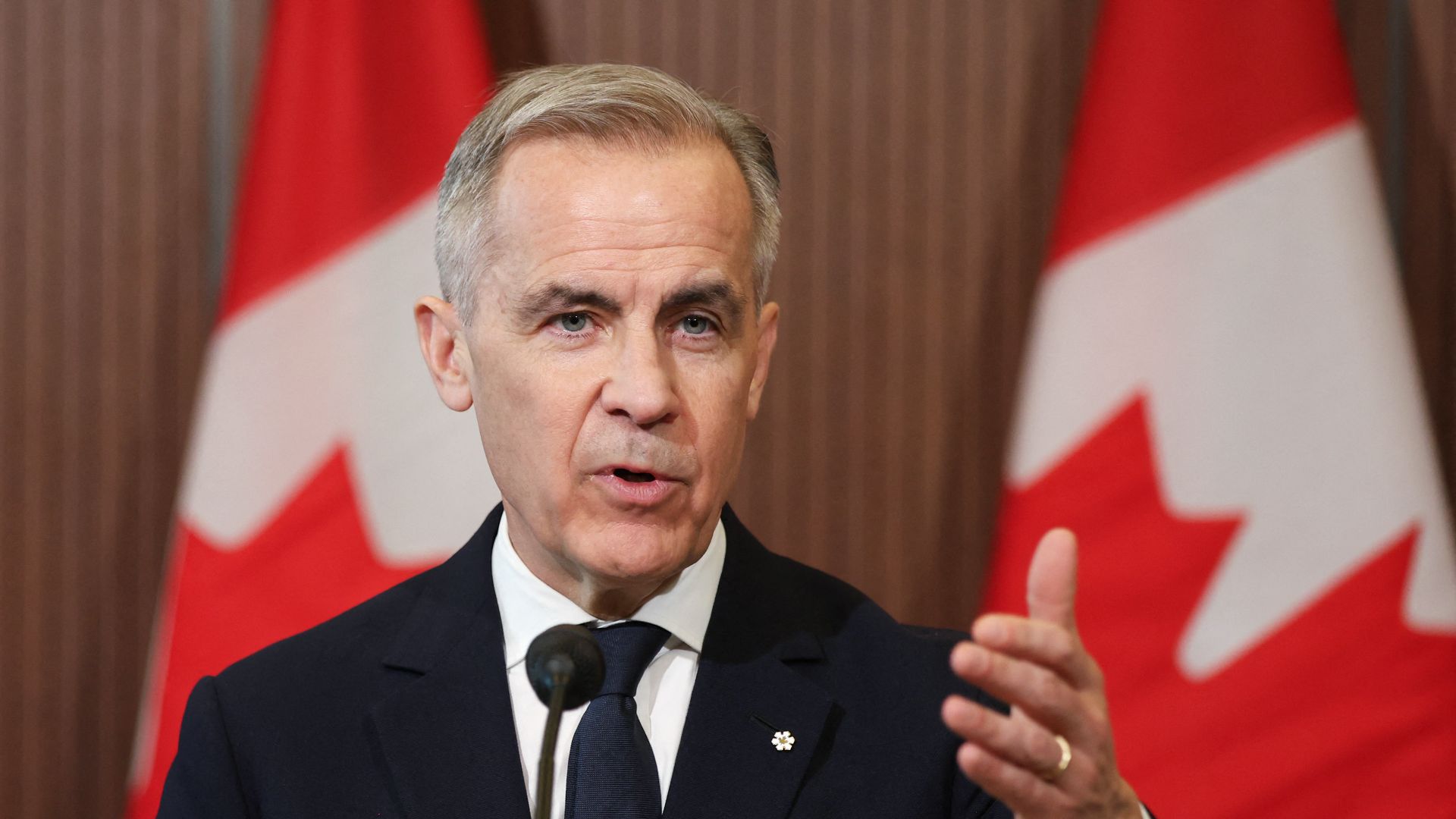
Despite the escalating tensions, Canada continues moving forward with several major modernization projects intended to strengthen continental defense and reduce pressure from Washington. Ottawa recently announced a $6 billion investment in Over-the-Horizon Radar systems developed in partnership with Australia as part of a broader effort to modernize NORAD surveillance capabilities in the Arctic. The government has also launched a procurement process aimed at acquiring up to 12 new submarines to reinforce coastal and northern security while creating a new defense investment agency with a $103 million budget designed to accelerate military purchasing for large-scale projects. Still, political observers warn that the suspension of the Permanent Joint Board on Defense marks a historic low point in institutional cooperation between the United States and Canada. While Carney publicly insists the decision should not be exaggerated, the Pentagon's move underscores how rapidly North American defense relations are being reshaped under Trump's increasingly confrontational approach toward allies traditionally considered among Washington's closest strategic partners.
Created by humans, assisted by AI.
