Police Uncover 90 Kg of Cocaine in Truck Loaded With Kim Kardashian Skims Merchandise


/https%3A%2F%2Fcdn-tor.buminteractif.com%2F2026%2F05%2F20195012%2Fkim-k-getty-23453gddgf.jpg)
A major drug bust involving a vehicle carrying Kim Kardashian's Skims products ended with a Polish truck driver being sentenced to more than 13 years in prison in the United Kingdom after authorities uncovered 90 kilograms of cocaine hidden among merchandise shipments. Jakub Jan Konkel, 40, was sentenced in the London area after investigators determined he smuggled millions of dollars worth of cocaine into Britain inside a heavy goods vehicle transporting 28 pallets of Skims merchandise from the Netherlands. Border Force officers stopped Konkel at the Port of Harwich in Essex after he arrived on a ferry crossing from mainland Europe. During an extensive inspection of the vehicle, officers discovered 90 one-kilogram packages of cocaine concealed within the cargo. Authorities estimated the drugs carried a street value of approximately £7.2 million, or nearly $9.6 million in the United States.
The seizure quickly became one of the most high-profile cross-border narcotics cases linked to a commercial retail shipment in recent months because of the connection to Kardashian's globally recognized Skims brand. British prosecutors told the court that the cocaine haul represented a significant attempt to move Class A drugs into the country using legitimate consumer goods as cover. Investigators said Konkel had traveled from the Netherlands to the United Kingdom carrying the shipment when border staff identified suspicious irregularities during screening procedures at Harwich International Port. Officers then conducted a detailed search of the truck and located the tightly wrapped cocaine packages hidden among the merchandise pallets. Authorities later stated the quantity involved suggested the operation was connected to an organized drug trafficking network operating across Europe.
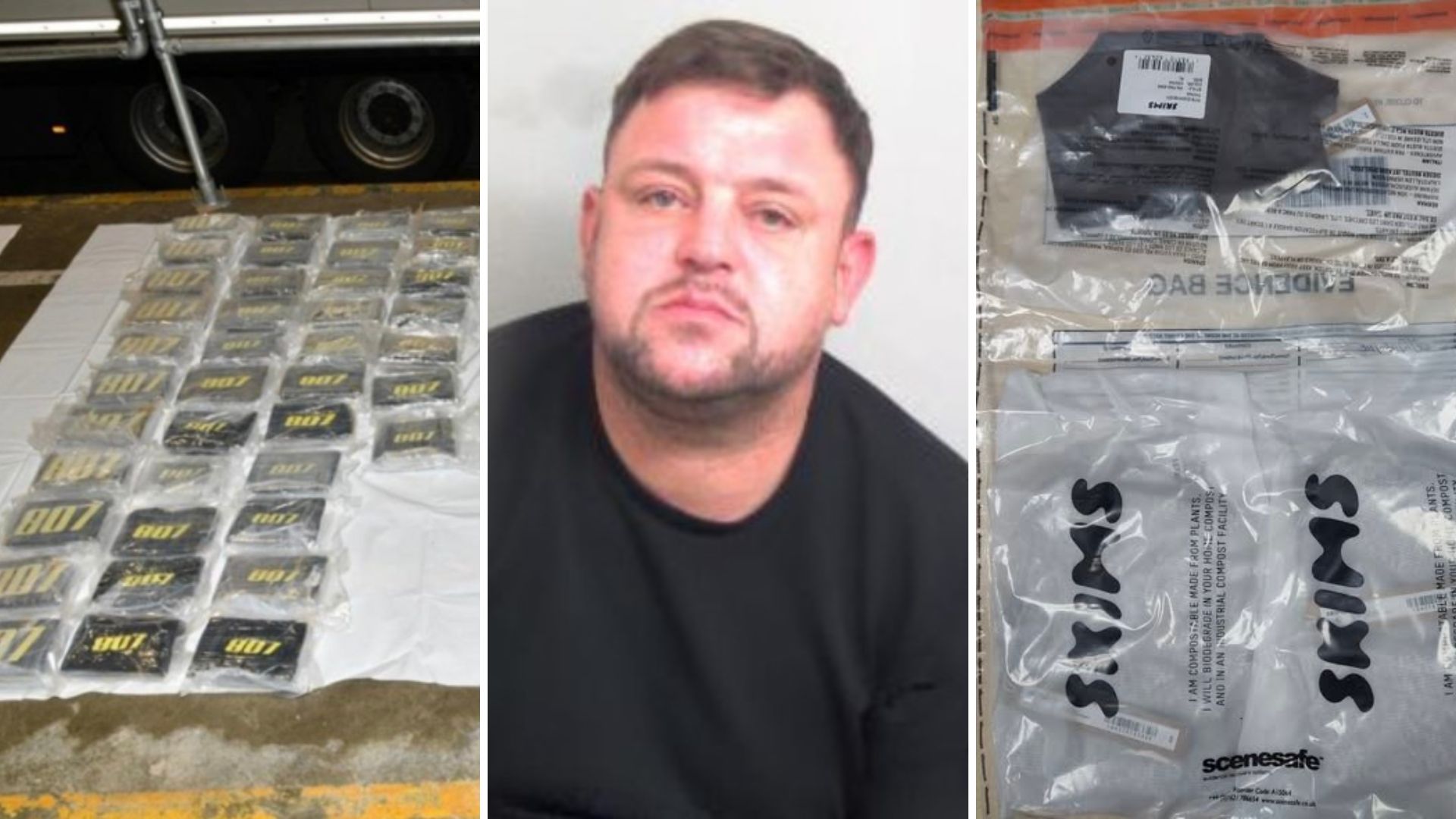
According to details reported by the BBC during the investigation and trial proceedings, Konkel was paid £3,918, approximately $5,268, to transport the cocaine shipment into the United Kingdom. Prosecutors argued the payment alone undermined his later claims that he had no knowledge drugs were hidden inside the truck. Investigators also discovered a separate cellphone inside the vehicle that was allegedly linked directly to the drug supply network coordinating the smuggling operation. Court documents revealed the device had been configured to automatically wipe its contents after 18 hours, a detail prosecutors cited as evidence of deliberate criminal planning. Officials told the court that encrypted communications and logistical coordination connected to the device played a significant role in disproving Konkel's defense that he was an unwitting courier.
13 years in prison
Konkel attempted to argue during the proceedings that he believed he was merely transporting legitimate retail cargo and had no direct awareness cocaine was concealed inside the shipment. Prosecutors, however, rejected that explanation and pointed to multiple suspicious circumstances uncovered during the investigation. In addition to the burner-style cellphone discovered in the truck, investigators cited inconsistencies in Konkel's statements and details surrounding the transport arrangement itself. British authorities also emphasized the unusually large quantity of narcotics involved and the sophisticated concealment methods used within the cargo load. During sentencing, the court concluded that Konkel knew about the cocaine operation directly. The judge ultimately sentenced him to more than 13 years in prison for importing Class A drugs into the United Kingdom.
A major international company
The case also highlighted growing concerns among European law enforcement agencies about criminal organizations using commercial supply chains and legitimate retail distribution systems to move narcotics across borders. British border officials have repeatedly warned that traffickers increasingly conceal cocaine, heroin and synthetic drugs inside ordinary consumer shipments to avoid detection during customs inspections. The use of branded merchandise cargo linked to a major international company like Skims attracted additional public attention because it demonstrated how organized crime groups attempt to blend illegal products into standard international trade routes. Authorities did not accuse Kim Kardashian, Skims or company employees of involvement in the smuggling operation, and investigators treated the merchandise shipment itself as an unwitting cover used by traffickers attempting to bypass border enforcement systems.
Large-scale drug shipments
The sentencing closed a months-long investigation involving Border Force officers, customs officials and organized crime specialists working across multiple jurisdictions. Officials praised the actions of the border staff at Harwich who intercepted the truck before the drugs entered wider distribution networks across Britain. Law enforcement authorities noted that the seizure prevented millions of pounds worth of cocaine from reaching the streets and potentially fueling violent criminal activity connected to the narcotics trade. The case also reinforced concerns surrounding the role of international ferry crossings between the Netherlands and the United Kingdom, routes that authorities say continue to be heavily targeted by trafficking organizations attempting to move large-scale drug shipments into Britain. As European authorities continue cracking down on smuggling networks, investigators warned that traffickers are becoming increasingly sophisticated in exploiting commercial transport operations and retail supply chains.

Created by humans, assisted by AI.
