

/https%3A%2F%2Fcdn-tor.buminteractif.com%2F2026%2F05%2F22184223%2FCreation-sans-titre-352.jpg)
Inflation rose in April. It stood at 2.8% in Canada and 3.0% in Quebec, a rise mainly attributable to gasoline prices.
In Canada, this 2.8% price increase was higher than in March (2.4%). However, it remained below economists' expectations. They had predicted a sharper rise in prices and suggested that inflation could exceed the 3% mark, according to a Reuters survey.
However, this 2.8% rate marks the highest level of inflation in nearly two years in the country, according to Statistics Canada.
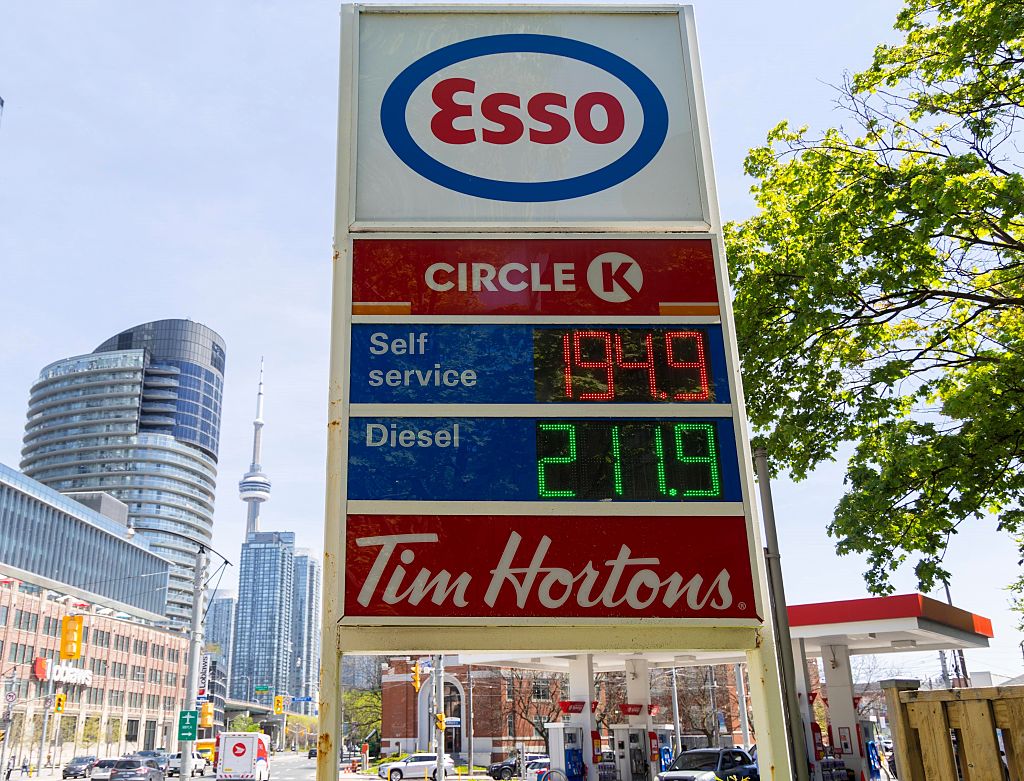
Excluding gasoline, inflation in April would have been 2%. Due to the conflict in the Middle East, which has disrupted global oil shipments, and the switch to more expensive summer gasoline blends at gas stations, the price of gasoline is up 28.6% compared to a year ago. The price of heating oil has risen by more than 40%.
Thanks to Ottawa's decision to suspend the excise tax on fuels on April 20, inflation has slowed. This measure reduces the price of a liter of regular gasoline by about 10 cents and a liter of diesel by 4 cents. It is expected to remain in effect until Labor Day.
In Quebec, the 3% inflation rate in April represents a slight increase compared to the 2.9% rate in March. Price growth accelerated in nine provinces in April compared to March.
Nationally, prices for clothing and footwear rose by 2% in April, following a 0.4% decline in March.
Food price inflation slowed, dropping from 4% in March to 3.5% in April. Rent inflation also declined. “Nationally, rent prices rose at a slower year-over-year pace in April (3.6%) compared to March (4.2%). Despite the slowdown, rent prices rose by 30.8% from April 2021 to April 2026,” Statistics Canada notes.
Package tour prices fell by 11%. According to the federal agency, package tour prices typically decline in April following increased demand in February and March.
The core inflation measures tracked by the Bank of Canada did not rise, which should reassure central bank officials in their decision to keep the key interest rate at 2.25%, reports La Presse.
The Bank of Canada, however, expects inflation to continue accelerating and says it is prepared to raise interest rates to keep prices under control. Statistics Canada's April price report is the last one the Bank of Canada will consider before making a decision on interest rates on June 10.
In its last four decisions, the central bank has kept its key interest rate at 2.25%.
