

/https%3A%2F%2Fcdn-tor.buminteractif.com%2F2026%2F06%2F16184726%2FTrump-carney-g7-getty464564hf435345.jpg)
The auto-sector trade fight between U.S. President Donald Trump and Canadian Prime Minister Mark Carney returned to the spotlight at the G7 summit in Évian-les-Bains after the two leaders appeared to be caught on a hot mic discussing Canada's agreement with China to allow a limited number of Chinese-made electric vehicles into the Canadian market. The exchange came after months of tension over Trump's 25% tariffs on Canadian-assembled vehicles, Canada's countermeasures and Ottawa's decision to reduce tariffs on Chinese EVs as part of a broader trade arrangement with Beijing. The deal allows up to 49,000 Chinese-made electric vehicles into Canada annually at a reduced tariff rate, a move Carney has defended as limited, controlled and consistent with Canada's trade obligations.
The Canada-China agreement marked a sharp shift in Ottawa's trade posture after years of strained relations with Beijing and growing pressure from Washington. Under the arrangement, Canada reduced its 100% tariff on Chinese electric vehicles to 6.1% for an initial quota of 49,000 vehicles, while China agreed to ease tariffs on Canadian agricultural exports, including canola. The deal was framed by Ottawa as a way to protect Canadian exporters, restore access to the Chinese market and diversify trade options at a time when the United States has been using tariffs more aggressively. Critics in Canada and the United States, however, warned that the agreement could expose the North American auto sector to cheaper Chinese competition and complicate relations with Washington.
«That's good, I like it.»
– U.S. President, Donald Trump
Trump initially appeared to offer a measured response after the Canada-China agreement was announced, telling reporters that Carney was entitled to sign trade deals that served Canadian interests. «That's what he should be doing. It's a good thing for him to sign a trade deal,» Trump said. But his tone soon shifted sharply. In later online remarks, Trump attacked the agreement as a «disaster» and «one of the worst deals, of any kind, in history,» accusing Canada of giving Chinese automakers a back door into North America while the United States was working to block them. He warned that Canada could face 100% U.S. tariffs if it became a loophole for cheap Chinese goods entering the American market.
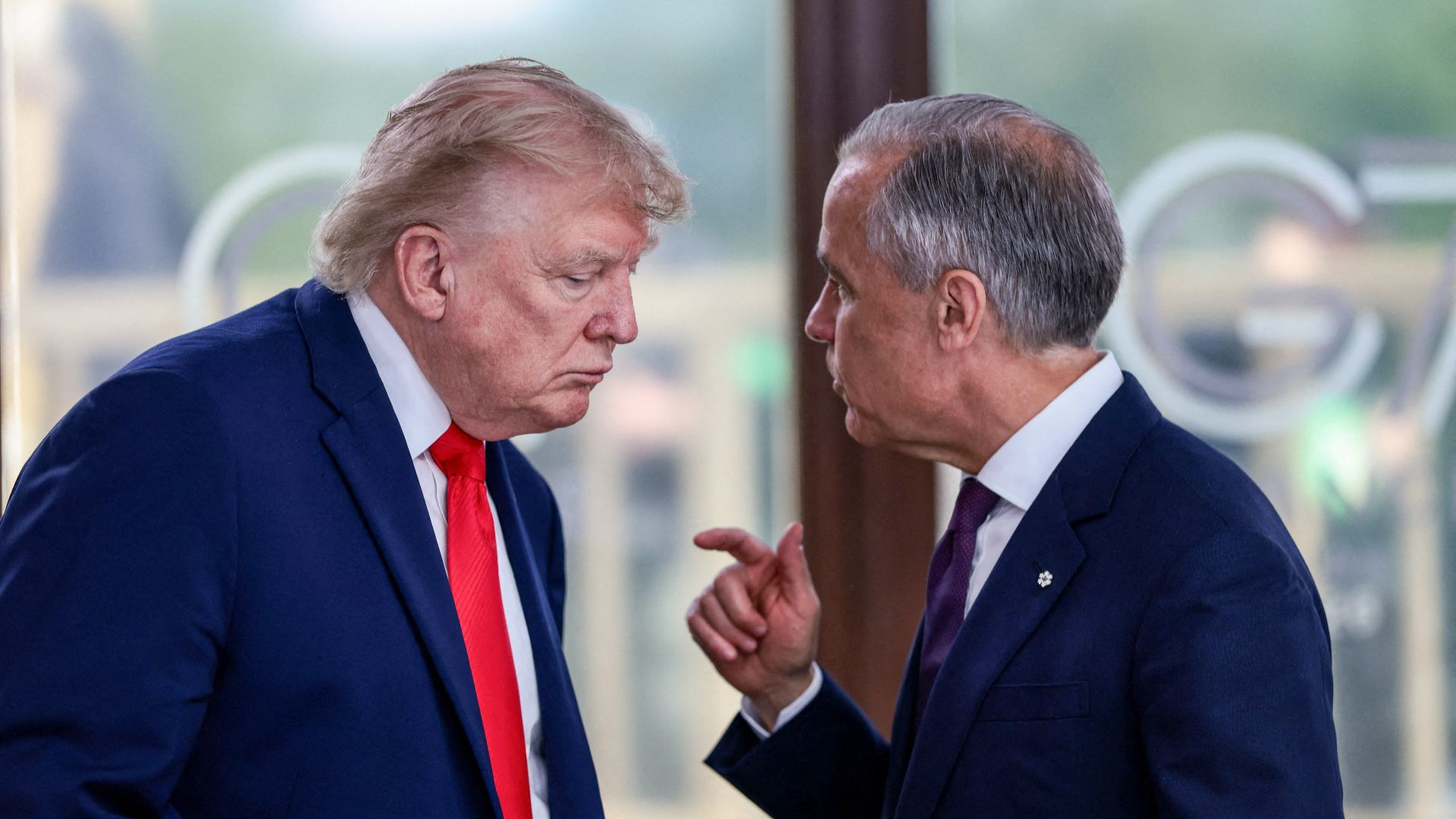
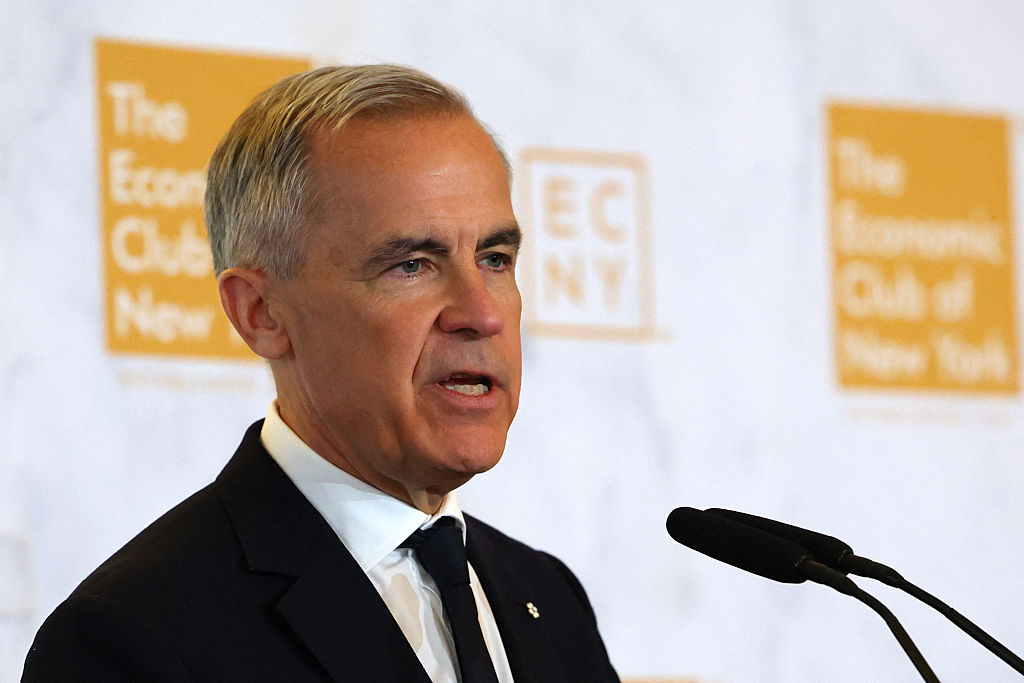
The tension resurfaced in France when a microphone captured what appeared to be a candid exchange between the two leaders during the G7 summit. Carney leaned toward Trump and appeared to explain that the Chinese EV arrangement was tightly capped, using a hand gesture to emphasize the limit. He told Trump that the 49,000 vehicles represented «less than three per cent of our market,» portraying the agreement as a narrow exception rather than a full opening to Chinese automakers. Carney then appeared to tell Trump: «I thought you'd actually like that.» Trump, listening closely, responded more positively than he had in his earlier public attacks, saying: «That's good, I like it.»
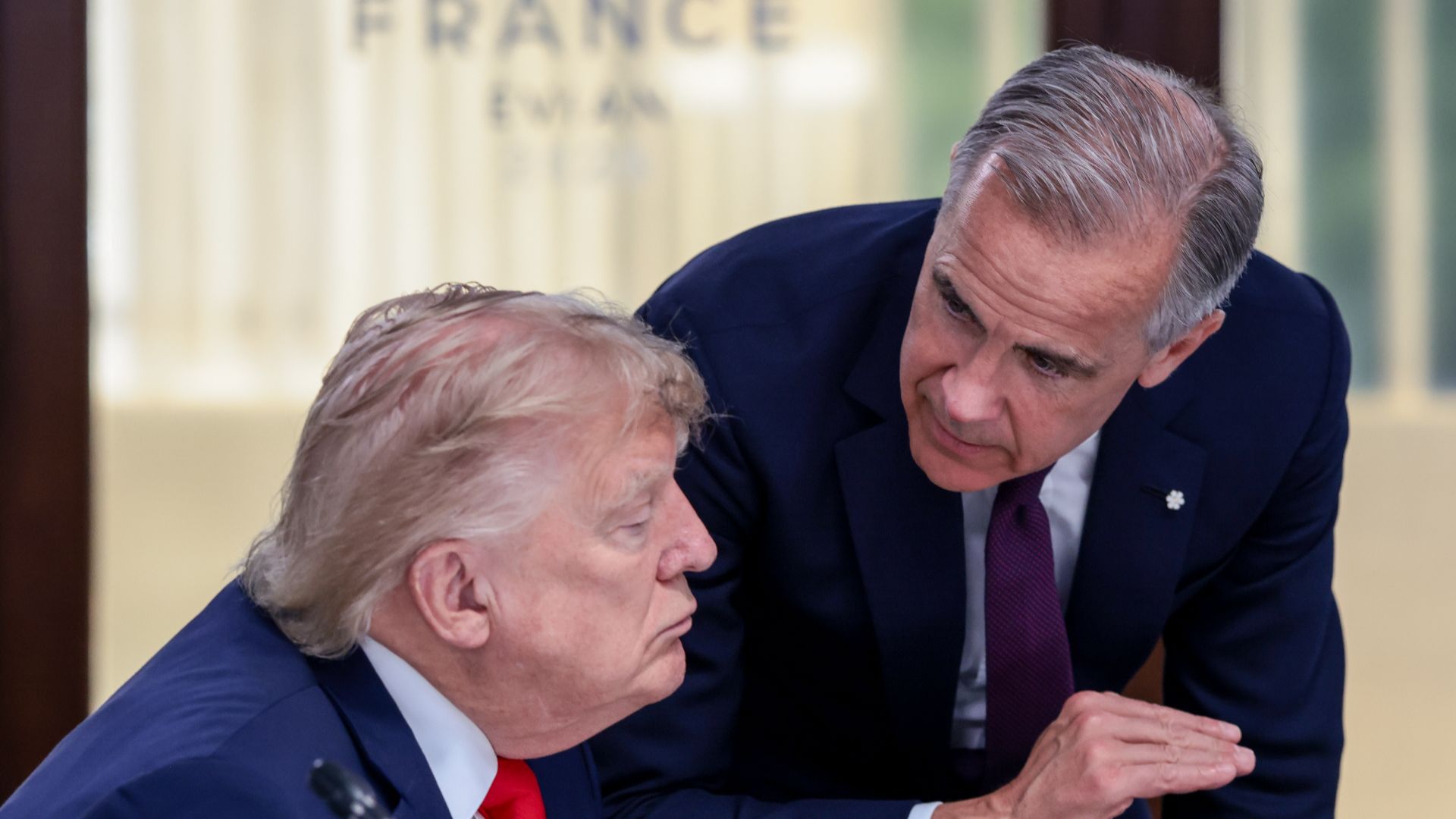
The hot mic moment highlighted the contrast between Trump's public threats and the more detailed private explanation offered by Carney. Canada has argued that the agreement does not create a free trade arrangement with China and does not violate the Canada-United States-Mexico Agreement. Carney has said the measure is limited to a controlled import quota and tied to concessions for Canadian agricultural exporters, rather than a broad realignment away from North America. Trump, however, has repeatedly warned that he will use tariffs to prevent Chinese goods from reaching the U.S. market through allied countries. His broader trade strategy has relied on punishing tariffs, public warnings and pressure on partners to align more closely with Washington's China policy.
«I thought you'd actually like that.»
-Canadian Prime Minister, Mark Carney
The dispute underscores the growing difficulty of balancing North American trade integration with national economic strategy. Canada's auto sector remains deeply tied to the United States, but Ottawa is also trying to protect exporters and expand options as Trump's tariff policies create new uncertainty. The G7 exchange suggested that Carney is attempting to reassure Trump that the EV deal is limited enough not to threaten U.S. interests, while still defending Canada's right to make its own trade decisions. The issue is likely to remain sensitive as Washington watches whether Chinese manufacturers try to use Canada as an entry point into North America and as Canada seeks to manage pressure from both Beijing and the White House.
Created by humans, assisted by AI.
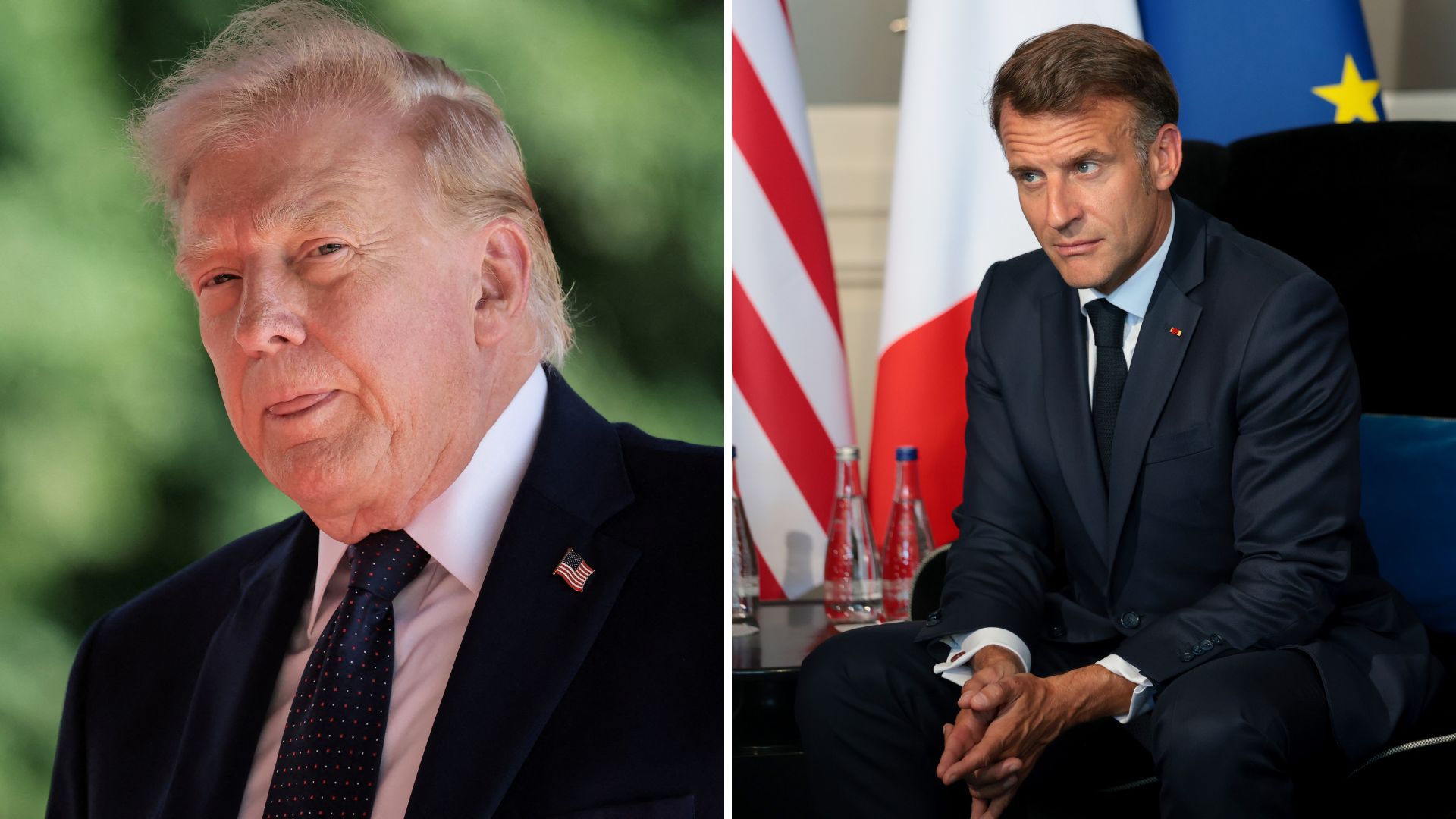 Trump's 100% wine tariff threat sparks clash with Macron as G7 opens
 What is Mark Carney's new AI strategy?