

/https%3A%2F%2Fcdn-tor.buminteractif.com%2F2026%2F06%2F17173544%2Frfk-jr-hantavirus-getty3456345.jpg)
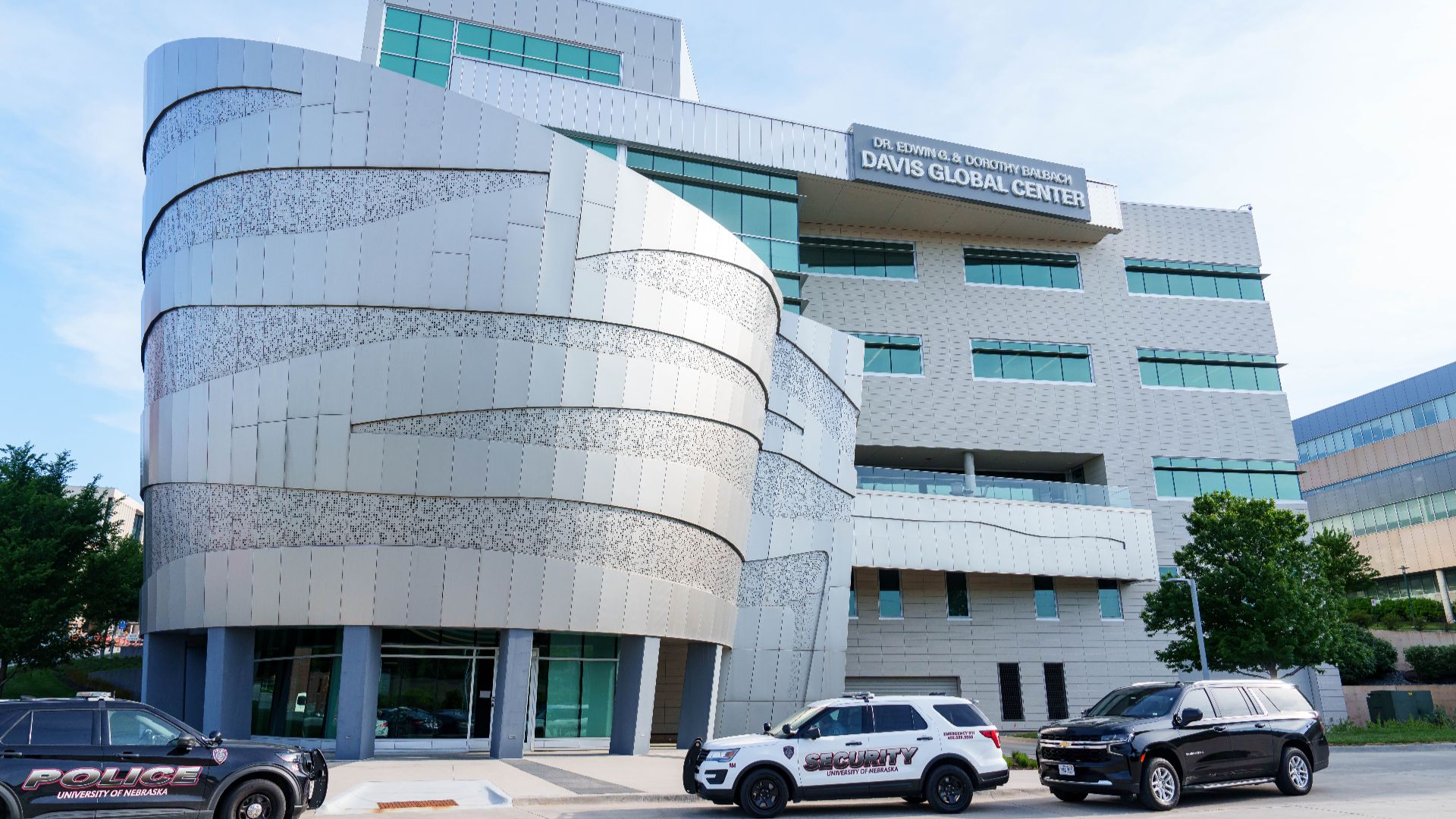
A Florida woman quarantined after traveling aboard the cruise ship linked to a hantavirus outbreak is accusing Health and Human Services Secretary Robert F. Kennedy Jr. of keeping her «hostage» despite recommendations that she could complete her quarantine at home. Angela Perryman, one of 18 American passengers placed under monitoring after returning to the United States in May, says federal officials have refused to release her from the National Quarantine Unit at Nebraska Medical Center even though medical experts at the facility reportedly determined that home quarantine could be safely managed. Speaking to CNN from the Nebraska facility, Perryman described herself as caught in what she believes is «a state-federal spat» and added that «and I'm just a hostage.»
The dispute has emerged as one of the most controversial cases tied to the federal response following the cruise ship outbreak. While several passengers voluntarily chose to remain at the Nebraska facility throughout the entire 42-day quarantine period, most were allowed to continue their monitoring from home under the supervision of local public health authorities. Perryman argues that she should have been granted the same opportunity. According to her account, doctors overseeing her case indicated that she could leave the facility if the Florida Department of Health agreed to assume responsibility for monitoring her condition and established a plan for hospital care should her health deteriorate. She maintains that those conditions were met and that continued confinement is therefore unjustified.
«In the absence of proper home monitoring by state authorities the Administration's quarantine order is necessary to ensure both Ms. Perryman's and her community's wellbeing.»
-A spokesperson for the Department of Health and Human Services
Under the original timeline, Perryman's quarantine was expected to conclude on May 31. However, according to reports, the Centers for Disease Control and Prevention later extended the quarantine period until June 21. The extension became even more contentious when Kennedy signed an order requiring her continued isolation at the federal facility. In the written determination, Kennedy stated that «continuation of the order is necessary to protect public health.» The order further noted: «Having considered the medical reviewer's findings and recommendation and the evidence in the administrative record, I find that the requirements for Federal quarantine continue to be met.» The decision effectively overruled efforts to transfer Perryman's monitoring responsibilities away from the Nebraska facility.
Federal health officials have defended the decision, arguing that the issue is not Perryman's health status alone but whether state authorities have provided adequate safeguards for ongoing monitoring. A spokesperson for the Department of Health and Human Services said the federal government determined that Florida had failed to present a sufficient plan for continued oversight. The spokesperson stated: «In the absence of proper home monitoring by state authorities» the continued quarantine order remained necessary. The statement further explained that «the Administration's quarantine order is necessary to ensure both Ms. Perryman's and her community's wellbeing.» Officials have emphasized that the federal government retains authority to impose quarantine restrictions when it believes public health remains at risk.
Perryman has sharply challenged those explanations, arguing that authorities have failed to provide a convincing scientific justification for keeping her confined. She said she would have accepted additional restrictions if federal officials had clearly demonstrated that doing so served a legitimate public health purpose. Speaking about the process, she said: «If it had been from the beginning that ‘this is the reason that we need to do this, and there is an actual scientific justification,' then that would have been OK.» She continued by arguing that the lack of transparency has fueled her frustration with the situation. «If there was a scientific reason for this, if I could see that, yes, this actually does further public health,» she said, «I would have agreed.»
«At this point, it's just a state-federal spat, and I'm just a hostage.»
-Angela Perryman
The case has reignited debate over the scope of federal quarantine powers and the balance between individual rights and public health protections during disease outbreaks. While federal officials insist the measures are necessary to prevent any potential spread of hantavirus, critics question whether prolonged confinement remains justified when medical experts reportedly support a transition to home monitoring. Perryman's situation has become a focal point in that broader discussion, placing Kennedy's handling of the outbreak under renewed scrutiny. With her quarantine currently scheduled to continue through June 21, the dispute highlights the tensions that can arise when federal and state authorities disagree on how best to manage public health emergencies and protect both individual freedoms and community safety.

Created by humans, assisted by AI.
 3 dead in suspected rodent-linked hantavirus outbreak on cruise ship
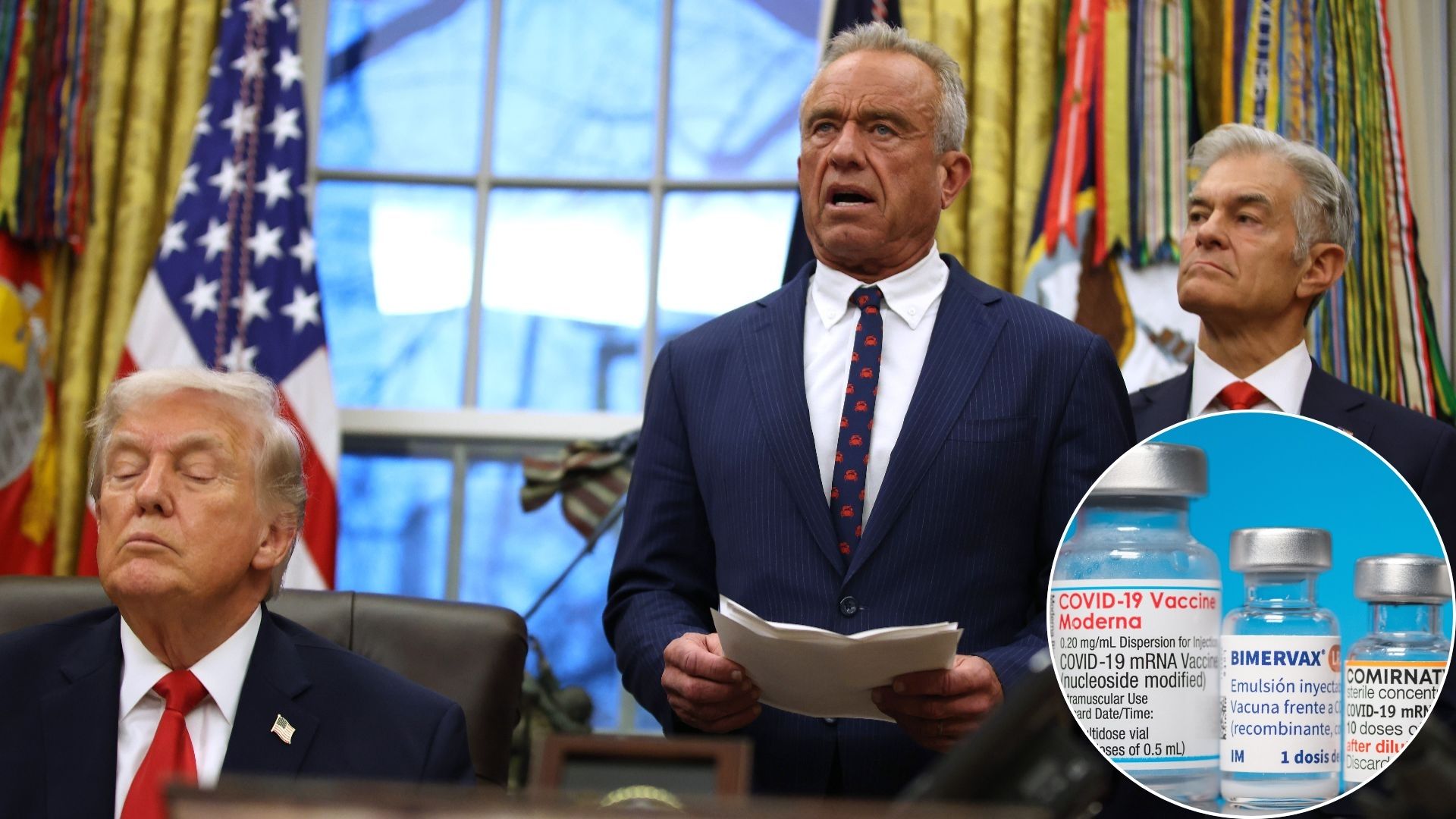 FDA blocks millions-patient studies showing Covid and shingles vaccines are safe
 Dozens given permission to leave cruise ship amid hantavirus outbreak, contact tracing in effect