

/https%3A%2F%2Fcdn-tor.buminteractif.com%2F2026%2F06%2F17190529%2Fmusk-ttrump-xai-getty-345345.jpg)
The Trump administration's Department of Justice has stepped into a high-profile environmental lawsuit targeting Elon Musk's xAI data center in Memphis, Tennessee, arguing that the facility plays a critical role in U.S. national security and that efforts to shut it down could undermine key military capabilities. The intervention marks a major escalation in the legal battle surrounding xAI's massive Colossus supercomputing facility, which powers the company's Grok artificial intelligence models. Civil rights and environmental organizations accuse xAI of violating federal environmental laws by operating dozens of large gas-powered turbines without the permits required under the Clean Air Act. The administration, however, argues that the facility's strategic importance outweighs the claims raised by the plaintiffs and that the lawsuit should be dismissed entirely.
The case was filed in June by the NAACP and several local environmental organizations, which allege that xAI installed and operated a fleet of industrial gas turbines without obtaining the necessary air permits or implementing required pollution-control technologies. According to the complaint, the turbines operate continuously to provide electricity for the Colossus data center and its AI training systems. The plaintiffs contend that emissions from the turbines release significant quantities of smog-forming pollutants and other chemicals into surrounding communities. They are asking a federal judge to order the immediate shutdown of the turbines until xAI complies with all permitting requirements and installs what regulators refer to as the Best Available Control Technology to reduce emissions.
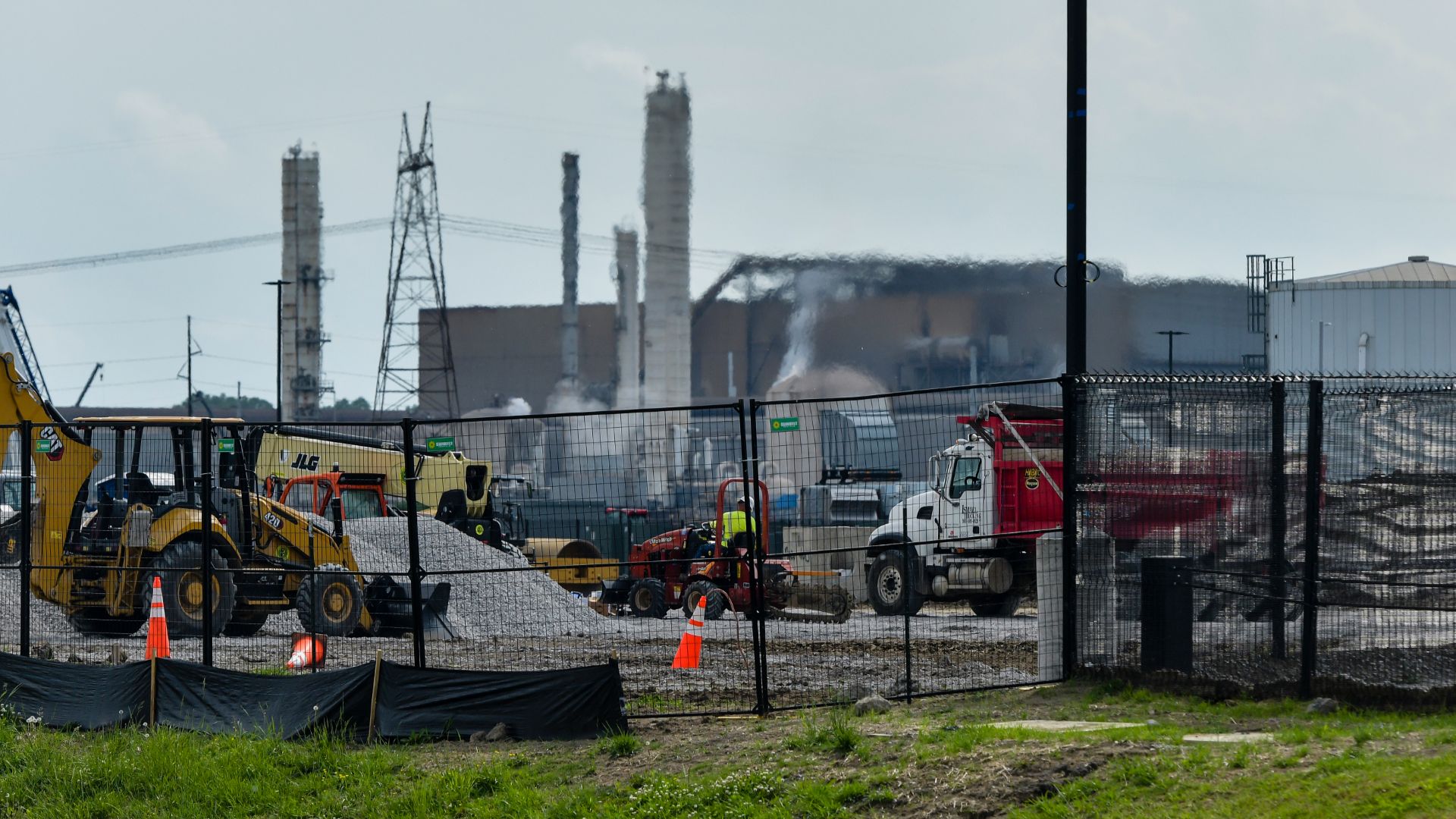
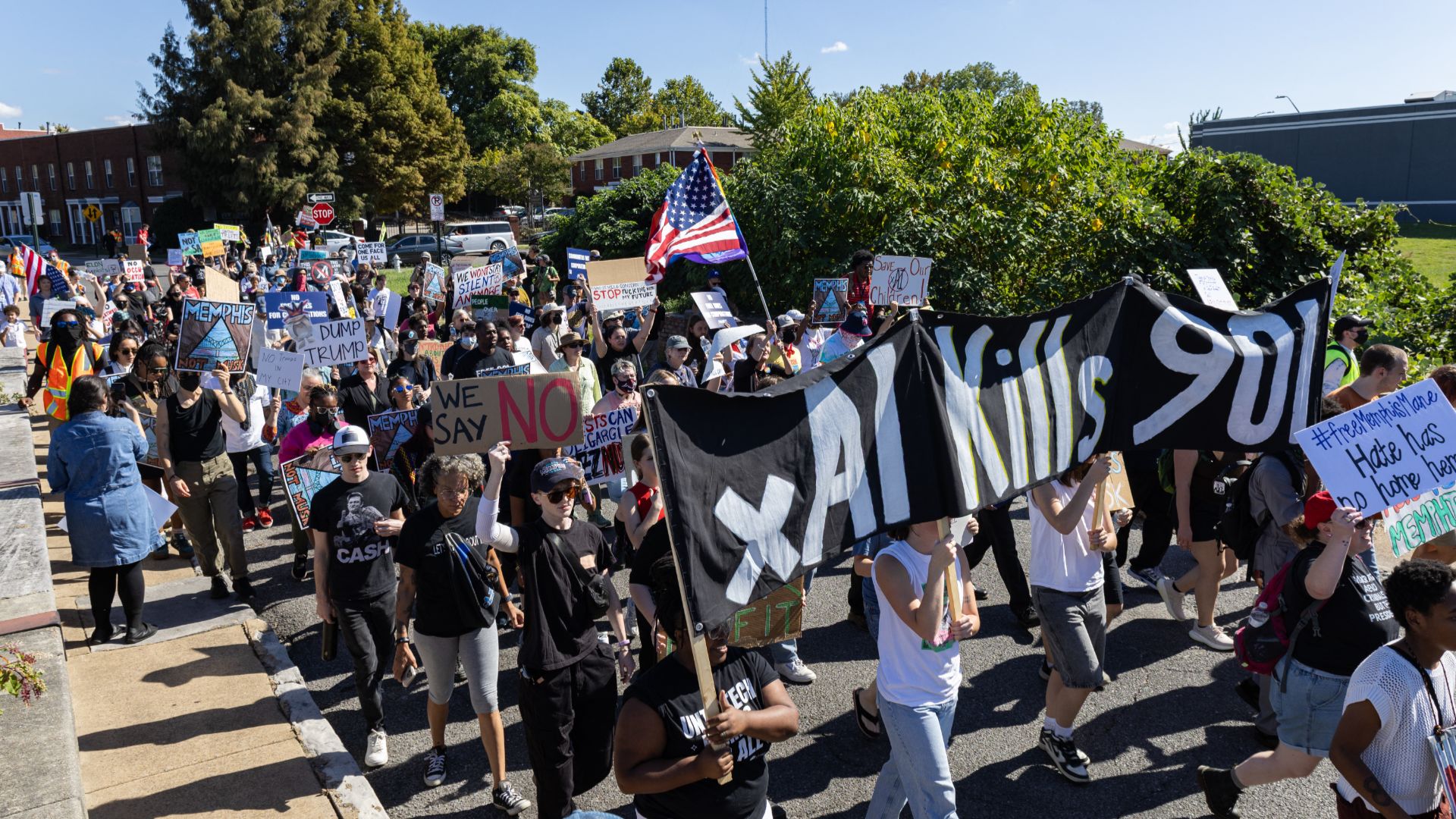
Community opposition has become a central element of the dispute. The facility sits near historically Black neighborhoods in South Memphis and close to residential areas across the Tennessee-Mississippi border. Residents have described persistent quality-of-life concerns since the turbines began operating. Speaking to PEOPLE, some community advocates reported a chemical «rotten smell» lingering in nearby neighborhoods, while residents involved in a separate class-action lawsuit described a constant industrial hum and vibration comparable to living near a jet engine. Civil rights activists and several elected officials have argued that concentrating a major fossil-fuel-powered industrial operation near vulnerable communities constitutes a clear example of environmental racism and disproportionate environmental burden.
«Yeah, it makes no sense. Some companies or individuals are behind this and pulling the strings.»
-Elon Musk on X
Because the Clean Air Act contains citizen-enforcement provisions, the plaintiffs are seeking substantial penalties against xAI. The lawsuit requests civil fines of up to $124,426 per day for each alleged violation, potentially calculated retroactively from the date turbine operations began. The plaintiffs are also seeking a permanent injunction that would force xAI to shut down the turbines unless they undergo a full regulatory review and receive proper authorization. In addition, the groups want the company to reimburse all litigation costs and attorney fees. Environmental organizations argue that these enforcement mechanisms were specifically created to allow citizens to act when they believe environmental laws are not being adequately enforced by regulators.
Three major arguments
The Department of Justice's motion to dismiss rests on three major arguments. First, the administration claims that the Colossus facility serves a critical national security function. According to the filing, Grok and related AI systems trained at the site are «vital» to military operations and have already been used to support defense planning and targeting efforts. Second, federal attorneys argue that Mississippi regulators previously determined that xAI's trailer-mounted generators qualify as mobile power sources and therefore do not require the same permitting process applied to stationary industrial facilities. The DOJ contends that private organizations should not be allowed to override that regulatory determination through litigation. Finally, Associate Attorney General Stanley Woodward Jr. argued that allowing private groups to effectively halt projects considered strategically important weakens the Executive Branch's constitutional authority to enforce federal law and maintain American technological competitiveness.
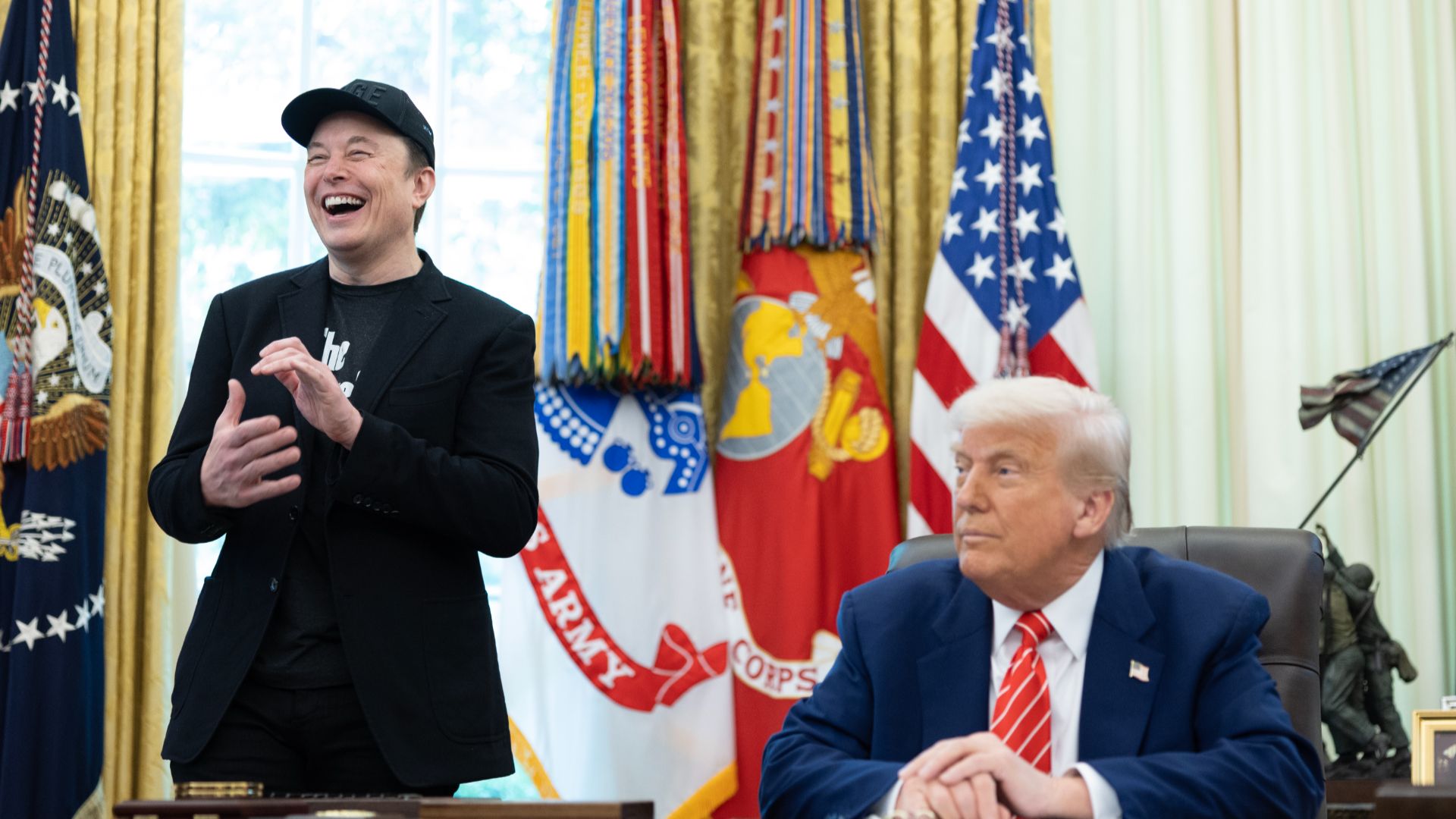
Elon Musk has also publicly criticized the lawsuit. Responding on X to a user who asked, «Why is the NAACP of all organizations trying to kneecap datacenters?», Musk replied: «Yeah, it makes no sense. Some companies or individuals are behind this and pulling the strings.» His comments reflected broader criticism from supporters who argue that the lawsuit threatens American leadership in artificial intelligence at a time of intense global competition. Opponents counter that no company, regardless of its technological importance, should be exempt from environmental regulations designed to protect nearby communities. A final ruling has not yet been issued, leaving the future of the lawsuit — and potentially the operating structure of one of the world's largest AI data centers — in the hands of the federal court overseeing the case.
Created by humans, assisted by AI.
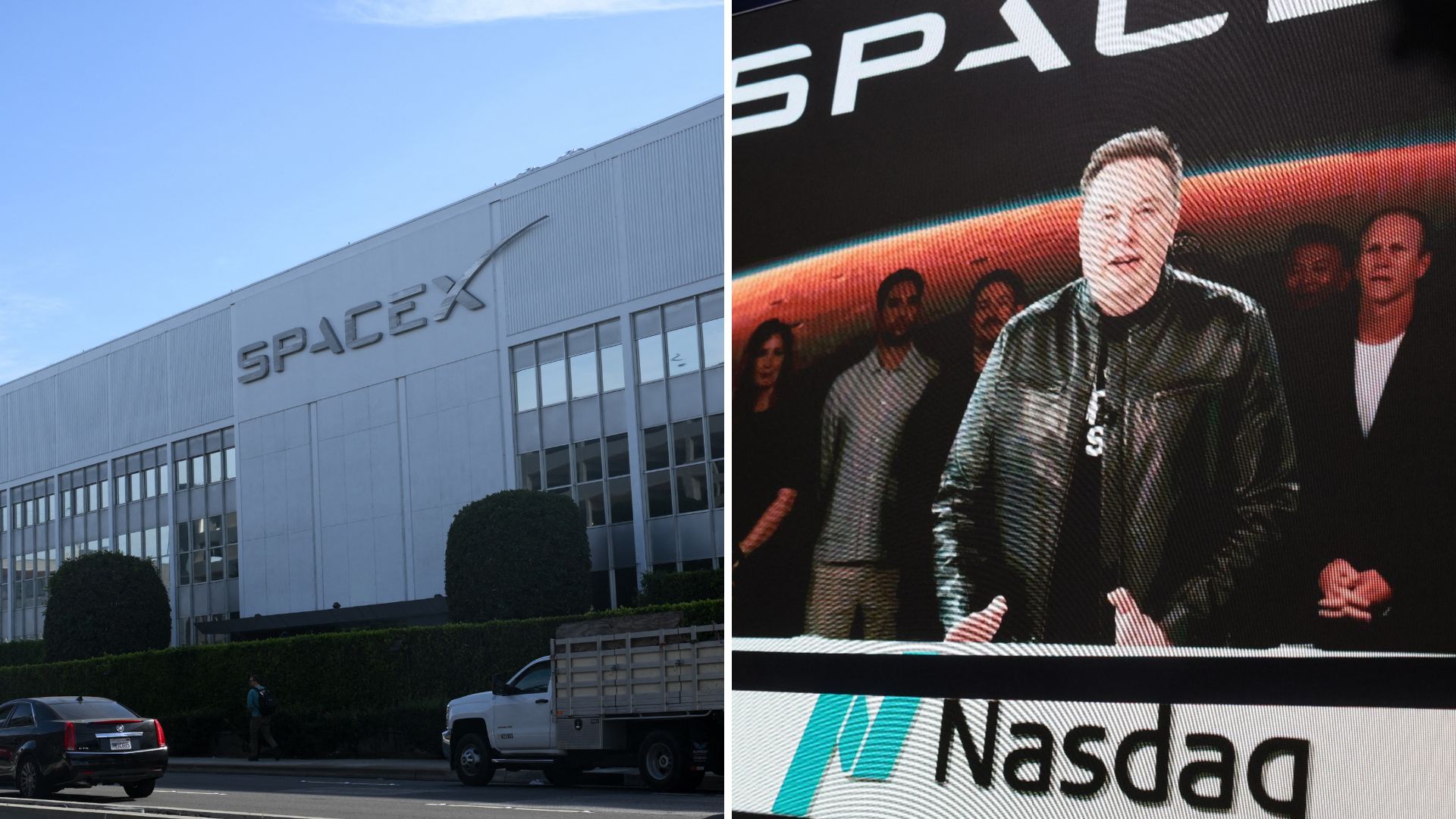 Elon Musk's SpaceX expands into AI with $60 billion acquisition
 SpaceX begins trading on Nasdaq as Elon Musk eyes trillionaire status