Ukraine Unleashes Massive Drone Attack on Russia as Zelensky Warns «Moscow Will Burn Too»


/https%3A%2F%2Fcdn-tor.buminteractif.com%2F2026%2F06%2F18164853%2Frussia-ukrain-moscow-attack-getty34534gdfgd5345.jpg)
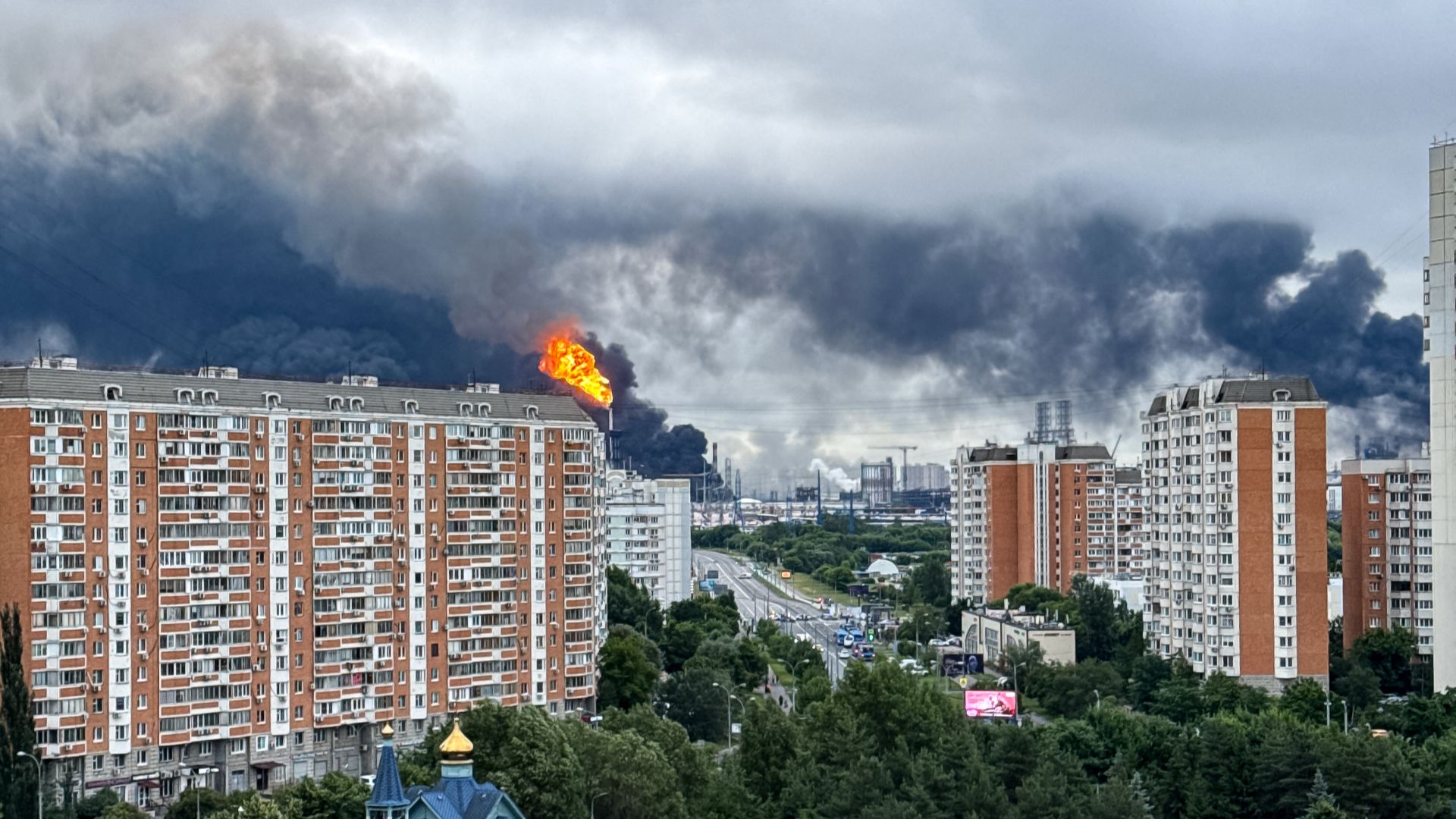
Ukraine carried out its largest drone attack on Moscow since the start of Russia's full-scale invasion, launching nearly 200 long-range unmanned aerial vehicles against targets in and around the Russian capital during the night of June 18. The centerpiece of the operation was the Moscow Oil Refinery in the Kapotnya district, one of the most strategically important energy facilities serving the city. Videos circulating on social media showed enormous columns of black smoke rising above southeastern Moscow after multiple explosions rocked the refinery complex. Russian authorities acknowledged that several drones penetrated air defenses and struck their targets despite an extensive interception effort. The attack immediately disrupted transportation, energy infrastructure and daily life in a city that has largely been shielded from the realities of the war compared with regions closer to the front line.
President Volodymyr Zelensky framed the operation as a direct response to Russia's recent bombardment of Ukraine and as part of a broader strategy aimed at forcing the Kremlin to confront the consequences of the conflict on its own territory. Addressing journalists after the attack, Zelensky declared: «We do not want this war and never did. But if Ukraine is going to burn, your Moscow will burn too … It is time to end the aggression, time to end this war.» He later described the strikes as Ukraine's latest «long-range sanctions» against facilities supporting Russia's military machine. Zelensky also stated: «This is a fully justified response to Russian attacks on our cities and communities, and another important result of our warriors' work against facilities that sustain Russia's war machine.» The Ukrainian leader argued that sustained pressure on strategic Russian infrastructure could increase incentives for Moscow to return to meaningful negotiations.
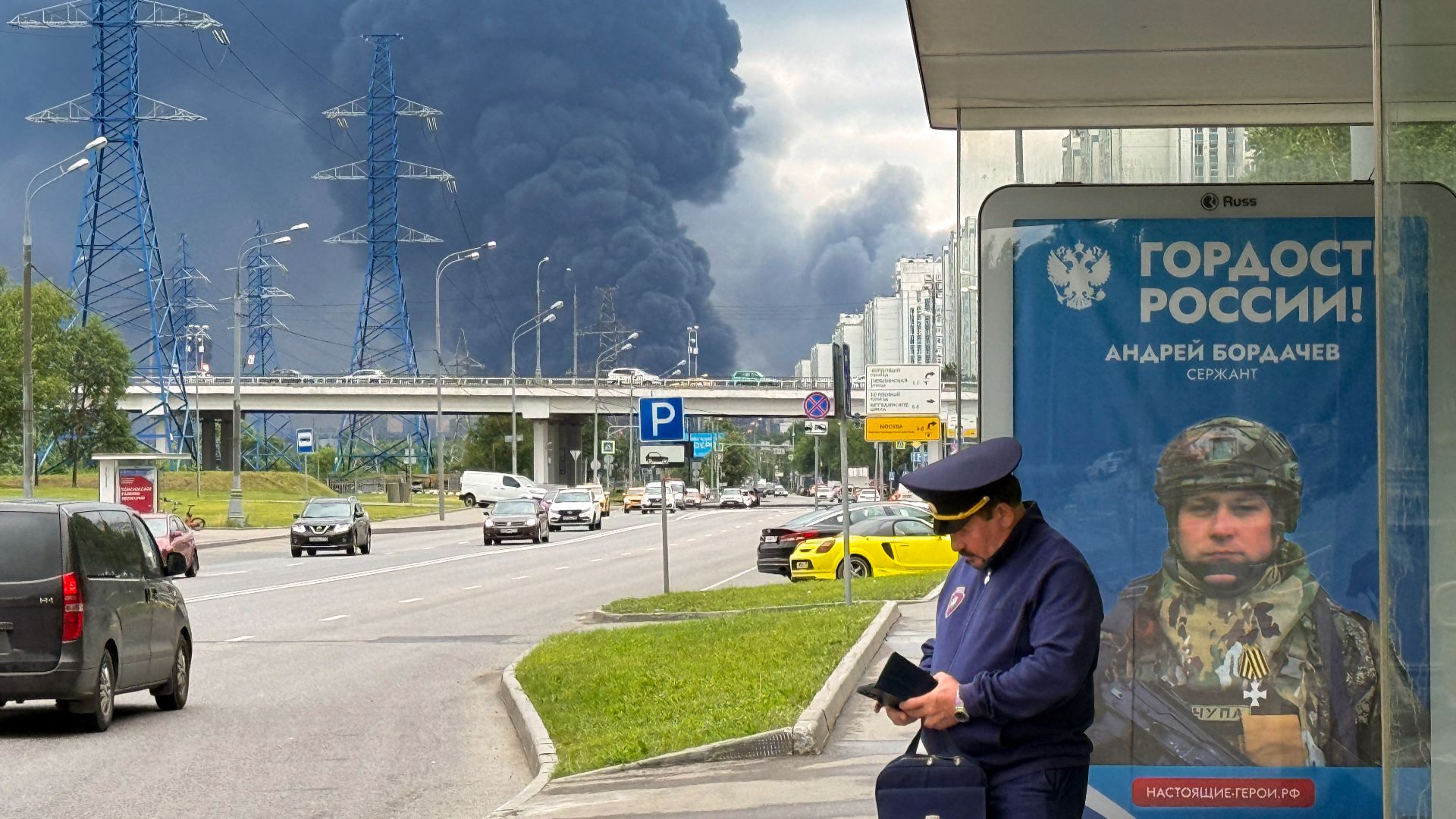
The Moscow Oil Refinery emerged as the most significant target of the operation. Located roughly 15 kilometers southeast of the city center and operated by Gazprom Neft, the facility reportedly supplies around 40 percent of Moscow's gasoline and approximately half of its diesel fuel. The refinery had already been targeted earlier in the week, making the June 18 strike the second successful attack against the site in just a few days. According to reports from the scene, one explosion was powerful enough to send the metal roof of a fuel storage structure soaring into the air before flames engulfed the installation. Ukrainian officials claimed their drones penetrated multiple layers of Moscow's air defense network to reach the facility. The renewed damage intensified concerns about fuel shortages and supply disruptions that have already affected parts of Russia following months of Ukrainian strikes against energy infrastructure.
«We do not want this war and never did. But if Ukraine is going to burn, your Moscow will burn too … It is time to end the aggression, time to end this war.»
-Ukraine President, Volodymyr Zelensky
The consequences extended far beyond the refinery itself. Authorities temporarily halted operations at all four major Moscow airports as air defense systems attempted to repel incoming drones. Sheremetyevo Airport, the country's busiest aviation hub, was evacuated, while hundreds of flights were delayed or canceled. Russian officials reported at least 17 injuries in the greater Moscow region, including two children, though no fatalities were immediately confirmed in the capital. Residential areas were also affected. Damage was reported at a high-rise apartment building in Zhukovsky, several private homes, a shopping center and industrial facilities. In southeastern suburbs, residents described seeing thick smoke blanket the skyline for hours after sunrise. Images shared online showed streets, vehicles and buildings covered in dark soot from the refinery fires, underscoring the unprecedented scale of the attack on the Russian capital.
A UNESCO World Heritage Site
The strike came only days after one of Russia's most destructive aerial assaults against Ukraine in recent months. On June 15, Russian missiles and drones heavily damaged the historic Dormition Cathedral at Kyiv-Pechersk Lavra, a UNESCO World Heritage Site and one of Ukraine's most important religious landmarks. The broader overnight bombardment involved dozens of missiles and hundreds of drones launched across the country, leaving multiple civilians dead and damaging infrastructure in several regions. Ukrainian officials cited the attack on the monastery complex as one of the key motivations behind the retaliation against Moscow. By targeting a symbolic and economically significant facility deep inside Russia, Kyiv sought to demonstrate that Russian strikes against Ukrainian cities and cultural sites would no longer go unanswered. The operation also highlighted Ukraine's rapidly expanding long-range strike capabilities after more than four years of war.
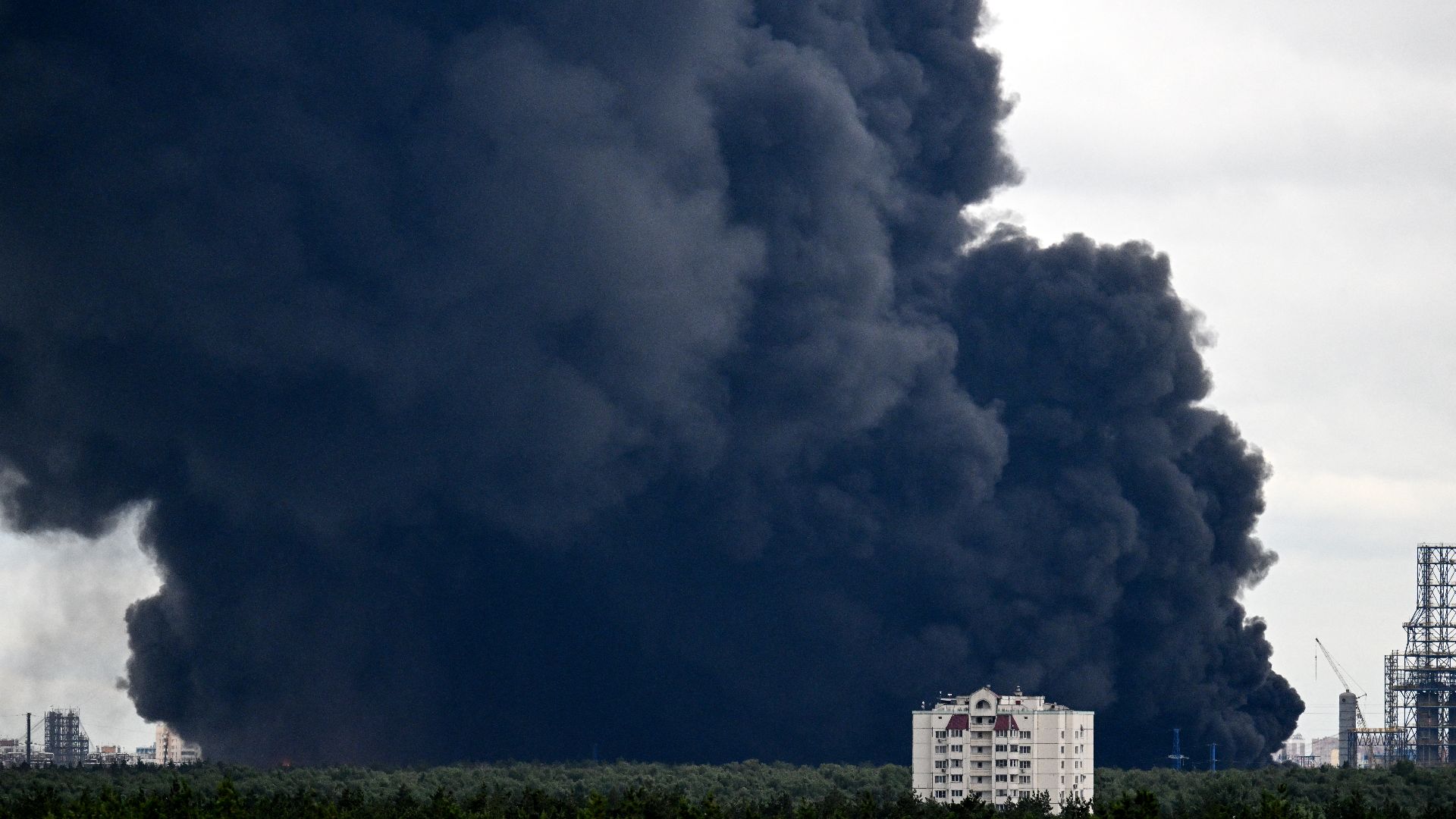
Reaction inside Russia was swift and, in some quarters, unusually critical. Pro-war commentators and nationalist figures questioned how nearly 200 drones were able to approach Moscow despite years of official assurances that the capital remained heavily protected. Businessman Konstantin Malofeev, a prominent nationalist voice, publicly demanded that Russia «start fighting for real» following the attack. Social media channels were flooded with posts from residents expressing alarm over the lack of warning systems and the sight of smoke rising above the city. Within hours of the refinery strike, Russia responded by launching another large wave of missiles and drones against Ukrainian territory, signaling that the escalation cycle between the two countries shows no sign of slowing as diplomatic efforts remain stalled.
Created by humans, assisted by AI.
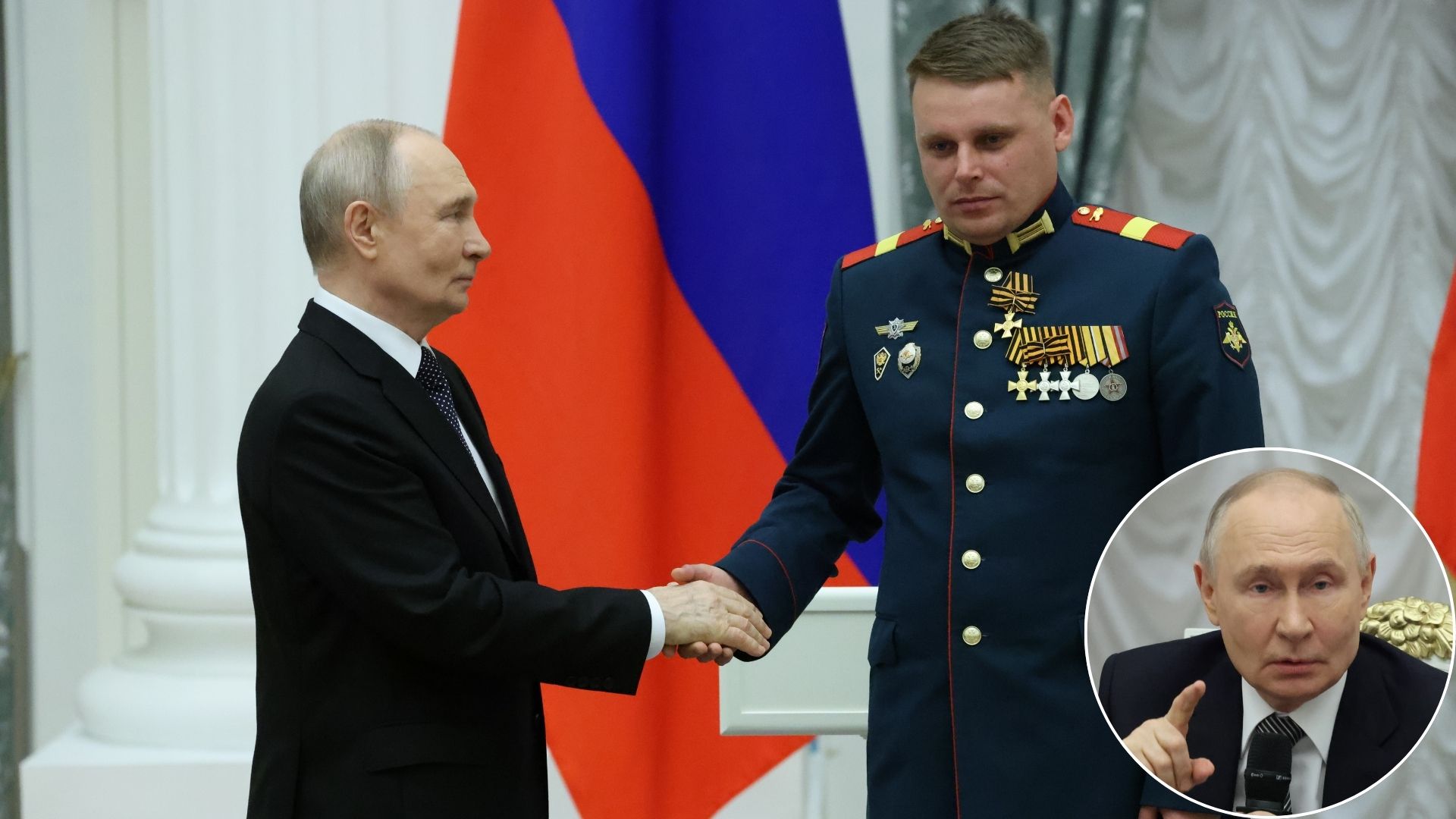 Putin warned Ukraine war is on an ‘unaffordable' path after $28 billion budget overrun
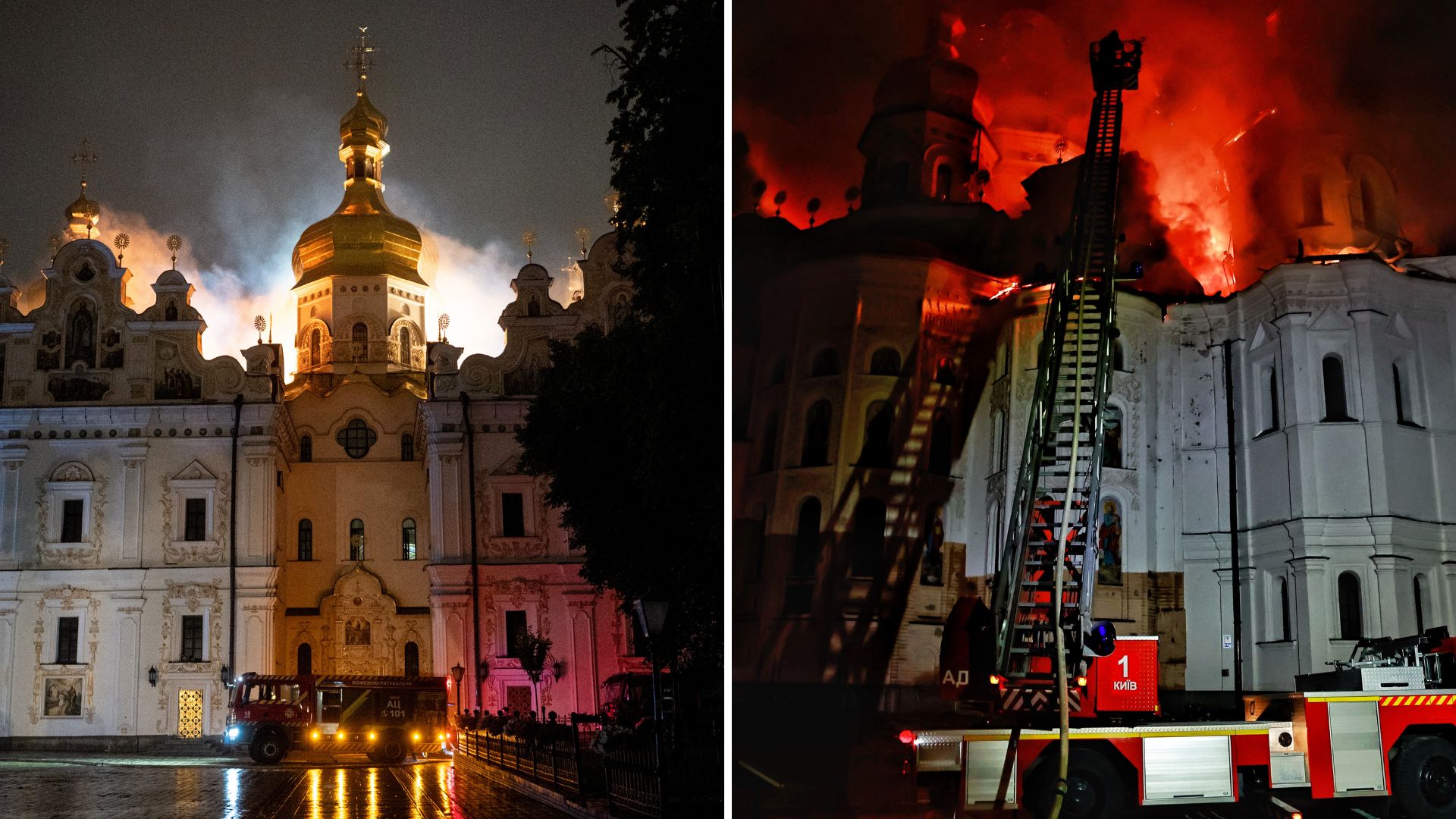 Russia strikes one of Ukraine's most sacred religious landmarks