A Look at the Open Mic Incident at the G7 and the Consequences of the Canada–China Agreement


/https%3A%2F%2Fcdn-tor.buminteractif.com%2F2026%2F06%2F16190331%2FGettyImages-2281290503-1.jpg)
A microphone left on during the G7 summit captured a private conversation between President Donald Trump and Prime Minister Mark Carney regarding a trade agreement between Canada and China on the limited importation of electric vehicles. Beyond the anecdote, this incident raises important questions about trade governance, industrial priorities, and modern diplomacy. Here is a structured and detailed analysis of the key elements, issues, and potential implications.
What was heard: The recording reveals a measured discussion in which Carney explains the safeguards of the agreement—in particular, an annual cap set at 49,000 vehicles—and seeks to reassure Trump that this measure does not constitute a massive opening of the Canadian market to Chinese automakers. In the exchange, the U.S. president appears, in private, to be more nuanced than he was in his subsequent public statements. This contrast between private dialogue and public posturing is one of the major lessons from the open mic incident.
The economic context: the imposition of U.S. tariffs on certain Canadian vehicles had already strained North American trade relations. Ottawa, seeking to protect its automakers and diversify its trading partners, negotiated the agreement with Beijing to allow limited entry of Chinese electric vehicles in exchange for concessions on certain Canadian exports. This type of arrangement lies at the intersection of industrial concerns (protecting local production) and trade strategy (diversifying suppliers and partners).
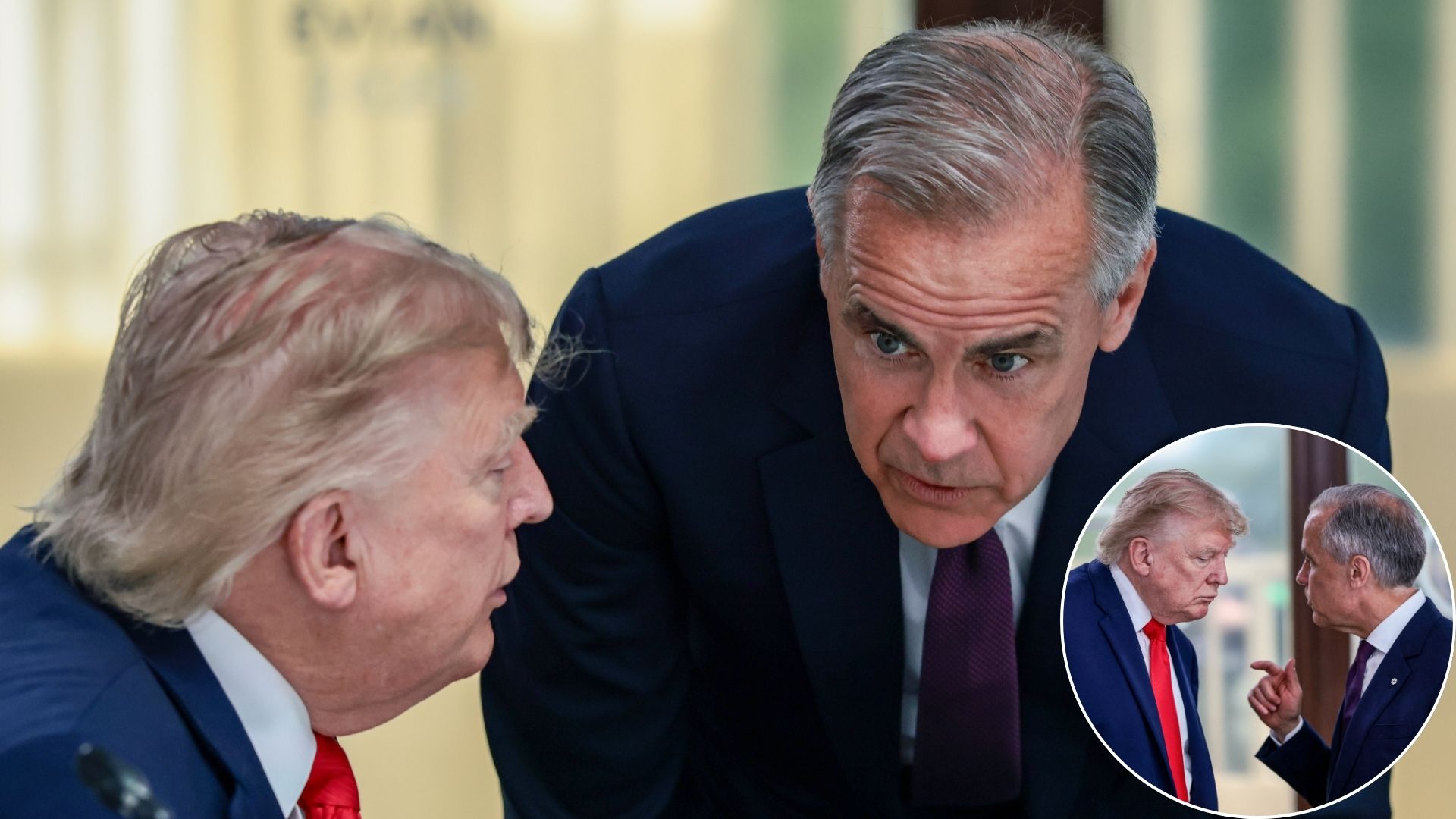
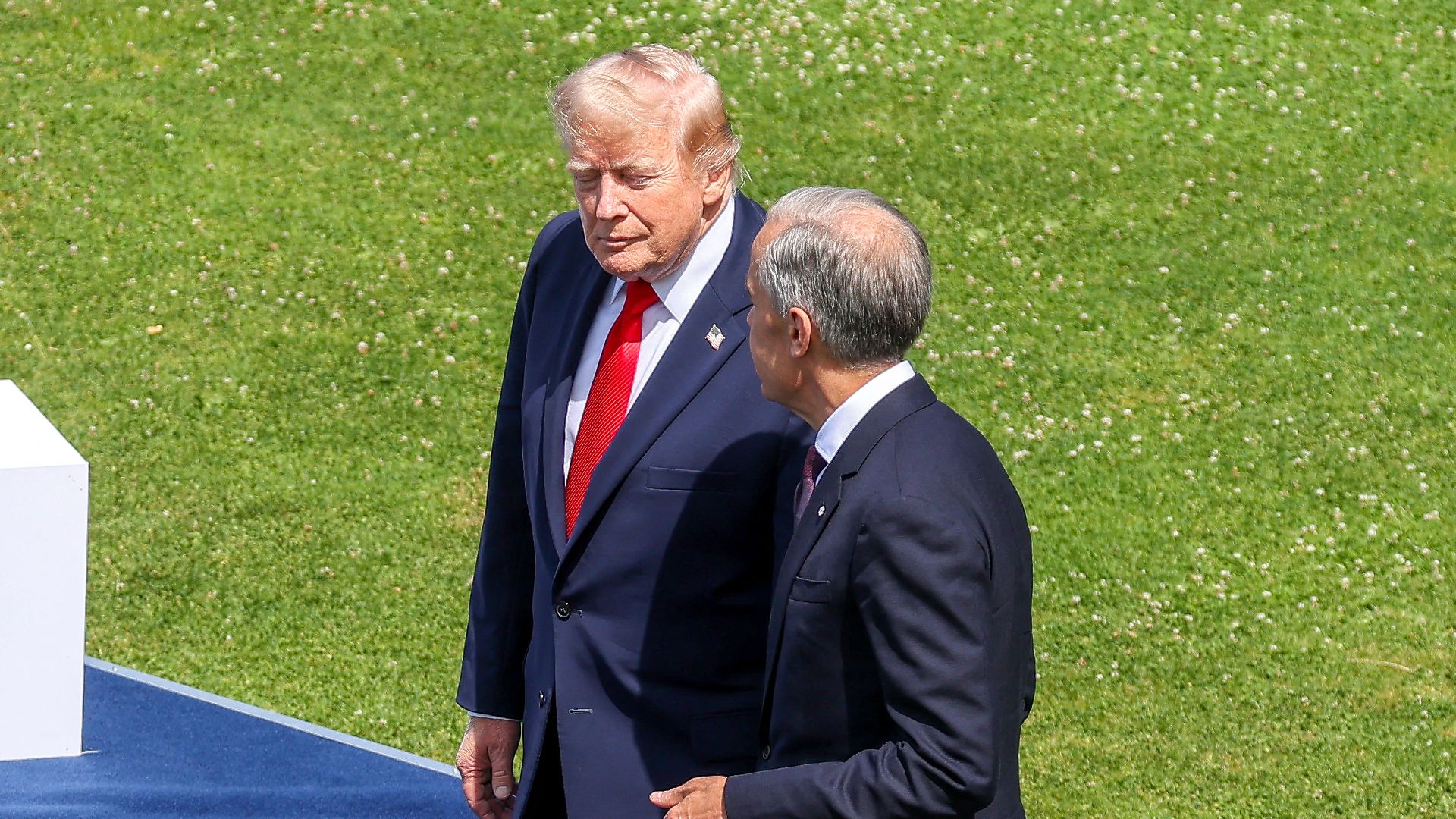
Political implications: The incident highlights a common dilemma: international governance requires informal exchanges to build trust and test ideas, while domestic politics often demands more hard-line stances. For Trump and his administration, tough rhetoric against Chinese influence addresses both electoral and industrial priorities. For Carney, the need to defend Canadian jobs and supply chains explains the search for pragmatic solutions, even if they entail exposure to fiscal or strategic criticism.
Possible economic consequences: The threat of imposing punitive tariffs in response to the agreement could disrupt supply chains in North America. Canadian automakers fear that Chinese vehicles or components entering Canada could then be transshipped to the United States, thereby circumventing U.S. restrictions. Conversely, strictly limiting the number of imported units and ensuring enhanced traceability are proposed mechanisms to mitigate these risks. The balance between industrial protection and economic openness remains delicate.
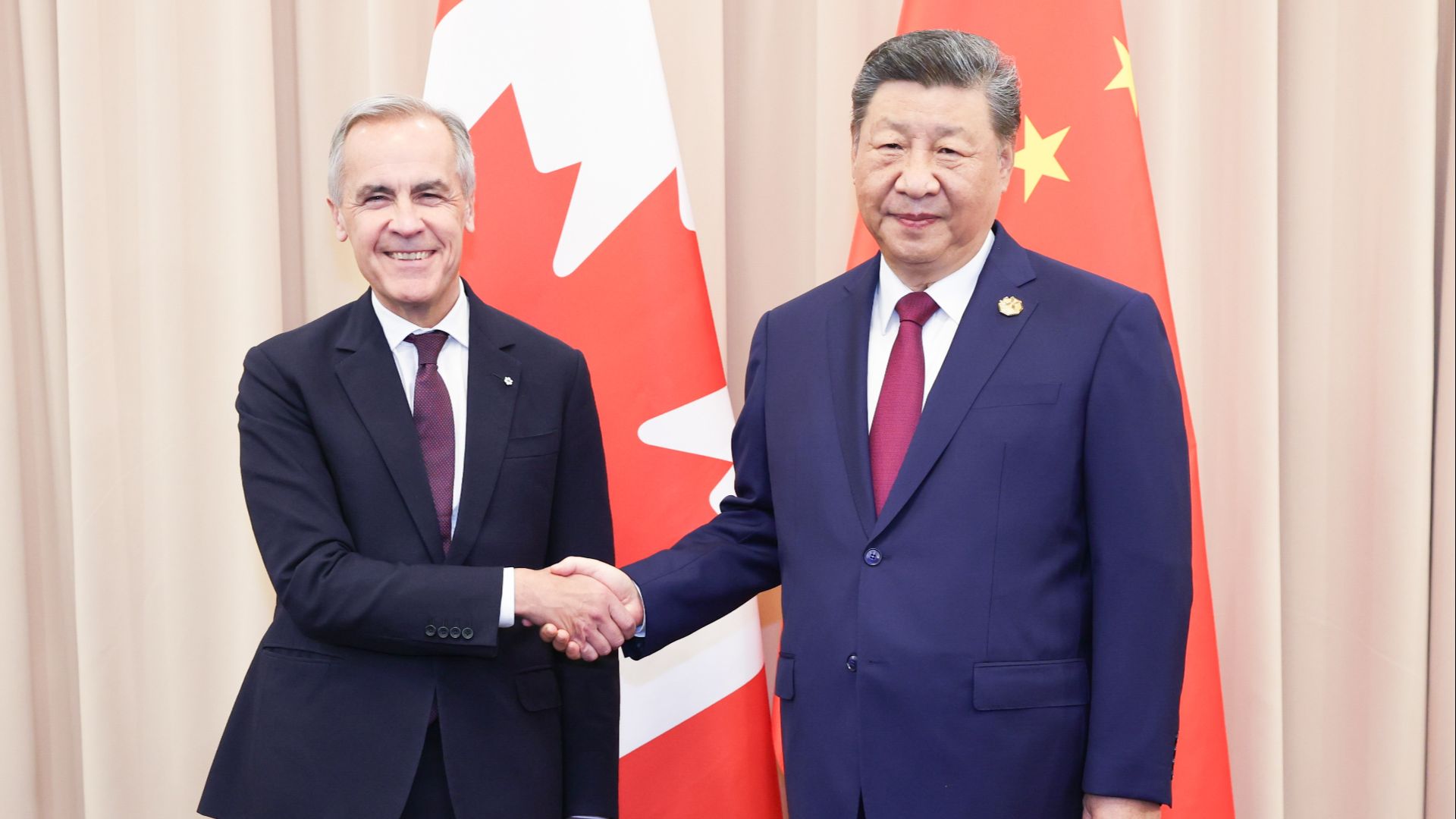
Geopolitical issues: The agreement also fits into a broader context of competition among major powers. Allowing a limited Chinese presence in the Canadian market may be seen as a pragmatic trade gesture, but it is also interpreted by some as a sign of weakness in the face of China's expanding technological and industrial influence in the West. Public reactions in the United States reinforce the perception that allies must maintain a united front, even as private discussions leave room for compromise.
What the open mic incident reveals: first, that technical solutions—such as annual caps and audit mechanisms—are possible to reconcile divergent interests. Second, that public communication can be dictated by domestic imperatives despite a diplomatic reality that is often more flexible. Finally, that technical errors (such as a forgotten microphone) can amplify already volatile issues, accelerating reactions and sometimes hardening positions.
Outlook: To limit risks, Ottawa will need to rigorously document the trade flows resulting from the agreement and increase bilateral assurances with Washington. Companies must prepare for scenarios of trade tension, while governments must enhance transparency to avoid hostile interpretations. In the medium term, the central question remains the same: how can industrial sovereignty, trade diversification, and geopolitical imperatives be reconciled in a context of growing interdependence?
Conclusion: The open microphone incident at the G7 was not merely a technical glitch. It highlighted the complexity of an agreement that, if managed with clear safeguards, can offer limited economic benefits to Canada without destabilizing the regional trade order. But it also serves as a reminder that diplomacy relies on a delicate balance between behind-the-scenes pragmatism and public communication—a balance that can be fragile when industrial and strategic issues are at stake.
