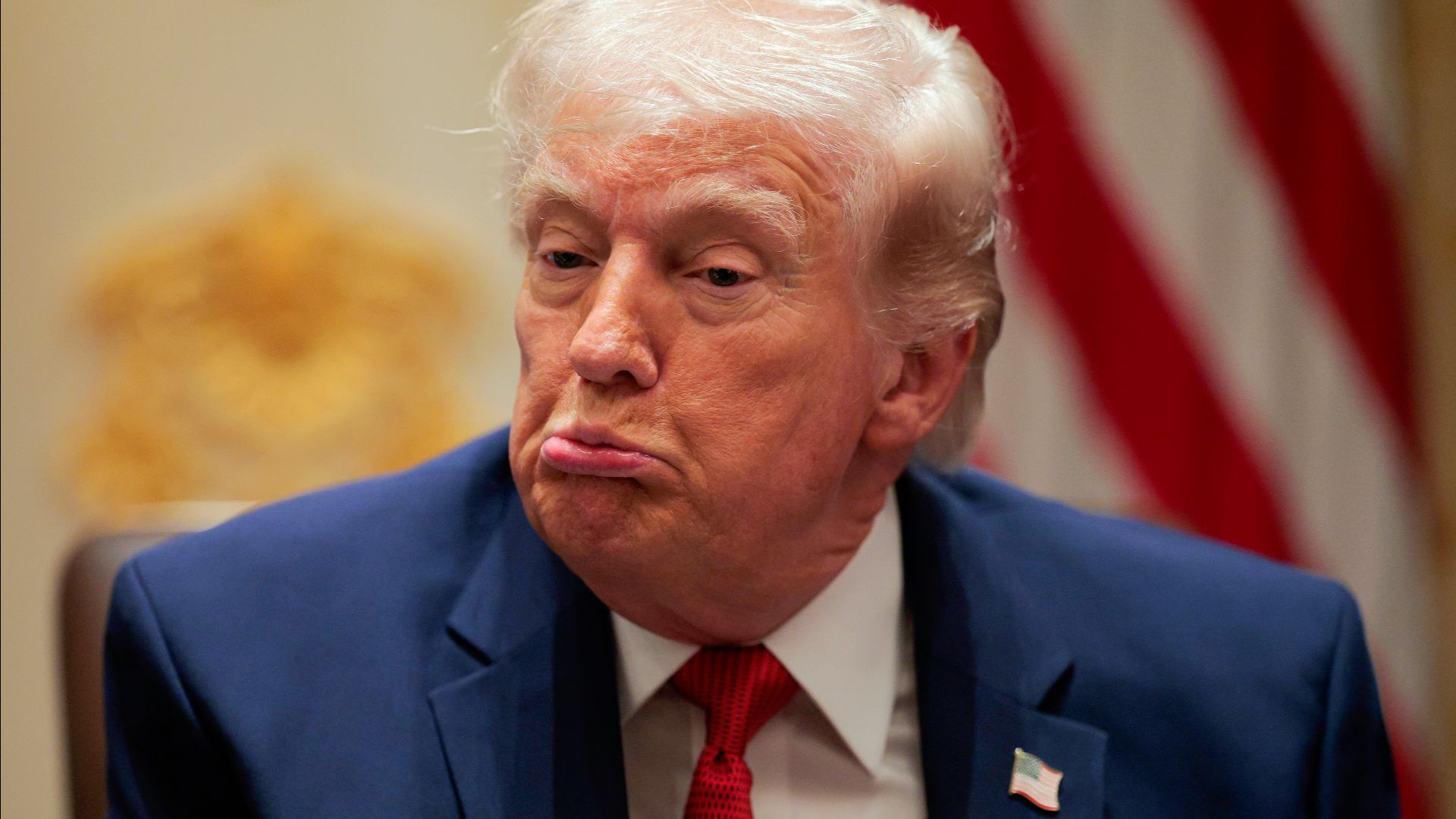
The Trump–Naruto Controversy: Legal, Cultural, and Technical Implications of an AI-Generated Image


/https%3A%2F%2Fcdn-tor.buminteractif.com%2F2026%2F06%2F10195650%2Ftrump-naruto-gerterty34.jpg)
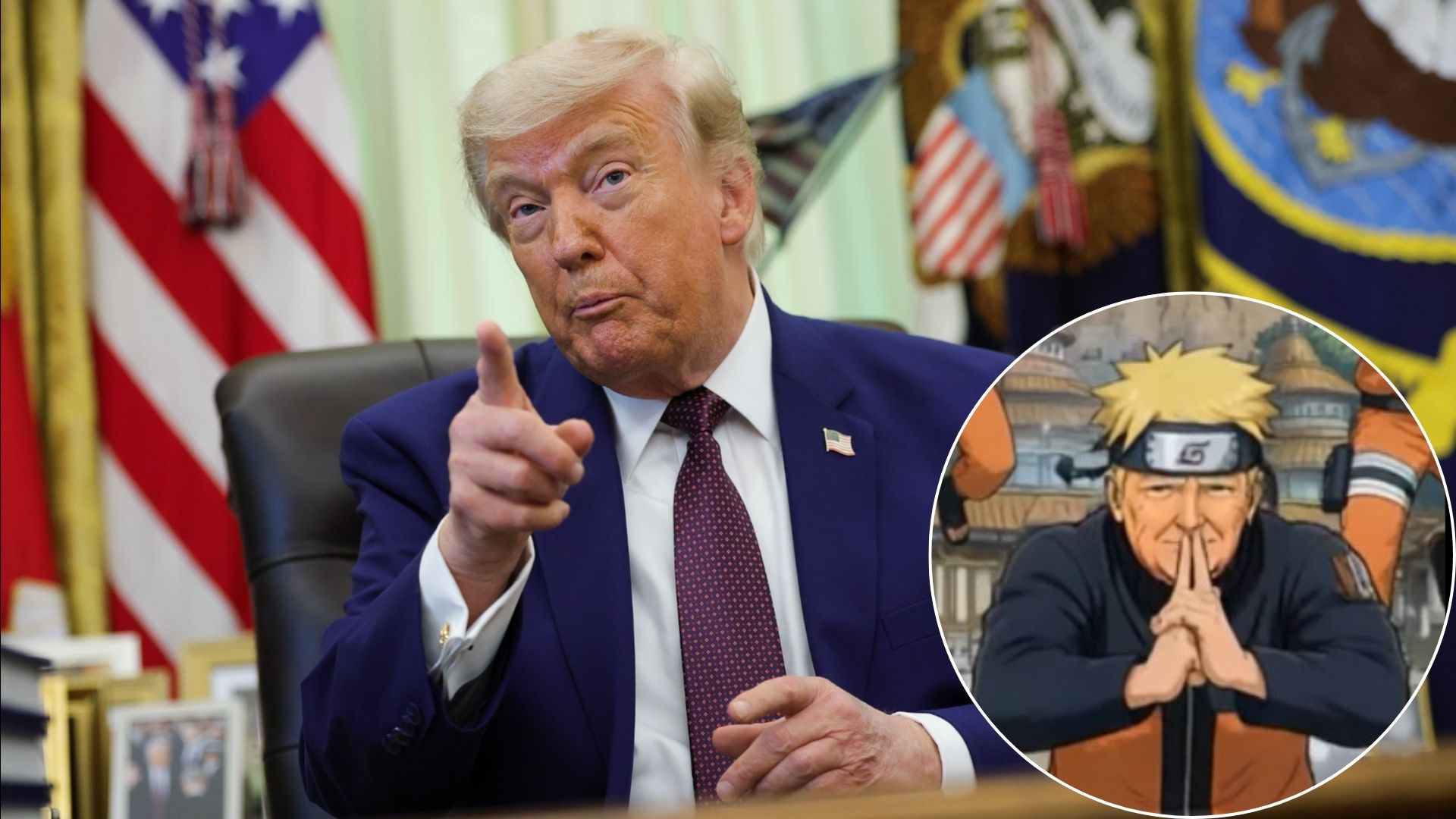
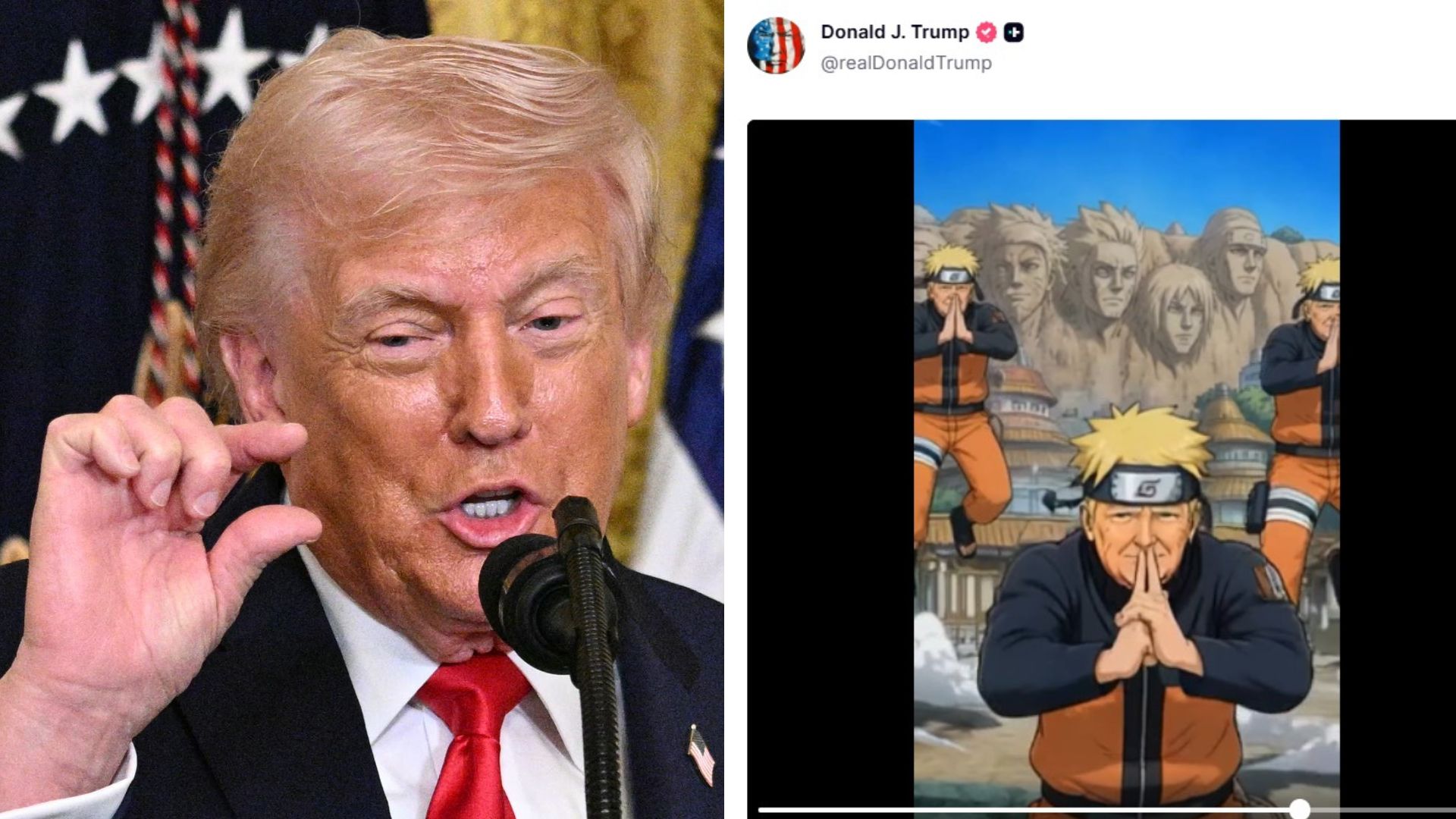
The release of a campaign video depicting Donald Trump as an iconic manga character has reignited a heated debate about the uses of artificial intelligence, respect for cultural works, and the responsibility of political and tech leaders. The incident gained traction when Japanese and international internet users recognized in a clip the silhouette, costume, and characteristic demeanor of a hero from the manga universe, sparking outrage and concerns about the consequences of such appropriation.
This isn't just about an image—it's about meaning. Characters like Naruto Uzumaki are not mere visuals: they embody values, narratives, and emotional connections with their audiences. Fans reacted strongly to the idea that their icon was being used in a political message that has no connection to the work or its creator. Beyond the emotional response, several concrete issues are emerging.
1. Copyright and Liability
AI-generated images challenge the traditional legal framework. Who is liable if a copyrighted character is reproduced without authorization? The author of the prompt, the AI developer, the platform distributing the content, or the political team publishing it? Current laws sometimes struggle to answer these questions, particularly when the creation is produced by machine learning systems trained on massive datasets that may include copyrighted works. Previous cases involving musicians and production companies show that disputes can escalate quickly, especially when the content reaches a wide audience.
2. Cultural Impact and Community
Reactions
Reactions in Japan serve as a reminder that how an image is received is deeply tied to its cultural context. Fans perceived the use of their favorite character as political “co-optation,” leading to a sense of moral outrage. This type of reaction can become a political factor in its own right: petitions, statements from rights holders, and international media coverage fuel a cycle in which the original image becomes a symbol of ethical and legal misconduct.
3. Brand Neutrality and Public
Stances
Several cultural companies, having learned from past incidents, no longer hesitate to issue formal statements to distance themselves from the political use of their intellectual property. The Pokémon Company International, for example, has already reaffirmed its neutrality and rejected any involvement in such creations. These distancing measures seek to protect the brands' reputation and their recreational or educational mission, but they also highlight the limits of preventive action in the face of the autonomous production of synthetic images.
4. Toward Technical and Legal Regulation?
Possible solutions lie at the intersection of technology and law. On the technical side, digital watermarking systems, mandatory metadata, and methods for fingerprinting AI-generated content could facilitate traceability. On the legal side, amendments regarding the protection of characters, the liability of platforms and users, as well as the recognition of a moral right adapted to digital works, could be considered. International initiatives will likely be necessary to harmonize the rules, as the dissemination of such content transcends national borders.
5. Key Takeaways for Stakeholders
- For political campaigns: verify sources and obtain permissions in advance to avoid reputational crises.
- For AI platforms: improve transparency regarding datasets and provide tools for detecting derivative content.
- For rights holders: Develop rapid response strategies and effective reporting mechanisms.
This case illustrates just how much an image—even a synthetic one—can have real and lasting effects. The Trump–Naruto controversy is not just a passing fad: it is symptomatic of a world where technology allows cultural references to be reimagined on a large scale, forcing society to rethink the law, ethics, and digital culture. If we wish to preserve the value of artistic creations while taking advantage of technological advances, we will need coordinated, rapid responses tailored to a changing media landscape.
Visual sources: